_1778553121707.webp)
Phosphoric Acid Activated Wood Char Provides Customized Carbon Solutions for Manufacturers
Sep 21, 2026
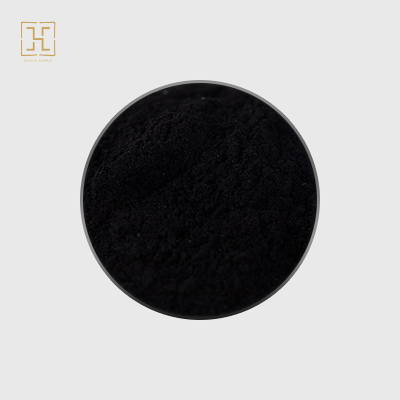
Phosphoric acid activated wood char is a very good adsorption material for manufacturers who need to have exact control over the particle size, surface chemistry, and pore structure. This type of chemically activated carbon is made by soaking wood in phosphoric acid before carbonization. It has a specific surface area of 1,000 to 1,600 m³/g and a well-developed mesopore distribution. Because of these features, it can be used to clean water, control volatile organic compounds (VOCs), process chemicals, and make food, which are all uses where regular activated carbon often falls short of scientific requirements.
Understanding Phosphoric Acid Activated Wood Char
What It Is and How It Differs
Phosphoric Acid Activated Wood Char is activated carbon that is made from wood and is used instead of steam to make it work. Phosphoric acid gets rid of water and creates pores during carbonization. This makes a carbon matrix with pores that are very different from those of carbons activated by steam or coconut shell. A study in the journal Carbon shows that turning on H₀PO₄ always makes the mesopores bigger. This is important for taking in bigger organic molecules like those in industrial wastewater and air streams full of VOCs.
Key Physical and Chemical Properties
Some of the things that make it up are iodine (900 to 1,100 mg/g), methylene blue (up to 250 mg/g), and ash (less than 5%). Acidic groups were added to its surface when phosphoric acid was used to clean it. This makes it more water-loving, which helps polar trash stick to it. This makes the adsorption process go faster, and the dosage needed is lower in liquid-phase uses. This saves a lot of money for large-scale operations.
Why Manufacturers Choose This Grade
Manufacturers who work with making chemicals, cleaning industrial gases, and treating water always choose Phosphoric Acid Activated Wood Char because it works well with chemicals and has a porous structure that can be controlled. This kind of activated carbon is better for the environment than zinc chloride-activated ones, which make more dangerous waste, because phosphoric acid can be collected and recycled during production, and wood can be used again and again.
Activation Methods and Comparative Advantages
Chemical vs. Physical Activation
Some materials are physically activated with steam or CO2 at temperatures between 800°C and 1000°C. This burns off volatile materials and makes the carbon pore network more open. Carbon that is very pure and has a neutral pH is made this way. It is best for use in pharmaceutical and food-contact applications. It takes less energy and makes the mesopore structure denser when phosphoric acid is used for chemical activation (400–600°C). This makes it better for adsorbing medium- to large molecules in filtration systems.
Why Phosphoric Acid Outperforms Zinc Chloride
When zinc chloride is active, the porosity stays about the same. However, there are concerns about the contamination of the remaining zinc, which makes it harder to use for cooking and drinking. If you work with phosphoric acid on carbon, it doesn't pose the same heavy metal risk. Any acid that is still there is washed away, and the phosphoric acid that is reclaimed can be used again in the process. This cuts down on waste and saves money on costs. That's why this difference is important for businesses that need to buy water that meets EPA or NSF/ANSI standards.
Application Suitability by Industry
Phosphoric Acid Activated Wood Char can be used to make a lot of different things. Here are some of the places where it works better than others:
- Water treatment and municipal purification: Its mesopore structure adsorbs humic acids, chloramines, and emerging contaminants more effectively than micropore-dominant carbons. Studies show wood-based H₃PO₄ carbon reduces total organic carbon (TOC) levels by up to 85% in pilot-scale drinking water systems.
- VOC and industrial gas control: The developed pore network captures toluene, benzene, xylene, and other common VOCs emitted by coating, printing, and electronics manufacturing operations.
- Chemical and food processing: Low ash content and controlled pH make this grade compatible with sensitive production environments where trace inorganic contamination affects end-product quality.
Because it works better than other materials, Phosphoric Acid Activated Wood Char is a good choice for many fields.
Procurement Guide for Phosphoric Acid Activated Wood Char
Evaluating Supplier Technical Capability
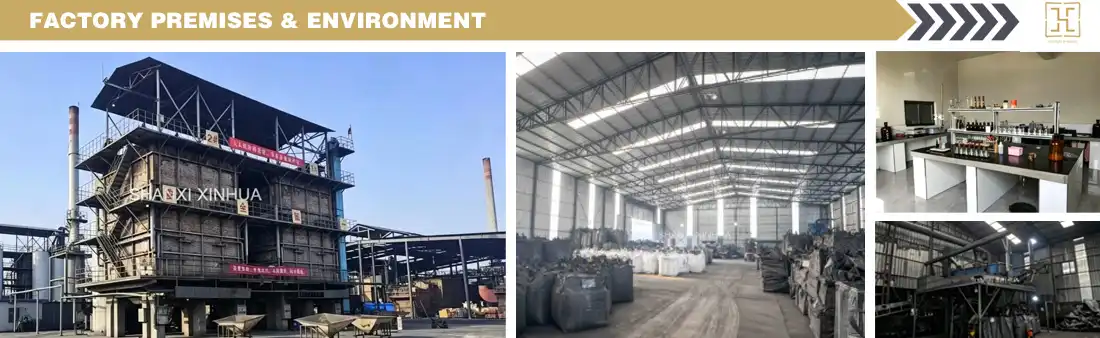
You should read the technical data sheet for the industrial-grade activated carbon before you buy a lot of it. It has information about the BET surface area, pore volume distribution, particle size range, and adsorption test results for the pollutant you want to get rid of. You should get certificates from a third-party lab for the iodine number, the methylene blue value, the ash level, and the heavy metals. They have written down ways to make sure that their products are always the same if they have both ISO 9001 quality management certification and ISO 14001 environmental management certification. This is a key step for contracts that will last a long time.
Pricing, Lead Times, and Logistics
You can buy a lot of Phosphoric Acid Activated Wood Char for around $1.20 to $3.50 per kilogram. What you want, how much you order, and the type of packaging will all affect the exact price. For grades that are in stock, standard wait times from well-known manufacturers are 7 to 15 days. To formulate and make something to your exact specifications, it takes 15 to 30 days. For compliance jobs that need to be done quickly, make sure the supplier can respond within three days. It's helpful to know how to send things by sea, air, or rail if you want to buy things from other countries. This is because the time it takes to get to and from places can change your plans.
Compliance and Certification Checkpoints
Make sure the carbon fits the standards for uses that come in contact with food, medicine, or drinking water. These standards could be NSF/ANSI 61, AWWA B600, or the food-contact laws in your area. People who sell goods in the U.S. need to show proof that they follow the rules of the Safe Drinking Water Act. Large orders are less likely to go wrong if the production lines are ISO-certified, there are physical testing labs inside the company, and quality control methods are written down.
Customizing Carbon Solutions for Your Manufacturing Needs
Defining Your Technical Requirements
Before you can find the right activated carbon product, you need to know what you want to clean, how much you want to clean, the temperature and humidity of the area, how long it needs to be in contact with the dirt, and how often it needs to be cleaned. For a finishing plant to be VOC-free, it needs carbon that can soak up a lot of toluene and keep the pressure low in the fixed bed. The most important things to look at when treating water are the methylene blue number and how stable the pH is. If you tell your supplier's technical team about the process factors early on in the buying process, you won't have to make costly changes later on.
Forms and Formats Available for Integration
You can make phosphoric acid activated carbon from wood in a range of shapes and sizes to suit different types of machinery. Powder grades (often less than 75 μm) work well for filter presses that clean a lot of fluids at once. For both gas and liquid phase work, granular grades (4×8, 8×30, or 12×40 mesh) work well with fixed-bed column systems. Beehive or shaped carbon blocks can be used by companies that make industrial air purification equipment to make airflow paths with low resistance and high contact efficiency. Working with a seller who can change these things to fit the needs of the order cuts down on the time it takes to plan the system.
Sustainability Alignment in Procurement
Businesses that want to be more environmentally friendly or have ESG goals should choose activated carbon made from wood over alternatives made from coal. Because wood can be used over and over, and phosphoric acid can be reused during production, less chemical waste is made. Being less energy-intensive also means that it takes less energy to make one kilogram of carbon. This is why wood-based H₁PO₄ carbon is a good choice for sustainability in procurement documents. This is especially true for companies that report Scope 3 emissions or take part in recycling programs.
Conclusion
Phosphoric Acid Activated Wood Char is a well-known adsorption material that can be used by manufacturers. It has a porous structure that can be changed, has been used in industry before, and has less of an effect on the environment than many other choices. The chemically active form of this carbon can clean water, keep volatile organic compounds (VOCs) in check, process food, and make chemicals. It can be used for many things and is clearly good for science. When you're buying something, the two most important things you can do are make sure the specification fits your process needs and pick a seller with clear quality systems and a steady supply capacity.
FAQ
How is phosphoric acid activated wood char different from steam-activated wood char?
Steam activation uses physical oxidation at high temperatures to create micropore-dominant carbon with neutral pH and high purity. Phosphoric acid activation operates at lower temperatures and produces more mesopores, which adsorb larger molecules more effectively. Steam-activated grades suit pharmaceutical and food-contact use; phosphoric acid grades are preferred for water treatment and liquid-phase purification where mesopore volume improves performance.
Can I buy this product in bulk food-grade specification?
Yes. Food-grade activated carbon from wood feedstock with low ash content (under 5%), confirmed heavy metal levels (Pb <2 mg/kg, As <1 mg/kg), and controlled pH is available from suppliers holding relevant food-safety certifications. Always request a certificate of analysis and confirm compliance with applicable food-contact standards before finalizing a supply contract.
What should I look for when choosing a phosphoric acid activated wood char supplier?
Prioritize suppliers with ISO 9001 certification, in-house testing labs, documented BET surface area data, and consistent particle size control. Verify their production capacity matches your order volume, confirm lead times and emergency delivery options, and ask for samples before committing to bulk orders.
Partner With Shanxi Xinhua Carbon Technology for Your Activated Carbon Supply
Phosphoric Acid Activated Wood Char is made and sold by Shanxi Xinhua Carbon Technology Industry Co., Ltd. to producers and industry procurement teams in the US and around the world. With over 60 years of experience, four national production bases, and an output of 45,000 tons per year, along with ISO 9001, 14001, and 45001 certification, we give procurement managers the scientific paperwork and stable supply they need. You can email our team at greta@carbonxinhua.com or visit xhcarbontech.com to get samples, detailed specifications, or a price quote for buying in bulk.
References
1. Molina-Sabio, M., & Rodríguez-Reinoso, F. Role of chemical activation in the development of carbon porosity. Colloids and Surfaces A: Physicochemical and Engineering Aspects, 2004.
2. Basta, A. H., Fierro, V., El-Saied, H., & Celzard, A. 2-Step KOH activation of rice straw: The influence of impregnation temperatures on the properties of activated carbons. Bioresource Technology, 2009.
3. Ahmadpour, A., & Do, D. D. The preparation of activated carbon from macadamia nutshell by chemical activation. Carbon, 1997.
4. Ioannidou, O., & Zabaniotou, A. Agricultural residues as precursors for activated carbon production — A review. Renewable and Sustainable Energy Reviews, 2007.
5. American Water Works Association (AWWA). AWWA Standard B600: Powdered Activated Carbon. AWWA, 2016.
6. Stavropoulos, G. G., & Zabaniotou, A. A. Production and characterization of activated carbons from olive-seed waste residue. Microporous and Mesoporous Materials, 2005.

Send Inquiry
You may like
_1781662034490.webp)