_1778553121707.webp)
No-Wash Coal-Based Activated Carbon Simplifies Industrial Water Filtration
Aug 19, 2026
Industrial water filtration faces a persistent challenge: traditional activated carbon requires extensive rinsing before deployment, consuming water, time, and labor while delaying project timelines. No-wash coal-based activated carbon eliminates this burden entirely. Manufactured from premium anthracite through advanced activation, precise sieving, and dust removal processes, this material arrives ready for immediate integration into filtration systems. Its ultra-low dust content—typically below 0.1%—means procurement managers, environmental engineers, and plant operators can bypass tedious pre-treatment steps, reduce operational costs, and accelerate system commissioning without sacrificing adsorption performance or regulatory compliance.
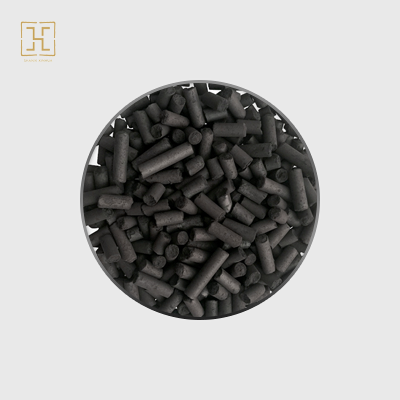
Understanding No-Wash Coal-Based Activated Carbon
Manufacturing Process and Quality Control
The first step in our process is carefully choosing high-grade anthracite coal based on its low impurity profile and high structural density. The material is carbonized under controlled conditions at temperatures above 800°C. It is then activated by steam, which creates a network of many tiny pores. The unique post-activation treatment of this product makes it stand out: mechanical cleaning gets rid of surface fines, and multistage air classification makes sure that particles are spread evenly across mesh sizes that can be customized from 6-12 to 8-30 mesh. Each batch of carbons goes through strict turbidity tests and achieves NTU values below 10 within minutes of contact with water. This is very different from regular carbons, which give off black waste for hours.
Key Technical Specifications
The performance profile shows how materials science has improved over the years. The iodine adsorption values are always between 600 and 800 mg/g, which shows that they have a strong ability to remove organic contaminants. The ash content is carefully kept at ≤10%, which maximizes the active adsorption sites and keeps the mechanical strength above 85%, as shown by ball-pan hardness tests. The moisture level stays below 10% so that the food doesn't go bad too quickly while it's being stored. The pH range of 6.0 to 10.0 makes sure that it can work with both acidic and basic process streams without starting any chemical reactions that aren't wanted. Values of methylene blue greater than 80 mg/g show that the material is effective against dye molecules and other similar industrial colorants.
Safety and Compliance Features
Environmental engineers focusing on drinking water applications value the strict quality controls used in producing No-wash coal-based activated carbon, especially regarding heavy metal limits and sanitary performance. The manufacturing process for No-wash coal-based activated carbon maintains lead levels below 0.05 parts per million (ppm) and arsenic levels below 0.01 parts per million (ppm), meeting GB 5749 requirements and international drinking water safety standards. The sterilization process applied to No-wash coal-based activated carbon keeps microbial counts below 10 CFU/g, reducing concerns about biological contamination during storage, transportation, and system operation. With these advanced safety controls, No-wash coal-based activated carbon is suitable for various applications, including industrial wastewater treatment, electroplating effluent purification, and municipal drinking water systems. The reliable quality of No-wash coal-based activated carbon helps facilities achieve effective purification performance while maintaining strict hygiene and environmental protection requirements.
How No-Wash Coal-Based Activated Carbon Simplifies Water Filtration Processes
Operational Challenges with Conventional Carbon Media
When standard carbons made from coal get to the building walls, they need to go through a lot of commissioning steps. Plant managers have to set aside special tanks for rinsing, redirect process water for backwashing cycles that last between 2 and 4 hours, and take care of getting rid of the cloudy rinse water that contains carbon fines. This process uses 300 to 500 gallons of water for every ton of carbon, takes a long time, and delays output plans. The black water effect happens when loose carbon dust and activation leftovers that are still around stick to particle surfaces. In addition to being a visual pain, these fines move further downstream, fouling membrane systems, clogging valve assemblies, and setting off false readings in turbidity monitors that cause unplanned shutdowns.
Immediate Installation and Resource Savings
These problems are solved by pre-treated carbon, which removes dust at the factory level and stabilizes the surface. Facilities that treat water can move materials straight from shipping containers into adsorption tanks, backwash filters, or automatic dosing hoppers, without having to clean them first. This streamlined method cuts commissioning time by 60–75%, which means that projects are finished faster and contract engineering firms start making money sooner. The benefit of saving water is especially useful in places where supplies are limited or where city rates are high. When companies replace their carbon media every three months instead of once a year, they save about 1,200 to 2,000 gallons of water per ton compared to other options. Also, the life of the equipment gets longer because the rough carbon dust speeds up the wear on pump seals, control valves, and flow meters.
Performance Validation in Industrial Settings
When mixed industrial and household wastewater flows through municipal wastewater plants, they have seen big changes after moving to pre-treated media. One plant that processes 8 million gallons of water every day said that the number of filter backwashes had dropped by 40% and that repair calls for carbon fines in UV treatment units further downstream had almost stopped. The well-designed microporous structure effectively removes organic impurities, phenolic compounds, and leftover drugs that are becoming a bigger worry for regulatory agencies. Electroplating operations that use the material to lower hexavalent chromium have consistently met discharge limits below 0.05 mg/L without having to deal with the hassles of getting rid of rinse water or describing changes in turbidity during permit renewals.
Key Factors When Choosing No-Wash Coal-Based Activated Carbon for Industrial Use
Comparative Analysis of Carbon Types
When procurement teams look at different filtration media choices, they often compare coal-based goods to those made from coconut shells and wood. Because they have a mesoporous structure that works well with the microporous network, carbons that come from coal are great for using with bigger organic molecules like dyes, surfactants, and industrial solvents. In some drinking water situations, coconut shell versions offer better hardness and longer service life, but they come at a higher cost that might not work with the economics of big industrial treatment. The pre-treated coal product saves 15–30% on the cost per kilogram and still has the right level of adsorption for 80% of industrial water purification needs.
Certification and Regulatory Alignment
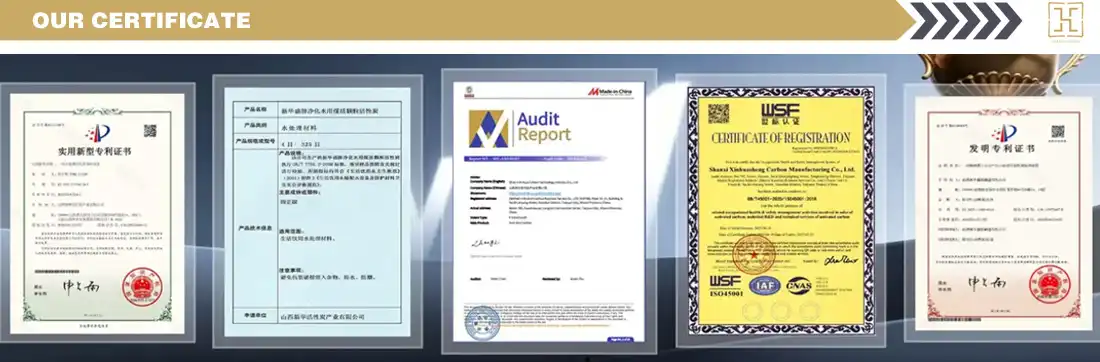
Quality assurance documentation is the foundation for making confident procurement decisions when selecting No-wash coal-based activated carbon. Manufacturers of No-wash coal-based activated carbon maintain ISO 9001 quality management certification, ISO 14001 environmental management certification, and ISO 45001 workplace health and safety compliance to demonstrate that production processes are systematically controlled. These certifications verify that every stage, from raw material inspection to final packaging, follows established quality procedures. For drinking water applications, No-wash coal-based activated carbon requires additional verification to ensure safety and reliability. Products used for potable water treatment should meet relevant cleanliness approvals and comply with standards such as AWWA B604 for granular activated carbon applications. Certificates of Analysis provided with No-wash coal-based activated carbon include important parameters such as iodine number, ash content, hardness, and turbidity performance, allowing quality control teams to confirm that the material specifications match procurement requirements before integration into treatment systems. The detailed documentation of No-wash coal-based activated carbon supports traceability, regulatory compliance, and long-term operational confidence.
Application-Specific Selection Guidance
When you match the properties of carbon to the needs of the process, you get the best technical performance and return on investment. The 8–30 mesh size range is good for chemical decolorization projects because it gives the right amount of pressure drop and contact time in packed bed reactors. For rapid gravity filters with flow rates of 5 to 10 gallons per minute per square foot, municipal drinking water plants usually ask for 6 to 12 mesh. The adjustable mesh size works with a range of vessel shapes, from small media beds in package plants to deep bed contactors in large-scale systems. Process engineers should also think about whether or not the material can be regenerated. Thermal reactivation is still possible, and this material's low ash content and structural stability allow it to be used more than once before it becomes economically necessary to replace it.
Procuring No-Wash Coal-Based Activated Carbon: Best Practices for Global B2B Clients
Supplier Evaluation and Due Diligence
Getting to know dependable makers is the best way to avoid problems in the supply chain that could delay projects. We suggest checking the production capacity by visiting the facility or having a third party do the checks. It is also important to make sure that providers keep a dedicated inventory of key specs instead of depending on just-in-time manufacturing. Our company has production bases in Shanxi, Ningxia, Fujian, and Xinjiang. Together, they produce 45,000 tons of goods every year, which means that we always have standard products in stock. This geographic spread gives you a backup plan in case something goes wrong in your area, and it also puts your goods near major transportation routes to speed up delivery. It's also important to be able to work together technically. Our relationships with Tsinghua University, Central North University, and the Chinese Academy of Sciences allow us to create custom formulations when standard goods need to be changed for specific uses.
Pricing Models and Volume Considerations
The price of carbon takes into account the costs of raw materials, the energy needed to activate them, and the different costs of shipping to different places. Bulk orders of more than 20 tons usually get savings of 8–12% compared to spot purchases. Framework supply deals that lock in quarterly amounts can keep prices stable, which is good for planning budgets. For normal mesh sizes, the minimum order quantity is usually one ton. However, for custom specifications, bigger minimums may be needed to support production runs. For international deals, the usual payment terms are a 30% deposit and the rest of the payment after receiving a copy of the bill of lading. Letters of credit can be used by first-time buyers who need trade finance. Standard orders are delivered between 7 and 15 days, and we have a 24-hour reaction strategy for urgent needs. When projects run behind schedule or miss deadlines, we use fast shipping routes to meet critical needs within three days.
Logistics and After-Sales Support
International procurement of No-wash coal-based activated carbon involves complex logistics coordination, customs clearance procedures, and regulatory documentation requirements. To ensure reliable delivery of No-wash coal-based activated carbon, experienced logistics teams organize multimodal transportation solutions, including ocean freight for standard shipments and air cargo for urgent replenishment needs. Real-time shipment tracking and moisture-resistant packaging help protect No-wash coal-based activated carbon during transportation and maintain product quality throughout the supply chain. Complete export documentation, including commercial invoices, packing lists, certificates of origin, and material safety data sheets, is prepared according to the regulatory requirements of the destination market. Technical support for No-wash coal-based activated carbon continues beyond delivery, with application engineers providing guidance on media loading procedures, backwash protocol development, and performance troubleshooting. Sample requests for No-wash coal-based activated carbon are prioritized, and 500-gram evaluation samples can be provided within 48 hours to accelerate testing and supplier qualification processes.
Future Trends and Innovations in Activated Carbon for Industrial Water Filtration
Technological Advances in Production
The activated carbon industry is always changing as new process innovations improve the properties of materials and make production more efficient. New developments in controlled activation atmospheres make it possible to finetune the pore size distribution more precisely. This makes media that are best for certain molecular weight ranges of contaminants. Adding catalytic impregnation during activation adds oxidative breakdown capabilities, which lets pollution be treated in a single step instead of needing separate biological or chemical oxidation steps. These changed carbons have a lot of potential for treating new contaminants like microplastics and per- and polyfluoroalkyl substances (PFAS) that are hard to filter out with regular methods.
Smart Filtration and Predictive Maintenance
IoT sensor networks and data analytics are being used more and more in industrial water treatment to make operations run more smoothly. Monitoring the factors that affect the quality of the effluent in real time and measuring the difference in pressure across the carbon beds make it possible for predictive algorithms to change the media based on how badly it is working instead of at set times. This condition-based maintenance cuts down on change-outs that aren't needed and stops breakthrough events that make discharge compliance harder to achieve. Integrators of systems now make activated carbon vessels with built-in sampling ports, automated backwash controllers, and wireless telemetry that connects to cloud-based platforms. From these platforms, environmental engineering teams can monitor multiple sites from a central dashboard.
Regulatory Drivers and Market Growth
In North America, Europe, and Asia, water quality standards are getting stricter, which increases the need for more advanced filter media. As the U.S. EPA continues to look over industry discharge licenses and limits on contaminants in drinking water, facilities need to quickly improve their treatment capabilities. Manufacturers are under pressure to use less process water because of sustainability rules. This makes ready-to-use carbon media more appealing from both an operational and a business duty point of view. Analysts predict that industrial activated carbon will grow at a rate of 6-8% per year until 2030. Pre-treated versions will gain more market share as customers realize the benefits of lower total cost of ownership. Strategic procurement teams get ahead of the competition by building relationships with suppliers who can offer technical customization, fast delivery, and quality systems that have been shown to work with this change.
Conclusion
Pre-treated absorbent media such as No-wash coal-based activated carbon represents an important advancement in industrial water purification by addressing long-standing challenges that affect plant efficiency and project implementation. The ready-to-use characteristics of No-wash coal-based activated carbon provide advantages for environmental engineers, procurement managers, and facility operators in manufacturing, petrochemical processing, and municipal water treatment applications. With improved technical performance and simplified installation requirements, No-wash coal-based activated carbon helps facilities achieve reliable filtration results while reducing preparation time and operational complexity. The proven cost benefits of No-wash coal-based activated carbon make it an attractive solution as environmental regulations become increasingly strict and companies focus more on operational excellence. Selecting No-wash coal-based activated carbon supported by comprehensive quality management systems and responsive technical assistance has become a strategic decision for organizations seeking long-term filtration efficiency and dependable water treatment performance.
FAQ
How does pre-treated carbon compare to standard washed carbon in actual field performance?
Field data from municipal and industry sites shows that the adsorption performance is the same or better, and the process of changing the media doesn't take as long (2-4 hours). The factory process for getting rid of dust only gets rid of fines that don't absorb anything, leaving the activated pore structure whole.
Can this material handle the high pH levels in commercial wastewater?
Most industrial uses fall within the pH range of 6.0 to 10.0, but settings that are highly acidic (pH below 3) or caustic (pH above 12) may need specially buffered versions that can be made to order.
What documentation supports compliance with drinking water regulations?
There are batch-specific Certificates of Analysis in every package that show the amount of heavy metals, bacteria, and adsorption performance measures that are in line with GB 5749 and international standards for drinkable water. Hygiene licenses and ISO certifications give regulators even more confidence.
Is it possible for this product to regenerate heat?
The high mechanical strength and low ash content allow for many heat regeneration processes, with 85–90% of the original adsorption capacity being restored each time. If you ask, you can get detailed renewal methods.
Partner with a Trusted No-Wash Coal-Based Activated Carbon Supplier
When it comes to treating industrial water problems, Shanxi Xinhua Carbon Technology Industry Co., Ltd. has more than 60 years of experience in materials science and methods that are good enough for the military. Our pre-treated coal-based activated carbon products have the technical performance that has been proven in thousands of sites and the supply reliability that large-scale businesses need. We keep a large collection of products that meet all standard requirements, work with top research institutions to create unique formulations, and offer global logistics support to make sure your projects stay on track. Our ISO-certified production sites in several provinces ensure consistent quality and a range of transportation options. Our team responds within 24 hours with solutions that are tailored to your application needs, whether you need tons of material for a city project or need it quickly for an emergency. Get in touch with our purchasing experts at greta@carbonxinhua.com to talk about your filter media needs, get detailed data sheets, or set up an evaluation sample. You can see our whole line of products at xhcarbontech.com and learn why environmental engineering firms around the world choose Shanxi Xinhua as their activated carbon supplier.
References
1.American Water Works Association. "AWWA B604 Standard for Granular Activated Carbon." Denver: AWWA Publications, 2018.
2.Bansal, Roop Chand, and Meenakshi Goyal. "Activated Carbon Adsorption." Boca Raton: CRC Press, 2005.
3.Crittenden, John C., et al. "Water Treatment: Principles and Design." Hoboken: John Wiley & Sons, 2012.
4.Marsh, Harry, and Francisco Rodriguez-Reinoso. "Activated Carbon." Amsterdam: Elsevier Science, 2006.
5.Sontheimer, Heinrich, et al. "Activated Carbon for Water Treatment." Karlsruhe: DVGW-Forschungsstelle, 1988.
6.U.S. Environmental Protection Agency. "Granular Activated Carbon Treatment for Drinking Water." Washington, D.C.: EPA Office of Water, 2021.

Send Inquiry
You may like
_1781662034490.webp)