_1778553121707.webp)
KOH Modified Activated Carbon Enhances Industrial Adsorption Performance
Aug 21, 2026
When environmental regulations tighten and emission standards become stricter, industrial facilities face mounting pressure to adopt advanced purification technologies. KOH-impregnated coal-based activated carbon represents a breakthrough solution that combines physical adsorption with chemical neutralization capabilities. This specialized adsorbent material integrates potassium hydroxide loading onto premium coal-based carriers, enabling efficient capture and decomposition of acidic gases, volatile organic compounds, and toxic pollutants. Industries ranging from petrochemical plants to municipal water treatment facilities increasingly rely on this dual-function technology to meet compliance requirements while maintaining operational efficiency and cost-effectiveness in demanding industrial environments.
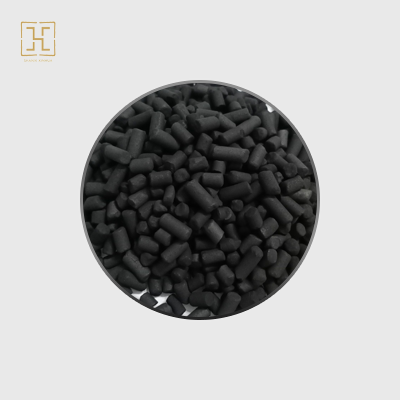
Understanding KOH-Impregnated Coal-Based Activated Carbon
What Makes KOH Modification Different
Using potassium hydroxide in the chemical activation process changes the structure of activated carbon inside out. KOH gets deep into the carbon matrix through controlled impregnation. This makes a bigger network of micropores and mesopores during the next step, which is carbonization. This improvement to the structure makes a lot more surface area available. The iodine adsorption value often goes over 800 mg/g, which directly means that the material can hold more pollutants.
In addition to changing the structure, adding KOH makes the chemicals respond in a way that regular activated carbons can't. Sulfur dioxide, hydrogen sulfide, and chlorine gas are acidic pollutants that can be directly neutralized by potassium hydroxide because it is alkaline. This way of chemisorption works really well for cleaning up acidic waste from factories, where regular physical adsorbents would let the acidic parts pass through. The changed carbon keeps its pH level between 11.0 and 13.0, which means it will keep neutralizing for as long as it's used.
Performance Characteristics and Technical Specifications
Our KOH-impregnated coal-based activated carbon provides quantifiable performance benefits across key factors. The amount of potassium hydroxide can be changed from 5% to 20% depending on the application needs and the pollutants that need to be removed. Mechanical strength stays high, with carriers made from wood reaching 90% or higher and those made from coal staying at least 85%. This keeps the structure strong during handling and regeneration cycles.
The amount of moisture is kept below 10%, which keeps the adsorption sites available for real pollutant removal and stops the material from becoming too saturated too soon. The material has an amazing ability to absorb sulfur dioxide (more than 150 mg/g), which is very important for businesses that burn high-sulfur fuels or process chemicals. Particle size can be changed from 8 to 30 mesh for fixed-bed reactors to 20 to 40 mesh for specific filter tasks, so it can work with a wide range of equipment configurations.
Environmental and Sustainability Considerations
Strategies for reducing waste that are in line with the principles of the circular economy are used in the production process. Thermal regeneration brings back up to 85% of the original adsorption capacity of used KOH-impregnated coal-based activated carbon while salvaging leftover potassium compounds for use in manufacturing. Compared to single-use filter media, this ability to regenerate makes it last longer and takes up less space in landfills.
A low ash level of less than 3% reduces secondary pollution during dumping or regeneration, which meets strict environmental standards for dealing with hazardous garbage. Thermal and chemical regeneration methods can both be used on the material. This gives facilities the freedom to choose the recovery methods that work best for their infrastructure and budget. This environmental profile meets the needs of companies that are being asked to be more responsible while also saving money by making materials last longer.
Performance Comparison: KOH-Impregnated vs Traditional Activated Carbons
Adsorption Efficiency Across Application Scenarios
Traditional carbons that are triggered by steam only work by physically absorbing molecules through van der Waals forces. This makes them less effective against acidic gases with low molecular weight. KOH-impregnated coal-based activated carbon combines chemical reaction with physical trapping, making it able to do breakthrough things that regular materials can't do. Higher mesopore structure speeds up mass transfer, cutting treatment time from hours to less than 30 minutes for VOC removal. Regular activated carbon takes hours.
Field data from petrochemical facilities shows that KOH-impregnated coal-based activated carbon remove 40–60% more sulfur dioxide than physically activated materials that are used in the same way. This performance gap gets even bigger in places with a lot of wetness, since moisture interaction usually makes regular carbon less efficient. The chemical adsorption mechanism still works even when the physical pore surfaces are full, so the process conditions don't change how the purification works.
Another area where KOH-impregnated coal-based activated carbon produces better results is heavy metal removal from industrial wastewater. The alkaline surface chemistry helps metal ions dissolve and form complexes with other ions, which works with the physical entrapment in the pore network. When municipal water treatment plants move from regular granular activated carbon to KOH-impregnated coal-based activated carbon options, they get 25–35% better at removing mercury and lead. This has a direct effect on meeting drinking water safety standards.
Durability and Performance in Regeneration
Long-term economic survival for big industrial users depends on the area's ability to regenerate. KOH-impregnated coal-based activated carbon can handle several thermal regeneration cycles with little loss of capacity. After five regeneration cycles, it usually still works 80–85% of the time. During thermal treatment, the potassium hydroxide part works as a catalyst, helping to completely oxidize the organic chemicals that have attached to the carbon at lower temperatures than are needed for carbon that has not been changed.
This means that procurement managers can plan their inventory and replace items on predictable schedules. In demanding situations, regular activated carbon might need to be replaced every 6 to 8 months. But KOH-impregnated coal-based activated carbon that has been properly regenerated keeps working for 18 to 24 months. The longer repair interval cuts down on working delays, logistics costs, and the amount of carbon dioxide released when parts are replaced too often.
Economic Analysis for Industrial Procurement
Even though KOH-impregnated coal-based activated carbon costs more per unit at first (30–45%), it has big benefits when you look at the total cost of ownership. In most industrial settings, the annualized treatment costs go down by 20 to 35 percent because the system lasts longer, can handle more pollution, and can grow back. Even more money is saved by facilities that process high-sulfur exhaust streams or acidic wastewater because they use less material and pay less to get rid of it.
Modified carbon's consistent performance lowers process inconsistency, which lowers the risk of breaking the rules and the fines that come with them. Environmental engineers like how reliable this is when they are taking on projects where performance promises come with financial risk. Lifecycle value is becoming more important in purchasing choices than purchase price. This is leading to the use of advanced materials that provide real operating benefits beyond just lowering costs.
Manufacturing Process of KOH-Impregnated Coal-Based Activated Carbon
Raw Material Selection and Preparation
The production process starts with carefully choosing high-quality coal sources that have a lot of fixed carbon and few mineral impurities. Anthracite and bituminous coals from certain rock types make the best bases because they have natural pore structures that react well to chemical action. Crushing, screening, and pre-carbonization are all steps that are taken on raw coal to make the particles more evenly distributed and get rid of volatile compounds that would get in the way of the next step, impregnation.
At this point, strict tests are done on the ash content, sulfur levels, and mechanical strength to make sure that only good material goes into the activation process. Shanxi Xinhua Carbon Technology Industry Co., Ltd. has strict requirements for its raw materials that come from decades of production experience. To make sure that the quality of each batch of products is the same, the company uses its ties with high-quality coal providers. This base is very important for making sure that the finished absorbent material works the same way every time.
Impregnation and Activation Process
During the impregnation phase, prepared carbon is slowly immersed in potassium hydroxide solutions that have been carefully prepared. Concentration, temperature, and time are changed based on the loading rates and pore structure traits that are wanted. Using vacuum or pressure-assisted ways makes sure that the KOH goes deep into the carbon matrix and doesn't just coat the top, which would quickly wear off during use.
After being impregnated, the material is dried in a controlled way to get rid of extra water while keeping the KOH distribution even. After that, the activation takes place in special furnaces with carefully controlled temperature profiles, usually between 700°C and 900°C in an atmosphere of harmless gas. Potassium hydroxide reacts with carbon atoms during this heat process, making new micropores and widening old pore pathways. Precise temperature control stops carbon from gasifying too much, which would damage the mechanical integrity, and makes sure that the whole process is activated.
Post-activation processing includes checking the final quality, cooling, and sizing. Each batch of production goes through a lot of tests that check its iodine adsorption value, mechanical strength, KOH loading percentage, and its ability to adsorb specific pollutants. Only materials that meet all the requirements are allowed to be packaged and sent out. This makes sure that customers get the same level of performance no matter when they place their order or where the production takes place.
Customization Capabilities for Diverse Applications
Our production infrastructure allows for a lot of customization to meet the needs of each customer. You can change the activation settings to change the spread of pores, which makes the material work best for the molecular sizes of the pollutants you want to remove. Surface area growth runs from 800 to 1200 m²/g, based on the needs of the application. Higher values are better for capturing volatile organic compounds, while lower values are better for adsorbing bigger molecules.
Powder, granular, columnar, and honeycomb shapes are all examples of particle form flexibility. Each has its own benefits for different types of equipment and process flows. Columnar formats work best in fixed-bed reactors that need very little pressure drop, while granular forms work best in fluidized-bed systems. Custom packaging, private labeling, and formulation changes that add functional ingredients other than potassium hydroxide are all things that OEM manufacturers can do.
This ability to customize solves a major problem for business customers who have a hard time discovering off-the-shelf goods that perfectly fit their needs. During the planning phase, environmental engineering companies working on specialized projects can benefit from working together with other engineers to make sure that the adsorbent standard fits in perfectly with the overall system architecture. Our research partnerships with Tsinghua University and the Chinese Academy of Sciences give us access to the most up-to-date information in material science, which we use to guide custom development projects.
Industrial Applications of KOH-Impregnated Activated Carbon
Gas-Phase Purification in Chemical Processing
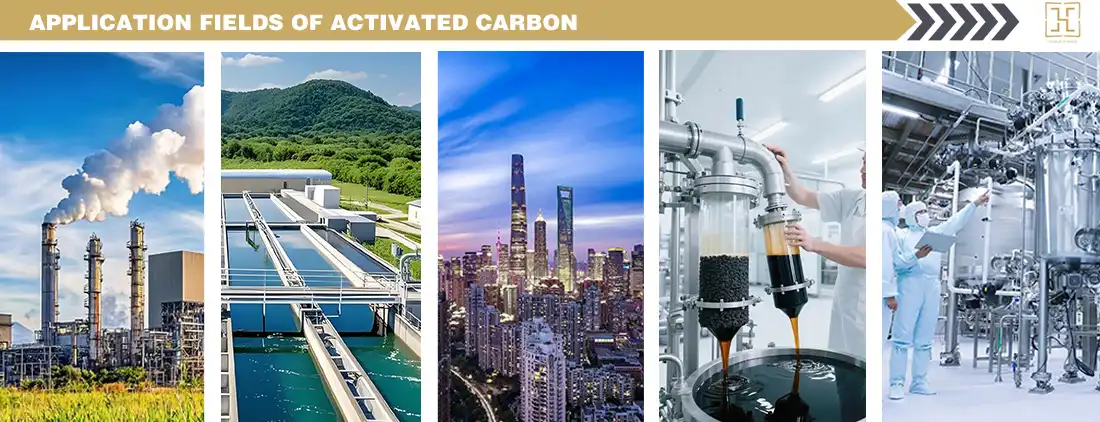
Chemical factories and petrochemical companies make pollution streams that are very complicated. They contain acidic gases, organic solvents, and small amounts of toxic substances. KOH-impregnated coal-based activated carbon put into multi-stage scrubbing systems neutralizes hydrogen sulfide, sulfur dioxide, and chlorine well while also collecting benzene, toluene, and xylene fumes. When compared to separate neutralization and adsorption units, this one unit's dual purpose makes it smaller.
Power plants that use high-sulfur coal or petroleum coke use these modified carbons in flue gas desulfurization systems to get pollution levels that meet stricter and stricter air quality standards. By neutralizing acidic parts before they condense in cooler parts of exhaust systems, the alkaline nature keeps equipment further downstream from rusting. Compared to regular activated carbon installations that break down quickly in acidic environments, these installations need much less maintenance.
Water Treatment and Heavy Metal Removal
In the third stage of filtration, KOH-impregnated coal-based activated carbon is used by municipal drinking water treatment plants to get rid of taste, odor, and small amounts of contaminants. Low ash and controlled heavy metal levels in the material make sure it meets NSF/ANSI Standard 61 for drinking water system components, which is a very important safety requirement for the public. The improved mesopore structure speeds up the removal of disinfection leftovers and medicine residues that are hard for regular grainy activated carbon to get rid of properly.
The material's ability to treat multiple types of contaminants at the same time makes it useful for treating wastewater in factories. Chemical precipitation and adsorption work together to keep mercury, chromium, and lead levels below the standards for discharge in electroplating plants. The alkaline pH helps neutralize the acidic wastewater and encourages the formation of metal hydroxide, which is then trapped by the porous structure of the carbon.
Specialized Applications in Safety Equipment
KOH-impregnated coal-based activated carbon is used in military and industrial lung protection tools to keep people safe from chemical weapons and dangerous industrial chemicals. The quick chemisorption that potassium hydroxide loading provides is necessary to neutralize nerve agents and suffocate gases in the milliseconds that are needed to keep people safe. Quality control protocols at the defense level ensure complete dependability in conditions that could kill you.
This material is used in laboratory fume hood screens and analysis instrument exhaust scrubbers to keep people safe and keep dangerous research chemicals from getting into the environment. The reliable performance and long service life cut down on the number of times that important safety systems need to be maintained, where workers are exposed to danger when they change filters. Each batch comes with regulatory compliance paperwork that makes safety audits and quality management system requirements easier.
Procurement Guide for KOH-Impregnated Coal-Based Activated Carbon
Evaluating Supplier Qualifications and Quality Assurance
When looking for a reliable supplier, you need to check their manufacturing skills, quality control systems, and expert help infrastructure. With ISO 9001 quality management approval, production processes are written down and can be tracked all the way through production. If a supplier has ISO 14001 environmental management certification, it means they are operating responsibly and having a low impact on the environment. Getting ISO 45001 approval for health and safety at work shows that you care about worker safety and doing business in an honest way.
Ask for full technical data sheets that list all performance factors and test method sources. Reliable suppliers give certificates of analysis that are specific to each batch and show the actual values that were measured, not just the ranges that were specified. Find out what the quality control laboratory can do, such as what analysis tools are available and how often tests are done. Being able to do tests that are specific to a customer and go beyond standard parameters shows that you are technically skilled and focused on the customer.
Understanding Customization Options and Lead Times
Standard product delivery usually takes between 7 and 15 days after the order is confirmed, but this depends on how many items are being shipped and where they are going. KOH-impregnated coal-based activated carbon formulas with specific KOH loading percentages, particle sizes, or performance improvements make lead times 15 to 30 days longer to suit different production schedules. Most of the time, emergency needs can be met through faster processing channels. For example, some suppliers offer 3-day delivery for tight deadlines.
Minimum order amounts depend on the type of product and the level of personalization. Standard grades may be offered in as little as one ton, but highly customized formulations may need at least five tons of sales to make it worth setting up production. Talk to possible sellers about inventory management options, such as consignment deals or scheduled delivery programs that make sure materials arrive on time for projects.
Sample Testing and Performance Validation
Before placing a large order, you should always ask for representative samples. When pilot tests are done correctly, they show how the material works in real-world situations instead of just how it should work in the lab. Give suppliers detailed information about the application, such as the types of pollutants, their concentrations, flow rates, temperature, and humidity, to make sure that the samples they send you meet your exact needs.
Before testing, make sure there are clear performance acceptance criteria in place. These should include target removal rates, breakthrough time requirements, and mechanical durability standards. Write down the test procedures and outcomes to make a standard for future reviews of materials and comparisons of suppliers. Reliable suppliers like strict testing because it shows that the product is of good quality and makes customers trust the supplier.
Conclusion
In a variety of challenging industrial uses, KOH-impregnated coal-based activated carbon outperforms other adsorbents in terms of performance. The improved pore structure, chemical neutralization ability, and renewal potential work together to solve important problems in cleaning the air, treating water, and controlling harmful gases. This material works reliably in harsh working conditions, which is helpful for industrial facilities with strict emission standards. Its long service life and ability to regenerate itself also offer strong economic benefits. As rules about the environment get stricter around the world, companies that invest in new adsorption technologies will be better able to follow the rules and run their businesses efficiently.
FAQ
Why does KOH impregnation work better than physical activation?
Chemical activation with potassium hydroxide develops the pore structure more than activation with steam or CO₂ alone. This leads to a larger surface area and a more even distribution of pore sizes. The alkaline part adds chemical adsorption and neutralization abilities that physically activated materials don't have. This lets the material capture acidic pollutants that would normally pass through regular carbon. This dual-mode operation makes it easier to use in more situations and more efficiently overall.
Can KOH-impregnated activated carbon be regenerated and reused?
After the right treatment at controlled temperatures, thermal regeneration successfully recovers 80–85% of the original adsorption capacity. The potassium hydroxide part speeds up the breakdown of organics that have been adsorbing, which lets the KOH-impregnated coal-based activated carbon be reused at lower temperatures than usual. Multiple renewal processes increase the material's useful life to 18 to 24 months in most commercial settings. This makes the lifecycle costs much lower than with single-use adsorbents.
What are typical lead times for bulk orders?
Standard product configurations usually ship 7–15 days after an order is confirmed, as long as the materials are in stock. For customized formulations that need specific KOH loading percentages or particle size distributions, it takes 15 to 30 days to make sure that the production schedule works. Priority processing channels can often speed up emergency needs, and based on the amount and complexity of the arrangements, some urgent orders can be completed within three days.
Partner with a Trusted KOH-Impregnated Coal-Based Activated Carbon Supplier
Shanxi Xinhua Carbon Technology Industry Co., Ltd. serves industrial users around the world with over 60 years of experience making activated carbon and defense-grade quality control systems. Our wide range of products comes in columnar, granular, and powdered forms, and you can fully customize the pore structure, KOH loading levels, and particle specs. We can quickly meet both standard and urgent needs because our production facilities are strategically placed across several provinces and we keep all of our core goods in stock. Our expert team works closely with Tsinghua University and the Chinese Academy of Sciences to improve the performance of materials and keep prices low so that large amounts of them can be bought by businesses. Email our team at greta@carbonxinhua.com to talk about your specific application needs, get performance samples, or get detailed quotes for your next project. You can look at our full range of industrial adsorption solutions at xhcarbontech.com. We offer helpful technical documentation and quick customer service.
References
1. Marsh, H., & Rodríguez-Reinoso, F. (2006). Activated Carbon. Oxford: Elsevier Science.
2. Bandosz, T. J. (2006). Activated Carbon Surfaces in Environmental Remediation. Interface Science and Technology, Volume 7. Amsterdam: Elsevier.
3. Lillo-Ródenas, M. A., Cazorla-Amorós, D., & Linares-Solano, A. (2003). Understanding chemical reactions between carbons and NaOH and KOH: An insight into the chemical activation mechanism. Carbon, 41(2), 267-275.
4. Suhas, Carrott, P. J. M., & Ribeiro Carrott, M. M. L. (2007). Lignin – from natural adsorbent to activated carbon: A review. Bioresource Technology, 98(12), 2301-2312.
5. Dabrowski, A., Podkościelny, P., Hubicki, Z., & Barczak, M. (2005). Adsorption of phenolic compounds by activated carbon—a critical review. Chemosphere, 58(8), 1049-1070.
6. Tamon, H., & Okazaki, M. (1996). Influence of acidic surface oxides of activated carbon on gas adsorption characteristics. Carbon, 34(6), 741-746.

Send Inquiry
You may like
_1781662034490.webp)