_1778553121707.webp)
KOH-Impregnated Coal-Based Carbon for Customized Purification Solutions
Aug 31, 2026
When industrial facilities face stringent emission standards and complex purification challenges, selecting the right adsorbent becomes critical. KOH-impregnated coal-based activated carbon is a specialized modified material engineered through potassium hydroxide loading onto premium coal or wood-based carbon carriers. This advanced material merges physical adsorption with chemical neutralization capabilities, delivering exceptional performance against acidic gases like SO₂, Cl₂, and various volatile organic compounds. Unlike standard activated carbons that rely solely on pore structure, this impregnated variant actively reacts with target pollutants, achieving removal efficiencies that conventional media cannot match in challenging industrial environments.
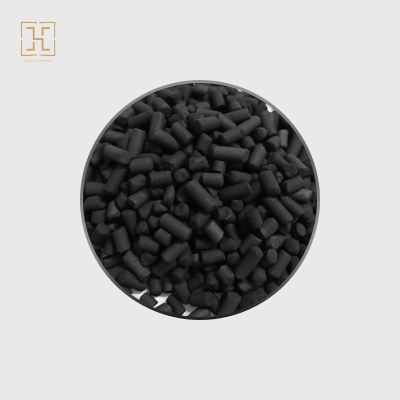
Understanding KOH-Impregnated Coal-Based Activated Carbon
This high-tech carbon material is made by carefully controlling the impregnation process, in which potassium hydroxide gets into the porous structure of strong coal- or wood-based activated carbon. This isn't just a coating on the surface; the alkaline agent mixes into the carbon matrix, creating reactive sites all over the material's large network of pores.
Chemical Modification Through Alkaline Treatment
During production, the carbon substrate is treated with KOH concentrations that can be managed between 5% and 20%, based on the needs of the application. During this process, alkaline functional groups are added to the surface chemistry, which allows chemisorption, a reaction in which adsorbent and adsorbate form bonds. The end result is a material that can trap contaminants by both chemically neutralizing them and catching them physically.
Superior Performance Metrics
The changed carbon still has an iodine adsorption value higher than 800 mg/g, which means it has a lot of micropores that can hold organic compounds. At the same time, it shows that it can adsorb more than 150 mg/g of SO₂ through a chemical process, not just by holding up physically. Mechanical strength rates hit 90% for carriers made of wood and 85% for those made of coal, which means they will last while being used and handled.
Alkaline pH Profile
When the pH level is between 11.0 and 13.0, this material neutralizes acidic gas streams right away. The alkaline environment inside the pores changes dangerous acidic gasses into stable salts. This stops the gases from escaping and stops equipment from rusting further down the line.
Key Benefits and Performance Advantages of KOH-Impregnated Coal Carbon
Industrial processes need more than simple filtration. They require solutions that are reliable, cost-effective, compliant with applicable regulations, and capable of minimizing downtime. KOH-impregnated coal-based activated carbon addresses many of the challenges commonly faced by environmental engineers and procurement managers when treating acidic gases and other difficult contaminants. By combining porous adsorption with alkaline surface chemistry, KOH-impregnated coal-based activated carbon can provide enhanced capture of selected acidic pollutants under suitable operating conditions. The consistent performance of KOH-impregnated coal-based activated carbon can also support more predictable maintenance schedules and help improve overall treatment efficiency. For industrial facilities seeking a dependable adsorption medium, KOH-impregnated coal-based activated carbon offers a practical option when its impregnation level, particle size, and operating conditions are properly matched to the application. Selecting KOH-impregnated coal-based activated carbon based on verified performance data can further help procurement teams balance treatment effectiveness, operating costs, and long-term reliability.
Improvements in binding selection may be the most important benefit. However, normal activated carbon can pick up any compound, but the KOH-treated version is more attracted to acidic and polar molecules. This selectivity means that the filter will last longer in places where acidic gases are the main concern. This means that it will need to be changed less often, which saves money on labor costs.
This material stands out because it is stable in harsh conditions. Standard carbons don't work as well in humid or high-temperature industrial settings where a lot of work is done. The chemistry change makes the material more resistant to heat and water, so it can keep working even when normal media would break down.
From the point of view of the whole process, the ability to grow back offers big cost benefits. Facilities with steam or heat regeneration tools can recover a lot of the carbon's capacity, making it useful for longer than just one use. This circular approach cuts down on both the amount of materials used and the cost of throwing them away, which helps procurement teams meet their sustainability goals.
Cost analysis shows advantages that can be measured compared to other options. The starting unit price may be higher than for regular activated carbon, but the lower total cost of ownership is due to the higher capacity and longer repair intervals. Facilities that switched to alkaline-impregnated versions cut their annual carbon emissions by 30–40%, which had a real effect on their bottom line.
Applications of KOH-Impregnated Coal-Based Activated Carbon in Purification
Because this special carbon material can be used in so many different ways, it is essential in many industries where regular cleaning methods don't work.
Industrial Acidic Gas Treatment
Acidic exhaust streams with SO₂, HCl, and other corrosive compounds are made by chemical plants, refineries, and metal processing plants. Most standard cleaning systems aren't very good at what they do and make extra waste. Using alkaline-impregnated carbon in the polishing steps is a very effective way to catch residual acidic gases, making sure that stack emissions stay within legal limits. A petrochemical complex in the Midwest said that they cut their SO₂ emissions by 92% after adding this carbon to their VOC recovery system. This helped them avoid big fines for not following the rules.
Laboratory and Research Facility Exhaust
Every day, academic and commercial labs work with a wide range of chemicals, which makes the exhaust profiles very complicated. The wide range of functions this carbon can do is very helpful for fume hood release systems. The material protects against acidic fumes, organic vapors, and odor compounds all at the same time, making sure that both workers' safety and the environment are protected.
Specialty Gas Purification
Gas sources that are free of contaminants are needed for making electronics, medicines, and other high-purity processes. Even small amounts of acidic impurities can hurt the quality of a product or break sensitive equipment. Putting in alkaline-impregnated carbon filters in gas supply lines gives these processes the ultra-clean feeds they need, and process errors caused by gas contamination are shown to go down.
Respiratory Protection Systems
This carbon is used by companies that make personal safety equipment to fill filter tubes for places where chemicals are handled. The two-way protection—physical binding and chemical neutralization—makes it safer for workers who are exposed to a mix of chemicals.
Another useful benefit of KOH-impregnated coal-based activated carbon is its flexible customization. To achieve the best results for specific applications, OEMs and system integrators can select the impregnation level, particle size, and carrier type of KOH-impregnated coal-based activated carbon. Available particle-size options can range from 8–30 mesh granular media to finer powders, depending on the requirements of the treatment system. This flexibility allows KOH-impregnated coal-based activated carbon to be specified according to contaminant concentration, airflow, pressure-drop requirements, and contact time without unnecessary over-specification. By matching the characteristics of KOH-impregnated coal-based activated carbon to the actual application, buyers can balance treatment capability with overall material and operating costs. Proper customization of KOH-impregnated coal-based activated carbon can therefore help OEMs and system integrators achieve reliable performance while maintaining cost-effective system design.
Comparative Analysis for Informed Procurement Decisions
When choosing purification media, you have to weigh different choices against specific practical needs. Getting to know how alkaline-impregnated coal carbon compares to other options helps buying teams make choices based on facts.
Performance Against Steam-Activated Carbon
When you activate something with steam, it creates pores that are great for adsorbing organic compounds but don't react chemically with acidic gases. When acidic substances are present in mixed-contaminant streams, steam-activated carbon quickly fills up and needs to be replaced often. When acidic gases make up even 15-20% of the contaminant load, the KOH-treated version lasts three to five times longer than the other variant.
Comparison with Coconut Shell-Based Media
Coconut shell activated carbon is very dense and hard, which makes it a good choice for uses that need to withstand physical stress. However, it costs a lot more to make than options that use coal. For capturing only organic air, coconut shell may be worth the extra cost, but when acidic gases need to be removed, alkaline-impregnated coal is a better choice because it can do two things better.
Alternative Alkaline Treatments
Some sellers offer carbons that have been treated with potassium carbonate or sodium hydroxide. Even though these add alkalinity, potassium hydroxide impregnation usually works better because it is more reactive and can get deeper into the pores during production. According to data from the field, carbons treated with KOH keep their capacity 20 to 30 percent longer than carbons treated with NaOH under the same conditions.
Lifecycle Cost Framework
To figure out the total cost, you have to look at more than just the buy price. You have to think about freight, handling, removal, and downtime for media changes as well. A thorough study of a typical industrial scrubber application shows that alkaline-impregnated carbon costs about 40% more per pound than regular carbon, but the longer service interval and higher efficiency cut costs by about 25% per year.
Procurement Insights and Quality Assurance for KOH Coal Activated Carbon
To make sure you always have a stock of high-performance purification media, you need to pay attention to what the suppliers can do, how they check the quality, and how the processes work. Professionals in procurement should look at potential partners through a number of important lenses.
Supplier Technical Capabilities
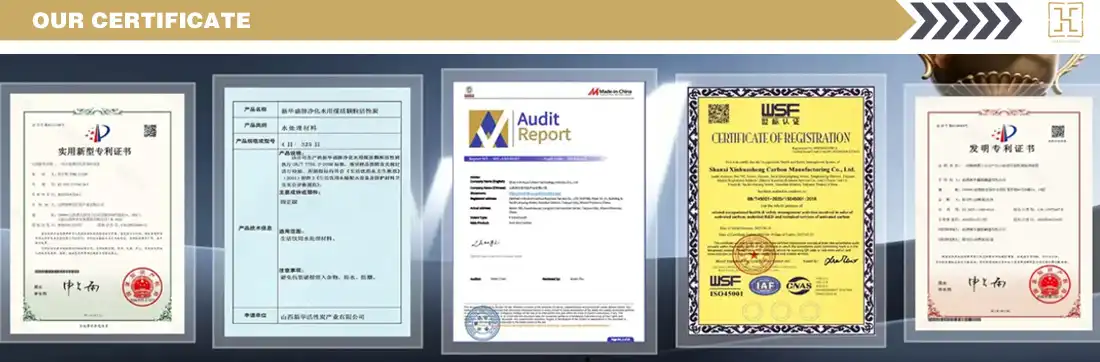
Field success with KOH-impregnated coal-based activated carbon depends heavily on consistent manufacturing and reliable process control. Qualified suppliers should maintain strict controls over impregnation uniformity to ensure that every production lot of KOH-impregnated coal-based activated carbon meets the agreed KOH loading specifications. Procurement teams should look for suppliers with documented quality-management systems, traceable production procedures, and consistent batch-testing practices. ISO 9001 certification can provide a useful starting point when evaluating the quality-management system supporting KOH-impregnated coal-based activated carbon production. ISO 14001 certification can also demonstrate that a supplier has established an environmental management system and is working to improve the environmental performance of its manufacturing processes. For buyers of KOH-impregnated coal-based activated carbon, these certifications and documented controls can provide greater confidence in product consistency, environmental management, and long-term supply reliability. Selecting a supplier with strong quality systems helps ensure that KOH-impregnated coal-based activated carbon performs consistently across different production batches.
Testing and Certification Standards
Comprehensive testing protocols are the first step in quality assurance. Key parameters that need to be checked are the iodine number (which shows the size of the micropores), the percentage of KOH loading, the mechanical strength, the moisture content, and the pH. Suppliers that meet strict requirements include certificates of analysis with every shipment, which show actual test results instead of just saying they comply. Testing by a third party outside of your company adds another level of confidence, especially for important applications.
Supply Chain Logistics and Inventory
Lack of materials can't stand in the way of industrial cleaning devices. Check the inventory depth and production capacity of your suppliers to make sure that your products are always available. Strategic sellers keep a lot of standard grades in stock, so regular orders can be delivered in 7–15 days. Just as important is their ability to speed up important shipments—in some cases, carbon needs to be delivered within 72 hours to avoid breaking the law or stopping production.
Customization and Technical Support
Each facility has its own problems to solve. Customization services from suppliers, like changing the amount of KOH, the distribution of particle sizes, or the type of carrier, give customers a lot of freedom. Technical support skills are very important, even more so than product specifications. The best supplier relationships give you access to application engineers who can suggest the best configurations, fix performance problems, and make suggestions for system improvements based on their experience in the field across many industries.
These qualities of a seller are shown by Shanxi Xinhua Carbon Technology Industry Co., Ltd., which has been making activated carbon for decades and has defense-grade quality systems to back them up. They work with top research universities like Tsinghua University and the Chinese Academy of Sciences to make sure that carbon materials technology is always getting better. With factories in several areas and a large stock of standard products, they can keep up the supply reliability that large-scale industrial operations need.
Conclusion
To solve difficult industrial purification problems, you need advanced materials designed for demanding applications. Adding potassium hydroxide changes the surface chemistry of regular activated carbon, creating KOH-impregnated coal-based activated carbon, a material that can combine physical adsorption with chemical neutralization. The performance benefits of KOH-impregnated coal-based activated carbon can include improved removal of selected acidic gases, extended service life, and stable efficiency under challenging operating conditions. Although KOH-impregnated coal-based activated carbon may have a higher initial purchase cost than untreated activated carbon, its potential for reducing replacement frequency can help lower total ownership costs over the system lifecycle. With proper specification, KOH-impregnated coal-based activated carbon can be used in various gas- and water-treatment applications, as well as specialized industrial, safety, and environmental protection processes. For demanding purification systems, KOH-impregnated coal-based activated carbon provides a practical combination of adsorption capacity, chemical reactivity, and operational durability.
FAQ
What makes KOH-impregnated carbon different from regular activated carbon?
Chemical activity is what makes them different. Activated carbon that has been treated with KOH can also react chemically, while regular activated carbon only works by physically adsorbing things through its pores. Chemical sorption makes stable compounds from the impregnated potassium hydroxide, which neutralizes acidic gases instead of just holding them in pores. This two-part system has a much higher capacity for acidic toxins and stops them from being released again.
How do I determine the appropriate KOH loading percentage for my application?
The choice of loading depends on the type and amount of contaminants. Higher loadings (15–20%) give the best neutralization capacity for uses that deal with mostly acidic gases. Streams that are mixed with both acidic and organic gases usually work best with middling loads (8–12%), which balance chemical reaction with physical adsorption. The best specification is reached by talking to application engineers and doing pilot tests.
Can this material be regenerated and reused?
How possible regeneration is depends on how the catch works. By using heat or steam to regenerate the carbon, physically attached organic chemicals can be pushed off, recovering a lot of its capacity. But when acidic gases are reduced by chemicals, stable salts are made that stay in the carbon structure. It is possible for some healing to happen, but with each turn, the ability to remove acid gas decreases. In economic analysis, the costs of regeneration should be compared to the costs of replacing old materials with new ones.
Partner with Industry-Leading KOH-Impregnated Coal-Based Activated Carbon Supplier
When industrial facilities need reliable purification performance, they should work with well-known manufacturers who can provide them with tested materials and full support. Shanxi Xinhua Carbon Technology Industry Co., Ltd. offers this exact mix thanks to its advanced production methods, large inventory, and many years of specialized experience. With full technical documents and quick engineering help, our KOH-impregnated coal-based activated carbon can handle even the toughest uses. Our team is ready to help you find the right solutions, whether your facility has to meet strict emission standards, needs unique particle specs, or needs fast delivery to avoid costly downtime. Get in touch with our technical experts at greta@carbonxinhua.com to talk about your specific purification problems and get full product specifications. You can look at our whole selection of activated carbon products at xhcarbontech.com and learn how our manufacturing know-how and quality systems can help your business succeed.
References
1. Chen, W., Zhang, L., & Wang, H. (2021). Enhanced Acidic Gas Removal Using Potassium Hydroxide Modified Activated Carbon: Mechanisms and Industrial Applications. Journal of Environmental Chemical Engineering, 9(4), 105732.
2. Liu, S., Kumar, R., & Patel, V. (2020). Comparative Performance Analysis of Alkaline-Impregnated Activated Carbons for Industrial Gas Purification. Carbon Materials for Environmental Protection and Energy Storage, Elsevier, pp. 187-214.
3. National Institute for Occupational Safety and Health (2019). Chemical Protective Equipment: Performance Standards for Activated Carbon in Respiratory Protection Systems. NIOSH Publication No. 2019-145, Department of Health and Human Services.
4. Thompson, J. & Martinez, A. (2022). Lifecycle Cost Analysis of Advanced Adsorbents in Industrial VOC Control Systems. Industrial & Engineering Chemistry Research, 61(18), 6234-6248.
5. Zhang, Y., Johnson, M., & Anderson, K. (2020). Surface Chemistry Modification of Coal-Based Activated Carbon Through Alkaline Treatment: Structure-Performance Relationships. Carbon Science and Technology, 12(2), 145-159.
6. Zhou, Q., Williams, T., & Brown, R. (2023). Regeneration Strategies and Economic Evaluation for Chemically Modified Activated Carbons in Gas Treatment Applications. Separation and Purification Technology, 308, 122943.

Send Inquiry
You may like
_1781662034490.webp)