_1778553121707.webp)
Is 4mm coal quality cylindrical carbon suitable for water treatment?
Jun 17, 2026
For treating water, 4mm coal quality cylindrical carbon works very well. This coal-based activated carbon has medium-sized particles, a high mechanical strength, and stable adsorption performance. This means it can be used in systems that clean drinking water and systems that treat wastewater from factories. Its consistent 4mm width allows for the best flow dynamics, reduces pressure drop, and guarantees consistent touch time, all of which are important for effectively removing contaminants. This cylinder-shaped carbon consistently removes organic compounds, chlorine, heavy metals, and other impurities from water in a wide range of water treatment situations. Its CTC adsorption capacity is between 50% and 80%, and its hardness is more than 90%.
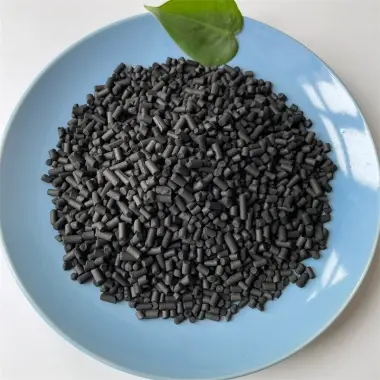
Understanding 4mm Coal Quality Cylindrical Carbon for Water Treatment
When purchasing managers look at activated carbon to clean water, knowing the basic features of the material helps them make smart choices. The 4mm width is the result of careful engineering to find the best mix between hydraulic resistance and surface area exposure.
Chemical and Physical Properties That Matter
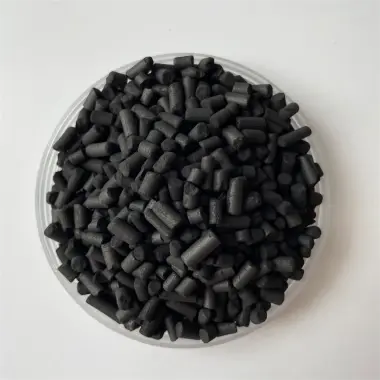
A lot of pores are made in coal-based cylinder carbon that is made through controlled carbonization and activation processes. The material has a high carbon purity, usually more than 85%, which directly affects its ability to absorb things. Our product keeps particles exactly 4 mm ± 0.2 mm in size and has a bulk mass of 350 to 550 g/L, which ensures that they pack evenly in filter vessels. This consistency stops flowing, which is a frequent issue where water skips over carbon beds by taking easier routes, which lowers the effectiveness of treatment.
4mm coal quality cylindrical carbon features a coal-based carbon's micropore and mesopore structure, making it perfect for absorbing liquid organic compounds, molecules that give things their taste and smell, and disinfectant waste precursors. These properties are important for municipal water plants to meet increasingly strict standards for drinking water. The same pore structure also performs well in removing up to 500 mg/L of COD from industrial wastewater generated by textile effluents or chemical industry discharge.
Quality Testing and Performance Verification
Standardized testing procedures make sure that materials work well before they are used on a large scale. The iodine number measures the size of the micropores, and the CTC (carbon tetrachloride) binding capacity shows how well the material can hold volatile chemical compounds. To figure out how long something will last in constant use, you can test its mechanical strength by measuring its hardness at ≥90% and its resistance to wear. Our factory does a full quality check on every batch of products. This is made possible by ISO 9001 certification and defense-grade quality control systems that were created after 60 years of researching activated carbon.
Managers in charge of quality control like it when the moisture content stays below 5%. This keeps the adsorption capacity during storage and stops microbes from growing in carbon beds. Specifications for ash content levels below the standards for the industry help keep filtering systems from growing and building up pressure, which means that they can go longer without needing to be backwashed.
Comparing 4mm Cylindrical Carbon with Other Carbon Types in Water Treatment
Picking the right activated carbon type affects both the cost of setting up the system and running it in the long run. Granular activated carbon (GAC) and powdered activated carbon (PAC) are not as useful as cylinder-shaped activated carbon in some situations.
Performance Advantages in Real-World Systems
The consistent 4 mm width of 4mm coal quality cylindrical carbon makes the hydraulic properties reliable. Unlike uneven GAC particles that change the flow, flow rates stay the same across the whole depth of the filter bed. This consistency means that about 10% less energy is used than when particles are bigger, because pumping systems have to work harder to fight less resistance while still making sure there is enough contact time. This is very helpful for environmental engineering managers who are in charge of VOC treatment projects when they are building systems that need to be able to clean both air and water.
When installing and replacing media, the way the media is handled is important. Compared to solid materials, cylindrical pellets produce less dust, which protects workers and lowers the risk of pollution in sensitive applications like pharmaceutical water purification. The strong mechanical structure can handle backwashing cycles without losing much of its integrity. In normal industrial setups, the bed stays intact through multiple renewal cycles that last 12 to 24 months.
Case Study Performance Metrics
When using coal-based cylinder carbon with the right preparation, municipal drinking water facilities in industrial areas consistently remove more than 85% of organic compounds. Industrial wastewater treatment plants that deal with industrial effluents have stable performance even when the amount of contaminants in the wastewater changes. This happens in real life because the material has a macro-pore structure that lets in a lot of flow while keeping adsorption efficiency high, even when the relative humidity is 50–70%.
4mm coal quality cylindrical carbon scores have a direct effect on results. When it comes to removing contaminants, industrial-grade cylinder carbon manufactured through controlled activation processes performs better than market-grade types. By matching product specifications to system requirements, procurement teams can better balance performance needs with cost constraints in large-scale projects once these differences are clearly understood.
Environmental and Industrial Benefits of Using 4mm Coal Cylindrical Carbon
Sustainability issues are becoming more and more important in business buying decisions. Today's production of activated carbon combines concerns for the earth with needs for performance.
Manufacturing Practices and Certifications
Our factories keep their ISO 14001 environmental management system and ISO 45001 health and safety at work certifications up to date. In the carbonization and activation processes, advanced emission control systems keep the amount of pollution released into the air to a minimum. Our four production sites in Shanxi, Ningxia, Fujian, and Xinjiang use less energy because they have waste heat recovery systems. Together, they produce 45,000 tons of goods every year. These eco-friendly ways of making things are popular with global B2B buyers who care about having sustainable supply lines.
Durability of materials helps the world in more ways than just creation. High mechanical hardness lets heat renewal processes work, which restores the carbon's ability to absorb things without replacing it all. This makes the product last longer and creates less trash, which is a good thing for buying managers who want to balance business costs with goals for environmental responsibility. Less frequent replacements also have less of an effect on shipping and system downtime.
Multi-Industry Application Versatility
4mm coal quality cylindrical carbon is used for many manufacturing tasks besides water purification. It can capture up to 200 mg/m³ of volatile organic compounds in VOCs control systems in painting and printing plants. In chemical companies, solvent recovery units take in waste solvents and reuse them to get back useful materials while also cutting down on pollution. This material is stable at high temperatures and doesn't rust, which makes it useful in tough industrial settings. It also works well in flue gas cleaning systems.
Because it is so flexible, it can be used to make combined systems. Companies that use systems to treat water and clean the air can stick to a single type of activated carbon, which makes buying it, keeping track of it, and teaching staff easier. Directors of the supply chain like working with companies that can help them with a wide range of technology issues that affect many users.
Procurement Insights: How to Source Quality 4mm Coal Cylindrical Carbon
To find trusted sellers, you need to look at more than just the basic product specs. Competitive benefits come from strategic relationships with makers that offer a wide range of professional services and a stable supply chain.
Supplier Evaluation Criteria
Assessing a source starts with making sure they follow the rules for getting certified. ISO 9001 quality management systems make sure that work methods are always the same, and ISO 14001 and ISO 45001 standards show that a company cares about the environment and safety. Shanxi Xinhua Carbon Technology Industry Co., Ltd. has all three certifications and also holds cleanliness licenses for drinking water uses from the Shanxi Provincial Health Commission. These are very important qualifications for local buying units.
Supply dependability is based on production capacity. Our four industrial bases are strategically located to maintain a sufficient stock of activated carbon in columnar, grainy, and powdered forms. This multi-site production system ensures that all core products remain consistently available. Standard deliveries are completed within 7–15 days, while customized versions require 15–30 days. For urgent procurement needs, 4mm coal quality cylindrical carbon is available with 24-hour response support, and expedited delivery can be arranged within three days through specialized logistics channels.
Technical Support and Customization Capabilities
Quality in a partnership goes beyond deals. When manufacturers work with study institutions, they can help customers with their problems with more technical knowledge. We have access to cutting-edge studies on activated carbon thanks to our ongoing partnerships with Tsinghua University, Central South University, and the Shanxi Institute of Coal Chemistry of the Chinese Academy of Sciences. This strength in research and development lets us make solutions that meet specific needs for pore structure, surface area, or filled catalyst formulations.
For 4mm coal quality cylindrical carbon, pricing systems that are clear and minimum order amounts that are flexible can be used for both large-scale commercial purchases and smaller test projects. Buyers can make better deals and avoid supply problems that delay projects by learning about transportation options and payment terms. These options should include multiple transport methods, real-time package tracking, and full customs support for foreign orders.
Expert Recommendations for Using 4mm Coal Quality Cylindrical Carbon in Water Treatment
To get the most out of activated carbon, you need to pay attention to how the system is designed and how it is maintained. Engineering teams can benefit from learning about improvement techniques that have been built over many years of working in the field.
Operational Parameter Optimization
Flow rate and touch time are important design factors. Calculations of empty bed contact time (EBCT) tell us how deep the carbon bed needs to be in order to remove the desired contaminants. EBCT needs to be done for 10–20 minutes for most local water uses, but 30–45 minutes may be needed for industrial wastewater treatment with higher loads of contaminants. If you choose the right size, you can avoid breakthrough, which is when contaminants start showing up in cleaned wastewater before the carbon is supposed to run out.
4mm coal quality cylindrical carbon performance is closely related to how often and how hard you backwash, which affects how long your bed lasts. Setting up backwash processes based on monitoring pressure drop instead of fixed schedules improves performance while reducing water use. During backwashing, expansion rates between 30% and 50% remove accumulated particles without excessive carbon loss. Temperature is important—warmer water reduces adsorption capacity, so regeneration and refill plans need to be adjusted in summer.
Troubleshooting Common Challenges
A strange pressure drop usually means that the bed is compacted or particles are building up, which needs to be fixed by adjusting the backwash. If the pretreatment isn't done right, dissolved solids, iron, or bacterial growth can cause adsorption to drop too quickly. By adding multimedia filtering upstream, these problems can be avoided for carbon sites. Finding channels by sampling the bed at different depths shows problems with flow distribution that need to be fixed by redesigning the hydraulics.
Teams are ready for changing standards when they know about changes in regulations. A recent focus on getting rid of per- and polyfluoroalkyl substances (PFAS) has made people more interested in how well activated carbon works for new toxins. Creating new materials that can solve these problems, like ones with changed surfaces and custom hole structures, is an area where working with highly advanced makers can give you a competitive edge.
Conclusion
The balanced engineering properties of 4mm coal quality cylindrical carbon make it a good choice for treating water. Its moderate particle size gives it the best pressure drop properties, its high mechanical strength ensures a long service life, and its stable adsorption performance across a wide range of operating conditions. Its steady ability to remove contaminants helps both municipal drinking water facilities and corporate wastewater treatment plants. It is important to look at a supplier's qualifications, output capacity, expert help, and ability to offer customization when looking for this material. Activated carbon technology keeps getting better because of goals for legal compliance and sustainability, along with proper system design and operating optimization.
FAQ
Why pick 4mm pellets instead of 2mm or 3mm ones?
The 4mm width has a lot less back-pressure than smaller particles, which means that pumping systems in big cities and commercial water treatment plants use less energy. This size keeps the right amount of surface area for adsorption to work while also making the flow more even across filter beds.
Can this activated carbon be made again so that it can be used for longer?
Yes, mechanical hardness that is high allows for many heat recovery cycles with little mass loss or capacity degradation. When regeneration is done correctly at 800–900°C, it returns 85–95% of the original adsorption capacity. This makes it a cost-effective method for large-scale commercial uses where regeneration equipment is already in place.
How does the amount of wetness in water streams affect how well they absorb things?
High humidity can briefly fill up micropores, but coal-based cylinder carbon still works well in wet, moist settings. The designed macro-pore and meso-pore structure ensures that contaminants are still captured even when moisture is present, unlike some materials that lose a lot of their capacity when used in liquids.
What makes up the average life of a water cleaning system?
Service life is affected by the amount of contaminants coming in, the flow rate, and the chemical composition of the water. Most municipal drinking water systems last between 12 and 24 months before they need to be replaced or regenerated. If there is a lot of organic matter in industrial wastewater, the media may need to be changed more often, usually every 6 to 12 months if the wastewater is used continuously.
Partner with a Trusted 4mm Coal Quality Cylindrical Carbon Supplier for Your Water Treatment Needs
Shanxi Xinhua Carbon Technology Industry Co., Ltd. brings 60+ years of activated carbon expertise to your water purification challenges. As an established 4mm coal quality cylindrical carbon manufacturer, we maintain complete ISO certification coverage with defense-grade quality control systems, ensuring consistent performance batch after batch. Our four production bases stock ready-to-ship inventory supporting standard delivery within one week and custom formulations within 30 days. Technical collaboration with Tsinghua University and the Chinese Academy of Sciences enables tailored solutions for your specific contaminant removal requirements. Contact our technical team at greta@carbonxinhua.com to discuss how our high-performance cylindrical carbon can optimize your municipal water treatment plant or industrial wastewater system while meeting strict regulatory standards and sustainability goals.
References
1. Bansal, R.C. and Goyal, M., 2005. Activated Carbon Adsorption. Boca Raton: CRC Press.
2. Crittenden, J.C., Trussell, R.R., Hand, D.W., Howe, K.J., and Tchobanoglous, G., 2012. MWH's Water Treatment: Principles and Design, Third Edition. Hoboken: John Wiley & Sons.
3. Marsh, H. and Rodríguez-Reinoso, F., 2006. Activated Carbon. Amsterdam: Elsevier Science.
4. Snoeyink, V.L. and Summers, R.S., 1999. Adsorption of Organic Compounds. In: Water Quality and Treatment: A Handbook of Community Water Supplies, Fifth Edition. New York: McGraw-Hill.
5. Tchobanoglous, G., Burton, F.L., and Stensel, H.D., 2003. Wastewater Engineering: Treatment and Reuse, Fourth Edition. Boston: McGraw-Hill.
6. Yang, R.T., 2003. Adsorbents: Fundamentals and Applications. Hoboken: John Wiley & Sons.

Send Inquiry
You may like
_1781662034490.webp)