_1778553121707.webp)
Industrial Wood Activated Carbon Supports Thermal Process Purification and Contaminant Control
Sep 28, 2026
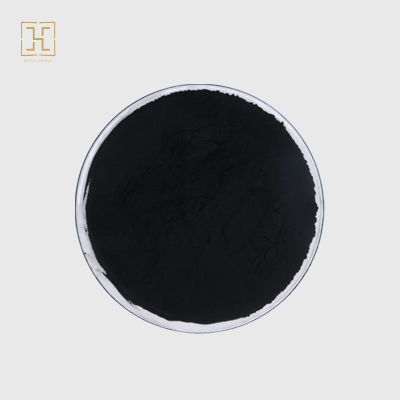
Wood-based activated carbon plays a central role in industrial purification systems, particularly where thermal processes generate complex contaminant loads. Heat source removal from wood-based activated carbon is not merely a safety concern—it directly determines adsorption performance, service life, and regulatory compliance across industries including petrochemical processing, environmental engineering, and municipal water treatment. With a specific surface area often exceeding 1,200 m²/g and a mesopore-dominant structure, wood-based activated carbon offers superior thermal stability and contaminant capture when properly treated and managed throughout its lifecycle.
Understanding Heat Generation in Wood-Based Activated Carbon
The way wood-based activated carbon reacts to heat depends on the type of raw materials used, the activation method, and the setting in which it is used. If engineers know about these ways that speed can go down, they can stop it before it becomes a process problem.
Why Heat Builds Up in Wood-Based Carbon
When wood-based activated carbon is stored or used, it can go through exothermic oxidation when it comes in contact with oxygen in the air. Because it has a lot of organic carbon and open pores, surface reactions happen faster, especially when it's wet. According to a study published in the journal Carbon, self-heating in activated carbon usually starts at surface temperatures above 50°C and speeds up a lot above 80°C, which poses real risks for mass storage.
How Humidity and Oxygen Accelerate the Problem
Moisture on the top of the carbon helps oxidation chemisorption happen, which gives off heat. Wood-based activated carbon has less ash and a more reactive surface than coal-based activated carbon. This makes it more likely to heat up in places with a lot of moisture. Facilities that store a lot of stuff must constantly check the oxygen and relative humidity levels in the air.
Key Performance Indicators to Watch
For Heat source removal from wood-based activated carbon, monitoring changes in key adsorption and chemical parameters can help identify potential thermal damage at an early stage. A decline in iodine value, increased pH drift, or reduced methylene blue adsorption capacity may indicate changes in the carbon's pore structure or surface chemistry following excessive heat exposure. When evaluating Heat source removal from wood-based activated carbon, procurement and quality-assurance teams should establish baseline specifications appropriate to the specific carbon grade and application. For example, an iodine value above 1,000 mg/g and a methylene blue adsorption value above 180 mg/g may be used as internal targets when supported by the product specification and validated testing methods. Any significant deviation from these baseline values should be documented and investigated promptly. Regular testing of Heat source removal from wood-based activated carbon can help identify changes in adsorption performance before they affect downstream processing. By combining baseline testing, thermal exposure monitoring, and batch-level quality records, manufacturers can improve process control and make the evaluation of Heat source removal from wood-based activated carbon more consistent and traceable.
Effective Heat Source Removal Methods for Wood-Based Activated Carbon
A structured approach is needed to manage thermal energy in activated carbon systems. The best way to do something depends on the size of the process, how it's being used, and the specific industrial application.
Mechanical Cooling and Forced Airflow
Mechanical cooling systems, which include heat exchangers and forced-air ventilation paths, are still the most common way to store large amounts of carbon and run active process beds. Surface oxidation is slowed down, and thermal energy is lost when airflow is controlled at low oxygen levels. Integrated airflow management works best in places that have rotating kiln renewal units or fixed-bed adsorption towers.
Advanced Thermal Stabilization Treatment
When made at Shanxi Xinhua Carbon Technology Industry Co., Ltd., our wood-based activated carbon products go through a special heat pre-treatment. This step reduces the amount of flammable matter that is left, keeps the surface functional groups stable, and makes the material less reactive to oxygen. This makes a product that doesn't heat up as easily, which is helpful for petrochemical plants and industrial air purification systems where temperatures change a lot.
Temperature Monitoring Protocols
Using embedded thermocouples or infrared scanning devices to track temperatures in real time lets operations teams find hot spots before they get worse. Best practices in the industry say that storage temperatures should stay below 40°C and that automatic alarm systems should be set to go off at 60°C. These rules, along with picking the right product, are what make safe handling of activated carbon possible.
Procurement Considerations for Heat-Treated Wood-Based Activated Carbon
It takes more than comparing prices per ton to find thermally stable wood-based activated carbon. Supply chain leaders and procurement managers have to look at a supplier's skills in a number of technical and practical areas.
Before you choose a supplier, you should look at these basic buying criteria:
- Thermal pre-treatment verification: Confirm whether the supplier applies documented heat stabilization during production. Request technical data sheets showing residual volatile content and self-ignition temperature ratings.
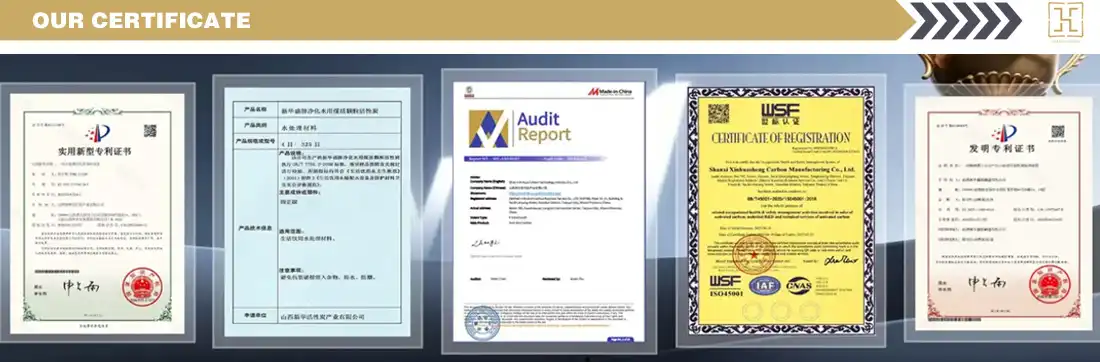
- Certifications and quality systems: ISO 9001, ISO 14001, and ISO 45001 certifications confirm that production is managed under validated quality and environmental controls—not just claimed informally.
- Supply consistency: Large-scale industrial projects require continuous, predictable supply. Suppliers with multiple production bases and confirmed inventory coverage reduce project risk significantly.
- Customization depth: Different thermal processes need different pore architectures. A qualified wood-based activated carbon supplier should offer adjustable surface area, particle size, and pore distribution to match your process specifications.
These criteria can help buyers distinguish technically capable suppliers from commodity-focused vendors when evaluating Heat source removal from wood-based activated carbon. Once a shortlist has been established, procurement and quality-assurance teams should request representative physical samples and arrange appropriate third-party laboratory testing before committing to large-volume purchases. For Heat source removal from wood-based activated carbon, independent testing can verify key specifications such as adsorption capacity, ash content, moisture, pH, iodine value, and other parameters relevant to thermal stability and application performance. This approval process provides additional evidence that the selected material meets the project's technical and compliance requirements. Evaluating samples of Heat source removal from wood-based activated carbon under actual or simulated operating conditions can also help identify performance differences between suppliers before full-scale procurement. By combining supplier qualification, sample testing, and documented approval procedures, buyers can reduce quality-related risks associated with Heat source removal from wood-based activated carbon while keeping project schedules and compliance requirements under better control.
Why Choose Heat-Treated Wood-Based Activated Carbon for Industrial Thermal Processes?
Under long-term industrial settings, it's easy to see the difference in performance between regular activated carbon and heat-treated wood-based activated carbon. Knowing the specific benefits helps technical decision-makers explain to the operations and financial teams why they made the decisions they did about procurement.
Extended Service Life Under High Temperature
Wood-based activated carbon that has been heated keeps its pore structure even at high process temperatures, where untreated material starts to sinter or oxidize. Longer service times lower the number of replacements needed and the costs of labor and waste disposal, which is a key factor in large-scale ongoing operations.
Superior VOC and Toxic Gas Adsorption
The mesopore-dominant structure of wood-based carbon makes it good at catching large organic molecules like hydrogen sulfide, chlorinated VOCs, and compounds in the benzene series. After being thermally stabilized, the surface functional groups stay the same from batch to batch. This makes it easier for regulatory officials to report compliance and predict how well the material will absorb substances.
Alignment With Tightening Emission Standards
The Clean Air Act and the National Emission Standards for Hazardous Air Pollutants (NESHAP) rules from the U.S. EPA keep lowering the levels of VOCs and harmful gases that are allowed. Activated carbon made from wood that has been heated provides the consistent adsorption needed to meet these standards. Suppliers who help make national standards, like Shanxi Xinhua, know about these changes in the rules before they happen.
Case Studies and Best Practices in Industrial Application
Real-world operating experience provides valuable evidence of how temperature management can affect activated carbon performance in measurable ways. In practical applications, Heat source removal from wood-based activated carbon can be evaluated by monitoring temperature exposure, adsorption capacity, pore-structure stability, and changes in key quality parameters before and after thermal stress. Consistent monitoring can help determine whether Heat source removal from wood-based activated carbon is effectively maintaining the material's functional properties under actual operating conditions. For production and quality-assurance teams, Heat source removal from wood-based activated carbon should therefore be assessed through documented operating data, laboratory testing, and comparison with established baseline specifications. This approach allows manufacturers to identify thermal effects more reliably and optimize process controls for Heat source removal from wood-based activated carbon. Over time, accumulated operating data can provide a stronger basis for evaluating the effectiveness and consistency of Heat source removal from wood-based activated carbon in real production environments.
Petrochemical Flue Gas Treatment
In its fixed-bed adsorption tower, a petroleum plant processing unit switched from regular granular carbon to wood-based activated carbon that had been heated first. During 18 months of monitoring, the facility saw a 23% drop in the number of times carbon had to be replaced and kept VOC removal rate above 97%, which was higher than the facility's own internal compliance goal. Less self-heating during high-temperature process changes was the most important factor.
Municipal Water Treatment Application
A city water treatment plant that was using heat-stabilized powdered wood-based activated carbon with a methylene blue value of 220 mg/g to clean up surface water with a lot of organic matter switched to this type of carbon. Complaints about taste and smell went down a lot in the first quarter, and the plant's chemical oxygen demand (COD) reduction got better by about 18% compared to the old carbon grade.
Lessons for Procurement and Operations Teams
It is clear from both examples that thermal stability is not an optional feature; it is a key factor in determining performance. For results to be effective, procurement specifications must match up with actual process conditions, supplier claims must be checked by a third party, and monitoring systems must be kept up to date for the entire life of the carbon.
Conclusion
Wood-based activated carbon can clean reliably in harsh industrial settings as long as its temperature behavior is controlled correctly. Heat source removal from wood-based activated carbon can be accomplished through a mix of pre-treatment during the production stage, temperature control during operation, and carefully chosen purchase choices. When facilities buy high-performance carbon materials that are stable at high temperatures, they always get better compliance results, longer equipment service intervals, and lower total operating costs. The most important choice in this process is choosing the right supplier—one whose professional skills have been checked, whose quality systems have been approved, and whose supply reliability has been shown.
FAQ
What causes activated carbon to generate heat during storage?
Exothermic surface oxidation is what generates heat in activated carbon. When oxygen and water come in contact with carbon, surface functional groups react, and heat is released. Because they have a lot of surface area and organic carbon, wood-based versions are especially reactive.
How does heat affect the adsorption capacity of wood-based activated carbon?
Long-term exposure to heat above 80°C breaks down pore structure by speeding up oxidation processes. This lowers the value of iodine and the ability of methylene blue to adsorb substances, which directly lowers the effectiveness of removing contaminants. This risk is cut down a lot by pre-treating the wood with heat during production.
What standards apply to wood-based activated carbon for industrial use?
ASTM D3860, GB/T 12496, and ISO-certified quality management frameworks are some of the most important standards. AWWA B604 and NSF/ANSI 61 are usually the standards that must be followed for water cleaning uses.
How do I verify a supplier's thermal stabilization process?
Ask for test reports from a third-party lab, material safety data sheets, and production records that show the heat treatment step. Suppliers who are ISO 9001 certified should keep production records that can be tracked.
What particle forms are available for industrial thermal process applications?
It comes in granular, columnar, powdered, and honeycomb shapes, and each one works best in a different type of process. The size and shape of the pores can be changed to meet specific temperature and adsorption needs.
Partner With Shanxi Xinhua for High-Performance Wood-Based Activated Carbon
Shanxi Xinhua Carbon Technology Industry Co., Ltd. makes a wide range of thermally stable activated carbon products made from wood that are used to clean industrial areas. We support projects in the petrochemical, water treatment, and environmental engineering sectors as a major provider of Heat source removal from wood-based activated carbon and hold ISO 9001, ISO 14001, and ISO 45001 certifications. Our team helps with scientific writing, samples, and unique formulations. You can email us at greta@carbonxinhua.com or visit xhcarbontech.com to talk about the needs of your project.
References
1. Bansal, R.C., & Goyal, M. — Activated Carbon Adsorption, CRC Press, 2005.
2. Marsh, H., & Rodríguez-Reinoso, F. — Activated Carbon, Elsevier Science, 2006.
3. U.S. Environmental Protection Agency — Control of Air Pollution from Motor Vehicles and Stationary Sources, EPA Technical Bulletin, 2021.
4. 5Carbon (Journal, Elsevier) — "Thermal Oxidation Behavior of Activated Carbons Under Industrial Storage Conditions," Volume 189, 2022.
5. American Water Works Association — AWWA Standard for Granular Activated Carbon (B604), AWWA, 2020.
6. Crittenden, J.C., et al. — MWH's Water Treatment: Principles and Design, 3rd Edition, Wiley, 2012.

Send Inquiry
You may like
_1781662034490.webp)