_1778553121707.webp)
Industrial Use 200-Mesh Coal Quality Powdered Carbon for Adsorption Applications
Jul 13, 2026
When industrial facilities have to deal with sudden water quality problems or problems that don't go away, they need adsorption materials that work quickly and reliably. The 200-mesh coal quality powdered carbon stands out as a useful option because it has medium-sized particles and a very fast absorption rate. Its microporous structure works well to get rid of dangerous things in water systems, like colourants, organic matter, leftover chlorine, and smells. The treatment results with this powdered activated carbon are quick—often obvious within an hour—and cheap, which is something that coarser alternatives just can't do. This material is useful for purchasing managers and environmental engineers who want to find a balance between performance and operational efficiency. It can be used in chemical pretreatment facilities, beverage production lines, and municipal wastewater plants.
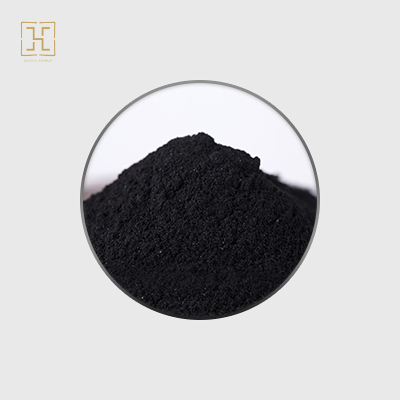
Understanding 200-Mesh Coal Quality Powdered Carbon
What Makes This Material Different
Activated carbon powder that is 200 mesh goes through a normal screen that has holes that are usually 74 microns or smaller. This particular grade makes the best surface area for fast dispersibility in liquids without the handling problems that come with ultra-fine powders. Coal-based varieties have clear structural advantages. Bituminous coal, which is used as a starting material, goes through controlled carbonisation and activation processes that create large networks of micropores. These internal channels allow for a lot of adsorption while still being strong enough to last through the mixing and separating stages.
Key Performance Specifications
In the real world, performance is measured by technical indicators. Iodine numbers between 700 and 1100 mg/g show that small organic molecules can stick to them very well. Keeping the ash level between 8 and 20 percent makes sure that the cleaned water quality isn't affected too much. Moisture levels stay below 5 percent so that the product stays stable while it is being stored and shipped. The relatively coarse mesh size compared to 325-mesh alternatives lowers dust production, which makes the workplace safer and makes it easier to maintain dosing equipment. These specs are the result of decades of work by the industry to find the best balance between absorption power and practicality for 200-mesh coal quality powdered carbon.
Manufacturing Excellence Behind Quality
Finding high-quality coal mines with known carbon and impurity levels is the first step in production. Precision milling is used on raw materials to make sure that the particles are spread out evenly. Activation processes, like chemical or steam ones, make pore structures that are just right for catching contaminants. At different stages of production, strict quality control tests are done to check the iodine number, the methylene blue value, and the particle size distribution. Shanxi Xinhua Carbon Technology Industry Co., Ltd. has several production bases that can make more than 45,000 tonnes of carbon annually. This makes sure that there is a steady supply even during times of high demand. Each batch meets the standards for ISO 9001, ISO 14001, and ISO 45001 approval. This gives procurement teams the written traceability they need to make sure they are following the rules.
Industrial Applications of 200-Mesh Coal Powdered Carbon in Adsorption
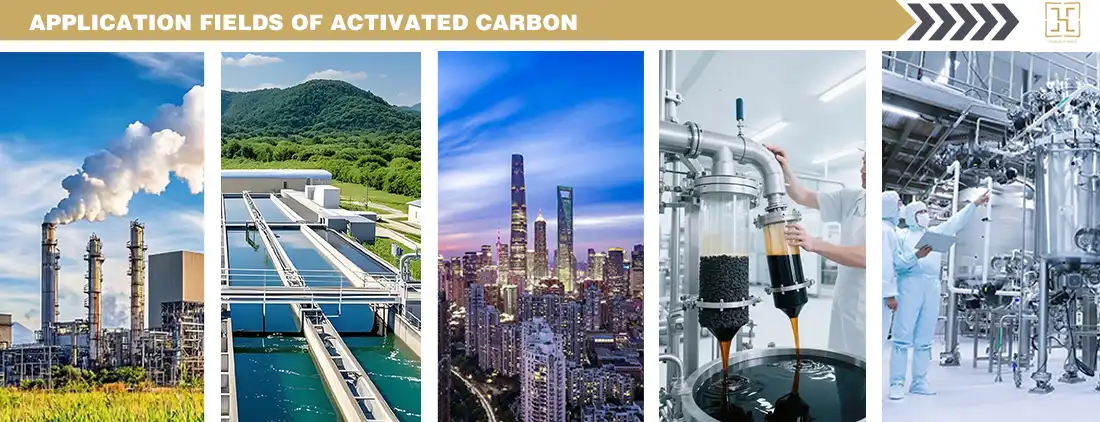
Water Treatment and Purification
Powdered carbon is used by municipal wastewater treatment plants to deal with the different quality of the influent. When seasonal agricultural runoff adds a lot of organic matter or when industrial discharge causes COD levels to suddenly rise by 500 to 1000 mg/L, quick action is needed. By putting this stuff right into contact tanks or equalisation basins, operators can get treatment working properly again in hours instead of days. The small particles spread out evenly in the water, making it easier for them to touch dissolved contaminants. The separation process uses the current infrastructure for clarification and filtering, so expensive changes to the system are not needed.
Drinking water facilities use it when there are algae blooms and smell and taste chemicals that make people not want to drink the water. Its micropore structure is good at catching geosmin and methylisoborneol molecules, which give foods an earthy taste, even at low levels of 10 nanograms per litre. Similar methods are used by beverage makers to get rid of colour and bad tastes in process water, which protects the quality of the products and the reputation of the brands. A medium-sized juice maker in the Pacific Northwest cut the number of colour units by 92% using a 75 mg/L dose, which made the juice clear, no matter what kind of fruit was used.
Chemical Process Enhancement
Heavy metals, organic brighteners, and leftover process chemicals are all mixed together in wastewater from electroplating operations. Using 200-mesh coal quality powdered carbon as a pretreatment lowers the work that needs to be done later by removing organic substances that would get in the way of metal precipitation or ion exchange systems. Usually, 30 to 60 minutes of contact time is enough to reduce the organic load by a large amount before the water moves on to the next stage of treatment. This method makes cleaning screens last longer and uses fewer chemicals in later steps of the process.
Papermaking facilities generate colored effluent from lignin compounds and dye residues. Traditional treatment struggles with these high-molecular-weight substances. Powdered activated carbon provides an economical pretreatment option that substantially reduces color intensity, allowing biological treatment systems to function more effectively. A corrugated packaging plant in the Southeast United States reduced color discharge by 85 percent, bringing effluent into compliance without major capital investment.
Emergency Response Capabilities
Environmental compliance deadlines and sudden contamination events make it necessary to buy things right away. When a chemical spill gets into a water intake or when a yearly change releases contaminants that have been stored in reservoir sediments, treatment plants need materials that can be shipped right away and work well. Keeping enough stock in various production bases lets you send things out quickly through faster shipping routes. When normal lead times would put at risk discharge permits or public health protection goals, plants can get emergency orders within three days.
The usefulness of materials is directly affected by how they are stored and handled. Powdered carbon should be kept in cool, dry places away from oxidisers and sources of fire in containers that can't be opened. The substance itself is not flammable, but small particles can cause dust explosions if they are spread out in small spaces with sources of ignition. Static electricity risks can be kept to a minimum by making sure there is enough air flow while handling and connecting transfer equipment. These simple steps ensure the safety of workers and the stability of materials during storage rounds that can last for months at a time between emergency uses.
Comparing 200-Mesh Coal Powdered Carbon with Alternatives
Particle Size Trade-offs
To choose between 100-mesh, 200-mesh, and 325-mesh goods, you need to know how the sizes of the particles affect both the rate of adsorption and how they are handled during operations. When the adsorption cycles are over, coarser 100-mesh materials settle more quickly, making the clarifier easier to use but giving less surface area per unit mass. Ultra-fine 325-mesh powders make the most of surface contact, but they make it harder to separate things and make more dust when handling dry materials. The 200-mesh coal quality powdered carbon gradation is a good compromise because it offers adsorption speeds about 2.5 times faster than granular carbons while avoiding the separate problems that come with smaller powders.
Procurement professionals should compare particle size to the needs of a specific application. When quickly getting rid of colour is more important than minimising sludge volume, 200-mesh is the best choice because it has faster kinetics. On the other hand, uses that need to separate things easily might prefer slightly rougher grades. By understanding these subtleties, you can avoid over-specifying materials, which raises costs without improving performance in a proportional way.
Cost-Performance Analysis
Price per ton is only one part of the total cost of owning. Costs of transportation, storage space needs, dosing equipment compatibility, and the efficiency of separation all have an effect on economic outcomes. Because they cost more to mill, 325-mesh goods are more expensive, but 200-mesh materials work just as well in many everyday situations and cost 15 to 25 percent less per unit. This difference in price gets pretty big when you look at the huge amounts of water that municipal treatment plants or continuous industrial processes use every year.
Procurement strategies are affected by minimum order quantities and lead times. Smaller speciality providers may have large minimum orders that make it expensive to keep inventory and tie up cash. Larger companies that can make a wide range of products can handle orders of different sizes that are tailored to how things are used. This lowers the need for working capital and keeps materials fresh. Standard lead times of 7 to 15 days make it easy to plan your purchases, and three-day expedited options lower your risk of not being able to meet unexpected demand spikes.
Supply Chain Reliability Factors
Before choosing a supplier, you should look at more than just the product specs. You should also look at their working capacity and financial stability. Companies with various production bases in different parts of the world can keep their supplies going even when local problems like weather, broken equipment, or government acts cause problems. Shanxi Xinhua Carbon Technology Industry Co., Ltd. has factories in Shanxi, Ningxia, Fujian, and Xinjiang provinces. This creates multiple production capacity that keeps customers safe in case of a single-point supply failure.
The ability to provide technical help sets real partners apart from commodity sellers. Having application engineers on hand who know about water chemistry, system hydraulics, and regulatory requirements can help improve dosing strategies and fix problems with performance. This knowledge is especially useful when starting up new cleaning processes or dealing with pollution events that aren't typical for the business.
How to Choose and Procure 200-Mesh Coal Powdered Carbon
Essential Evaluation Criteria
Supplier certifications show that a company is good at making things and has a mature quality system. Getting ISO 9001 approval means that there are written methods for controlling the process, calibrating it, and taking corrective action. Certification with ISO 14001 means that an organization has environmental management systems that keep track of waste production, energy use, and emission controls. To make sure workers are safe, ISO 45001 certification includes steps for finding hazards and lowering risks. These standards, which are checked by a third party, lower the risk of procurement by making sure that suppliers use formal methods for quality and dependability instead of relying on informal ones.
Product quality assurance includes more than just certificates. It also includes standard testing procedures and paperwork for each batch. Reliable providers give out certificates of analysis that list important factors like the iodine number, ash content, moisture level, and particle size distribution for each production lot. This helps find the root cause of performance problems and shows that the treatment plant is following the rules for auditors who are looking at its records for 200-mesh coal quality powdered carbon.
Negotiating Terms and Conditions
To set prices that are competitive, you need to know how the market works and how much suppliers charge. The price of activated carbon is affected by the cost of raw materials, energy, and transportation. When you work directly with makers instead of distributors, you cut out the middlemen and get direct access to technical knowledge and more flexible production schedules. When you commit to buying a lot of goods over a number of shipments, you can often get better prices per tonne than if you bought them on the spot.
Payment terms balance managing cash flow with the level of risk that the supplier is willing to take. Standard net-30 terms work for most buying cycles, while progress payment plans help with bigger orders that need specific production runs or longer lead times for manufacturing. Building credit relationships with smaller orders at first boosts trust between both parties, which leads to better terms as purchases grow.
Logistics and Delivery Coordination
Handling large amounts of material requires planning that takes into account production schedules, transportation options, and the capabilities of the receiving site. Suppliers who are close to important transportation hubs have access to a variety of shipping choices that save them money and time. Shanxi Xinhua uses strategically placed facilities and a mix of company-owned trucks and established transportation partnerships to serve across the country in three to seven days. Multimodal transport solutions that combine rail, ocean freight, and air cargo options based on urgency and shipment size are good for international customers.
Choices of packaging affect both how well things are protected and how quickly they can be handled. Standard 25-kilogram bags are good for smaller facilities where people have to move things by hand. Larger businesses can save money on labour and dust by using bulk bags (FIBCs) that can hold 500 to 1000 kilos and connect to truck or hoist systems. Moisture-resistant packaging keeps the quality of a product even when it's stored for a long time or shipped through wet areas. Talking about packaging preferences during the initial questions makes sure that the delivered materials are compatible with the facility's capabilities and don't need to be repacked or handled in a special way.
Future Trends and Optimization in Industrial Adsorption Using 200-Mesh Coal Powdered Carbon
Evolving Regulatory Landscape
Environmental laws are getting stricter all over the world as governments try to deal with new pollutants and better analytical detection tools. Things that weren't regulated before, like PFAS compounds, microplastics, and pharmaceutical residues, are now being looked at more closely, which encourages the use of treatment technologies. 200-mesh coal quality powdered carbon is a tried-and-true solution that can be easily changed to meet new needs. Because it has broad-spectrum adsorption, it can hold a lot of different organic chemicals without needing different process setups for each one.
Procurement strategies should anticipate regulatory trends rather than react after compliance deadlines approach. Building relationships with dependable suppliers before you need them makes it easier to get technical help and faster delivery when new rules go into effect. This proactive method keeps people from getting too much when there aren't enough goods on the market, which often happens when regulations change.
Material Science Innovations
Researchers studying changed activated carbons are finding ways to make them work better at targeting certain types of contaminants. Surface processes can make heavy metals or ionic chemicals stick to the carbon more effectively, which isn't always the case with regular carbons. By mixing carbon with catalytic metals, hybrid materials can break down persistent organics through oxidation instead of just physical adsorption. Even though these high-tech materials are more expensive, their selectivity means that smaller amounts are needed in certain situations, which often results in total cost savings.
Procurement professionals should monitor innovation developments through industry conferences, technical journals, and supplier communications. Understanding emerging options positions organizations to pilot promising technologies during planned equipment upgrades rather than retrofitting systems under regulatory pressure. Collaborative relationships with manufacturers provide early access to development samples and application testing support that validates performance claims before full-scale implementation.
Strategic Supply Chain Development
To make supply lines more stable, you need to keep quality standards high while expanding your ties with suppliers. Having qualified secondary suppliers gives you options for keeping things going if your primary sources go down. This backup is especially helpful for important uses where not having the right material on hand could lead to legal problems or work stops. Purchasing teams should try backup suppliers on a regular basis by placing small orders that check product specs and shipping reliability without building up too much inventory.
A long-term framework agreement strikes a balance between commitment and flexibility. Setting yearly volume goals and allowing for flexible buying every three months allows for changes in demand while getting better prices. Both buyers and sellers benefit from these agreements. Buyers get stable prices and priority allocation when supplies are low, and sellers get information about demand that helps them plan production and buy raw materials more efficiently.
Conclusion
To choose the best adsorption material, you have to weigh the material's technical performance against its practical use and cost. The 200-mesh coal quality powdered carbon is a useful size in the activated carbon range; it has fast absorption rates that make it good for both emergency situations and regular cleaning needs. Its medium-sized particles make it easier to handle and separate, and its low cost makes it suitable for large-scale industrial use. To be successful at procurement, you need to know what the specific needs of an application are, look at the supplier's skills beyond just the product specs, and build relationships that meet both short-term material needs and long-term strategy goals through expert support and reliable supply.
FAQ
How does coal-based powdered carbon compare to coconut shell varieties for industrial water treatment?
Powdered activated carbon made from coal usually has a higher density and more mesopore volume than products made from coconut shells. This pore structure works well for catching medium-sized organic molecules that are common in industrial wastewater. These molecules include process chemicals and dye intermediates. Carbons from coconut shells are great at getting rid of small molecules like chlorine and some taste chemicals, but they usually cost 40 to 60 percent more per tonne. Because they are cheaper, 200-mesh coal quality powdered carbon materials are the best choice for large-scale industrial uses where getting rid of a wide range of organic compounds is more important than going after specific small molecules.
Can powdered activated carbon be regenerated and reused in industrial settings?
When powdered activated carbon is used for renewal, it can be hard to get the fine bits out of the process sludge. Granulated carbons can be backwashed with water and heated again, but powdered materials get mixed up in the sludge streams of treatment plants. Separation needs special tools, and for particles in this size range, the renewal process usually costs more than buying new material. Powdered carbon is usually only used once in an industrial setting and then thrown away with process sludge in line with local rules.
What safety precautions apply when handling fine carbon powders?
Fine carbon powders need to be kept under control so that they don't get breathed in or catch fire. When opening bags and moving things around, use local exhaust ventilation. To get rid of static electricity, ground all transmitting tools. Keep containers away from things that can oxidise them and things that can start fires. Even though activated carbon is hard to ignite, if there are sources of ignition nearby, dust that is spread out in small spaces can pose an explosion risk. Following standard combustible dust safety rules keeps workers safe and keeps materials in good shape by storing them in a way that stops them from absorbing moisture.
Ready to Optimize Your Water Treatment Process?
Shanxi Xinhua Carbon Technology Industry Co., Ltd. has been working with activated carbon for more than 60 years and can help you with your toughest drying problems. Our network of 200-mesh coal quality powdered carbon suppliers covers several production sites, so we can always get what we need quickly, even when demand is high. We work with top research universities like Tsinghua University and the Chinese Academy of Sciences to turn technology for defense-grade materials into industry solutions that you can use right away. Our ISO-certified manufacturing processes give your quality systems the documented dependability they need, whether you're in charge of making sure that municipal wastewater rules are followed, keeping the quality of beverage products stable, or responding to unexpected contamination events. Email our technical team at greta@carbonxinhua.com to talk about dosing strategies that are best for your application, to ask for batch documentation, or to set up sample testing that will compare performance claims to your actual water chemistry.
References
1. Bansal, R.C. and Goyal, M. (2005). Activated Carbon Adsorption. Boca Raton: CRC Press.
2. Cheremisinoff, N.P. and Ellerbusch, F. (1978). Carbon Adsorption Handbook. Ann Arbor: Ann Arbor Science Publishers.
3. Marsh, H. and Rodriguez-Reinoso, F. (2006). Activated Carbon. Oxford: Elsevier Science.
4. Mattson, J.S. and Mark, H.B. (1971). Activated Carbon: Surface Chemistry and Adsorption from Solution. New York: Marcel Dekker.
5. Snoeyink, V.L. and Summers, R.S. (1999). Adsorption of Organic Compounds in Water Quality and Treatment: A Handbook of Community Water Supplies. New York: McGraw-Hill.
6. Worch, E. (2012). Adsorption Technology in Water Treatment: Fundamentals, Processes, and Modeling. Berlin: De Gruyter.

Send Inquiry
You may like
_1781662034490.webp)