_1778553121707.webp)
Industrial Grade 5mm Coal-Based Cylindrical Activated Carbon
Jun 25, 2026
When it comes to industrial-grade 5mm coal quality cylindrical carbon, it is a precision-engineered adsorption material made for tough chemical handling and environmental uses. For continuous industrial operations that need stable, long-term performance in waste gas treatment, water purification, and flue gas desulfurization systems, this material is the best choice. It has high mechanical strength, optimal pore distribution, and superior wear resistance.
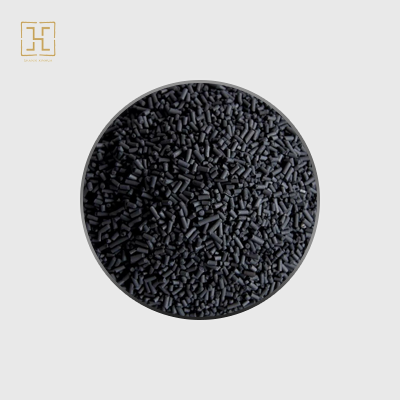
Understanding 5mm Coal-Based Cylindrical Activated Carbon
What Defines This Industrial Adsorbent
5mm coal quality cylindrical carbon blends certain physical qualities with cutting-edge production methods. The process of choosing raw materials starts with selecting high-quality anthracite coal, which is picked for its natural purity and carbon content. The material forms a complex pore structure with the right amount of micropores for adsorption and macropores for mass transfer. This is achieved through controlled carbonization and activation processes. This balance is very important when your business needs to have both a high throughput and good pollution control.
The form of the cylinder itself is useful for reasons other than looks. Unlike granules or powders, cylinder pellets keep the bed density constant in fixed-bed systems. This stops the flow and makes sure that gas or liquid flows evenly. When you buy this shape, you're dealing with real practical problems that have an impact on your bottom line by managing pressure drops and extending the time between service visits.
Manufacturing Excellence and Quality Control
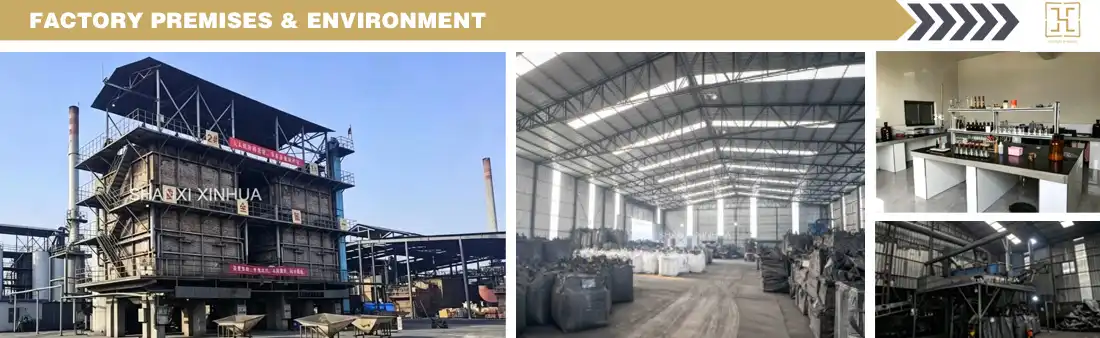
At Shanxi Xinhua Carbon Technology Industry Co., Ltd., our way of making things is based on more than 60 years of experience in material science and strict quality standards for defense use. To create the desired pore structure, the activation process uses carefully chosen activation agents and temperature patterns that are carefully controlled. Each batch of production goes through strict tests to make sure it meets strict standards for iodine number (more than 350 mg/g), hardness (≥97%), ash content (≤8%), and moisture content (≤5%). These specs aren't just random numbers; they have a direct effect on how well the material absorbs water, how long it lasts mechanically, and how stable the storage is in your building.
The quality control system includes ISO 9001, ISO 14001, and ISO 45001 certifications. This makes sure that every ton of stuff you get meets the same high standards. Carbon tetrachloride adsorption capacity, wear resistance, and other specific measurements like desulfurization value (>22 mg/g) and denitrification rates (≥42%) are all part of the testing procedures. When you buy from a company with this much expert control, you lower the chance that the product won't work properly, which could cause you to miss deadlines or not finish the project on time.
Performance Characteristics That Matter
This coal-based cylinder adsorbent has a better mix of mesopores and macropores than regular granular carbons because of its improved pore size distribution. This technical choice leads to faster diffusion rates, which is very important when working with high-concentration VOC streams or when residence time limits are tight. Because of better mass transfer, there are fewer drops in pressure across your adsorption bed. This means that your blower uses less energy and your costs go down.
Another important difference is mechanical strength. This material's hardness is always above 97%, so it doesn't wear down or get pulverized even in fluidized-bed systems or systems that go through temperature cycles. You won't have to deal with the fines buildup that stops downstream equipment from working or makes it hard to handle dust. Because the granules are strong, the carbon bed stays intact through multiple regeneration processes. This means that you don't have to change it as often, which increases your return on investment.
Industrial Applications and Benefits of 5mm Coal-Based Cylindrical Activated Carbon
Core Application Domains
Large-scale cleaning of industrial pollution is one of the main areas where 5mm coal quality cylindrical carbon works best. Its ability to lower COD, get rid of color compounds, and collect dissolved organics is important for municipal treatment plants and industry facilities that handle wastewater from dyeing, electroplating, or making chemicals. The 5mm width lets the beds be set up deeper without too much pressure building up, which supports the high flow rates that are common in the final treatment stages.
The temperature stability and catalytic activity of the material are very important in waste gas treatment systems, especially for desulfurization and denitrification. Power plants and industrial boilers can remove sulfur dioxide with more than 98% efficiency while keeping the purity of the bed for long periods of time. The unique structure of the pores makes it easier for nitrogen fumes to be absorbed physically and changed chemically, which helps the material meet the stricter emission rules.
The high iodine number and improved pore network of carbon help VOC control systems in finishing plants, printing shops, and chemical processing plants. Whether you're trying to meet air quality standards or recover valuable solvents like toluene and xylene, the material can handle high-concentration inlet streams and work with steam or heat regeneration methods. Customers in the pharmaceutical industry especially like how constant the performance is during campaigns for continuous manufacturing, where stopping the process and losing a lot of money is very expensive.
Tangible Business Advantages
Several changes to operations lead to cost savings. The longer service life—usually 12 to 24 months in normal air cleaning applications—reduces the number of times that the material needs to be replaced. Your repair teams will spend less time on changeouts, and it will be easier to plan when to buy things. When one coke company moved to this type of carbon from their old 4mm carbon, they saved about $400,000 a year on operations. This was mostly because the pressure drop was less and the replacement times were longer.
Some activated carbon providers have trouble with performance uncertainty, but quality control and batch uniformity get rid of that problem. If your environmental compliance rests on being able to predict how adsorption works, getting material that is very different from one shipment to the next is too dangerous. Tough specification control and thorough testing make sure that estimates based on data from the provider accurately reflect how the system works in real life.
Customization takes into account the fact that no two industry processes have the same problems. Whether you need to change the surface to better catch mercury, fill it with certain catalysts, or change the way the pores are distributed for a specific use, the production infrastructure can make it happen. This adaptability is very helpful when trying to improve a process or meet new government rules without having to completely rethink the system.
How to Choose the Right 5mm Coal-Based Cylindrical Activated Carbon for Your Business
Critical Quality Indicators
In addition to basic specs, procurement managers should look at data on abrasion resistance for 5mm coal quality cylindrical carbon, especially if the job includes fluidization or moving of the material. The usual ball-pan hardness test is useful for comparing things, but real attrition testing in conditions that are similar to your process gives more accurate predictions of how long something will last in service. If you want to thermally revive the carbon, make sure the test results include multi-cycle regeneration studies. This is because some materials lose their mechanical properties over time after being heated.
More buyers don't know it, but certification accuracy is very important. Make sure that the ISO certificates only apply to the factory that is making your order and not to a parent company or a different factory. For uses with drinking water, make sure the material has the right NSF or similar third-party approvals. In the United States, for local work, following AWWA standards may be needed by contract. Proof that you followed these rules will keep you out of procurement disputes.
Comparative Evaluation Framework
When deciding between 5mm cylinder carbon and 4mm or granular options, look at the whole system instead of just the unit price. Smaller diameters usually have higher iodine numbers, which means they can absorb more, but the higher pressure drop might mean you need bigger fans or to change the bed more often because it gets compacted. The 5mm choice usually strikes a better mix between adsorption performance and hydraulic properties in fixed-bed configurations that handle large amounts of flow.
There are pros and cons to both coal-based and coconut shell carbons that depend on the purpose. Materials made from coconut shells usually have more micropores, which makes them great for low-molecular-weight compounds. However, goods made from coal, like this 5mm carbon, have better mesopore development for bigger molecules and work better in humid situations. Coal-based carbons keep their usefulness better than many coconut alternatives in flue gas uses, where water vapor saturation often happens.
Supplier Evaluation Parameters
Reliable providers show that they can make a lot of different things by having multiple production sites and keeping an eye on their supplies. Shanxi Xinhua Carbon Technology Industry Co., Ltd. has production bases in Shanxi, Ningxia, Fujian, and Xinjiang. This gives your supply chain geographic redundancy that saves it from problems in other parts of China. The yearly production capacity of 45,000 tons ensures that even big orders or needs for fast growth can be met without affecting delivery times.
Technical help is what sets experienced makers apart from suppliers of common goods. Can the provider help with application engineering while the system is being designed? Do they offer trial programs for testing before making big commitments? Having studied relationships with places like Tsinghua University and the Chinese Academy of Sciences shows that the company is always coming up with new ideas. These ideas help customers by making products better and giving them advice on how to solve problems when they come up.
Procurement Guide: Sourcing 5mm Coal Quality Cylindrical Carbon at Scale
Supply Chain Considerations
Strategies for buying 5mm coal quality cylindrical carbon in bulk should weigh the costs of keeping goods against the benefits of lower prices and more reliable supplies. For containerized foreign shipments, the minimum order quantity is usually between 10 and 20 tons, but if you're dealing with a reputable supplier, they may be able to handle smaller test amounts. Framework agreements that commit to yearly volumes and allow delivery plans every three months provide price stability and supply security without the need for too much storage space on-site.
When planning lead times, both production and transportation must be taken into account. Standard orders from stock usually ship within 7 to 15 days. Customized formulations or surface treatments, on the other hand, may take 15 to 30 days. International shipments take longer to get to their target, and the time it takes depends on the sending method and location. Ocean freight to U.S. ports takes an average of 30 to 45 days, but faster air freight cuts that time to less than a week at a much higher cost. Strategic buyers keep enough extra supplies on hand to cover 60 to 90 days of consumption in case there are any delays.
Pricing Dynamics and Negotiation
Prices are based on the prices of raw materials, the amount of energy needed to activate them, the level of quality control, and the balance between supply and demand in the market. Coal-based carbons usually cost less per kilogram than coconut shell carbons, but the performance in the particular application must support the choice. Final prices are affected by promises to buy a certain amount, terms of payment, and shipping plans. Procurement teams that have done this before know that the lowest price isn't always the best option when you look at things like quality consistency, expert help, and supply reliability.
Payment terms depend on the seller and the size of the order. For first deals, 30 to 50 percent of the total price is usually due up front, and the rest is due when the shipping papers are received. For returning customers, net-30 or net-60 terms may be negotiated. Letters of credit protect both sides in big foreign deals, but they come with extra fees and make things more complicated to manage. Putting time and effort into building relationships with trustworthy suppliers pays off with better terms and faster access to supplies when supplies are low.
Future Trends and Innovations in Coal-Based Cylindrical Activated Carbon for Industry
Technological Advancement Trajectories
Activation technology for 5mm coal quality cylindrical carbon keeps getting better at controlling pore structure more precisely and having less of an effect on the surroundings. By using new activation agents and process conditions, materials can be made with tailored pore size distributions that are best for certain toxins. Researchers looking into mixed activation methods that use both physical and chemical approaches may find carbons that are better at oxidizing organic compounds that are hard to break down. This could mean that separate catalytic treatment steps are not needed as often.
Surface functionalization is another new area of progress. Adding certain chemical groups to the carbon surface, like nitrogen-containing molecules to catch heavy metals or acidic groups to better get rid of basic compounds, makes the material work better in certain situations. Although these improved carbons are more expensive, they work better in tough treatment situations and often end up being cost-effective because they last longer or don't need as much extra treatment.
Market Evolution and Demand Drivers
Regulatory forces are getting stronger around the world, especially when it comes to VOC emissions and water safety guidelines. As limits on individual pollutants become tighter rather than measures of all pollutants together, higher-performance adsorbents that can safely meet these requirements are needed. Petrochemical plants, auto paint factories, and drug companies that have to deal with these needs see activated carbon less as a common input and more as an important performance material that needs to be carefully chosen.
Concerns about sustainability affect buying choices in ways that go beyond instant performance criteria. Buyers look at the carbon impact of making adsorbents, how well spent carbon can be recycled or regenerated, and how the provider handles environmental issues. Companies that show they care about the environment and the circular economy have an edge over other companies because corporate buyers have to meet their own sustainable goals and report on their progress.
Conclusion
When choosing the right industrial desiccant, you need to think about how well it works technically, how reliable it is in the field, and how much it costs. The 5mm coal quality cylindrical carbon meets the tough needs of ongoing industrial processes with its optimized pore architecture, high mechanical strength, and track record of success in a wide range of uses, from treating wastewater to cleaning flue gas. The material is not only an input that you use, but also a key factor that affects your facility's environmental performance, running costs, and compliance status. Procurement teams build the basis for long-term success by working with experienced makers who offer full technical support, reliable supply lines, and a commitment to quality consistency.
FAQ
What distinguishes 5mm coal quality cylindrical carbon from other activated carbon forms?
The cylinder shape of 5mm coal quality cylindrical carbon has certain benefits for industry fixed-bed setups. The even shape makes sure that the bed is packed evenly and stops channeling, which lowers the efficiency of the touch. When compared to granular carbons, the cylindrical form offers better mechanical strength and abrasion resistance, which is very important for uses that involve shaking, heat cycles, or regeneration processes. The ideal pore distribution combines micropore volume for adsorption with mesopore and macropore growth for fast mass transfer. This solves problems with both performance and pressure drop.
How can buyers make sure of quality before making big purchases?
Ask for detailed analytical data such as the iodine number, hardness, ash content, moisture content, and measures that are special to the application, such as the ability to adsorb CTC or remove sulfur dioxide. Test results from accredited labs are provided by reliable suppliers. Make sure you get representative samples so that they can be checked by someone else or used for pilot testing in settings that are like your real process. Check the quality management certifications of your suppliers and ask for facility audit reports if the amount justifies the time and money spent on due diligence.
What are the usual wait times and minimum order amounts for buying things for industry?
Standard standards from a well-kept collection usually ship within 7 to 15 days, with orders requiring at least 1 to 2 tons for domestic shipping or 10 to 20 tons for containerized foreign shipping. Customized formulas take between 15 and 30 days, based on how complicated the changes are. Established providers like Shanxi Xinhua Carbon Technology Industry Co., Ltd. offer fast green channel delivery within three days for urgent compliance-driven needs, but this service costs more and rests on the supply of materials.
Partner with Shanxi Xinhua Carbon Technology Industry Co., Ltd. for Your Activated Carbon Needs
Finding a dependable provider of 5mm coal quality cylindrical carbon means working with a company that has technical know-how, a large production scale, and a great supply chain. Shanxi Xinhua Carbon Technology Industry Co., Ltd. has more than 60 years of experience in developing new materials and systems that meet defense standards. Its production sites can handle 45,000 tons of carbon each year. Our team offers full application tech support, the ability to customize products, and a well-kept inventory to make sure that we can quickly meet your buying needs. Our expert staff works together to make sure that the materials we sell work best in your process, whether you need standard specifications or formulations that are specifically made for a job. You can talk to our sales team about your project needs, get detailed data sheets, or set up a sample review by emailing greta@carbonxinhua.com. We offer reasonable pricing, clear delivery terms, and the quality stability that your operations need to environmental engineering companies, local water systems, petrochemical sites, and industrial makers all over North America.
References
1. Marsh, H. and Rodríguez-Reinoso, F. (2006). Activated Carbon. Elsevier Science, Oxford.
2. Bandosz, T.J. (2006). Activated Carbon Surfaces in Environmental Remediation. Interface Science and Technology Series, Volume 7, Academic Press.
3. Activated Carbon: Solutions for Improving Water Quality. (2013). American Water Works Association Research Foundation Technical Report.
4. Derbyshire, F., Jagtoyen, M., Andrews, R., Rao, A., Martin-Gullon, I., and Grulke, E. (2001). Carbon Materials in Environmental Applications. Chemistry and Physics of Carbon, Volume 27, Marcel Dekker.
5. Tien, C. (2019). Introduction to Adsorption: Basics, Analysis, and Applications. Elsevier, Amsterdam.
6. Yang, R.T. (2003). Adsorbents: Fundamentals and Applications. John Wiley & Sons, Hoboken, New Jersey.

Send Inquiry
You may like
_1781662034490.webp)