_1778553121707.webp)
Industrial Applications of Alkali-Impregnated Coal-Based Carbon
Sep 10, 2026
Alkali-impregnated coal quality impregnated carbon represents a revolutionary advancement in industrial gas treatment technology. Unlike conventional adsorbents, this specialized material combines the porous structure of premium coal-based activated carbon with alkaline reagents—typically potassium hydroxide or sodium hydroxide—to neutralize acidic gas pollutants chemically. Industries facing stringent emission regulations increasingly rely on this dual-action material to capture sulfur dioxide, chlorine, nitrogen oxides, and hydrogen sulfide, which standard carbons fail to address effectively. Its capacity to deliver both physical adsorption and chemical neutralization positions it as an essential solution for environmental engineering contractors, petrochemical plants, municipal water treatment facilities, and industrial air purification system manufacturers striving for regulatory compliance and operational efficiency.
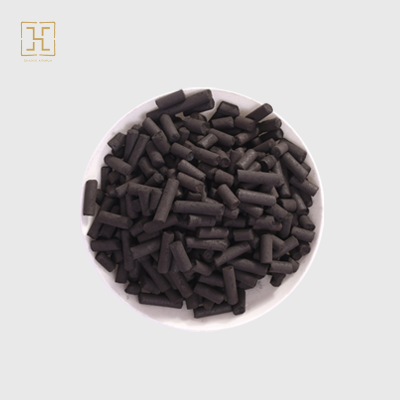
Understanding Alkali-Impregnated Coal Quality and Properties
Chemical Composition and Manufacturing Process
The process of making alkali-impregnated coal-based carbon starts with high-quality anthracite coal that is shaped, carbonized, and activated to create a structure with tiny pores. After being activated, the substance is soaked in strong alkaline solutions, mostly sodium hydroxide or potassium hydroxide. This is done in a controlled manner. Depending on the needs of the application, this treatment adds reactive alkaline parts to the carbon surface that range from 5% to 25% by weight. By changing the surface chemistry, the impregnation turns the material from a simple physical adsorbent into a multipurpose filter that can remove acidic pollution by chemisorption. This change makes the material more selective for acidic gases like chlorine and sulfur dioxide, which combine directly with the alkaline agents that are built into the carbon structure. The finished product has a pH level between 11.5 and 13.5, which shows that it is strongly alkaline and ready to be used in industry.
Key Technical Parameters and Quality Standards
Alkali-impregnated coal and quality-impregnated carbon are two examples of materials whose reliability is being evaluated by procurement professionals. The iodine absorption value, which is usually higher than 800 mg/g, shows that the microporous structure has been kept even when alkaline substances are added. If the material has a mechanical strength of more than 90%, it can handle high-speed gas streams and vibrations in industrial systems without making fine dust that could damage equipment further down the line. Moisture content is carefully kept below 10% to keep the ionic reaction needed to neutralize acid gases while avoiding too much weight and handling problems. The ability to absorb sulfur dioxide, which is an important factor in flue gas treatment, is at least 180 mg/g for standard grades and more than 220 mg/g for premium formulations with more than 15% potassium hydroxide. Immersion stability tests show that the loss of alkaline components stays below 3% even after long-term contact with water. This shows that the impregnation is durable and that the material can be used in humid conditions. If the ash level is less than 8%, there is less inert material that could block pores or make the adsorption process less effective generally.
Distinguishing Features Compared to Standard Activated Carbon
Understanding what makes alkali-impregnated coal quality impregnated carbon different from regular activated carbon makes its value proposition clearer. Standard activated carbon primarily works through physical adsorption, with molecules held within its porous structure through van der Waals interactions. This mechanism can work well for many nonpolar or weakly polar organic compounds, but it may be less effective for certain acidic gases with high polarity and low molecular weight. By adding a chemical-reaction component, alkali-impregnated coal quality impregnated carbon can provide an additional treatment mechanism. When acidic gases contact the alkaline surface of alkali-impregnated coal quality impregnated carbon, they can react with the impregnated components and form more stable reaction products that remain within or on the carbon matrix. This chemisorption mechanism can increase the material's capacity and selectivity for suitable acidic species, making alkali-impregnated coal quality impregnated carbon useful in applications where conventional activated carbon alone may not provide sufficient performance. The particle size of alkali-impregnated coal quality impregnated carbon can also be customized, from 8–30 mesh granules to cylindrical pellets with diameters of 1.5–3.0 mm. These configurations allow alkali-impregnated coal quality impregnated carbon to be adapted to different equipment designs, including fixed-bed and fluidized-bed systems, facilitating integration into existing purification processes.
Core Industrial Applications of Alkali-Impregnated Coal-Based Carbon
Flue Gas Desulfurization and Denitrification
Flue gases from power plants, factories, and industrial ovens are full of sulfur dioxide and nitrogen oxides, which are pollutants that cause acid rain and are bad for your health. Alkali-impregnated carbon gets rid of these toxins by adsorbing them and reducing them quickly. In desulfurization uses, the substance takes in SO₂ by directly neutralizing it, creating stable sulfates that stay inside the carbon structure. The removal efficiency of this process can lower sulfur dioxide levels to below 10 mg/m³, which meets strict standards like those set by the European Union's Best Available Techniques reference documents. The low-temperature catalytic activity of the material helps remove nitrogen oxides, keeping NO conversion rates between 85% and 90% at temperatures ranging from 120°C to 180°C. This performance gets rid of the need for expensive warming of waste gas, which cuts down on energy use and operating costs. The two functions make system design easier because a single filtration stage can deal with multiple pollutants at the same time. This makes installation and upkeep easier for environmental engineering companies working on big emission control projects.
Industrial Acidic Exhaust Gas Treatment
Acidic vapors with chlorine, hydrogen chloride, and sulfur compounds are often released by coating, printing, electronics, and metallurgy factories. If these pollutants aren't handled properly, they ruin equipment, eat away at ductwork, and put workers' health at risk. Coal-based carbon that has been mixed with alkalis treats specific problems because it is very good at binding acidic substances. On contact, the material's alkaline surface neutralizes corrosive gases, stopping corrosion further down the line and making sure safe atmospheric discharge. This special carbon is especially helpful for places that process chemical feedstocks or use chlorination processes, since regular adsorbents get full quickly and need to be replaced often. Because it is very resistant to sulfur poisoning, it can last longer than two years in harsh environments, which means it doesn't need to be replaced as often and costs less over its entire life. Procurement managers like this material because it provides operational stability and long service intervals that keep production from being interrupted by filtration system maintenance.
Laboratory and Specialty Gas Purification
Research labs, factories that make medicines, and factories that make semiconductors all need ultra-pure gas streams that don't have any trace contamination. Alkali-impregnated carbon is an important part of systems that clean up tail gases because it gets rid of acidic waste from process exhausts before they are released into the atmosphere. It can pick up even small amounts of acidic gases because of how it reacts with chemicals. This keeps controlled settings and sensitive analytical tools safe. Because the material stays stable in a range of humidity conditions, it can be used in places where humidity levels change, like fume hoods and ventilation systems for chemical storage. Because the loading ratios can be changed, suppliers can make the material fit the specific types of contaminants. This improves performance and saves money for special uses that regular goods can't handle.
Performance Comparison and Selecting the Right Alkali-Impregnated Carbon
Evaluating Adsorption Capacity and Catalytic Efficiency
To choose the best alkali-impregnated coal product, performance measures that match the needs of the application must be carefully examined. Sulfur dioxide adsorption capacity is one of the main selection criteria for flue gas treatment. Values above 180 mg/g are considered okay for moderate emissions, while special types close to 220 mg/g are only used for high-sulfur industrial gasses. In denitrification processes, keeping removal rates above 85% at low temperatures is very important for staying within emission limits. This is because the efficiency of nitrogen oxide conversion becomes very important. It's important to match product specs with working conditions like gas flow rate, temperature, and contaminant content because the material's catalytic activity relies on how much alkaline is loaded, how the pores are structured, and how much surface area it has. Long-term operating costs are affected by regeneration stability, which is measured by how much adsorption capacity is kept after thermal treatment. Products that keep 85% to 90% of their original capacity after refilling are the best because they last longer and use less material over the system's working lifetime.
Grading Standards and Application Suitability
There are different types of alkali-impregnated carbon goods that can be used in different industries. Light-duty types with an alkaline loading of 5% to 10% work well in places where there are mild amounts of acidic gas and the operation is only sometimes, like lab fume hoods and small-scale chemical processing. Medium-duty grades with 10% to 15% impregnation handle steady industrial exhaust streams with moderate pollutant loads, balancing cost and performance for facilities that need to meet basic emission control standards. Heavy-duty versions with more than 15% alkaline content have the best adsorption and catalytic performance. They are made for settings with high sulfur flue gases, harsh chemical industrial environments, and uses that need to meet ultra-low emission standards. Choosing the right particle size depends on the design of the system. Granular forms work best in packed bed reactors because they have low pressure drop, while cylindrical pellets work best for fast streams that need to be strong. Professionals in procurement should talk to technical experts to make sure that the features of a product are compatible with its use. This way, the product will work at its best and costs will be kept low.
Procurement Considerations and Supply Chain Factors
When looking for quality impregnated carbon and alkali-impregnated coal, industrial buyers have to deal with a number of buying issues. Minimum order amounts are usually the same as truckload or container volumes. They can be anywhere from 10 to 25 metric tons, based on the supplier's ability and the logistics of the delivery. Standard shipping times for in-stock items are 7 to 15 days. For personalized formulations—made to fit specific pore structures, particle sizes, or alkaline loadings—production schedules need 15 to 30 days. Pricing models take into account the cost of raw materials, the difficulty of impregnation, and the amount that is agreed upon. For long-term supply deals, bulk contracts offer better terms. When needed, emergency procurement options, such as faster "green channel" services, can meet tight deadlines for compliance or unplanned equipment failures and deliver important materials within three days. Checking a supplier's qualifications, like ISO 9001 for quality management, ISO 14001 for environmental management, and ISO 45001 for health and safety at work, makes sure that the quality of the products is always the same and that the supply chain works well.
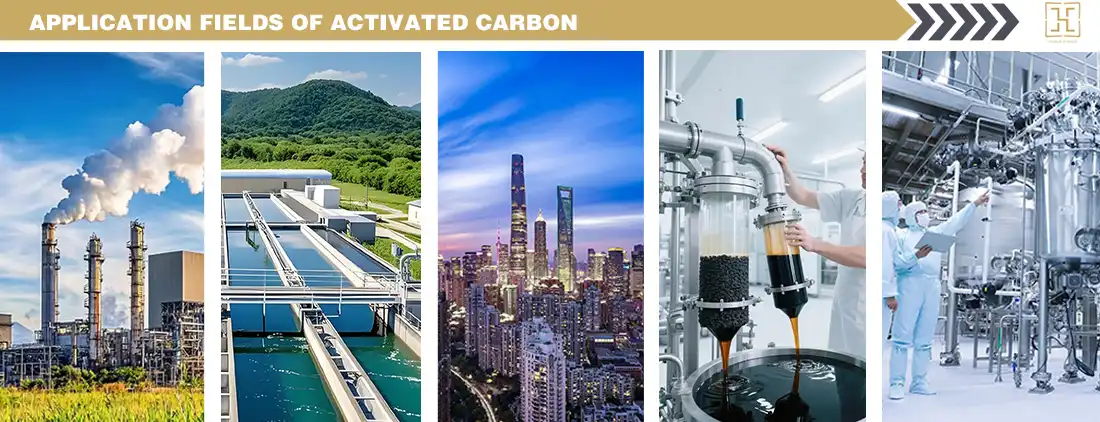
Trusted Supply Chain and Leading Brands of Alkali-Impregnated Coal
Supplier Evaluation Criteria
A thorough evaluation of a number of important factors is necessary to identify reliable alkali-impregnated coal quality impregnated carbon providers. Having certifications shows that you care about quality, the environment, and worker safety. ISO certifications are the most basic requirements. Technical skills, like having in-house labs for iodine value tests, strength analysis, and adsorption capacity measurement, make sure that providers can check that product specs are correct and help with fixing issues when there are questions about performance. Production capacity and how material is managed have a direct effect on how reliable deliveries are. For regional markets, having multiple production sites offers redundancy and closeness benefits. Logistics costs and transit times are affected by where a supplier is located. For international buyers managing complex global supply chains, suppliers close to major ports or transportation hubs are helpful. Referrals from satisfied customers and case studies give procurement professionals information about how responsive a supplier is, how good their technical support is, and how stable their long-term partnerships are. This lowers the risks that come with choosing a vendor.
Partnering with Established Manufacturers
Leading alkali-impregnated carbon makers can be told apart from commodity sellers by their skills. Shanxi Xinhua Carbon Technology Industry Co., Ltd. is a good example of this. The company has been doing research and development for over 60 years, starting with defense-grade chemical protection technology. They now use their deep knowledge of materials science to make commercial activated carbon. Together with Tsinghua University, Central South University, and the Chinese Academy of Sciences, they keep coming up with new ways to use modified carbon, high-specific-surface-area catalyst supports, and protective adsorption materials. The company has factories in Shanxi, Ningxia, Fujian, and Xinjiang that together produce 45,000 tons of goods every year. This makes sure that there is always inventory and that large industrial orders are filled quickly. Comprehensive quality control systems that are approved under ISO 9001, ISO 14001, and ISO 45001 standards make sure that all production batches of a product work the same way. Strategic logistics partnerships allow deliveries within 3 to 7 days within the United States and offer global multimodal transport solutions that include sea, air, and rail options. These solutions include real-time shipment tracking and help with customs clearance, which makes buying things from other countries easier.
Validating Product Claims and Performance
Before signing big contracts, smart buying practices require that performance claims from suppliers be checked by a third party. By sending lab-tested samples, buyers can compare the product's binding capacity, mechanical strength, and alkaline loading to published standards. Third-party analytical services can prove iodine levels, ash content, and the efficiency of sulfur dioxide capture, giving objective confirmation that is separate from data produced by the provider. Pilot testing in typical operating conditions shows how the system will work in the real world with real gas compositions, temperatures, and flow rates. This helps find any compatibility problems before the system is fully deployed. Reference site visits let you see how the material works in real-world systems, talk about performance issues with end users, and check how quickly suppliers respond to technical support requests. These steps of validation give people more faith in the decisions made about procurement and set performance standards for ongoing quality assurance throughout the supply relationship.
Maximizing Efficiency and Future Trends in Alkali-Impregnated Coal Usage
Regeneration Techniques and Lifecycle Extension
Increasing the useful life of alkali-impregnated coal quality impregnated carbon can help lower total cost of ownership and reduce material consumption. In appropriately designed systems, thermal regeneration techniques use controlled heating to release adsorbed pollutants and can potentially restore a substantial portion of the original adsorption capacity of alkali-impregnated coal quality impregnated carbon. Regeneration temperature profiles need to balance pollutant desorption with the thermal stability of the alkaline impregnants, so the process must be carefully controlled to avoid excessive loss of chemical reactivity. Some industrial facilities use swing-bed systems that alternate between adsorption and regeneration to keep alkali-impregnated coal quality impregnated carbon operational for longer periods. The economic feasibility of regenerating alkali-impregnated coal quality impregnated carbon depends on factors such as contaminant loading, energy costs, regeneration efficiency, and replacement-media prices. High-volume applications may be better positioned to justify investment in regeneration infrastructure. Monitoring breakthrough concentrations with appropriate gas sensors can help determine when alkali-impregnated coal quality impregnated carbon should be regenerated, allowing operators to optimize bed utilization and reduce the risk of uncontrolled pollutant breakthrough. Properly managed regeneration can therefore improve the service efficiency and lifecycle value of alkali-impregnated coal quality impregnated carbon.
Emerging Regulatory Drivers and Technology Advances
More and more advanced absorption technologies are being used around the world because environmental laws are getting stricter. The European Union's Industrial Emissions Directive, the U.S. Environmental Protection Agency's Mercury and Air Toxics Standards, and other similar frameworks around the world all require reductions in sulfur dioxide, nitrogen oxides, and other harmful air pollutants. This forces industries to use high-efficiency materials like alkali-impregnated carbon. Changing emission limits for substances that weren't controlled before, like some volatile organic compounds and new contaminants, makes it possible for specific adsorbents to be used in more situations. The main goals of technology development are to improve regeneration stability, make low-temperature catalytic activity better, and create mixed formulas that can remove more than one type of contamination at the same time. Nano-structured alkaline carriers and surface-engineered carbons are two areas of research that could lead to next-generation materials with better selectivity and capacity. Early adopters will be at the top of the competition as these innovations move from the lab to the real world.
Strategic Procurement Recommendations
To improve performance and lower risk, procurement professionals who are in charge of managing activated carbon supply chains should follow a few key strategies. Setting up framework agreements with qualified suppliers guarantees stable prices, priority handling during supply disruptions, and dedicated technical support for fixing application problems. Diversifying your buying across multiple sources or production sites lowers the risks that come with plant breakdowns, shortages of raw materials, or problems in other parts of the country. Keeping extra goods on hand for important uses keeps operations running even when demand goes up unexpectedly, or there are delays in shipping. When you involve manufacturers early on in the planning stages of a capital project, you can change the material specs, particle sizes, and packaging arrangements so that the system works better and takes less time to set up. By looking at performance data and market changes on a regular basis, organizations can make sure that their buying strategies keep up with changes in technology and regulations. This helps them stay compliant and run their businesses well as industry standards change.
Conclusion
Alkali-impregnated coal quality impregnated carbon is a useful option for businesses that need to manage demanding emission-control requirements and acidic gas streams that can cause equipment corrosion or operational problems. Compared with conventional activated carbon, alkali-impregnated coal quality impregnated carbon can combine physical adsorption with chemical neutralization, providing two complementary treatment mechanisms. This makes alkali-impregnated coal quality impregnated carbon suitable for applications such as waste-gas treatment, industrial exhaust purification, and certain specialty gas-treatment processes. By selecting the appropriate grade of alkali-impregnated coal quality impregnated carbon, verifying supplier capabilities, and applying strategic procurement practices, facilities can improve treatment efficiency and support regulatory compliance. Properly specified alkali-impregnated coal quality impregnated carbon can also help manage operating costs through appropriate particle sizing, impregnation levels, and service-life planning. As environmental regulations become increasingly stringent and purification technologies continue to advance, alkali-impregnated coal quality impregnated carbon can remain a valuable material for industrial air-pollution control and specialized gas-treatment systems.
FAQ
What distinguishes alkali-impregnated coal from standard activated carbon?
Physical adsorption is the only way that regular activated carbon works to trap molecules inside its porous structure. Chemical neutralization is done by adding alkaline reagents to the surface of the carbon, which lets acidic gases react directly with it. This way of chemisorption works better at removing sulfur dioxide, chlorine, and nitrogen oxides, which regular carbons can't do as well because they are neutral and have a low molecular weight.
How do you verify sulfur dioxide adsorption capacity claims?
Ask for samples of the product and test them in an independent lab using standard procedures like ASTM D3467 or similar ones. Third-party analysis services can check breakthrough curves in controlled settings that are like real-world conditions. Before agreeing to a large-scale purchase, pilot testing in representative gas streams gives real-world proof.
What factors influence material lifespan in industrial applications?
How long something works relies on how much pollution it takes in, how hot or cold it is, how much air there is, and whether there are any contaminants that stop it from absorbing. Longer operational intervals are possible with good system design that includes pre-filtration to get rid of particles and control of the moisture content. The ability to regenerate and the safety of alkaline impregnants in process conditions also have a big impact on the costs of the lifecycle.
Partner with a Trusted Alkali-Impregnated Coal Quality Impregnated Carbon Supplier
The Shanxi Xinhua Carbon Technology Industry Co., Ltd. is ready to help you with your needs for gas purification and pollution control. They offer high-quality impregnated carbon made for harsh industrial settings. Our knowledge of material science, gained through decades of working with top universities on research projects, along with our strict ISO quality standards, guarantees that you will always get high-performance products that are perfectly suited to your needs. We have the supply chain reliability your business needs, with the ability to produce across the country, a large inventory of core products, and logistics networks that allow for fast delivery, including emergency service in just three days. You can email our technical team at greta@carbonxinhua.com or visit xhcarbontech.com to talk about custom formulations, ask for samples of our products, and get competitive quotes from a manufacturer of alkali-impregnated coal quality impregnated carbon that wants you to succeed.
References
1. Bandosz, T. J. (2006). Activated Carbon Surfaces in Environmental Remediation. Interface Science and Technology, Vol. 7. Elsevier Academic Press.
2. Marsh, H., & Rodríguez-Reinoso, F. (2006). Activated Carbon. Elsevier Science.
3. Guo, J., & Lua, A. C. (2003). Preparation of activated carbons from oil-palm-stone chars by microwave-induced carbon dioxide activation. Carbon, 41(6), 1353-1360.
4. Srivastava, R. K., Hutson, N., Martin, B., Princiotta, F., & Staudt, J. (2006). Control of mercury emissions from coal-fired electric utility boilers. Environmental Science & Technology, 40(5), 1385-1393.
5. Li, W., Tan, Z., & Chen, G. (2011). Study on impregnated activated carbon for removal of acidic gases. Journal of Environmental Sciences, 23(Supplement), S133-S136.
6. Dabrowski, A., Podkoscielny, P., Hubicki, Z., & Barczak, M. (2005). Adsorption of phenolic compounds by activated carbon—a critical review. Chemosphere, 58(8), 1049-1070.

Send Inquiry
You may like
_1781662034490.webp)