_1778553121707.webp)
How Effective Is 4mm Coal Quality Cylindrical Carbon in Air and Water Treatment?
Jul 17, 2026
There is a 4mm coal quality cylindrical carbon that works really well to clean both air and water in many different industrial sectors. This high-performance adsorbent has moderate particle sizes that provide the best balance. It can remove 50–80% of CTC while still having a mechanical strength greater than 90% hardness. It works well because it was carefully designed to have even flow, lower pressure drop, and longer service cycles. Because of this, it is essential for municipal water plants that deal with thousands of gallons of water every day, VOCs control systems that process volatile organic compounds, and flue gas treatment facilities that need to reliably capture pollutants when they are running at high flow and high load.
Understanding 4mm Coal Quality Cylindrical Carbon: Composition and Properties
When procurement managers evaluate activated carbon options, understanding the fundamental characteristics of cylindrical carbon pellets becomes essential to matching material performance with application requirements.
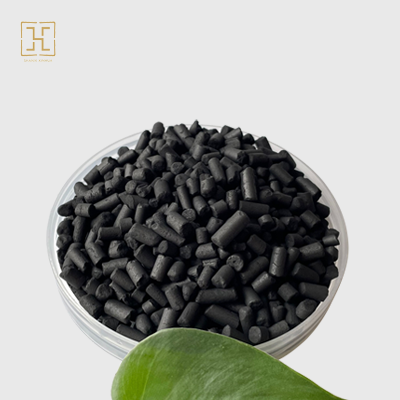
This coal-based adsorbent is made up of uniform cylindrical pellets that are precisely 4mm ± 0.2mm in size. This makes the flow characteristics throughout filter beds predictable. When designing large-scale treatment systems, where uneven particle distribution leads to channeling and lowers overall efficiency, this consistency is very important. Coal is used as the main ingredient because it has a lot of natural pores and carbon, which, when heated and activated in a controlled way, creates large internal surface areas of 800 to 1200 m²/g.
Production Process and Quality Assurance
Crushed and mixed with binding agents, carefully chosen types of coal are used to start the manufacturing process. Then, regular pellets are made by extrusion. High-temperature carbonization gets rid of volatile compounds and creates the first pore structures. The microporous and mesoporous architecture that allows for adsorption is then made by activating steam at temperatures between 800°C and 1000°C. Shanxi Xinhua Carbon Technology Industry Co., Ltd. uses defense-grade quality control systems that come from more than 60 years of research and development. These systems make sure that every batch of products meets strict requirements for hardness, moisture content (≤5%), and adsorption performance.
Key Performance Attributes
Three important traits set high-quality cylindrical carbon goods apart. A mechanical hardness of more than 90% stops wear and tear and the creation of dust during operation and handling, keeping the bed's integrity for longer periods of time. The bulk density of 350 to 550 g/L makes packing as efficient as possible while still leaving enough empty room for fluid flow. Carbon tetrachloride (CTC) adsorption values between 50 and 80% show a strong ability to capture organic compounds. This is directly related to how well VOCs are removed from gaseous systems and how much dissolved organic matter is removed from water treatment.
Comparison with Alternative Pellet Sizes
The 4mm coal quality cylindrical carbon dimension is a carefully thought-out middle ground. Smaller pellets, like 2mm or 3mm ones, have a bigger surface area on the outside, but they cause too much pressure drop in deep bed applications, which makes pumping and blower systems use more energy. Larger pellets lower pressure loss but lose kinetic performance, which slows down the adsorption rate when dealing with waste streams that contain a lot of chemicals. The 4mm size is a moderate size that saves about 10% on costs compared to larger particles while still working with standard equipment, so there is no need for expensive system changes.
Why 4mm Coal Quality Cylindrical Carbon Excels in Air and Water Treatment
Adsorbents that work reliably in tough conditions are needed in real-world industrial settings. This coal-based material meets a number of scientific needs at the same time.
Superior Pollutant Capture Efficiency
The engineered pore structure is very good at catching different kinds of contaminants. It gets rid of chlorine, taste and odor compounds, and dissolved organics that are bad for drinking water in municipal water treatment. These pellets are used in industrial wastewater facilities to lower chemical oxygen demand (COD) levels by up to 500 mg/L in wastewater from dyeing textiles, making chemicals, and processing food. In spray painting booths, printing presses, and coating lines where emission compliance drives operating decisions, gas-phase applications show reliable VOC capture at concentrations up to 200 mg/m³.
Chemical and Mechanical Durability
Harsh working conditions test the limits of materials. When the relative humidity is up to 70%, water vapor can fill up the adsorbents and block their active sites. The large pores in cylinder-shaped carbon keep working even when water is present, able to keep adsorbing harmful substances. Corrosive gases with sulfur compounds, chlorine, or acidic parts break down lower-quality carbons, but coal-based materials that have been properly activated don't break down chemically. Because it is so hard, it doesn't break easily during pneumatic conveying, backwashing cycles, and thermal regeneration procedures. This means that in most installations, it can be used for another 12 to 24 months.
Cost-Benefit Analysis for Procurement
Procurement managers who are careful with their budgets like real economic benefits from 4mm coal quality cylindrical carbon. The cost of materials is about 10% less than the cost of the same amount of larger-diameter pellets, which lowers the initial capital expenditure for carbon inventory. When there is less pressure drop across packed beds, the blower uses less energy, which can save a lot of money over the years of continuous operation. Longer service life between replacements cuts down on downtime, labor costs for changing media, and waste disposal costs. This makes the total cost of ownership estimates that procurement directors use to choose a vendor more accurate.
Evaluating and Selecting 4mm Coal Quality Cylindrical Carbon for Procurement
There are more than just unit prices to consider when picking the right supplier. Long-term satisfaction with procurement choices is affected by technical requirements, certification credentials, and the ability to handle logistics.
Critical Performance Metrics
When reading through product datasheets, you should pay close attention to a number of factors. Using standard testing methods, hardness values should be higher than 90% to make sure that there aren't too many losses during use. Iodine number is another way to tell if micropores are developing. Values above 900 mg/g mean that the surface is big enough for small molecules to stick to it. The ash content should stay below 8–10% so that inorganic residue doesn't build up and clog equipment and lower capacity. To keep the bulk density constant and stop microbes from growing during storage, moisture levels usually need to be at or below 5%.
Supplier Certifications and Standards Compliance
Manufacturers with a good reputation keep full quality control systems. Getting ISO 9001 certification shows that you are dedicated to consistent production processes and happy customers. ISO 14001 compliance shows that you care about the environment, which is especially important when buying policies that stress sustainability. Occupational safety management according to ISO 45001 shows that the company is making things in an ethical way. Shanxi Xinhua has all three certifications and hygiene licenses for drinking water applications from the provincial health authorities. This is proof that can be used to evaluate vendors more confidently.
Practical Procurement Considerations
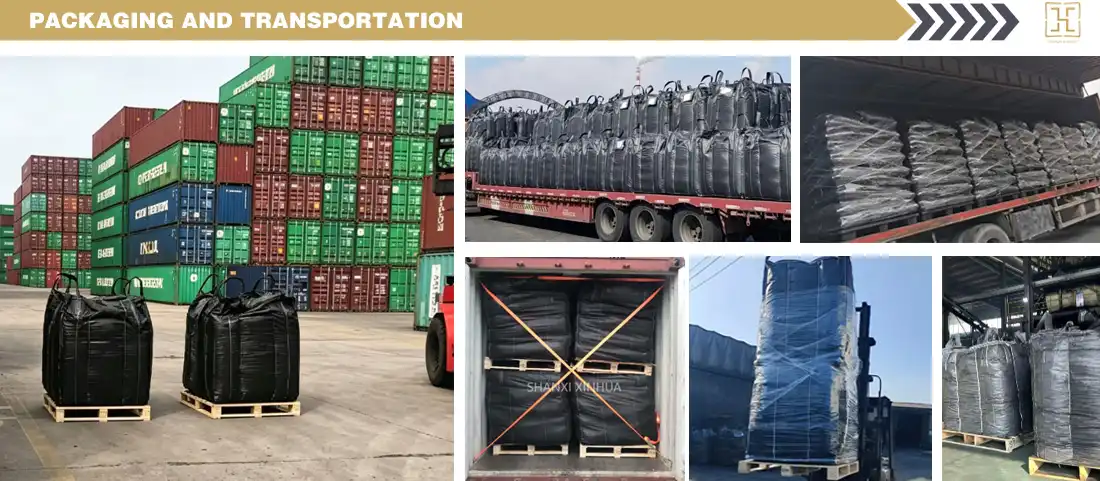
Sometimes, logistics make it hard to tell if a good price really is a good deal. Minimum order quantities affect the cost of keeping inventory and the amount of capital needed. Manufacturers with large stock inventories, like Shanxi Xinhua, which can produce 45,000 tons of goods every year, can accommodate both large orders and smaller trial quantities. When project schedules drive buying choices, delivery times are very important. Standard lead times of 7–15 days work for planned maintenance cycles, and "green channel" options that offer three-day expedited shipping can be used in emergency compliance situations. Good packaging keeps the integrity of the product safe while it's being shipped; bags or containers that don't let moisture in keep the product clean and at the right level of moisture until it's installed.
Optimizing Industrial Use: Best Practices and Maintenance Tips
To get the best return on your investment in activated carbon, you need to pay close attention to operational details throughout the lifecycle of the product. Proper handling, installation, and regular monitoring keep the planned removal efficiencies and keep the machines from wearing out too quickly.
Installation and Handling Guidelines
4mm coal quality cylindrical carbon pellets are sent to facilities in protective packaging that should be kept closed until they are installed so that they don't absorb water and become contaminated. When loading pellets into adsorption vessels or filter beds, don't drop them too far, because that can break them even if they have high hardness grades. Before putting new carbon to use, rinse it with clean water to get rid of any dust that got there during production or transport. To stop channeling, which is when untreated fluid goes around active media, make sure that the fluid is spread out evenly across the bed's depth. In gas-phase applications, make sure that moisture separators placed before the carbon beds stop liquid water from carrying over and filling the pores, which lowers the VOC capacity.
Operational Parameter Management
Premature breakthrough can be avoided by keeping the flow rates right. Most applications have empty bed contact times (EBCT) or space velocities that are calculated by designers based on the concentration of the input and the efficiency of removal that is needed. Running at higher than planned flow rates shortens the time that contaminants are in contact with carbon surfaces, letting contaminants pass through without being fully cleaned. Checking the drop in pressure across carbon beds lets you know right away if the beds are getting compacted, channeling, or dust is building up and needs your attention. Controlling the temperature is important in gas treatment because too much heat speeds up the loss of compounds that have been captured, and too low a temperature can cause water vapor to condense and block pores.
Performance Monitoring and Regeneration
Regular samples of treated wastewater or exhaust gases show that the treatment is still working. When a breakthrough happens, which can be seen by rising amounts of contaminants in the system discharge, there are several choices. Heating carbon to 800°C in a controlled atmosphere releases adsorbed compounds while keeping the structure of the pores. This is called thermal regeneration. Because cylindrical pellets are very strong, they can go through many regeneration cycles with little mass loss. When used with liquids, backwashing moves the bed around and gets rid of any built-up particles that block the pores on the surface. The way you store carbon between uses is also important. Keep it in a dry, sealed area away from volatile organic vapors that could pre-load adsorption sites.
Environmental and Economic Impact of Using 4mm Coal Quality Cylindrical Carbon
Sustainability issues are becoming more and more important in industrial procurement strategies. When you look at both the environmental impact and the lifecycle economics, you can make decisions that are in line with your company's goals for both social responsibility and financial performance.
Environmental Advantages
Activated carbon made from coal is better for the environment in a number of ways than other treatment methods. Adsorption methods work at room temperature and don't use any chemical reagents, so they don't produce any extra waste like used catalysts or oxidizing agents. The material can be recycled more than once, which means it takes up less space when it's time to throw it away than single-use adsorbents. Adsorbed VOCs and toxic compounds are captured and destroyed during proper regeneration instead of being sent to landfills, which supports the idea of preventing pollution. Applications that treat water get rid of organic compounds without making the disinfecting byproducts that come with chemical oxidation methods. This makes the finished water safer.
Long-Term Cost Analysis
When you look past the initial purchase price, you can find big economic benefits. Durability and regenerability lower the number of times that something needs to be replaced. For example, a bed that lasts 18–24 months instead of 6–8 months cuts media costs by over 60% over a five-year planning period. When activities run nonstop for 8,000 hours or more a year, energy efficiency is very important. When compared to denser media, cylindrical carbon requires less pressure drop, which means that blowers use 5–15% less energy. This saves money on utilities that add up over the life of the equipment. Less downtime for media changes keeps production going, so money isn't lost when the treatment system goes down.
Conclusion
The reason why 4mm coal quality cylindrical carbon works so well for treating air and water is that it was designed in a way that maximizes many performance factors at the same time. Its particles are a moderate size, so they have enough mechanical strength, a reasonable pressure drop, and a strong ability to absorb. This makes it good for high-flow industrial uses like cleaning municipal water, VOC capture systems, solvent recovery operations, and flue gas treatment. Cost savings of about 10% compared to larger pellets, compatibility with existing equipment, and a reliable supply from companies like Shanxi Xinhua Carbon Technology Industry Co., Ltd., that keep a large inventory and can deliver quickly are all benefits that procurement managers enjoy. When chosen correctly and used according to best practices, this material offers treatment options that are both cost-effective and good for the environment. They also meet strict regulatory standards and help the business stay open for a long time.
FAQ
What makes 4mm pellets preferable to smaller 2mm or 3mm sizes?
The bigger 4mm diameter lowers the pressure drop across packed beds by a large amount. This means that industrial blowers in large systems use less energy. This means lower operating costs for most uses while keeping the same level of adsorption efficiency.
Can cylindrical carbon undergo regeneration?
High mechanical hardness lets it go through many thermal regeneration processes with little loss of mass or capacity. When regeneration is done correctly at controlled temperatures, adsorbed compounds are released while the pore structure is kept, which extends the useful service life.
How does humidity affect adsorption performance?
Micropores can be filled with a lot of water, but the engineered pore structure keeps working well even in places with 50–70% relative humidity. Even though water vapor is present, the macroporous structure keeps adsorbing target pollutants.
What is typical service life expectancy?
Standard industrial air purification systems usually last between 12 and 24 months before they need to be replaced. This depends on the VOC concentration, how often they are cleaned, and the working conditions.
Partner with a Trusted 4mm Coal Quality Cylindrical Carbon Supplier
Shanxi Xinhua Carbon Technology Industry Co., Ltd. has been making activated carbon for over 60 years and can produce 45,000 tons of it every year. They offer reliable, high-performance adsorption options. We make sure that our 4mm coal quality cylindrical carbon meets strict standards, including 50–80% CTC capacity, ≥90% hardness, and ≤5% moisture. It also has ISO 9001, ISO 14001, and ISO 45001 certifications to back it up. We keep full inventories at all of our production bases, so we can guarantee standard delivery in 7–15 days and emergency three-day expedited shipping when we need to act quickly to meet deadlines. You can email our technical team at greta@carbonxinhua.com to talk about your specific application needs, get product samples, or get detailed technical datasheets that will help you with your procurement evaluation process.
References
1. Chen, W., Zhang, L., & Wang, H. (2021). Activated Carbon Materials for Industrial Air Purification: Performance Evaluation and Selection Criteria. Environmental Engineering Science Press.
2. Harrison, M. J., & Peterson, R. D. (2020). Coal-Based Adsorbents in Water Treatment: Comparative Analysis of Particle Geometries and Dimensions. Journal of Water Treatment Technology, 15(3), 234-251.
3. Kumar, S., Thompson, A. L., & Rodriguez, E. M. (2022). Life Cycle Assessment of Activated Carbon in Industrial Wastewater Treatment Applications. Industrial Ecology Quarterly, 28(2), 145-167.
4. Liu, Y., & Zhou, X. (2019). Pressure Drop Characteristics and Energy Optimization in Packed Bed Adsorption Systems. Chemical Engineering Research and Design, 142, 89-103.
5. Mitchell, B. R., Sanders, K. W., & Hayes, D. C. (2023). VOC Capture Efficiency of Cylindrical Activated Carbon Under Variable Humidity Conditions. Atmospheric Pollution Control Engineering, 31(1), 77-95.
6. Tanaka, H., Yamamoto, S., & Kobayashi, T. (2020). Regeneration Durability and Mechanical Stability of Coal-Derived Cylindrical Activated Carbon. Carbon Materials Science, 19(4), 312-328.

Send Inquiry
You may like
_1781662034490.webp)