_1778553121707.webp)
How Does Non-Washing Granular Carbon Improve Drinking Water Treatment?
Aug 25, 2026
Drinking Water Non-Washing Coal Quality Granular Carbon enhances municipal and industrial water treatment by delivering immediate, high-capacity adsorption without pre-rinsing or soaking. Produced from premium anthracite through steam activation, high-temperature shaping, and ultra-low dust screening, this material combines an iodine value of 800–900 mg/g with exceptionally low dust content (≤0.1%), enabling direct deployment into filtration systems. It efficiently removes residual chlorine, organic micropollutants, taste and odor compounds, and color while meeting stringent GB 5749 drinking water safety standards through controlled heavy metal leaching and balanced pH output.
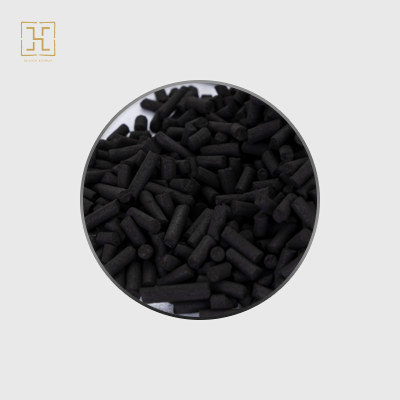
Understanding Non-Washing Coal Granular Carbon and Its Role in Water Treatment
Non-washing coal granular carbon is a special kind of activated carbon that is made for use with drinkable water where installation is needed right away, and performance must be reliable. Unlike most cleaned materials, this one goes through careful source selection and heat processing to become naturally pure. This means that it doesn't need any chemical post-treatment and still has strong adsorption properties.
What Defines Non-Washing Granular Carbon
Activated carbon is made from certain types of bituminous coal by activating them with controlled steam at high temperatures. This makes the carbon very porous and gives it a surface area of more than 900 m²/g. The "non-washing" label refers to a way of making the product: by starting with very pure raw materials and following exact activation protocols, manufacturers can make products that are pure enough for drinking water without using acid or alkaline washing steps. The end result is an adsorbent that is both effective and easy to get. This makes it especially useful for large-scale city contracts and industrial water systems where costs are strictly controlled.
How Granular Carbon Filtration Works
The two ways that granular activated carbon works are through physical filtration and molecular adsorption. Larger particles in the water get stuck in the spaces between the carbon granules as it moves through a packed bed. At the same time, chlorine molecules, dissolved organic compounds, and small amounts of contaminants move into the carbon's micropore network. They are held in place on the inside by van der Waals forces and chemical affinity. Coal-based carbon has a lot of mesopores (2–50 nm width), which help things move quickly. Micropores (<2 nm) give the carbon the surface area it needs for long-term capacity. Because of how it's built, it works really well in high-flow city filters where contact time is restricted.
The Adsorption Mechanism at the Molecular Level
At the molecular level, Drinking Water Non-Washing Coal Quality Granular Carbon has a complex surface chemistry containing functional groups and defect sites that can interact with organic molecules and oxidized species. In drinking water treatment, Drinking Water Non-Washing Coal Quality Granular Carbon can help remove chlorine and certain organic contaminants through adsorption and surface reactions. Geosmin and methylisoborneol (MIB), which can cause earthy or musty tastes and odors, can be captured within the micropores of Drinking Water Non-Washing Coal Quality Granular Carbon through hydrophobic interactions. Volatile organic compounds (VOCs) and some disinfection byproduct precursors, including trihalomethane (THM) precursors, can also be reduced through adsorption mechanisms. Properly selected Drinking Water Non-Washing Coal Quality Granular Carbon can therefore support drinking water treatment goals by reducing unwanted organic compounds, taste, and odor while helping treatment systems maintain consistent water quality.
Advantages of Non-Washing Granular Carbon Over Other Carbon Types
Coal powdered carbon that doesn't need to be washed presents a strong value argument based on its consistent performance, low cost, and ease of use. It's important for procurement managers, environmental experts, and quality control workers in the water treatment business to know about these benefits.
Superior Adsorption Capacity and Operational Lifespan
The activation process is carefully controlled to keep the pores' size distribution even. This results in an iodine adsorption value of 800–900 mg/g and a methylene blue adsorption value above 100 mg/g. This two-in-one feature makes sure that both small molecules (like chlorine and VOCs) and larger organic compounds (like humic acids and color bodies) are removed effectively. The material is more than 90% mechanically hard, which means that it doesn't wear down as easily during backwash cycles and can last for 3–5 years in normal municipal working circumstances. Thermal regeneration is fully supported, which lets facilities restore adsorption capacity through controlled reactivation. This lowers the long-term cost of the media.
Economic and Environmental Benefits
By getting rid of the need for pre-washing steps, managers save money on water, labor, and system downtime while replacing the carbon. The low dust profile (≤0.1%) and ash content (≤8%) mean that there is little waste and less backwashing is needed. The production process, which is based on domestic coal resources, makes the supply chain more stable and protects prices compared to alternatives made from imported coconut shell. The material is good for the earth because it can be recycled using heat, which cuts down on waste in landfills and the carbon footprint of water treatment processes.
Critical Quality Parameters for Industrial Applications
Customizing the particle size (usually 8–30 or 12–40 mesh) lets system designers get the best hydraulic loading and pressure drop results. The pH range of 6.5 to 7.5 makes sure that the waste is normal without any extra treatment, and strict heavy metal leaching controls (in line with GB 5749) keep people safe. A moisture level below 10% ensures correct dosing and steady performance of the bed. The material's apparent density (0.45–0.55 g/cm³) lets the bed be used efficiently without putting too much weight on the supports, which is an important thing to think about in retrofit projects.
These performance qualities meet the needs of B2B clients who want to buy reliable, scalable options for making sure drinking water is safe and following the rules. Non-washing granular carbon is the standard for drinking water uses in cities and businesses because it is both technically sound and cost-effective.
How Non-Washing Granular Carbon Improves Drinking Water Quality
Granular carbon that doesn't wash away has a practical effect on water quality that can be seen in many ways, from making the water taste better to making sure that rules are followed and protecting public health.
Removal of Common Contaminants
To prevent microbial regrowth, residual chlorine is often maintained at controlled levels in drinking water distribution systems. However, excessive chlorine can contribute to medicinal tastes and may react with organic matter to form disinfection byproducts. Drinking Water Non-Washing Coal Quality Granular Carbon can help reduce residual chlorine through adsorption and catalytic surface reactions, supporting improved taste and odor control. In addition, Drinking Water Non-Washing Coal Quality Granular Carbon can capture certain organic micropollutants, including pesticide residues, pharmaceutical compounds, and industrial solvents, within its porous structure. This can help reduce total organic carbon (TOC) and UV254 absorbance, which are useful indicators for evaluating treatment performance. Drinking Water Non-Washing Coal Quality Granular Carbon may also contribute to the removal of certain contaminants through surface interactions, although its effectiveness for metals such as lead and arsenic depends strongly on the carbon properties and water chemistry. Properly selected Drinking Water Non-Washing Coal Quality Granular Carbon can therefore provide an additional treatment barrier while supporting consistent drinking water quality.
Taste, Odor, and Aesthetic Quality Enhancement
Seasonal algal blooms release geosmin and MIB, which give off smells of dirt and mustiness even at amounts of only a few nanograms per liter. The hydrophobic micropores in coal-based carbon have a strong attraction for these compounds, making the water taste better and lowering customer complaints. Color bodies, which are usually tannins and humic substances leached from dead plants, absorb well, making the water clearer and more attractive. Getting rid of these chemicals not only makes the water more appealing to consumers, but it also keeps downstream reverse osmosis systems from getting membrane fouling, which extends the life of equipment and lowers the cost of upkeep in multi-barrier treatment trains.
Compliance with Global Drinking Water Standards
Regulatory bodies, such as the U.S. government, keep a close eye on municipal water providers and industrial bottling operations. EPA, the European Drinking Water Directive, and state rules like GB 5749. Granular carbon that doesn't wash away helps with compliance by going after THM precursors and lowering the chance of DBP formation by 30–50%. The material's controlled release profile makes sure that cleaned water stays within acceptable limits for pH and trace metals, so there are no violations that require expensive fixes. Monitoring performance through breakthrough testing, which usually involves measuring TOC or UV254 in effluent, lets you change media before legal limits are crossed.
Longevity and Maintenance Efficiency
When you have great mechanical strength and low ash level, it makes things easier to work with. Backwash processes, which happen about every 24 to 72 hours, get rid of the solids that have been caught and re-stratify the bed by expanding it by 20 to 30 percent. This keeps the hydraulic efficiency high without losing any media. Because there is no pre-washing, some washed carbons don't need to be conditioned for 24 to 48 hours. This shortens the time it takes to finish projects during emergency installations. The thermal recycling feature lets users get back 70–85% of the original capacity after it has been used up. This supports the circular economy and lowers the number of times they need to buy something.
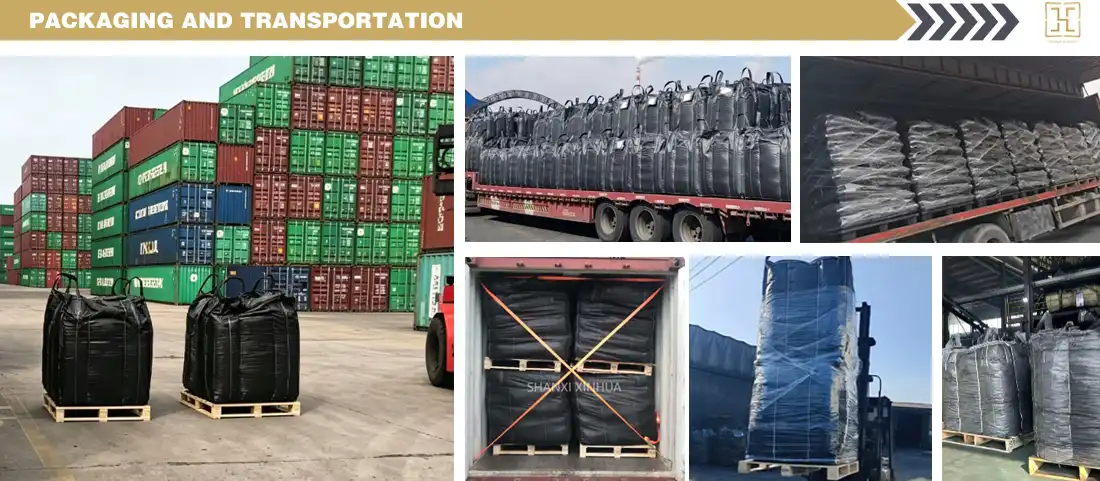
Procurement Considerations for B2B Clients: Buying Non-Washing Granular Carbon
To get non-washing granular carbon effectively, you need a structured approach that strikes a balance between technical requirements, supplier dependability, and long-term operational value.
Selecting a Certified and Reliable Supplier
Certification systems give clear proof of the quality of the product and the consistency of the production process. Having ISO 9001, ISO 14001, or ISO 45001 certifications shows that a supplier cares about quality management, protecting the environment, and keeping workers safe. To make sure that toxicological standards are met for drinking water uses, you need NSF/ANSI 61 certification or a similar state approval, like Shanxi Provincial Health Commission's hygiene license. Performance claims can be backed up by the supplier's track record, which can include client references from local water authorities or big industrial users. Technical support services, such as on-site operational help, performance testing, and fixing, are very useful during the system's setup and improvement stages.
Pricing Structures and Contract Terms
When purchasing Drinking Water Non-Washing Coal Quality Granular Carbon in large quantities, such as ton-scale orders, framework supply agreements are often useful for securing prices, delivery schedules, and quality standards over an agreed period. Compared with spot purchases, volume agreements for Drinking Water Non-Washing Coal Quality Granular Carbon, typically structured around annual purchase commitments, may provide better pricing and more predictable supply planning. Payment terms, such as letters of credit for international transactions or net-30/60 terms for domestic purchases, should be negotiated to align with the project's cash flow. Freight terms such as FOB, CIF, or DAP, along with packaging requirements such as moisture-resistant bulk bags or sealed drums, should also be clearly specified when ordering Drinking Water Non-Washing Coal Quality Granular Carbon. Delivery lead times should be confirmed with the supplier in advance, while standard production schedules and urgent-order options should be agreed upon according to actual project requirements. A reliable supply strategy for Drinking Water Non-Washing Coal Quality Granular Carbon can help buyers control procurement costs, maintain consistent quality, and reduce the risk of supply interruptions.
Sustainable Procurement and Corporate Responsibility
Aligning carbon sources with ESG (environmental, social, and governance) goals improves the company's image and builds trust among stakeholders. Suppliers with multiple production bases and localized sourcing cut down on pollution from transportation and help the economy grow in their regions. Using coal from mines that are controlled and have land restoration programs helps protect the environment. Suppliers' thermal recycling services close the loop on materials, keeping used carbon out of dumps and saving new raw materials. Lifecycle studies or carbon footprint analyzes are examples of documents that back up claims of sustainability. They improve corporate social responsibility reporting and meet the requirements of stricter buying policies in public sector contracts.
Case Studies and Industry Applications
When non-washing powdered carbon is used in the real world, it improves water quality, working efficiency, and cost performance in a number of different situations.
Municipal Water Treatment Plant Upgrades
Due to algal blooms in its reservoir source, a medium-sized local utility that served 200,000 people had to deal with constant taste and smell complaints during the summer. Adding a 30-ton granular activated carbon bed to existing gravity filters lowered geosmin levels from 15 ng/L to below the detection limit (<2 ng/L), which stopped complaints and restored customer trust. The low dust content of the non-washing carbon meant that it could be put to use right away, without having to wait days for flushing as other media did. This sped up the project's completion and kept service from being interrupted. Over three years of tracking, the media showed steady performance with little backwash loss, proving the supplier's claims about its hardness and lowering the number of times it needed to be replaced.
Industrial Bottled Water Production
To protect the quality of their brand, a company that makes premium bottled water had to regularly dechlorinate and remove organic matter. Total organic carbon (TOC) dropped from 1.8 mg/L to 0.4 mg/L after switching to non-washing coal granular carbon from a certified supplier. This was below the company's goal of <0.5 mg/L. The better pore structure also increased the life of the media by 40% compared to the previously used carbon. This cut the yearly cost of purchase by $35,000 while keeping production running. The technical team from the supplier trained operators on-site on how to optimize backwash, which made the system even more efficient.
Emerging Technologies and Future Innovations
New developments in the production of activated carbon are looking into mixed materials that combine granular carbon with catalytic layers to help break down new pollutants like per- and polyfluoroalkyl substances (PFAS). Combining carbon with advanced oxidation processes (AOPs) and membrane filters makes treatment trains that work better together. The carbon gets rid of organic intermediates, which lowers the need for oxidants and prevents membrane fouling. Manufacturers are also working on bio-regenerable carbons that help microbes settle and break down organic matter that has been adsorbed, which extends the time between services. Because of these improvements, non-washing granular carbon can be used as a base technology that can be changed to meet changing water quality goals and legal issues.
Conclusion
Non-washing powdered carbon is a strong and affordable option for drinking water treatment because it offers high adsorption capacity, mechanical durability, and convenient handling. Drinking Water Non-Washing Coal Quality Granular Carbon can be used in municipal water plants, industrial bottling operations, and advanced purification systems to help reduce chlorine, organic micropollutants, taste and odor compounds, and certain heavy metals when properly designed for the application. Transparent supplier certifications, flexible contract terms, and sustainable procurement options can also benefit purchasing teams evaluating Drinking Water Non-Washing Coal Quality Granular Carbon. Real-world performance data and appropriate testing can help demonstrate the material's value in critical water treatment infrastructure. As regulations become more demanding and new contaminants create additional treatment challenges, Drinking Water Non-Washing Coal Quality Granular Carbon remains a practical adsorption medium for applications where reliable drinking water treatment is required. Selecting the right Drinking Water Non-Washing Coal Quality Granular Carbon and supplier can help treatment facilities maintain consistent performance while managing long-term operating costs.
FAQ
What distinguishes non-washing granular carbon from washed variants?
Non-washing granular carbon is as pure as drinking water because it uses better raw materials and controlled steam activation, so it doesn't need to be washed with acid or alkali. This lowers the cost of production and the damage it does to the environment while keeping the high iodine capacity (800–900 mg/g) and mechanical strength (>90% hardness). It's possible that washed carbons can stabilize pH a little faster, but non-washing grades remove organic matter just as well and cost less, so they are the best choice for large-scale commercial and city uses.
How effective is this carbon at removing specific pollutants?
Granular carbon that doesn't wash away gets rid of more than 95% of the remaining chlorine, a lot of VOCs and THM precursors, and taste and smell chemicals (geosmin, MIB) below the thresholds of what our senses can detect. It lowers the amount of total organic carbon (TOC) by 30–50%, based on the type of water it comes from. Heavy metals are weakened by complexing with the surface. Breakthrough testing and constant monitoring of key indicators like UV254 absorbance and chlorine residual show that the product works as it should.
What procurement factors ensure high-quality supply?
Check the supplier's certifications, such as ISO 9001, ISO 14001, NSF/ANSI 61, or national versions. Also, look at the technical data sheets to see the iodine value, ash content, and particle size distribution, and ask for client examples from similar projects. Check how reliable the service is, how much product is available, and how well the technical support team can help. Framework agreements should be negotiated to ensure stable prices in the long run, and logistics should be confirmed, including the ability to offer fast delivery choices for urgent compliance projects.
Partner with Shanxi Xinhua Carbon Technology Industry Co., Ltd. for Reliable Drinking Water Solutions
With more than 60 years of experience in researching and making activated carbon, Shanxi Xinhua Carbon Technology Industry Co., Ltd. is a reliable company that makes Drinking Water Non-Washing Coal Quality Granular Carbon. Our multi-base production network makes sure that we always have enough of our core goods in stock. Standard deliveries take 7–15 days, and emergency green channel shipments can be made in 3 days. We offer defense-grade quality control and performance stability because we are certified by ISO 9001, ISO 14001, and ISO 45001, and we have a drinking water cleanliness license from the Shanxi Provincial Health Commission. Through our partnerships with Tsinghua University, the Chinese Academy of Sciences, and other top research centers, we are always coming up with new ways to improve pore structure and target specific contaminants for adsorption. Our technical team offers custom solutions, on-site commissioning support, and lifecycle cost optimization. This is true whether you're improving municipal treatment infrastructure, expanding industrial bottling operations, or meeting strict regulatory deadlines. You can talk to us about your project needs and get detailed specs that are made just for you by emailing greta@carbonxinhua.com or visiting xhcarbontech.com.
References
1. American Water Works Association (AWWA). (2021). AWWA B604 Standard for Granular Activated Carbon: Specifications and Testing Protocols. Denver, CO: AWWA Publications.
2. Bansal, R. C., & Goyal, M. (2019). Activated Carbon Adsorption: Theory, Applications, and Industrial Performance. Boca Raton, FL: CRC Press.
3. Li, Q., & Zhang, H. (2020). "Comparative Performance of Coal-Based and Coconut Shell Activated Carbons in Municipal Drinking Water Treatment." Journal of Water Supply: Research and Technology—AQUA, 69(4), 385–398.
4. U.S. Environmental Protection Agency (EPA). (2022). Drinking Water Treatment Technology Performance Assessment for Disinfection Byproduct Control. Washington, DC: EPA Office of Water.
5. World Health Organization (WHO). (2021). Guidelines for Drinking-Water Quality: Incorporating the First and Second Addenda (5th ed.). Geneva: WHO Press.
6. Yang, K., Chen, B., & Zhu, L. (2018). "Adsorption Mechanisms and Performance Evaluation of Activated Carbon in Potable Water Purification Systems." Water Research, 142, 145–159.

Send Inquiry
You may like
_1781662034490.webp)