_1778553121707.webp)
How Does No-Wash Coal-Based Activated Carbon Reduce Processing Costs?
Aug 24, 2026
No-wash coal-based activated carbon reduces processing costs by eliminating the traditional pre-rinsing phase entirely. This ready-to-use material undergoes advanced dust removal and purification during manufacturing, meaning it can be directly added to treatment systems without the labor, water consumption, and system downtime typically associated with washing conventional carbon. The result is immediate cost savings across water usage, energy consumption, equipment maintenance, and operational efficiency—benefits that accumulate significantly in large-scale industrial applications requiring continuous filtration performance.
Understanding No-Wash Coal-Based Activated Carbon
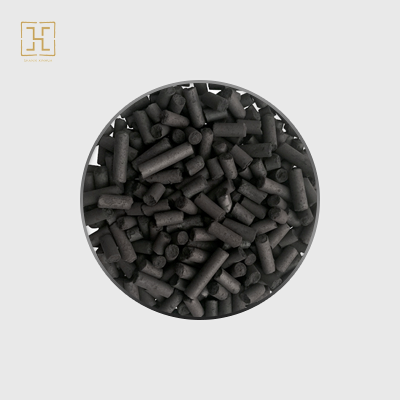
The creation of No-wash coal-based activated carbon is a big step forward in the field of industrial filter media. Unlike other activated carbon products, which release black water and small particles when first wet, this special material goes through a lot of processing at the plant to make it ready to use right away for tough purification tasks.
What Sets No-Wash Carbon Apart from Conventional Varieties
No-wash coal-based activated carbon is made from high-quality anthracite through standard activation, precise sieving, and thorough dust removal processes. The most important thing that makes it different is that it has very little dust—usually less than 0.1%—so it doesn't need to be cleaned very well before installation. Rinsing traditional carbons for hours at a time uses hundreds of gallons of water per ton of media to get rid of surface fines and keep pH levels stable. No-wash versions don't do this step at all, so they have fixed chemistry and particles of the same size right out of the box. This means that the system can be set up faster, labor costs will go down, and it can start producing right away without having to worry about downstream filters getting clogged or turbidity rules being broken.
Core Manufacturing Process and Cost-Optimized Design
To make No-wash coal-based activated carbon, heat is applied in controlled atmospheres to create microporous structures that can hold between 600 and 800 mg/g of iodine. After that, advanced dry cleaning methods get rid of the small fines and surface debris that the customer would normally have to wash off. This built-in quality control at the factory makes sure that the ash content stays below 10%, the mechanical strength goes over 85%, and the pH stays neutral between 6.0 and 10.0. Producers lower overall processing costs while improving product consistency by moving the cleaning task from the end user to the manufacturing stage, where it can be done more quickly and on a larger scale. The improved pore structure keeps the good qualities for getting rid of organic compounds, so this material can be used to treat both potable water and industrial wastewater.
Key Performance Characteristics Supporting Cost Efficiency
No-wash coal-based activated carbon keeps its well-developed microporous structure, which effectively removes colors, smells, and organic impurities. The media is very good at getting rid of both large and small molecules of contaminants, as shown by its methylene blue adsorption values of 80 mg/g or more. The mesh sizes can be changed from 6-12 to 8-30 mesh, which makes it possible to perfectly match the hydraulic loading conditions and particle profiles. With this much flexibility, buying teams can choose the best materials for each job, avoiding over-specification and wasteful spending while still meeting strict performance standards like ASTM D series and AWWA B604 requirements.
How No-Wash Coal-Based Activated Carbon Reduces Processing Costs
No-wash coal-based activated carbon has many economic benefits that add up to a lower total cost of ownership for industrial cleaning systems.
Elimination of Pre-Treatment Water and Labor Requirements
Activated carbon installations that are done the old way need a lot of backwashing to get rid of production dust and keep the quality of the runoff stable. For every cubic foot of media, this process usually needs 300 to 500 gallons of water and 2 to 4 hours of skilled labor per vessel. With No-wash coal-based activated carbon, none of these things are needed at all. Instead of waiting hours, facilities can put media straight into filter vessels and start making things in minutes. Just the water savings alone save a lot of money in places where energy costs are high or water is scarce. Avoiding labor costs is also very important; environmental engineering teams can use their staff for more valuable tasks instead of washing things over and over again during shifts. This ready-to-use quality is especially helpful for automated dosing systems and continuous production lines, since unplanned downtime for media preparation has a direct effect on production throughput and revenue generation.
Reduced Energy Consumption Throughout System Lifecycle
Activated carbon use has energy costs that go beyond the original preparation. It takes a lot of power to pump water for backwashing, warmth for some uses, and regeneration processes. All of these needs are met less by No-wash coal-based activated carbon. Since there is no initial washing, there is no need for pumping energy to move hundreds of gallons through filter beds. The high mechanical strength (usually above 85% ball-pan hardness) of the material reduces wear and tear during service, which means that media doesn't need to be replaced as often, which saves energy that would have been used for moving and throwing away old media. When it makes financial sense, the cleaner surface chemistry of No-wash coal-based activated carbon often makes thermal reactivation work better, needing lower temperatures and shorter cycle times to get back to full adsorption capacity. In big businesses that process thousands of gallons of water every day, these energy savings add up to a lot.
Extended Equipment Life and Lower Maintenance Costs
Regular carbon's dust and fine particles make pumps, valves, and other equipment used after filtering wear out faster. The very low dust level in No-wash coal-based activated carbon saves these system parts, which means they don't need to be serviced as often and costs for upkeep go down. When fines aren't present, pressure drops across filter beds stay stable for longer. This is because fines don't cause premature clogging, which would require more frequent backwashing or media replacements. This steadiness means that running costs can be predicted more accurately, and budgets can be made more accurately. The neutral pH also stops rusting problems that happen in systems with carbons that aren't well balanced, which protects infrastructure investments even more. When facilities switch from regular carbon formulations to No-wash coal-based activated carbon formulations, maintenance costs drop by 15% to 25%.
Higher Throughput and Improved Process Efficiency
No-wash coal-based activated carbon lets you start making things right away, without the usual performance ramp-up time. There is no "break-in" phase like there is with traditional carbons, where they slowly lose fines and settle performance. Adsorption capacity is fully available from the first moment of contact. This immediate effectiveness means that treatment systems reach their design removal efficiencies more quickly. This cuts down on the need for chemicals in secondary treatment processes and speeds up the time it takes for new installations to become compliant. The even distribution of particle sizes also improves hydraulic flow patterns, reducing channeling and increasing bed utilization. When you add these things together, you get more throughput per pound of carbon, which directly cuts down on material use and purchase costs over the life of the machine.
Application Scenarios Driving Cost-Efficient Use of No-Wash Coal Activated Carbon
These examples from a wide range of businesses show how No-wash coal-based activated carbon can save money in tough working conditions.
Municipal and Industrial Water Purification
No-wash coal-based activated carbon technology is most useful in drinking water treatment plants and industrial process water systems. Granular media are used by municipal facilities that treat public water sources to get rid of substances that give water its taste and smell, disinfection byproduct precursors, and small amounts of organic pollutants. Because filters can be loaded and turned on without a lot of pre-rinsing, commissioning time is cut from days to hours. This is very important when putting new treatment trains online to meet seasonal demand peaks. Industrial sites that make high-purity process water for making electronics or medicines also benefit from not having carbon fines that could get into sensitive processes further down the line. One company that makes drinks said that moving to No-wash coal-based activated carbon for a 10,000 GPM polishing system saved them $12,000 a year in water and labor costs. It also stopped turbidity trips that were causing batch rejects.
Gas Phase Treatment and VOC Control
Activated carbon beds are used in industrial air cleaning systems to remove volatile organic compounds, toxic gases, and smell molecules from waste streams. In these situations, the No-wash coal-based activated carbon format is very useful because dry installation stops the entry of wetness that could lower the ability to absorb or encourage biological growth in media beds. Chemical companies, coating operations, and printing shops have reported cutting their carbon emissions by 20% when they use No-wash coal-based activated carbon media that is designed for the contaminants that are found in those places. Because the pores are uniform and there is little ash, there is a lot of active surface area. This means that smaller bed volumes are needed to get the same removal performance as with regular carbons. This saves space, which means that the ship costs less and needs less energy to regenerate.
Wastewater and Electroplating Effluent Treatment
These processes need to be able to be set up quickly in case of compliance emergencies or capacity increases. No-wash coal-based activated carbon works great in these situations because it lets the system start up right away, without having to go through the time-consuming and complicated pre-treatment steps. A metal finishing plant that needed to fix an urgent discharge permit violation put in emergency carbon adsorption units with No-wash coal-based activated carbon media and got compliant effluent quality in 6 hours, which would not have been possible with regular carbon because it needs to be washed many times. The material can effectively get rid of heavy metals, organic dyes, and complex chemical compounds. This makes it good for difficult waste streams where treatment performance directly affects regulatory compliance and operating consistency.
Comparing No-Wash Coal-Based Activated Carbon with Other Activated Carbon Types
Knowing the technical and economic situation of No-wash coal-based activated carbon in comparison to other materials allows for more informed purchasing choices that are in line with the needs of your application and your budget.
Performance and Cost Analysis Against Washed Coal Carbons
The main difference between No-wash coal-based activated carbon and washed coal carbons is how much it costs to process them, not how well they absorb things. Both come from the same type of coal and have about the same amount of iodine and hole structure. The main difference is in the total cost of installation and the readiness to go into operation. No-wash coal-based activated carbon usually costs 5 to 10 percent more per pound than regular grades, but this difference goes away when you consider the costs of water, labor, and downtime that come with washing at the customer's location. Facilities that process the same amount of material every year (about 50 tons) usually reach cost parity within 6 to 8 months, and all purchases after that end up saving money. The performance benefit comes from consistency—No-wash coal-based activated carbon gives uniform, specification-grade performance as soon as it is installed, eliminating the differences that come from different washing methods used during different shifts or in different parts of the building.
Comparison with Coconut Shell and Wood-Based Carbons
Coconut shell activated carbon has more micropores and is harder, but it costs a lot more—often two to three times as much as coal-based options. This extra cost makes sense for uses that need the highest adsorption capacity per unit volume, like recovering gold or cleaning drugs. Wood-based carbons are in the middle. They can remove organic matter well and don't cost too much, but they aren't strong enough for high-flow uses because they aren't as strong. No-wash coal-based activated carbon is the best choice for large-scale industrial uses where durability, cost-effectiveness, and good adsorption performance all come together. A wastewater treatment plant that processes 2 million gallons of wastewater every day would have to spend an extra $45,000 a year on coconut shell carbon to get rid of a few trace organics slightly better. This is usually not worth it because the extra benefit is so small. At a much lower cost, coal-based media can remove 90% to 95% of contaminants, which is enough to meet most regulation standards.
Logistics and Bulk Procurement Considerations for North American Markets
For people who buy a lot of things, the way they get them has a big effect on their total prices. Coal-based activated carbon is mostly made in places with lots of anthracite deposits. This means that the cost of transportation affects prices across North America. When comparing options, buyers should look at where the suppliers make their products, where they store their goods, and how well they can handle logistics. When compared to single-location producers who need to ship across the country, manufacturers who keep smart supplies at multiple distribution points save money on freight costs and can quickly restock in case of an emergency. No-wash coal-based activated carbon has mesh sizes that can be changed, so buyers can choose types that pack as densely as possible, which lowers the cost of freight per ton. Agreements to buy in bulk with staged delivery schedules help keep cash flow smooth and get volume pricing benefits, which are usually 8% to 15% below spot purchase rates.
How to Choose and Procure No-Wash Coal-Based Activated Carbon for Optimal Cost Reduction
To get the most out of your investment in No-wash coal-based activated carbon, you need to carefully consider its technical specs, the supplier's capabilities, and the total cost of ownership.
Matching Product Specifications to Application Requirements
To choose the right carbon for your treatment application, you must first clearly define the contaminants you want to remove, the flow conditions, and the performance criteria that are important to you. For systems that need to meet drinking water standards, make sure that the goods you're considering meet safety standards. These include limits on heavy metals (lead below 0.05 ppm and arsenic below 0.01 ppm) and bacterial counts (usually less than 10 CFU/g). Industrial wastewater uses that want to get rid of color focus on methylene blue absorption values, while VOC control systems focus on iodine number and specific pore size distributions. Ask for thorough scientific data sheets that show all the parameters, such as the iodine value, the amount of ash and moisture, the hardness, and the distribution of particle sizes. You can find the best matches between these specs and your system design factors by comparing them. This way, you can avoid wasting time on too many specs or not getting enough performance.
Evaluating Supplier Credentials and Manufacturing Capabilities
Choosing the right supplier can affect the quality of your products, your supply, and your technical support for a long time. Manufacturers with ISO 9001 quality management, ISO 14001 environmental management, and ISO 45001 workplace health certifications should be given more attention. These certifications show that the company has a mindset of systematic process control and ongoing improvement. Look into the production scale and regional reach to figure out if the company has the ability to successfully meet your volume needs. Companies with more than one production base can protect their supply chains from problems in different regions, and by carefully placing their goods, they can also get better freight rates. Ask about research and development partnerships with well-known institutions. These show that the company is committed to coming up with new products and solving technical problems. When manufacturers work with universities and research centers to create activated carbon technology, they usually provide better application engineering help than suppliers of basic materials.
Sample Testing and Performance Validation Protocols
Before making large purchases, you should do thorough sample testing to make sure that the performance claims are true and that the product will work with your system. Ask for samples that are the right size for bench-scale or pilot testing that mimics how things will work in the real world. To test for turbidity, stir samples in purified water and check the NTU levels after 5 to 10 minutes. For true no-wash performance, the values should stay below 10 NTU. Abrasion resistance tests can be used to check the mechanical strength and guess how long the media will last under your backwash conditions. Check the contact pH to make sure it works with the next steps, especially if you use ion exchange or reverse osmosis systems that are sensitive to changes in pH. When possible, use your own contaminated water or process stream to record baseline adsorption performance. This way, you can get real performance data instead of just general specs.
Optimizing Order Quantities and Delivery Logistics
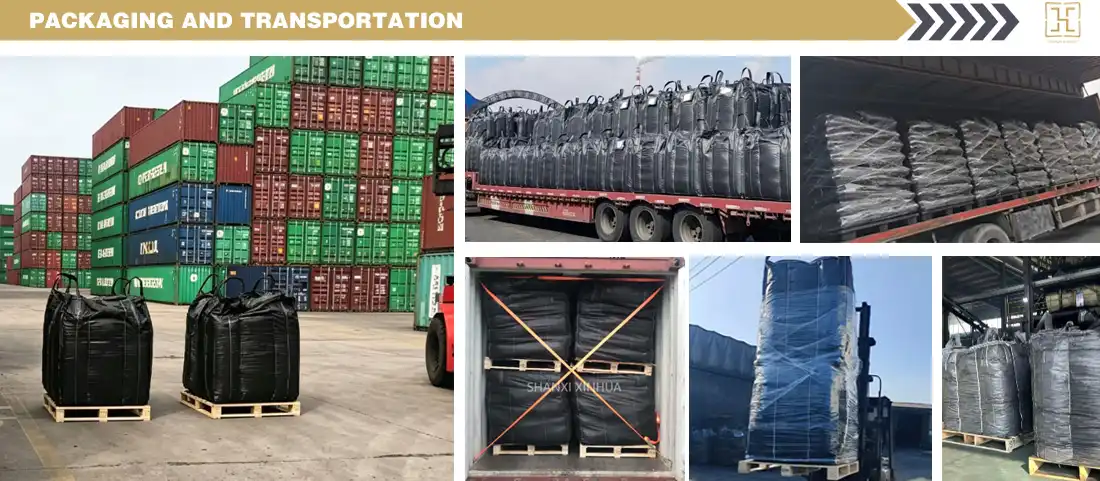
When setting up purchase deals, it's important to weigh the costs of keeping goods against the benefits of volume prices and supply security. Find the best order quantities by figuring out how much you use each year and comparing tiered pricing at different volume commitments. When compared to buying on the spot, manufacturers usually give discounts of 8% to 15% for yearly deals with orders every three months. Plan ahead for lead times—standard products usually ship within 7 to 15 days, but goods made to your exact specs may take 15 to 30 days to make. Build relationships with suppliers that offer fast delivery choices in case of an emergency. Rapid-response programs can get important materials to you within 72 hours if you need to move right away because of a system failure or compliance deadline. Make freight terms and packaging choices clear so that damage during transport is kept to a minimum, especially for granular goods that are likely to break and lose their effectiveness.
Conclusion
No-wash coal-based activated carbon reduces costs in many areas of operations by doing away with the need for pre-treatment, using less energy and water, and making the system work better. Its ready-to-use format solves important problems in industrial purification tasks while keeping the high adsorption performance needed to meet regulatory requirements. The optimized production process of the material moves cleaning to controlled factory settings where it can be done more quickly and effectively. This lowers the total cost of ownership, even though the material costs a little more per pound. People who work in procurement who need reliable, low-cost adsorption media for treating water, cleaning the air, or managing industrial trash should look for providers who offer certified no-wash goods backed by technical know-how and reliable logistics.
FAQ
What is the main difference between no-wash and standard activated carbon?
No-wash activated carbon goes through extra dust removal and surface stabilization steps at the factory, so there is no need for pre-rinsing on the customer's end before installation. When standard carbon is first wet, it releases a lot of small particles and changes the pH, so it takes hours of washing to get stable performance. No-wash versions provide constant turbidity below 10 NTU right after loading, allowing the system to start up right away without using water or requiring work to be done to get it ready.
Does eliminating the washing step reduce adsorption capacity?
When made correctly, No-wash coal-based activated carbon and regular carbons still have the same adsorption performance. The factory cleaning process only gets rid of surface impurities and fines that don't stick to the material. It leaves behind the microporous structure that formed during thermal activation. The iodine levels, pore size, and surface area stay at their best for getting rid of the target contaminants, so they can do their job fully from the start.
Can no-wash carbon be used in drinking water applications?
There is high-quality No-wash coal-based activated carbon made just for drinking water that meets strict safety standards like GB 5749 drinking water requirements and AWWA B604 specifications. Products approved for use in drinking water have controlled levels of heavy metals and are sterilized to keep bacterial numbers below legal limits. This makes sure that they can be used safely in city treatment plants and home filter systems.
Partner with a Trusted No-Wash Coal-Based Activated Carbon Supplier
Shanxi Xinhua Carbon Technology Industry Co., Ltd. is an expert in making high-quality No-wash coal-based activated carbon that is designed to lower your costs while still doing a great job of cleaning. We have been researching and making activated carbon for more than 60 years. To make products that meet the most demanding industrial needs, we mix defense-grade quality control systems with modern material technologies. Our many production bases keep a full stock of all of our main product lines. This way, we can deliver standard orders within 7 to 15 days and quickly meet urgent needs in just 3 days. As a manufacturer that is certified by ISO 9001, ISO 14001, and ISO 45001 and works with Tsinghua University and the Chinese Academy of Sciences, we can make solutions that are completely unique and fit your specific adsorption needs. Get in touch with our team at greta@carbonxinhua.com to talk about your application needs, get technical data sheets, or set up testing samples of our No-wash coal-based activated carbon. You can look at our full line of products at xhcarbontech.com and download detailed buying tips to help you make smart choices.
References
1.American Water Works Association. (2021). AWWA B604 Standard for Granular Activated Carbon. Denver: AWWA Publishing.
2.Bandosz, T. J., & Ania, C. O. (2019). Surface Chemistry of Activated Carbons and Its Characterization. Interface Science and Technology, Vol. 28, Elsevier.
3.Cheremisinoff, N. P., & Rosenfeld, P. E. (2020). Handbook of Pollution Prevention and Cleaner Production: Best Practices in the Agrochemical Industry. William Andrew Publishing.
4.Marsh, H., & Rodríguez-Reinoso, F. (2021). Activated Carbon: Properties and Applications. Amsterdam: Elsevier Science Publishers.
5.Sutherland, K. (2018). Filters and Filtration Handbook (6th Edition). Oxford: Butterworth-Heinemann.
6.U.S. Environmental Protection Agency. (2020). Granular Activated Carbon Treatment for Drinking Water Systems. EPA Technical Guidance Document 815-R-20-005.

Send Inquiry
You may like
_1781662034490.webp)