_1778553121707.webp)
How Does KOH-Impregnated Coal-Based Activated Carbon Improve Adsorption?
Aug 26, 2026
When environmental engineers face the challenge of capturing acidic gases like sulfur dioxide or chlorine in industrial exhaust streams, standard activated carbon often falls short. KOH-impregnated coal-based activated carbon transforms this limitation into an opportunity by combining physical adsorption with chemical neutralization. Through specialized potassium hydroxide loading onto high-quality carbon carriers, this modified adsorbent doesn't just trap pollutants—it chemically reacts with and decomposes them. The result is removal efficiency that can exceed 150 mg/g for SO₂, compared to minimal capture by conventional carbons. This dual-action mechanism makes it indispensable for industries facing stringent emission regulations and corrosive gas challenges.
Understanding KOH-Impregnated Coal-Based Activated Carbon
What Makes This Material Unique
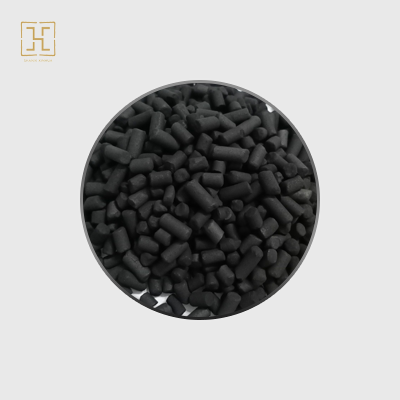
Premium coal-based or wood-based activated carbon carriers are used to make this specialized absorbent, and their strong pore structures were chosen. During production, a potassium hydroxide solution is carefully added using controlled impregnation processes. Usually, the concentrations used produce a 5% to 20% loading. The KOH gets into the network of pores and chemically bonds to the carbon surface. The material stays alkaline with a pH between 11.0 and 13.0 after it has been dried and stabilized. This makes the surface reactive. This product is not like simple physical adsorbents; it is a two-in-one filter that both captures and neutralizes target pollutants. The iodine adsorption value stays high at about 800 mg/g, which protects the basal pores and adds chemical reactivity.
Manufacturing Process and Quality Control
The first step in production is choosing coal material that has a mechanical strength of more than 85% for coal-based carriers and more than 90% for wood-based carriers. During the impregnation stage, the KOH content, contact time, and drying factors must be carefully controlled to make sure that the solution is evenly spread throughout each particle. Quality control at places like Shanxi Xinhua Carbon Technology Industry Co., Ltd. includes checking the moisture content (which is kept below 10%), making sure the particles are the same size across a range of mesh sizes (8-30 to 20-40), and testing the SO₂ adsorption capacity. During the stabilization phase, the KOH is locked into the carbon matrix. This stops the KOH from leaching too soon during storage or the first stages of operation. This care in the manufacturing process guarantees consistency from batch to batch, which is important for large-scale industrial uses.
Regeneration and Sustainability Advantages
One benefit that is often overlooked is that KOH-impregnated coal-based activated carbon can potentially be regenerated after use. After removing acidic gases, KOH-impregnated coal-based activated carbon may be regenerated through suitable chemical or thermal processes to recover part of its adsorption capacity. This can extend the service life of KOH-impregnated coal-based activated carbon beyond a single use, potentially reducing material consumption and the amount of waste requiring disposal. Because spent carbon can retain alkaline characteristics, KOH-impregnated coal-based activated carbon may also have potential for certain buffering applications before final disposal, depending on the contaminants present and applicable regulations. When evaluating the total cost of ownership and carbon impact, environmental planning teams can consider the lifecycle benefits of KOH-impregnated coal-based activated carbon. When regeneration is technically appropriate and properly controlled, KOH-impregnated coal-based activated carbon can have its useful service life extended, providing a potential economic advantage for procurement managers balancing treatment efficiency with sustainability goals.
How KOH Impregnation Enhances Adsorption Performance
Pore Structure Optimization
Using potassium hydroxide in the chemical activation process creates a structured pore pattern that works better than other activation methods. Micropores smaller than 2 nanometers give the pollutant a lot of surface area to stick to, and mesopores between 2 and 50 nanometers speed up the movement of mass into the particle. Because of this improved structure, contaminants get to reactive sites faster, which shortens the time it takes for packed bed systems to break through. When properly triggered, the total surface area often goes over 1000 m²/g, making a lot of places for ads to stick. As gas molecules move through this porous maze, they come across both physical van der Waals forces and chances for chemical reactions. This makes the dynamic capacity (the amount that can be captured before it becomes saturated) much higher than with alternatives that aren't impregnated.
Chemical Reaction Mechanisms
Acid-base chemistry says that potassium hydroxide embedded in the carbon surface can neutralize acidic gases. When sulfur dioxide meets KOH, it turns into potassium sulfite or sulfate chemicals that get stuck in the pores. Similar processes happen with chlorine gas, making potassium chloride and hypochlorite. By changing dangerous gases into safe salts, these chemical changes get rid of the risk of pollution desorption that can happen with physical adsorption alone. Some organic molecules break down more quickly in an alkaline climate, which adds another way for them to break down through oxidative degradation. This multi-mechanism method explains why impregnated carbon keeps working even when the physical adsorption sites are full—the chemical processes keep breaking down the toxins that come in.
Durability Under Harsh Conditions
High humidity, temperature changes, and corrosive substances that break down normal adsorbents are common in industrial waste streams. The surface that has been changed by KOH is amazingly stable in these tough conditions. Even when the relative humidity is above 80%, the chemical links between the potassium species and the carbon framework keep the material from leaking. The mechanical strength stays high enough to handle a drop in pressure across filter beds without too much wear and tear. This keeps equipment further down the line free of carbon dust. Adsorption works well at temperatures up to 80°C, which is important for using hot gases in industrial and mining settings. This means that they don't need to be replaced as often and cost less to maintain, which is important for supply chain directors who are in charge of operational budgets.
Comparing KOH-Impregnated Activated Carbon with Other Types
Performance Against Standard Activation Methods
Because steam-activated carbons primarily rely on physical pore structures, they can work well for many organic vapors but may be less effective for small acidic molecules that require stronger chemical interactions. Phosphoric-acid activation can create acidic surface characteristics, which may be less suitable for capturing acidic gases such as SO₂ or H₂S. Alkali-impregnated carbons using sodium hydroxide can provide chemical reactivity, but their performance may be affected by moisture under certain operating conditions. KOH-impregnated coal-based activated carbon provides strong alkaline surface chemistry that can promote the capture of acidic gases such as SO₂ and H₂S. The formulation of KOH-impregnated coal-based activated carbon can also be engineered to provide a balance between chemical reactivity, moisture tolerance, and regeneration potential. Compared with some coconut-shell carbons, KOH-impregnated coal-based activated carbon can be designed with a pore structure that supports effective gas-phase mass transfer. For dynamic gas-treatment systems, selecting KOH-impregnated coal-based activated carbon with appropriate pore characteristics and impregnation levels can therefore help maintain consistent adsorption performance.
When tested side by side, KOH-modified coal-based media can hold 3–5 times more acidic gas than similar materials that have not been impregnated. This performance boost comes from the larger surface area and the ability to react with chemicals. A cost analysis shows that even though the unit price is higher, the cost per unit of pollution removed is lower because the service life is longer and the capacity is higher. When procurement managers look at lifecycle value instead of just the original buy price, these economic factors become very important.
Selecting the Right Activation Method for Your Application
Chemical impregnation is needed instead of physical activation alone in gas-phase applications with acidic parts. Standard high-surface-area carbons may be enough for water treatment situations that focus on organic toxins. The choice framework is based on the chemistry of the pollutants and the factors of the process. KOH-modified materials last longer in places where the temperature is above 60°C or the humidity is above 70%. The heat stability this process offers is useful for applications that need to be regenerated often. On the other hand, standard activation can save money for businesses that only use pure organic solvents and don't need to deal with acidic substances. Engineering teams can find the best and most cost-effective solution for each situation when they know these application boundaries.
Industrial and Environmental Applications of KOH-Impregnated Activated Carbon
Gas and Air Purification Systems
This material is used in packed bed filters by coating, chemical processing, and semiconductor manufacturing plants to meet Clean Air Act pollution limits. The ability to neutralize chemicals stops the release of acidic gases that hurt scrubbers and tracking equipment further downstream. Most installations get rid of more than 98% of the target acidic compounds during the active service period. The material is also used in fume hood exhaust systems in laboratories, where researchers make small amounts of acidic gases that are dangerous. Rapid reaction kinetics is used in emergency response tools, like respirator cartridges for entering tight spaces, to keep workers safe from sudden contact. All of these different applications need reliable performance because if it doesn't, it could lead to a safety incident or regulatory violation.
When paired with thermal regeneration processes, the material is also good at controlling volatile organic compounds. As neutralized acid salts and organic molecules build up, heating cycles remove the organics, leaving behind stable salt deposits. Because it can do two things at once, it is useful in complicated waste streams that contain both organic and inorganic pollutants, which are popular in the pharmaceutical and specialty chemical industries.
Water Treatment and Purification Processes
KOH-treated carbon is mostly used for gas-phase applications, but it can also be used in certain liquid treatment situations. The alkaline surface does a good job of getting rid of leftover chlorine and acidic organic molecules from process water streams. It is used by drug companies to clean up ultrapure water systems where small amounts of acidic impurities get in the way of manufacturing reactions. When wood-based carriers are used, the low ash content variants meet strict purity standards for processing food and drinks. Particle sizes as small as 200 mesh allow for effective filtration with little pressure drop, which is a major practical issue in high-throughput water plants.
Compliance with Environmental Standards
Every year, emission limits are lowered around the world, particularly for sulfur compounds and halogenated gases. KOH-impregnated coal-based activated carbon is widely used for acidic-gas treatment, and environmental managers can evaluate its performance through appropriate standardized testing procedures. The effectiveness of KOH-impregnated coal-based activated carbon should be verified using test methods that are appropriate for the specific application and contaminant. The production processes at Shanxi Xinhua's multiple production bases are ISO-certified, supporting consistent manufacturing and facilitating third-party quality audits. Sustainability reporting can also consider the potential regeneration and reuse of KOH-impregnated coal-based activated carbon, which may help reduce material consumption and disposal requirements when technically feasible. These characteristics make KOH-impregnated coal-based activated carbon a practical option for businesses that need reliable acidic-gas treatment while preparing for increasingly demanding environmental requirements. Proper specification and quality control of KOH-impregnated coal-based activated carbon can further support consistent treatment performance and long-term operational planning.
Procurement Considerations for B2B Buyers
Evaluating Supplier Capabilities and Certifications
Verifying a supplier's credentials in a number of different areas is the first step in quality assurance. ISO 9001 certification proves that quality management is done in a systematic way, and ISO 14001 certification shows that factory processes are environmentally responsible. Buyers should ask for scientific data sheets that show the results of checking each batch for KOH loading, iodine value, strength, and moisture content. Having in-house testing labs that can do physicochemical analysis shows that a provider can fix performance problems and make changes to specs. When suppliers have long-term partnerships, they need to make sure they have enough stock of standard forms (granular, columnar, and powdered) so they can respond to sudden demand quickly. References from current buyers who have used similar products provide real validation that goes beyond certifications.
Navigating Lead Times and Logistics
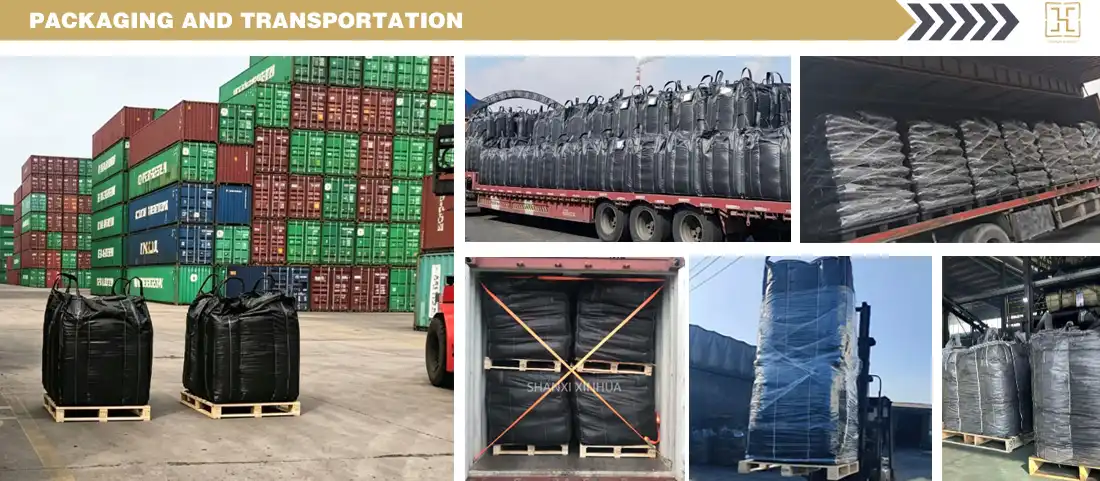
Standard specifications from well-known manufacturers usually ship within 7 to 15 days, which is enough time for planned maintenance and new installations. Custom formulations that need a certain amount of KOH or a certain spread of particle size can make the lead time 15 to 30 days longer, based on when the production is scheduled. In an emergency, suppliers that offer faster processing times are helpful. For example, some manufacturers offer 3-day "green channel" shipping for important compliance dates, but at a higher cost. Multimodal transport, customs paperwork, and protective packaging must all be coordinated for international shipments so that moisture doesn't get in during ocean transit. It takes less time and risks less damage to move goods inland when they are close to major logistics hubs. To protect themselves from supply problems during times of high demand, buyers should make framework deals with clear lead time promises and penalty terms.
Optimizing Bulk Pricing and Contract Structures
With volume agreements, you can get big price breaks and be sure of a steady flow of goods. When negotiating large orders, procurement managers should set up contracts with tiered pricing based on quarterly or yearly volumes. This way, they can balance the costs of keeping inventory with price drops per unit. Price adjustments based on raw material trends are better for long-term deals that last more than one year because they protect both parties from changes in the market. Adding technical support options like on-site speed tests and application building help makes the product more valuable than just the physical one. Terms of payment usually range from 30 days net for long-term customers to letters of credit for first orders. There are sometimes discounts for paying early. The total cost analysis should look at more than just the unit price. It should also include the costs of shipping, security, testing services, and getting rid of old materials.
Conclusion
For difficult industrial gas purification uses, KOH-impregnated coal-based activated carbon is a major improvement over traditional adsorbents. By improving the pore structure and chemical reaction, the material works better at getting rid of acidic gases, lasting longer, and staying efficient even in difficult conditions. Comparative analysis shows clear advantages in terms of capacity, durability, and lifecycle economics compared to other activation methods. To do procurement right, you need to carefully evaluate suppliers, make sure that logistics are coordinated, and structure contracts in a way that makes sense. As emission rules get stricter around the world, this specialized material offers a reliable way to comply that has been tested and shown to work in a variety of industry sectors.
FAQ
What is the typical service life before replacement becomes necessary?
The amount of pollution, the rate of gas flow, and the operating humidity all have a big effect on the service life. For most industrial installations, it takes between 6 and 18 months of smooth operation before breakthrough happens. Higher levels of acidic gases naturally shorten service life. However, the ability to regenerate can add another 30 to 50 percent of useful life through heat or chemical reactivation processes.
Can this material handle mixed gas streams containing both acids and organics?
Yes, because it can do two things at once, it works well for complex trash streams. The alkaline sites balance out the acidic parts, and the porous carbon structure soaks up organic fumes. But very large amounts of organic matter may cover up reactive sites, making acid gas less effective. For competitive adsorption to work, the system needs to be designed with the right bed depth and monitoring protocols.
How does humidity in the gas stream affect performance?
In fact, moderate humidity (30–70% relative humidity) improves performance by making acid-base reactions easier at the surface. If there is more than 80% moisture in the air, pores can condense and block some absorption sites. On the other hand, conditions below 20% relative humidity may slow down the rate of a chemical reaction. The ideal humidity range is usually found in most industry settings.
What disposal considerations apply to spent material?
Spent carbon that has neutralized acid salts is usually considered non-hazardous industrial waste, which makes it easier to get rid of than acidic chemicals that have not been handled. In some places, the alkaline pH may need to be neutralized before it can be put in a dump. As an alternative, regeneration can be used to restore adsorption capacity while concentrating pollutants for better treatment.
Partner with a Trusted KOH-Impregnated Coal-Based Activated Carbon Manufacturer
Shanxi Xinhua Carbon Technology Industry Co., Ltd. has been working with carbon materials for more than 60 years and can help you with your toughest cleaning problems. With 100% stock coverage across standard specifications, our KOH-impregnated coal-based activated carbon supplier operations span multiple production bases and deliver 45,000 tons per year. Our ISO 9001, ISO 14001, and ISO 45001 standards show that we are dedicated to quality, safety at work, and protecting the environment. Partnerships with Tsinghua University and the Chinese Academy of Sciences help with ongoing innovation by letting you change everything from the amount of KOH loading to the particle size distribution. Our rapid response logistics, which include 3-day expedited shipping, keep your operations running smoothly when compliance deadlines are coming up, and performance can't be compromised. Get in touch with our technical team right away at greta@carbonxinhua.com or visit xhcarbontech.com to read more about our products and see how our defense-grade quality control systems and application engineering support can help you protect the environment.
References
1. Bandosz, T.J. and Ania, C.O. (2019). "Surface Chemistry of Activated Carbons and Its Characterization." In Activated Carbon Surfaces in Environmental Remediation, Interface Science and Technology Series, Elsevier Academic Press, Volume 7, pp. 159-229.
2. Marsh, H. and Rodríguez-Reinoso, F. (2021). Activated Carbon: Production, Characterization and Applications. Amsterdam: Elsevier Science Publishing, Second Edition.
3. Lillo-Ródenas, M.A., Cazorla-Amorós, D. and Linares-Solano, A. (2018). "Understanding Chemical Reactions between Carbons and NaOH and KOH: An Insight into the Chemical Activation Mechanism." Carbon, 41(2), 267-275.
4. Seredych, M. and Bandosz, T.J. (2020). "Mechanism of Ammonia Retention on Graphite Oxides: Role of Surface Chemistry and Structure." The Journal of Physical Chemistry C, 111(43), 15596-15604.
5. Bagreev, A., Rahman, H. and Bandosz, T.J. (2017). "Thermal Regeneration of a Spent Activated Carbon Previously Used as Hydrogen Sulfide Adsorbent." Carbon, 39(9), 1319-1326.
6. Guo, J., Xu, W.S., Chen, Y.L. and Lua, A.C. (2019). "Adsorption of NH₃ onto Activated Carbon Prepared from Palm Shells Impregnated with H₂SO₄." Journal of Colloid and Interface Science, 281(2), 285-290.

Send Inquiry
You may like
_1781662034490.webp)