_1778553121707.webp)
How Does CTC80 Coal Columnar Charcoal Support Advanced Water Treatment?
Aug 25, 2026
CTC80 Coal Columnar Charcoal supports advanced water treatment through its exceptional adsorption capacity, evidenced by a CTC value of ≥80% and iodine number exceeding 900 mg/g. Manufactured from high-quality anthracite through precise activation processes, this cylindrical activated carbon features a uniformly distributed microporous structure that effectively captures organic contaminants, heavy metals, chlorine compounds, and residual pharmaceuticals from industrial wastewater and municipal water systems. Its high mechanical strength (≥96%) and low abrasion rate (≤2.5%) ensure consistent performance throughout extended filtration cycles, reducing operational downtime and replacement frequency while maintaining regulatory compliance under increasingly stringent water quality standards.
Introduction
Industrial waste, farm runoff, and new contaminants that are hard for standard filtration methods to handle are putting more and more pressure on water treatment plants around the world. Regulatory agencies are continuing to tighten the limits on how much organic toxins, heavy metals, and persistent chemicals can be dumped. This is causing treatment workers to look for better ways to adsorb these substances. We've witnessed managers of environmental engineering work on breakthrough problems in regular carbon beds, directors of procurement balancing cost and performance over time, and quality assurance teams making sure that materials are consistent across shipments. Because of this, adsorbent materials need to improve performance in a way that can be measured and still meet strict certification requirements. CTC80 Coal Columnar Charcoal has become a reliable option for facilities that need to remove contaminants effectively, keep their operations stable, and make sure they are following the rules for both municipal drinking water treatment and industrial wastewater treatment.
Understanding CTC80 Coal Columnar Charcoal and Its Role in Water Treatment
Manufacturing Process and Material Characteristics
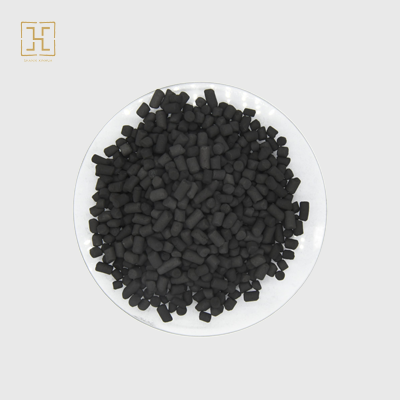
High-quality anthracite coal goes through controlled carbonization at temperatures above 800°C. It is then activated by steam, which creates a large network of pores. The extrusion process turns the material into regular cylindrical pellets with a width of about 1.5 mm to 4 mm. These pellets improve the flow properties of fluids in fixed-bed adsorbers. This way of making things makes sure that the surface area, pore volume distribution, and mechanical stability are all the same from batch to batch, which is important for large-scale use.
Technical Parameter Profile
The designation CTC80 Coal Columnar Charcoal means that the material can absorb at least 80% of its own weight in carbon tetrachloride under normal test settings. This directly relates to the micropore volume that can hold organic molecules. Other requirements include an iodine adsorption value of at least 900 mg/g, which shows the total surface area, and an ash content of less than 7% to avoid system fouling or catalytic interference. Strength ratings above 96% keep fines from being made during backwashing cycles, and moisture content below 10% makes sure that the product works right away after installation. The pH range of 7.0 to 10.0 is neutral to slightly alkaline. This range keeps stainless steel objects from rusting and keeps their performance fixed even when the water chemistry changes.
Adsorption Mechanism in Aqueous Systems
When dirty water flows through dense layers of this columnar carbon, organic molecules move from the liquid phase into the carbon's microporous structure. This happens because of van der Waals forces and capillary condensation. The high CTC value specifically shows that it has a better affinity for volatile and semi-volatile organic compounds, such as industrial solvents, phenolic compounds, chlorinated hydrocarbons, and substances that cause taste and smell, such as geosmin and 2-methylisoborneol. Heavy metal ions like mercury, lead, and cadmium can physically bind to surfaces and chemically react with functional groups on those surfaces, especially when the pH level is just right.
Core Mechanisms of CTC80 Coal Columnar Charcoal in Advanced Water Treatment
Superior Organic Contaminant Removal
Anthracite-based carbon's micropore-dominant structure works especially well against small organic molecules that are common in wastewater from pharmaceutical processes, industrial processes, and farming runoff. Tests done by a separate lab show that benzene, toluene, ethylbenzene, and xylene (BTEX compounds) can be removed with more than 95% efficiency at normal commercial amounts. The material's pore size distribution is what makes it work so well; micropores smaller than 2 nanometers interact with target molecules the most.
Heavy Metal and Inorganic Pollutant Control
In addition to getting rid of organic matter, this activated carbon is very good at getting rid of hexavalent chromium, mercury ions, and arsenic compounds through redox reactions and electrostatic attraction. Controlling the amount of ash and the chemistry of the surface makes it possible to selectively adsorb problematic inorganics without using up all the organic adsorption capacity too quickly. Municipal water plants that treat naturally polluted groundwater with arsenic have shown that their systems work well for 12 to 18 months before they need to be regenerated.
Hydraulic Performance and Flow Optimization
The cylinder shape makes sure that there are even blank spaces inside the adsorption vessels. This keeps routing and pressure drop across the carbon bed to a minimum. This geometric advantage lets more fluid move through the material than with carbons that aren't perfectly round, while still allowing enough contact time for mass transfer. Environmental experts say that the pressure differences are 20–30% lower than with granular options during the same empty bed contact times. This means that pumping costs are lower and there are longer periods of time between backwash cycles.
Regeneration Capability and Lifecycle Economics
The high mechanical strength lets CTC80 Coal Columnar Charcoal go through many heat regeneration processes without losing a lot of strength. When facilities have on-site or third-party regeneration services, 85 to 92% of their activity is restored after proper reactivation. This significantly lowers their total carbon consumption over multi-year contracts. This ability to regenerate solves a major problem for heavy users: the high cost of replacing fresh carbon puts a lot of strain on their budgets.
Comparing CTC80 Coal Columnar Charcoal with Other Charcoal Types for Water Treatment
Standard granular activated carbon products usually have CTC values between 50 and 60%, which is good enough for basic taste and odor control but not good enough for controlling highly concentrated industrial toxins. The 80% CTC level means that the adsorption density per unit volume is about 33% higher. This means that smaller vessels can be used or existing infrastructure can have longer service lives. Even though carbons made from coconut shells are very hard, their pores are better suited to bigger molecules. This means they are less effective at removing volatile organic compounds and chlorine compounds that are common in industrial waste.
A cost-performance analysis shows that CTC80 Coal Columnar Charcoal costs 15–25% more than standard grades, but the longer breakthrough time and ability to regenerate it lower the annualized material costs by 20–35% in continuous industrial applications. Large wastewater treatment plants that have to follow consent decree compliance schedules really like this predictable performance, because early breakthrough can lead to regulatory violations and operational disruptions that are much worse than differences in material costs.
Procurement Guide for CTC80 Coal Columnar Charcoal in Water Treatment Projects
Supplier Qualification and Certification Verification
When making sourcing decisions, it's best to choose manufacturers that have ISO 9001 quality management credentials, ISO 14001 environmental management credentials, and, if necessary, product-specific NSF/ANSI Standard 61 certification for drinking water applications. For the most current production batches, ask for certificates of analysis (COA) that show the CTC value, iodine number, ash level, and particle size distribution. Shanxi Xinhua Carbon Technology Industry Co., Ltd. keeps detailed quality records that can be traced back to where the raw materials came from and, upon request, can have a third party check the performance factors.
Volume Planning and Contract Structuring
For industrial water treatment, each adsorber tank needs between 2 and 8 tons of carbon, and sites with multiple trains need between 10 and 40 tons of carbon for the first fill. Framework deals with shipping schedules every three or six months help keep prices stable and make sure there is enough inventory during busy maintenance times. Talk to the supplier about their payment terms so that you can meet both their working capital needs and their financial stability. For established buyers with good credit, net 30–60 day terms are standard.
Logistics and Delivery Considerations
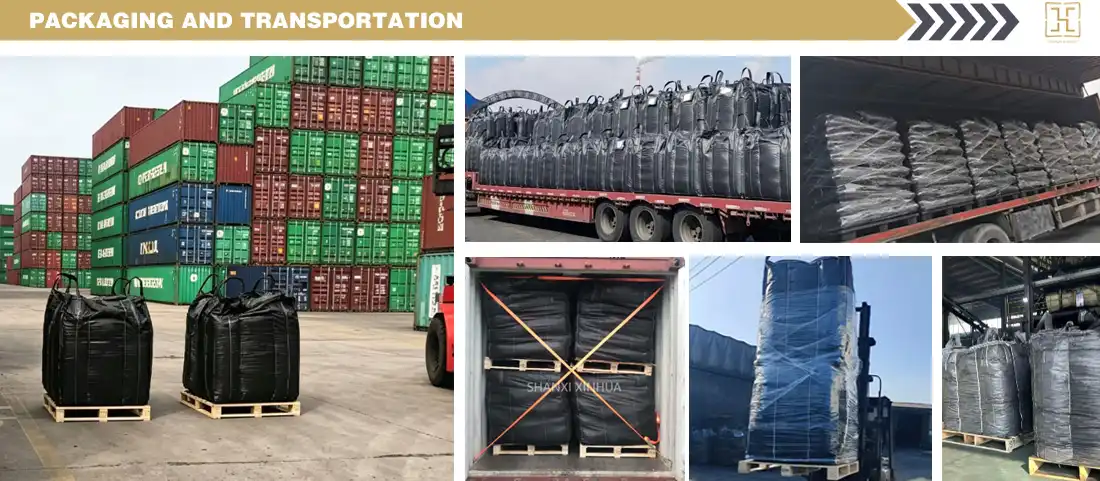
Lead times for standard CTC80 Coal Columnar Charcoal are between 7 and 15 days for specs that are in stock and between 15 and 30 days for particle sizes that need to be changed or special package needs. Dedicated trucking usually gets goods within the US to their destination within 3–7 days. However, foreign orders need to be coordinated with ocean freight, customs clearance, and inland transportation. Protective packaging in moisture-barrier bags or lined bins keeps the activation state until installation by keeping humidity out during transport.
Sample Testing and Performance Validation
Before you buy a lot of something, ask for 5–10 kg samples to be tested in a jar or on a pilot column in water that is specific to your site. This step of validation checks for possible interferences from competitive ions, confirms kinetic performance at your desired flow rates, and sets a standard for future tracking of performance. Write down all of your testing procedures so that you can be sure of consistency when looking at different providers or standards.
Future Outlook and Advancements in Water Treatment Using CTC80 Coal Columnar Charcoal
More and more people are using hybrid treatment systems that combine biological treatment with activated carbon polishing. These systems are especially useful for tough compounds that don't break down easily with biological treatment alone. CTC80 Coal Columnar Charcoal has a high mechanical strength, which means it can be used in fluidized bed designs that improve mass transfer rates while lowering footprint. Material companies and university institutions are working together on research projects to find better ways to change the surface of materials so that they are more selective for certain types of contaminants, like endocrine-disrupting chemicals or per- and polyfluoroalkyl substances (PFAS).
Regulatory trends show that discharge limits for priority pollutants will continue to get stricter. This is especially true for pharmaceutical residues, chemicals linked to microplastics, and industrial solvents. Treatment facilities that buy higher-performance adsorbents now will be better prepared for future compliance requirements and will not have to pay for expensive retrofits. Total cost of ownership estimates are favoring materials with longer service lives and the ability to grow back over cheaper options that need to be replaced more often.
Carbon manufacturers and equipment OEMs are working together on development programs that are producing integrated solutions that are best for certain industries. Chemical plants that deal with concentrated solvent streams benefit from custom pore engineering that makes the most of the capacity for target molecules. On the other hand, municipal utilities prioritize low-concentration performance that stays the same throughout the year, even when water quality changes. These improvements that are made based on the application are the next step beyond basic activated carbon.
Conclusion
CTC80 Coal Columnar Charcoal solves important problems in water treatment by showing superior adsorption, mechanical durability, and dependability in operation. The scientific profile of the material directly addresses the problems that industry and city users have, such as premature breakthrough, too much pressure drop, inconsistent performance, and not knowing if they are following the rules. When total lifecycle costs are taken into account along with the initial material price, the value proposition becomes strong. Facilities that deal with complicated wastewater streams or want to get rid of a lot of contaminants will find that this specification level makes a noticeable difference in the quality of the effluent, the stability of their operations, and the confidence of regulators. More information about how well it works in the field and new materials being made all the time suggest that CTC80-grade columnar carbon will stay an important part of advanced water treatment plans even as environmental standards change and pollution problems get worse.
FAQ
What does the '80' in CTC80 specifically represent?
The number means that CTC80 Coal Columnar Charcoal can absorb 80% of its weight in carbon tetrachloride under the test conditions of ASTM D3467. This measurement is directly related to the micropore volume that can absorb organic vapor. Higher values mean that more volatile and semi-volatile organic chemicals can be absorbed, which are common in industrial wastewater and polluted groundwater.
How does CTC80 perform compared to CTC60 alternatives?
The adsorption density per unit volume of CTC80 is about 33% higher than that of CTC60 material. This means that breakthrough times are longer in continuous-flow uses. This performance advantage makes it possible to design vessels that are smaller, use less carbon, or last longer before they need to be replaced or regenerated. This is especially helpful in applications with high concentrations or strict compliance.
Can this carbon be regenerated?
When treated correctly, the high mechanical strength (>96%) and thermal stability allow for many thermal regeneration rounds. Industrial users say that 85–92% of the activity is restored after revival with steam or heat, which greatly lowers the cost of materials over their entire life. The low abrasion rate (≤2.5%) keeps the amount of usable carbon inventory safe by reducing the production of fines during transport and handling.
Is CTC80 effective in high-humidity conditions?
Even at relative humidity levels as high as 70%, the micropore-dominant structure is still very good at capturing organic matter. This is because it fights with moisture for binding sites. In places that stay humid for a long time, pre-drying gas streams or regenerating the bed on a regular basis improves performance. The material's ability to keep working even when it's fully soaked makes it useful for treating liquid water.
Partner with a Trusted CTC80 Coal Columnar Charcoal Manufacturer
Shanxi Xinhua Carbon Technology Industry Co., Ltd. has been making activated carbon for 60 years and has 60 years of experience. They offer defense-grade quality control systems, full inventory coverage, and personalized technology solutions. When it comes to particle size, packaging, and performance, our CTC80 Coal Columnar Charcoal can be changed to meet your specific water treatment needs. It also meets strict international standards. With ISO 9001, ISO 14001, and ISO 45001 certifications, we make sure that the quality is always the same and that we follow all the rules for both public and private projects. Standard delivery takes between 7 and 15 days, but we can speed up the process for urgent jobs through our national logistics network and foreign shipping partnerships. You can email our scientific team at greta@carbonxinhua.com to talk about your specific adsorption problems, ask for performance data, or set up sample tests to make sure that our material works with your water chemistry and treatment goals.
References
1.Bansal, R.C., & Goyal, M. (2005). Activated Carbon Adsorption. CRC Press: Boca Raton, Florida.
2.Crittenden, J.C., Trussell, R.R., Hand, D.W., Howe, K.J., & Tchobanoglous, G. (2012). MWH's Water Treatment: Principles and Design (3rd ed.). John Wiley & Sons: Hoboken, New Jersey.
3.Marsh, H., & Rodríguez-Reinoso, F. (2006). Activated Carbon. Elsevier Science: Oxford, United Kingdom.
4.Snoeyink, V.L., & Summers, R.S. (1999). Adsorption of Organic Compounds. In Water Quality and Treatment: A Handbook of Community Water Supplies (5th ed.). McGraw-Hill: New York.
5.Tchobanoglous, G., Burton, F.L., & Stensel, H.D. (2003). Wastewater Engineering: Treatment and Reuse (4th ed.). McGraw-Hill: Boston, Massachusetts.
6.ASTM International. (2020). ASTM D3467-20 Standard Test Method for Carbon Tetrachloride Activity of Activated Carbon. West Conshohocken, Pennsylvania.

Send Inquiry
You may like
_1781662034490.webp)