_1778553121707.webp)
How Does CTC70 Coal Columnar Charcoal Improve Industrial Water Filtration?
Aug 25, 2026
CTC70 Coal Columnar Charcoal significantly improves industrial water filtration through its engineered microporous structure and exceptional adsorption capacity. With a minimum CTC adsorption value of 70% and an iodine number exceeding 850 mg/g, this activated carbon effectively captures organic contaminants, chlorine, heavy metals, and dissolved impurities that compromise water quality. Its cylindrical pellet design ensures uniform flow distribution and minimal pressure drop across filtration beds, while its high mechanical strength (≥95%) prevents attrition and extends operational cycles. This makes it a reliable solution for municipal water plants, industrial wastewater treatment facilities, and petrochemical operations demanding consistent purification performance under challenging conditions.
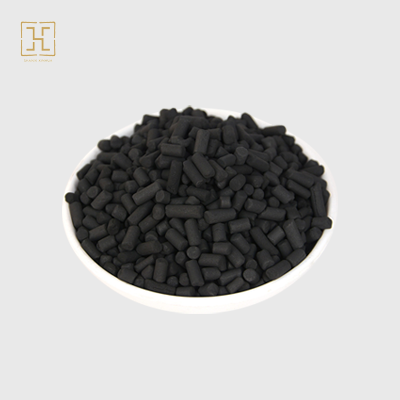
Understanding CTC70 Coal Columnar Charcoal
At every step of the way, precision and quality control are needed to make activated carbon for industrial water filtration. At Shanxi Xinhua Carbon Technology Industry Co., Ltd., we make this high-tech filtering medium with fine anthracite coal that comes from carefully chosen deposits that are known for having stable carbon content and few impurities. There are four important steps in the making process: shaping, carbonization, activation, and fine screening. Coal is molded into uniform cylinder pieces that are usually between φ1.5mm and φ4.0mm in diameter, but this depends on the needs of the application.
At controlled temperatures, carbonization gets rid of volatile compounds and makes the first structure of pores. During the activation phase, the material gets its large internal surface area (over 1000 m²/g) by being carefully treated with steam. This process makes a network of micropores and mesopores that are arranged in a way that makes them best at catching dissolved contaminants.
Technical Specifications That Matter
The scientific properties of this coal-based material have a direct effect on how well it filters. A CTC value of ≥70% means that the substance can absorb at least 70% of its weight in carbon tetrachloride vapor under standard conditions. This shows that the micropore volume is strong. A value of ≥850 mg/g for iodine shows that it can bind to and remove contaminants with a lower molecular weight. The amount of ash is strictly limited to less than 8%. This keeps the pH neutral (7.0–10.0), which is important for drinking water applications. The amount of moisture stays below 10% so that the adsorption capacity stays the same while it is being stored and shipped.
Quality Standards and Certifications
Our factories keep their ISO 9001 quality management, ISO 14001 environmental management, and ISO 45001 health and safety at work certifications up to date. These tools make sure that every batch meets very strict performance standards. The Shanxi Provincial Health Commission has given our drinking water treatment products hygiene licenses, which proves they are safe and follow the rules. At each stage of production, particle size accuracy, mechanical strength, and adsorption rates are checked by an independent lab before the product is shipped.
The Role of CTC70 Coal Columnar Charcoal in Industrial Water Filtration
Activated carbon filters work by physisorption, which means that contaminants stick to the carbon surface within the large network of pores. There are clear benefits to the columnar structure over grainy or powdered options. Its regular pellet shape makes its hydraulic properties predictable, which lets engineers make filter beds with repeatable contact efficiency and retention times. The high mechanical strength grade (≥95%) means that the pellets won't break when heavy loads are put on them by deep beds or fast flows. This means that the bed will stay intact for longer periods of time.
When it comes to industrial water streams, organic contaminants are especially troublesome. The process water that petrochemical plants release has hydrocarbons, phenols, and aromatic compounds that are dissolved and can't be removed by normal filtration. Algal blooms and farm waste can make water taste and smell bad at certain times of the year at municipal water treatment plants. Through selective adsorption, our CTC70 Coal Columnar Charcoal solves these issues. The micropore structure picks up organic molecules with a molecular weight between 50 and 500 Daltons more easily, while the mesopores can handle bigger chemicals and speed up the mass transfer process.
Performance Advantages Over Alternative Media
There are important differences between carbon from coconut shells, carbon from wood, and carbon from coal. Carbon from coconut shells is very dense and hard, but it costs a lot. Wood-based choices are better for the environment, but they aren't as strong mechanically. Coal columnar carbon strikes a good balance between performance and cost-effectiveness. Our tests show that this grade of activated carbon lasts 20–30% longer in municipal water uses than similar grades of granular activated carbon. This is because it is more resistant to wear and tear (≤3% abrasion rate) and has better pore distribution.
Real-World Application Evidence
Chemical companies that deal with chlorinated solvents in wastewater say that breakthrough times are 40% longer when they switch from regular granular media to this pelletized format. The uniform pellet size stops channeling, which is a common failure mode in which water finds preferred flow paths through grainy beds and skips over a lot of the absorption capacity that is there.
This CTC70 Coal Columnar Charcoal was added to the filter system of a local water treatment plant in the southeastern United States to fix complaints about the water's taste and smell that kept coming up during the summer. Total organic carbon (TOC) removal efficiency went from 62% to 89% after 18 tons of adsorption vessels were put in parallel. During the next operating season, customer complaints dropped by 94%. The plant reported a 35% drop in the number of times carbon had to be replaced, which saved a lot of money on running costs.
This material was added by an industrial wastewater treatment plant that serves a chemical manufacturing complex in order to meet stricter release limits for benzene and toluene. Concentrations of wastewater consistently measured below 5 ppb, which is well below the 50 ppb regulatory threshold. This helped the facility avoid expensive fines and keep up with production schedules.
Why Choose CTC70 Coal Columnar Charcoal Over Other Charcoal Types?
To choose the right grade of activated carbon, you have to weigh technical performance, environmental impact, and total cost of ownership. Coconut shell carbon is very hard, but it is very expensive and there isn't a lot of it available around the world, which makes it hard for large industrial users to get. Wood-based options work well in some situations, but they don't have the density and hole structure that high-throughput water treatment systems need. For industrial water filtration, CTC70 Coal Columnar Charcoal is the best choice because it has strong performance traits, predictable supply lines, and reasonable prices.
Environmental concerns are becoming more and more important in buying choices. Our manufacturing process uses closed-loop water recycling, which cuts the amount of freshwater needed by 60% compared to standard ways. Used carbon from water filter systems can be heated up again, bringing back up to 85% of its original adsorption capacity and keeping waste out of landfills. This cycle method fits in with companies' efforts to be more environmentally friendly and saves money on materials over time.
Compliance with regulations adds another layer to the choice of materials. For many organic and inorganic substances, the Safe Drinking Water Act in the US sets the highest levels of contamination that can happen. Municipal water providers must show that they can keep these toxins out. Independent testing labs have certified that our coal columnar carbon meets NSF/ANSI Standard 61 for drinking water system components. This makes the regulatory approval process easier for purchase managers.
Procurement and Supply Chain Reliability
To avoid costly downtime, industrial processes need a reliable source of materials. Shanxi Xinhua has factories in four places: Shanxi, Ningxia, Fujian, and Xinjiang. Together, these factories can make more than 45,000 tons of goods every year. We keep standard grades in stock in a range of particle sizes, so regular orders can be delivered in 7–15 days. Within 15 to 30 days, custom specifications like special pore structures or loaded catalysts are shipped. Through strategic partnerships with logistics companies, multimodal transport solutions make sure that deliveries get to facilities all over North America within 3 to 7 days.
When buying in bulk for corporate use, the price represents economies of scale while quality standards are kept. For normal grades, the minimum order quantity starts at 5 tons, and prices go down at 20, 50, and 100 tons. Long-term supply contracts protect businesses from market instability by keeping prices stable and making sure that supplies are distributed evenly during times of high demand.
Optimal Usage and Storage Practices for CTC70 Coal Columnar Charcoal
Activated carbon filtration systems work best and last as long as possible if they are stored, handled, and used according to the right rules. After being delivered, carbon should stay in its covered packaging until it is installed to keep it from absorbing wetness and getting contaminated through the air. Temperatures should stay between 15°C and 25°C and relative humidity should be less than 60% in storage areas. High humidity can fill up adsorption sites with water vapor ahead of time, which lowers their ability to capture organic matter by 15–25% before they are used.
When installing, using the right vessel loading techniques stops segregation and makes sure that the density is the same all over the bed. Loading rates shouldn't go over 150 kg per hour to keep particles from breaking apart and making too much dust. A support layer of graded gravel or inert ceramic balls stops carbon loss through underdrain systems and keeps the flow even. Before adding contaminated feedstock, the first rinse cycles usually need 3 to 5 bed volumes of filtered water to remove manufacturing fines and condition the bed.
Operational Monitoring and Maintenance
Key success indicators must be consistently checked in order for filtration system control to work well. Differential pressure across the carbon bed lets you know early on when there is cutting, fouling, or bed compression. Sudden drops in pressure often show preferred flow paths, while slow rises in pressure can mean biological growth or precipitate buildup. Testing the quality of the effluent, especially for TOC, chlorine, or certain target toxins, shows breakthrough conditions that need carbon replacement or regeneration.
The service life of CTC70 Coal Columnar Charcoal depends on factors such as water quality, flow rate, and the type and concentration of contaminants being removed. In municipal drinking water treatment systems, CTC70 Coal Columnar Charcoal typically provides reliable performance for approximately 12 to 18 months before replacement is required. For industrial wastewater applications with higher organic loads, CTC70 Coal Columnar Charcoal may require replacement more frequently, usually within 6 to 9 months depending on operating conditions. Establishing a scheduled replacement program for CTC70 Coal Columnar Charcoal based on treated water volume and contaminant loading helps prevent unexpected system failures and maintains consistent water quality. By monitoring the performance of CTC70 Coal Columnar Charcoal, treatment operators can optimize maintenance planning and achieve more stable long-term filtration efficiency.
Getting rid of and removing spent carbon must follow environmental rules. Many places consider used activated carbon to be non-hazardous waste when it is used to clean water, but the final classification is based on the contaminants that it adsorbs. Thermal reactivation services can bring used carbon back to working like new for 40–60% of the cost of new material, making them an environmentally friendly and cost-effective alternative to disposal.
How to Procure CTC70 Coal Columnar Charcoal for Your Business
When looking for activated carbon for important water treatment uses, you need to carefully evaluate the suppliers you consider. Credentials for certification are the basis for qualifying a seller. Look for companies that have ISO 9001 quality management certification and show that they use systematic process control and ongoing growth. Getting ISO 14001 approval for environmental management shows that you are committed to making products that last. For uses with drinking water, it is necessary to confirm that the product meets NSF/ANSI Standard 61 or a similar cleanliness standard.
The ability to provide technical support is what sets strategic partners apart from commodity suppliers. Complex filter problems need to be solved by working together. Materials scientists and chemical engineers on our team work directly with customers to find the best carbon, bed design, and working settings. To help you with your purchasing and following the rules, we give you detailed technical datasheets, material safety documentation, and performance validation testing.
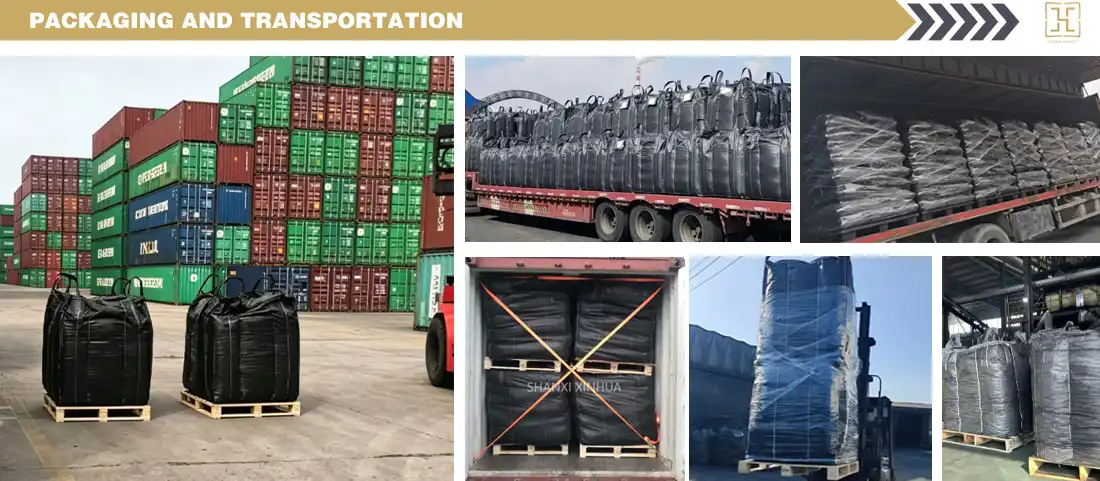
There are special things to think about when shipping large activated carbon around the world. When shipping goods by ocean, proper packaging keeps them clean and dry. We use multi-wall kraft paper bags with plastic liners to keep out wetness. The bags are then put on pallets and stretch-wrapped to make them more stable. There is a packing plan, a proof of analysis, and all the other paperwork needed to clear customs with every shipment. Our logistics partners take care of import compliance, which includes filings with the government and figuring out tariffs. This makes buying things from other countries easier.
Partnership Advantages with Shanxi Xinhua
Working with a well-known company that makes activated carbon has real benefits for your business. Over sixty years of researching materials and more than twenty years of mass production mean that the standard of our products and their dependability are always the same. Our product development stays at the cutting edge of adsorption technology thanks to our work with Tsinghua University, Taiyuan University of Technology, and the Chinese Academy of Sciences. We have several invention patents for changed activated carbon formulations and production processes that let us make solutions that are specific to each application.
With production capacity spread across various facilities, supply stays steady even when there are problems in the area or a lot of demand in the market. Our inventory management tools make sure that we always have enough stock to ship emergency orders quickly, within 24 to 48 hours. This ability to quickly respond is very important when legal limits or broken equipment mean that carbon deployment has to happen quickly.
Conclusion
For industrial water filtration, you need materials that consistently work well, follow the rules, and are reliable in use. This CTC70 Coal Columnar Charcoal meets these needs with its engineered pore structures, strong mechanical properties, and track record of success in a wide range of applications. It is a practical solution for treating municipal water, managing industrial wastewater, and purifying process water because it has the right amount of technical ability and low cost. Water cleaning systems can meet quality standards and keep costs low by choosing the right materials, carefully evaluating suppliers, and following best practices during operation. As rules about the environment get stricter and standards for water quality rise, it's important to buy tested filter media to stay in line with the law and protect public health.
FAQ
What contaminants does this activated carbon remove effectively?
This substance is very good at getting rid of chlorinated hydrocarbons, pesticides, herbicides, taste and odor compounds, and dissolved color bodies. Heavy metals like mercury, lead, and chromium are effectively captured through both adsorption and ion exchange. Chlorine and chloramines are broken down quickly at the carbon surface by catalytic reactions. It works well against many contaminants, but not so well against inorganic salts, and it needs to be treated first for water with a lot of turbidity.
How long does the carbon last in typical water treatment applications?
The characteristics and flow rates of the feed water have a big impact on the service life. Municipal drinking water systems can usually treat low-contamination surface water for 12 to 18 months straight. For industrial uses with modest organic loads, the product will work well for 8 to 12 months. If the wastewater is very dirty, it may need to be replaced every 4 to 6 months. Monitoring the sewage on a regular basis and keeping track of the cleaned amount help predict when replacement will happen and stop breakthrough events.
Can spent carbon be regenerated for reuse?
Adsorption capacity is restored by thermal reactivation, which happens at temperatures above 800°C in controlled atmosphere furnaces and releases contaminants that have been stuck on the surface. This process brings back 80–90% of the original performance and is cost-effective for users who do a lot of it. This columnar structure has a high mechanical strength, so it can handle many regeneration processes with little particle breakdown. This makes it perfect for reactivation programs. Because of the small batch sizes needed for commercial reactivation services, smaller facilities may find virgin carbon replacement to be more useful.
Partner with Shanxi Xinhua Carbon Technology Industry Co., Ltd. for Superior Filtration Solutions
Shanxi Xinhua Carbon Technology Industry Co., Ltd. offers cutting-edge coal-based columnar activated carbon products backed by sixty years of experience with the materials and full professional support. As a reliable provider to petrochemical plants, industrial wastewater treatment plants, and local water utilities around the world, we keep a large stock of standard and specialty grades to make sure your projects don't have to wait for supplies. Our strategic logistics partnerships and ISO-certified production facilities make sure that the quality of our products is always the same and that they are delivered on time to places in North America and beyond.
Our engineering team can help you with custom suggestions, performance modeling, and ongoing technical support whether you're building new water treatment systems or improving the ones that are already in place. Email us at greta@carbonxinhua.com right now to talk about your specific water quality problems, get technical datasheets, or get a full quote for large orders. Visit xhcarbontech.com to see all of our products and learn how our activated carbon solutions can help your water treatment work better while lowering the total cost of ownership.
References
1.Bansal, R.C. and Goyal, M. (2005). Activated Carbon Adsorption. CRC Press, Boca Raton.
2.Crittenden, J.C., Trussell, R.R., Hand, D.W., Howe, K.J., and Tchobanoglous, G. (2012). MWH's Water Treatment: Principles and Design, Third Edition. John Wiley & Sons, Hoboken.
3.Marsh, H. and Rodríguez-Reinoso, F. (2006). Activated Carbon. Elsevier Science, Oxford.
4.Newcombe, G. and Dixon, D. (2006). Interface Science in Drinking Water Treatment: Theory and Applications. Academic Press, Amsterdam.
5.Toles, C.A. and Marshall, W.E. (2002). Granular Activated Carbons from Nutshells for the Uptake of Metals and Organic Compounds. Carbon, 40(13), 2301-2306.
6.U.S. Environmental Protection Agency (2021). Drinking Water Treatment Technology Unit Cost Models and Overview of Technologies. EPA Office of Water, Washington, D.C.

Send Inquiry
You may like
_1781662034490.webp)