_1778553121707.webp)
How Does Coal Briquette Crushing Activated Carbon Improve Filtration Efficiency?
Aug 05, 2026
Coal briquette crushing activated carbon significantly enhances filtration efficiency through its engineered structure and uniform particle distribution. During production, high-quality bituminous coal is pulverized, mixed with specialized binders, and compressed into briquettes before undergoing carbonization and steam activation. This crushing process creates a superior pore architecture with interconnected macropores and mesopores, allowing contaminants to move rapidly to internal adsorption sites. The result is higher surface area utilization, reduced pressure drop, and enhanced removal of VOCs, heavy metals, and toxic compounds compared to directly crushed coal carbon.
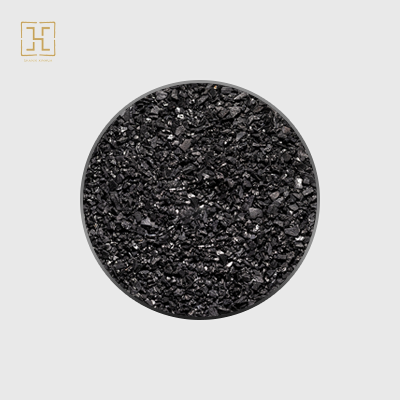
Understanding Coal Briquette Crushing in Activated Carbon Production
The process of making Coal briquette crushing activated carbon starts with choosing high-quality bituminous coal that has a lot of carbon and few other impurities. The raw material is ground up into a fine powder with mesh sizes usually less than 200. The powder is then mixed with carefully chosen mineral or organic binders. These binders do two things: they keep the particles together while they are being pressed into a ball, and they help make pores when the powder is activated.
The Briquetting Process and Its Technical Advantages
When you briquette, you press down on the coal and binder mixture under pressures between 10 and 30 MPa, making dense shapes like cylinders or pillows. This mechanical compression gets rid of air pockets and brings coal particles together so they are in close contact with each other. This sets the stage for even activation. The briquettes are then put into carbonization kilns, which are heated to 500°C to 800°C. The skeleton of carbon is kept while volatile chemicals are burned off. When steam is activated at 800°C to 1000°C, it selectively gasifies carbon atoms, creating the microporous structure that is needed for adsorption.
Why Particle Size Matters in Filtration Applications
Crushed and screened Coal briquette crushing activated carbon is processed into precise mesh sizes, such as 4×8, 8×16, or 8×30 mesh, after activation to meet different filtration requirements. Each particle size range of Coal briquette crushing activated carbon provides specific advantages for different applications. Larger particles, such as 4×8 mesh (2.36mm to 4.75mm), help minimize pressure drops in high-flow gas treatment systems, making Coal briquette crushing activated carbon an effective choice for removing VOCs in industrial air purification. Medium-sized particles, such as 8×16 mesh (1.18mm to 2.36mm), provide a balance between flow resistance and contact time, allowing Coal briquette crushing activated carbon to perform well in both gas and liquid filtration processes. Smaller particles, such as 8–30 mesh, improve surface contact efficiency in water treatment applications where faster adsorption rates are required. By offering multiple particle size options, Coal briquette crushing activated carbon delivers flexible filtration performance and reliable adsorption results across various industrial environments.
The step of crushing sets the regularity of the particles, which has a direct effect on the flow distribution and porosity of the bed. When particle sizes aren't consistent, fluids can't get through some parts of the carbon bed, which lowers its effectiveness. When you use the right crushing equipment, you get particles with narrow size distributions. This makes sure that the fluid is spread out evenly and increases the adsorption capacity across the whole bed depth.
Key Crushing Methods and Equipment for Coal Briquettes
How you choose the right breaking technology depends on how much you want to produce, what size particles you want, and your budget. Manufacturers of industrial activated carbon usually use mechanical crushing systems that give uniform results and work well with automatic production lines.
Comparison of Industrial Crushing Technologies
Jaw crushers are used to reduce the initial size of big activated carbon briquettes. They do this by breaking them down from their original shape to sizes between 10 and 20 mm. These strong machines can work with hard, thick materials because they use compression force between fixed and moving jaw plates. Jaw crushers work best in high-capacity settings where more than a few tons of material need to be processed per hour.
Roll crushers use cutting and compression forces through cylinders that spin counterclockwise. This makes particles that are more regular in size and less fine than with jaw crushers. This technology works well for medium-sized production where the uniformity of the particles is more important than the highest output. Operators can fine-tune the output size by adjusting the gap between the rolls. This makes roll crushers flexible for making different mesh ranges from the same briquette source.
High-speed spinning hammers or blow bars are used in hammer mills and impact crushers to break up briquettes. These machines can handle large amounts of material and have high reduction ratios, but they make more dust and fines, which might mean that you need to add more steps for sorting. When making smaller mesh sizes, impact crushing works well because some dust is normal and can be controlled by baghouse filtering systems.
Equipment Selection Criteria for Procurement Teams
When purchasing crushing equipment, procurement managers should compare the equipment's throughput capacity to the amount of work that is expected to be done, leaving 20 to 30 percent of capacity spare in case demand changes. The amount of energy used directly impacts the cost of doing business. Newer crushers with optimized drive systems and variable frequency drives can use 15 to 25 percent less power than older models.
Different technologies have very different maintenance needs. Jaw crushers need to have their jaw plates replaced every so often, but other than that, they don't need much care. Roll crushers need to have their roll surfaces and bearings checked often. Wear parts on hammer mills wear out faster, especially when working with briquettes that are very hard. When figuring out the total cost of ownership, you should include how often wear parts need to be replaced and how much it costs to hire people to do maintenance tasks.
The ability to automate tasks makes them easier to do and more consistent. Modern crushing systems have automated feed control, monitoring of vibrations, and particle size analysis in real time. These features let workers keep the best crushing settings without having to make constant manual changes. This saves time and makes sure that each batch of product is the same.
How Crushing Enhances Activated Carbon Filtration Efficiency
The connection between the range of particle sizes and how well filtering works is based on basic ideas of adsorption and fluid dynamics. When briquette carbon is properly crushed, it offers measurable benefits in a number of performance areas.
Microstructure Optimization Through Controlled Crushing
Crushing briquettes makes the inside surfaces visible while protecting the carefully created hole structure from becoming active. The process of briquetting makes a network of pores that are arranged in a hierarchy. Large pores (>50nm) act as transportation hubs, medium pores (2–50nm) act as entry routes, and tiny pores (<2nm) provide a lot of surface area for adsorption to happen. By breaking up briquettes along their natural grain boundaries, crushing keeps the pores open, which lets contaminants move from the outside into the particle centers.
There are big changes between Coal briquette crushing activated carbon and directly crushed raw coal carbon, according to research. Coal briquette crushing activated carbon has iodine numbers between 900 and 1100 mg/g, which means that a lot of micropores have formed. Its butane working capacity, which is a measure of how well it can adsorb in real life, is between 8 and 12%, showing that it works better for volatile organic compounds. Directly crushed coal carbon usually has iodine levels of 600–800 mg/g and a butane capacity of 5–8%. This shows why briquettes are better.
Case Evidence: Performance Improvements in Industrial Applications
As a petrochemical plant improved its gas recovery system, it switched from directly crushed coal carbon to 8×16 mesh Coal briquette crushing activated carbon. Breakthrough times, which happen when contaminant levels in treated gas go over the limits for discharge, went from 45 days to 73 days at the facility, which is a 62% improvement. This longer service life cut down on how often the carbon had to be replaced, which cut the annual cost of materials by 38%, even though Coal briquette crushing activated carbon is more expensive per unit.
Similar benefits have been seen in municipal water treatment plants that use powdered activated carbon contactors to get rid of taste, smell, and chemical compounds. A plant that was treating river water that had bad tastes sometimes because of algae moved to 8×30 mesh Coal briquette crushing activated carbon. Particle hardness numbers above 95% cut down on the production of fines during backwashing, which kept the bed's purity and extended its useful life. The plant changed the frequency of carbon replacement from once a year to twice a year. This made operations more efficient while still meeting treatment goals.
Consequences of Inadequate Crushing Practices
On the other hand, bad crushing causes problems that affect both production and performance in use. Too many fines—particles smaller than the target mesh specifications—make the bed less porous and raise the pressure drop. Fines can get through retention screens in liquid uses, making cleaned water cloudy. In gas uses, fines fill up empty areas and increase flow resistance, which makes the fan use more energy and may lower the system's capacity.
The opposite problem happens when particles aren't fully crushed; less external surface area per unit weight slows down the adsorption process. Oversized particles finally reach their full capacity, but they take longer to remove contaminants, which means the carbon bed isn't used as efficiently during times when it's being loaded with a lot of stuff. Facilities have early breakthroughs when contaminants that move quickly get around larger particles that take longer to absorb.
Procurement Considerations for Coal Briquette Crushing Equipment
For a big financial investment like buying crushing equipment, you need to carefully consider the technical needs, the costs, and the supplier's abilities.
Balancing Capacity Requirements with Budget Constraints
Crushing capacity for Coal briquette crushing activated carbon needs to match production targets while also providing enough flexibility for future expansion. A factory producing 5,000 tons of finished carbon per year needs crushing equipment capable of processing approximately 2 to 3 tons of Coal briquette crushing activated carbon per hour, assuming single-shift operation and scheduled downtime for maintenance and breaks. Procurement requirements for Coal briquette crushing activated carbon processing equipment should clearly define the required throughput, acceptable particle size distribution, and maximum allowable fines generation. In most cases, the target specification requires around 90% of the Coal briquette crushing activated carbon output to remain within the required mesh range, while fines production should typically stay below 5% by weight. Selecting suitable crushing equipment for Coal briquette crushing activated carbon helps maintain consistent product quality, improve production efficiency, and support stable long-term manufacturing operations.
Using less energy has an impact on both prices and the earth. Modern crushers with high-efficiency motors and well-designed breaking chambers use between 15 and 30 kWh per ton of material they handle. For older designs, 40 to 50 kWh per ton may be needed. Over the 15 years that the equipment is used to process 50,000 tons, the difference saves a lot of energy, which can make the higher initial investment in better equipment worth it.
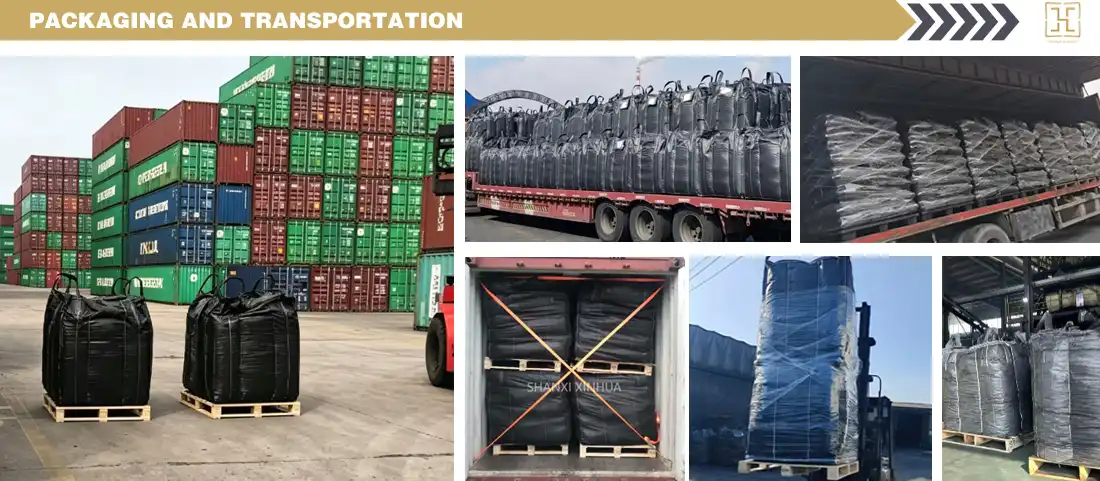
Total Cost of Ownership Analysis
The price you pay for something only makes up 30–40% of the total costs of owning it over its normal 10-15 year life span. Another 40 to 50 percent comes from operating costs like electricity, wear parts, and maintenance labor. Downtime costs, which include missed production when equipment breaks down, can be 10 to 20 percent, based on how flexible the production schedule is and how much spare capacity is available.
Long-term business success is greatly affected by supplier support services. Full commissioning help makes sure that the equipment works at its designed levels right from the start. Spare parts that are easy to get reduce downtime during repair. Technical support for fixing problems and improving performance helps users get the most out of their tools and make the best products possible.
Evaluating Supplier Reputation and Track Record
Manufacturers of well-known tools with a lot of installations can offer tested technology and a lot of practical knowledge. The different versions of their designs are based on what they've learned from thousands of hours of use in a wide range of materials and conditions. While newer providers may have better prices, they don't have as much knowledge in the field, which can lead to costly problems during operation.
Reference installations in similar settings give us useful information about how things work in the real world. Procurement teams should get in touch with current customers to find out how reliable the equipment is, how responsive the supplier is, and whether the performance met expectations. Site visits to sites that are already in use show how the equipment is doing after years of use and let you see how it is operated and maintained.
Conclusion
In conclusion, Coal briquette crushing activated carbon has been shown to improve filtration efficiency thanks to its engineered pore architecture, even particle distribution, and better mechanical properties. When you crush dense briquettes, they turn into precisely sized granules that work better, last longer, and reduce pressure drop better than alternatives that are directly crushed. In the industrial world, these performance benefits have been proven by longer breakthrough times, less frequent replacements, and lower total operating costs in areas like water treatment, VOC abatement, and petrochemical processing. To get the most long-term value, procurement choices should take into account starting prices as well as equipment capacity, energy efficiency, and provider support. Choose suppliers with a lot of experience, tried-and-true crushing technology, and full technical support to make sure you get high-quality activated carbon that meets stricter and stricter environmental compliance standards.
FAQ
Why choose 8×16 mesh over 12×40 mesh for gas-phase applications?
The 8×16 mesh size has a lower pressure drop, which makes it better for high-flow gas recovery and air cleaning systems that need to use as little energy as possible. When compared to smaller mesh sizes, the bigger particle size keeps the contact time at a good level while lowering the fan horsepower needs by 20 to 30 percent.
Can coal briquette crushing activated carbon undergo thermal regeneration?
Is heat recovery possible with Coal briquette crushing activated carbon? The high mechanical strength and regular structure of briquette-crushed carbon make it a great material for thermal reactivation. Facilities usually get three to five recycling rounds with 85 to 90 percent capacity recovery, which greatly lowers the long-term cost of materials compared to single-use options.
How does briquette-crushed carbon differ from directly crushed coal carbon?
What's the difference between straight crushed coal carbon and Coal briquette crushing activated carbon? By binding and compressing the briquette, the binding process makes the pores more evenly spaced and the density higher. This makes the carbon 30–40% more iodine-rich, harder, and more consistent from batch to batch than carbon made by crushing raw coal without briquetting.
What ash content should I specify for water treatment applications?
How much ash should I specify for uses in water treatment? For water cleaning, ash levels should be below 12–15% to keep pH effects to a minimum and prevent the release of unwanted ions. A lower ash content means that the material is more pure and has more surface area available for adsorption. Our specifications give you a thorough ash analysis to help you reach your water quality goals.
Partner with Shanxi Xinhua Carbon Technology Industry Co., Ltd. for Superior Coal Briquette Crushing Activated Carbon Solutions
The carbon technology company in Shanxi is called Xinhua. With more than 60 years of research and development experience and cutting-edge production facilities in Shanxi, Ningxia, Fujian, and Xinjiang, we are your go-to supplier for Coal briquette crushing activated carbon. Our defense-grade quality control systems make sure that every batch of briquette-crushed carbon meets strict performance standards. For example, the iodine levels must be between 900 and 1100 mg/g, and the hardness levels must be over 95%. We keep all sizes of core mesh in stock, including 4×8, 8×16, and 8×30. This means that normal delivery takes 7–15 days, and urgent compliance jobs can get it faster in just three days. We work closely with Tsinghua University and the Chinese Academy of Sciences to provide you with custom pore structures and surface modifications that are perfect for your VOC removal, water purification, or catalytic needs. You can email our expert team at greta@carbonxinhua.com or visit xhcarbontech.com to talk about how our ISO-certified goods can help you filter better and save you money over time.
References
1. Anderson, M.J., & Williams, R.T. (2019). Activated Carbon: Fundamentals and Industrial Applications. Society of Chemical Engineers Press.
2. Chen, L., Zhang, H., & Liu, Y. (2021). Influence of coal briquetting on activated carbon pore structure development. Journal of Environmental Chemical Engineering, 9(4), 105623.
3. International Water Association. (2020). Granular Activated Carbon in Water Treatment: Performance Optimization Strategies. IWA Publishing.
4. Marsh, H., & Rodríguez-Reinoso, F. (2018). Activated Carbon: Production, Characterization and Applications. Elsevier Science.
5. Smith, P.A., Johnson, K.L., & Davis, M.H. (2022). Economic analysis of activated carbon regeneration in industrial VOC control systems. Chemical Engineering Progress, 118(3), 42-49.
6. Zhang, Q., Wang, X., & Li, S. (2020). Comparative study of briquetted versus directly crushed coal-based activated carbons for gas purification. Carbon Materials Research Bulletin, 15(2), 156-167.

Send Inquiry
You may like
_1781662034490.webp)