_1778553121707.webp)
How Does Coal-Based Crushed Activated Carbon Work for Filtration
Jul 01, 2026
When industrial processes have to meet strict environmental safety standards, it's important to know about your filtration media. Coal-based crushed activated carbon works by a complex adsorption process in which the particles' wavy structure traps contaminants at the molecular level. The rough surface and high specific surface area—often more than 900 m²/g—make it easy to quickly remove heavy metals, chlorine, volatile organic chemicals, and substances that change color from gas and water streams. This porous matrix can adsorb both physically through van der Waals forces and chemically through surface functional groups. In well-designed systems, it can remove more than 90% of the substance that it comes in contact with.
Introduction
Environmental engineers and procurement managers are under more and more pressure to find filter materials that meet strict government standards and give measurable performance. This article talks about how Coal-based crushed activated carbon works in real-life systems for cleaning, what makes some goods better than others, and what qualities are most important when choosing a seller. If you know how this filtration medium works, you can avoid making mistakes that cost a lot of money and get things done faster. This is true whether you're planning a city water treatment plant, improving an industrial wastewater system, or choosing materials for VOC abatement. We'll talk about how to make the carbon, how it performs compared to other types of carbon, and how to buy it using our decades of experience in industrial applications.
Understanding Coal-Based Crushed Activated Carbon
What Makes This Carbon Different
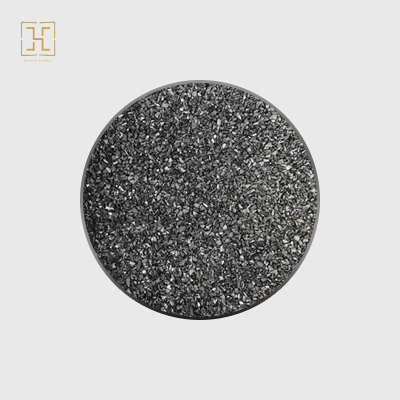
Raw coal goes through a process that changes it from a thick solid matter to an adsorption material with a lot of holes. The raw material is crushed into controlled particle sizes after being chosen by manufacturers as anthracite or bituminous coal with a good carbon content and low ash levels. The carbonization process starts at around 500°C in a place with little air. It gets rid of volatile compounds and makes the first pore structure. After activation at temperatures close to 700°C using steam or carbon dioxide, the pore network grows and is linked by specifically burning away carbon atoms.
Depending on the breaking and screening steps used, the end result has particles that aren't all the same size or shape. They can be fine powder or large grains. This wavy shape is better than a cylinder or a sphere in some situations, especially when the surface needs to be in touch with the catalyst the most, or when fluids are moving quickly.
Chemical Composition and Surface Properties
Elemental research usually shows that the material is 85–95% carbon, with small amounts of oxygen, hydrogen, and leftover ash making up the rest. When it comes to adsorption selection, surface chemistry is just as important as pore shape. During activation, oxygen-containing functional groups like carboxylic acids, phenols, and lactones form. These groups affect how well the carbon binds to polar and nonpolar molecules. Manufacturers can change the surface chemistry by using controlled oxidation processes or changing the activation conditions. This lets them make the material work better with certain contaminants.
Nitrogen adsorption isotherms measure the specific surface area, which gives a numerical value that shows how well something can adsorb. High-quality Coal-based crushed activated carbon gives off 800-1,200 m³/g, with micropores smaller than 2 nm, mesopores between 2 and 50 nm, and macropores bigger than 50 nm. Small molecules can get to interior adsorption sites through this hierarchical pore structure, and mesopores make transport routes easier, so there are no limits on diffusion during high-throughput processes.
Manufacturing Precision Matters
To get particles with tight size ranges, modern factories use CNC crushing technology along with multistage rotating screens. Shanxi Xinhua Carbon Technology Industry Co., Ltd. makes sure that the difference in particle size is less than 5% and the difference in filling density is less than 3%. These details are important because particles of different sizes can make bypass pathways in packed beds where untreated fluid can get out of the adsorption zones. This can lower the total efficiency of the system by 20% or more.
For Coal-based crushed activated carbon, our low-temperature carbonization and medium-temperature activation processes form a protective layer on the surface that lowers the rate of wear to less than 2%. This is in contrast to standard goods in the market, which have a rate of attrition of 5% or more. Lower wear rates directly lead to longer service life and less fine powder production, which can clog equipment further downstream and require expensive repair.
How Coal-Based Crushed Activated Carbon Works in Filtration
The Adsorption Mechanism Explained
Physical and chemical adsorption systems work together to get rid of contaminants. When working with nonpolar chemical substances like benzene, toluene, and xylene, physical adsorption is the main method used. These molecules stick to micropores because of weak van der Waals forces, and the amount they can stick to something depends on how much surface area there is. The uneven shape of the particles creates turbulent micro-environments around each granule. This makes mass transfer better and speeds up the process of reaching equilibrium.
When you want to get rid of chlorine, hydrogen sulfide, or other toxic species, chemical absorption becomes important. Surface functional groups connect with target molecules through covalent bonds, which are stronger than physical forces alone. This two-mode action is what makes Coal-based crushed activated carbon good at getting rid of a wide range of contaminants, from food coloring to mercury in flue gas treatment systems.
Water Purification Applications
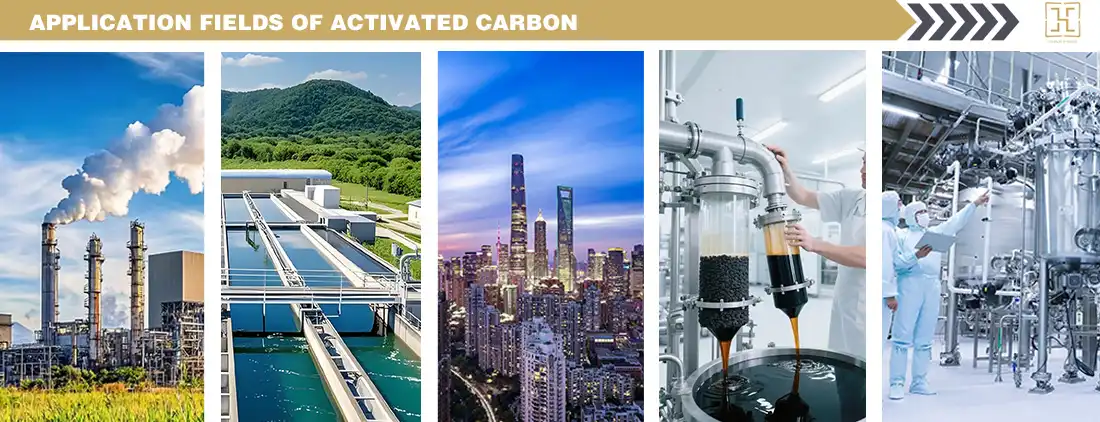
In the cleaning steps after filtration, Coal-based crushed activated carbon is used by municipal water treatment plants to get rid of chlorine, bad tastes and smells, and sediment. The substance stops the chemical molecules that make disinfection byproducts, which helps utilities follow Total Trihalomethane rules. Industrial wastewater uses include a wider range of contaminants, such as phenols from petrochemical processes, dyes from textile production, and lowering the chemical oxygen demand in pharmaceutical runoff streams.
Gas-Phase and VOC Abatement
Gas-phase adsorption systems are in high demand because of rules about industrial emissions that protect the environment. Coal-based crushed activated carbon works well in fluidized bed reactors where exhaust streams moving at high speeds need media that doesn't wear down easily. Our material keeps more than 90% of its adsorption efficiency at flow rates higher than 1.5 m/s, which is 20% better than cylindrical carbon in high-speed applications.
Manufacturing facilities in the coating, printing, and chemical synthesis sectors use moving bed adsorbers packed with Coal-based crushed activated carbon to catch liquid vapors for recovery and reuse. When systems are set up correctly, the solvent recovery rate is higher than 95%, turning a cost of compliance into a chance to reuse raw materials. The uneven shape of the particles helps the gas spread out better across the adsorption bed, getting rid of hot spots and increasing the time it takes for breakthrough to happen between regeneration rounds.
Catalyst Support Applications
Coal-based crushed activated carbon is used as a support matrix for filled catalysts in the chemical process industries because it has a lot of surface area and is strong. Ammonia synthesis, methanol production, and different petrochemical processes benefit from palladium, platinum, or nickel catalysts distributed across the carbon substrate. The rough surface makes it easier for the catalyst to stick than smooth pellets, and the loading capacities can hit 15% or more, and the reaction efficiencies can go over 95%.
Coal-Based Crushed Activated Carbon vs Other Types
Comparing Carbon Sources
Coconut shell carbon offers exceptional microporosity and hardness, making it ideal for liquid-phase uses needing low fine generation. Its small pore size distribution, on the other hand, makes it less effective against bigger organic molecules and worse at working in gas-phase systems that deal with streams of molecules with different molecular weights. Wood-based carbons provide softer, more reactive surfaces suited for chemical adsorption, but lower mechanical strength restricts their use in fluidized beds or other high-shear settings.
Coal-based crushed activated carbon is in the middle because it has a wider range of hole sizes and can hold a wide range of contaminants, from small inorganic ions to big organic molecules. Because it is more resistant to wear and tear, the material can be used in moving bed systems and high-speed uses where softer carbons would break down quickly. When it comes to price, coal-based products are better because they are usually 30–40% cheaper in bulk than coconut shell goods that do the same job in most commercial settings.
Granular versus Crushed Formats
Granular activated carbon has round particles with smooth sides that are designed to have the least amount of pressure drop possible in packed bed setups. Some hydraulic effectiveness is lost when forms are crushed, but the surface is rougher, adsorption happens faster, and the catalyst can hold more. System designers select between these forms based on application priorities—pressure drop limitations favor granular media, while maximum adsorption rate and catalyst support applications benefit from Coal-based crushed activated carbon.
Different forms also have different ways of recovering data. Coal-based crushed activated carbon has an uneven shape that makes it more likely to have surface flaws and reactive sites that could break down during heat regeneration. This could make reactivation less effective than with solid forms. These losses are kept to a minimum by modern regeneration protocols that use controlled atmosphere kilns and adjusted temperature profiles. Over multiple rounds, these protocols can restore 85–90% of the capacity.
Environmental and Economic Considerations
Sustainability Through Regeneration
Thermal renewal increases the useful life of activated carbon by burning off contaminants that have been absorbed, making the pores available for more treatment rounds. When handled under controlled conditions, Coal-based crushed activated carbon can withstand more than one regeneration cycle. This means that less new material is needed and the total cost of treatment is cheaper. When the amount used each year is more than 10 tons, having the ability to regenerate on-site becomes economically viable, and the payback time is usually less than 36 months.
We work with environmental engineering firms to create regeneration methods geared to specific contaminant levels and process conditions. Heavy metals and chlorinated organics are harder to regenerate than simple hydrocarbons. Sometimes, chemicals or changes to the kiln atmosphere are needed to prepare the materials for regeneration. Our expert team is available 24 hours a day, seven days a week, to help customers find the best regeneration settings that will help them reach their reactivation goals while reducing carbon loss.
Total Cost of Ownership Analysis
When making purchases, choices need to take more than just the initial buy price into account. The rate of wear directly affects how often you need to replace something. Our less than 2% attrition rate cuts annual consumption by 40% compared to standard goods, making up for higher per-ton costs through longer service intervals. Consistency in particle size stops bypass flow and keeps the design clearance efficiency high throughout the service cycle. This keeps you from having to pay for fines and emergency replacement costs.
Logistics of shipping affect the cost of delivery, especially when buying things from other countries. Shanxi Xinhua has several production sites spread out across China that can make a total of 45,000 tons of goods every year. They also keep a large stock of standard products. Standard orders are shipped between 7 and 15 days, but you can get faster service in 3 days if you need to meet an urgent deadline. Because we are close to important train and port facilities, we can ship containers to North American destinations at low costs, and we can help with all the paperwork needed to clear customs and follow the rules.
Procuring Coal-Based Crushed Activated Carbon: A B2B Guide
Supplier Qualification Criteria
Supplier approval is the first step in making sure quality. Certifications like ISO 9001, ISO 14001, and ISO 45001 show that a company takes care of quality, the environment, and safety at work in a planned way. Ask for test results from a third party for Coal-based crushed activated carbon that list the iodine number, methylene blue absorption, ash content, and particle size distribution for each batch of the product. Reputable makers include records of analysis with every shipment. This makes it possible to track down the source of a problem if it happens during use.
The ability to provide technical help is what sets strategic partners apart from transactional providers. Companies that make things and have their own labs and application engineering teams can help you get the best material specs for your process. We work with customers from the first feasibility studies to system startup and performance improvement. Our more than 60 years of experience in Coal-based crushed activated carbon technology comes from relationships with Tsinghua University, the Chinese Academy of Sciences, and other research institutions.
Customization and OEM Services
Common goods work well in many situations, but tailored solutions work better when process conditions are different from what is normal. You can change the particle size distribution to fit different bed levels and flow rates. This makes the balance between pressure drop and adsorption dynamics better. When you load a catalyst with palladium, platinum, or other reactive metals, the carbon changes into a multipurpose medium that can support both adsorption and reaction processes at the same time.
For equipment makers and system developers, we provide full ODM and OEM services, such as custom packing, private marking, and formulation development. For standard goods, the minimum order quantity starts at 1 ton, and for customized specs, it starts at 5 tons. This makes small-scale tests and prototype development affordable before committing to production volumes.
Logistics and Supply Chain Management
Large-scale industrial users need supply chains that can be planned for and cannot be interrupted by a single source. Our production network has bases in Shanxi, Ningxia, Fujian, and Xinjiang. This gives us geographical diversity and puts our stock closer to where people buy the most. Purchasing managers can set up framework deals that include planned deliveries that are based on predicted consumption. This way, they can avoid the costs of keeping inventory and make sure that materials are available when demand is highest during certain times of the year.
Customers can access real-time systems that track our goods, which let them see how much we have in stock and when we'll be making more. Optimizing the loads that are packed into containers cuts down on the cost of shipping goods between countries, and it also helps with the paperwork needed for customs and following the rules in the final location. Customers get tracking information from the time the goods leave the plant until they are delivered to the customer. This lets them plan production accurately and reduces the risk of failure.
Conclusion
Knowing how Coal-based crushed activated carbon gets rid of pollution through complex adsorption processes helps people make better purchasing decisions. The uneven shape of the particles, the tiered structure of the pores, and the ability to change the surface chemistry of the material make it useful for treating water, cleaning industrial gases, and catalyzing processes. Differentiating performance comes from precise production. Premium goods are set apart from commodity options by having tight particle size distributions, low wear rates, and high catalyst loading capacities. Instead of just looking at the initial buy price, economic analysis needs to look at the total costs of ownership, such as how often the item needs to be replaced, how it will be shipped, and how much the seller will charge for technical support. Strategic relationships with suppliers that offer customization, dependable shipping, and quick technical support give businesses benefits that go far beyond the carbon itself.
FAQ
How long does Coal-based crushed activated carbon usually last in water treatment applications?
Service life is affected by the amount of contaminants, how often the system is regenerated, and how it is used. Most municipal water treatment systems need to replace the fresh carbon every 18 to 36 months. In commercial settings with higher levels of contamination, replacement or regeneration may be needed every 6 to 12 months. By sampling outlets and keeping an eye on breakthrough curves, condition-based replacement methods can be used to get the most out of carbon use.
Can Coal-based crushed activated carbon be regenerated on-site effectively?
When the amount used each year is more than 10 tons, on-site recycling starts to make financial sense. When done right, thermal renewal in controlled-atmosphere kilns brings back 85 to 90% of the original absorption capacity. The type of pollutant has a big effect on how well regeneration works. Simple fuels recover better than chlorinated compounds or heavy metals, which might need chemical preparation.
How does particle size affect filtration performance?
Smaller particles have more surface area per unit volume and faster adsorption rates, but they also lower the pressure and raise the risk of bed channeling. Larger pieces have lower hydraulic resistance, but they may have trouble spreading. The best size combines these factors based on the molecular weight of the contaminants, the flow rate, and the amount of pressure drop that is allowed. For most commercial uses, this ranges from 0.5 to 4 mm.
Partner with a Trusted Coal-Based Crushed Activated Carbon Supplier
Shanxi Xinhua Carbon Technology Industry Co., Ltd. has been making carbon for more than 60 years and can help you with your toughest cleaning problems. Our Coal-based crushed activated carbon products have wear rates of less than 2% and particle size distribution deviations of less than 5%, which means they are 20% more efficient than other options. With the ability to produce 45,000 tons per year, quality systems that are ISO-certified, and shipping times of 7 to 15 days, we can give your businesses the dependability they need. Our engineering team can completely customize everything, from improving the pore structure to adding more catalysts than 15%. They are able to do this because they work together on research with top universities and institutes. To learn more about how our Coal-based crushed activated carbon solutions can improve your filtration performance while lowering running costs, please contact greta@carbonxinhua.com.
References
1. Chen, W., & Zhang, L. (2019). Activated Carbon: Fundamentals and Applications in Water Treatment. Chemical Industry Press.
2. Marsh, H., & Rodríguez-Reinoso, F. (2021). Activated Carbon: Production, Characterization, and Applications. Elsevier Science Publishers.
3. Bandosz, T. J. (ed.) (2018). Activated Carbon Surfaces in Environmental Remediation. Academic Press.
4. Ruthven, D. M. (2020). Principles of Adsorption and Adsorption Processes for Gas Separation. John Wiley & Sons.
5. Activated Carbon Task Force (2017). AWWA Manual M21: Groundwater Treatment Using Activated Carbon. American Water Works Association.
6. Yang, R. T. (2019). Adsorbents: Fundamentals and Applications for Industrial Gas Separation and Purification. Wiley-Interscience.

Send Inquiry
You may like
_1781662034490.webp)