_1778553121707.webp)
How Does Alkali-Impregnated Carbon Enhance Chemical Adsorption?
Aug 19, 2026
Alkali-impregnated coal quality impregnated carbon represents a significant advancement in industrial gas purification technology. This specialized activated carbon material enhances chemical adsorption through the integration of alkaline compounds—primarily sodium hydroxide (NaOH) and potassium hydroxide (KOH)—into its porous structure. Unlike traditional physical adsorbents that rely solely on surface area for trapping contaminants, alkali-impregnated carbon engages in direct chemical reactions with acidic gas pollutants such as sulfur dioxide (SO₂), nitrogen oxides (NOₓ), chlorine (Cl₂), and hydrogen sulfide (H₂S). The alkaline components neutralize these acidic species through chemisorption, forming stable salts within the carbon matrix. This dual-action mechanism—combining physical adsorption with chemical neutralization—delivers removal efficiencies exceeding 85-90% even under challenging industrial conditions.
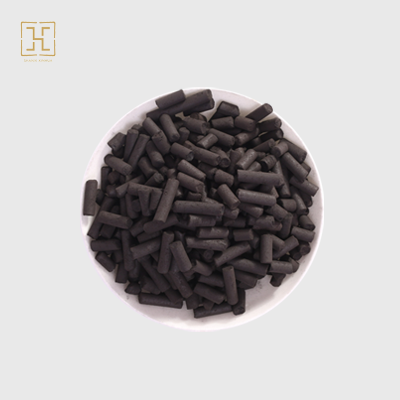
Understanding Alkali-Impregnated Carbon and Its Chemical Adsorption Properties
When alkali is added to activated carbon, it changes its basic function from a passive physical adsorbent to an active chemical reactor. During the impregnation process, alkaline reagents are mixed deep into the microporous network of alkali-impregnated coal quality impregnated carbon. This changes the chemistry of the surface of the carbon and makes reactive sites all over the material.
The Science Behind Chemical Enhancement
Alkaline chemicals spread out in the carbon matrix interact directly with acidic gas molecules at the molecular level. When SO₂ comes in contact with carbon that has KOH on it, it oxidizes and neutralizes, creating potassium sulfate (K₂SO₄). The pollutant is removed permanently, not just temporarily trapped, by this chemical change. The large number of pores in the carbon (over 900 m³/g) makes sure that the alkaline sites that are embedded and the incoming gas streams have the most contact possible.
The better absorption is caused by three different processes working together. Van der Waals forces hold molecules in micropores during physical adsorption. Pollutants are stuck together by chemicals that use ionic reactions with alkaline parts. Chemical processes on the surface of things help break down some organic acids and volatile organic substances. This multi-layered approach explains why alkali-impregnated coal quality impregnated carbon can absorb more than 220 mg/g of SO₂, which is a lot more than non-impregnated alternatives.
Microstructural Modifications Through Impregnation
The process of impregnation carefully balances adding acidity to the material while keeping its open structure. Too much alkali can block pores and lower the surface area, and not enough loading can stop chemicals from reacting. Manufacturers usually aim for alkali component loadings of between 5% and 25%, but this can be changed depending on the needs of the product. This accuracy makes sure that the carbon keeps its iodine-adsorption value above 800 mg/g while also reaching a strongly alkaline pH range of 11.5–13.5.
Modern production methods spread alkaline chemicals evenly among the carbon particles. This stops the formation of surface-only layers that would wear off quickly while in use. The coated parts are very stable; they lose less than 3% of their weight even after being exposed to wetness and process gases for a long time. This stability directly leads to a longer service life—often more than two years in high-sulfur industry settings where regular carbons would break within months.
Production Process and Quality Standards of Alkali-Impregnated Coal
To make high-performance alkali-impregnated coal quality impregnated carbon, strict control is needed at every stage of the production process. The first step is to choose high-quality anthracite coal that has the right pore structure potential and few impurities.
Critical Manufacturing Steps
Before going into the carbonization phase, raw coal is crushed and sized. In this phase, volatile components are driven off by controlled burning in oxygen-limited environments. This creates the first holes in the coal. The next step is activation, which usually involves using steam at temperatures between 800°C and 1000°C to make the pores bigger and more uniform. This makes the basic activated carbon that has a lot of surface area and the right amount of different-sized pores.
The impregnation stage is the most important transformation for adding value. Manufacturers make precise alkaline solutions, usually NaOH or KOH at controlled concentrations, and use vacuum impregnation, spray coating, or incipient wetness techniques to add them to the activated carbon. The choice of method affects how evenly and deeply the acidity goes into the material. Vacuum impregnation is very good at pushing solutions deep into micropores, which makes reacting sites all over the particle instead of just on the outside.
The material is then dried in a controlled way to get rid of any extra water while keeping the alkaline components that are spread out. Too high of drying temperatures can move alkalis to the surfaces of particles, which lowers the reactivity inside the particles. The best amount of wetness, which is usually kept at around 10%, actually improves performance by making it easier for ions to move around, which is needed for quick neutralization processes in the gas phase.
Quality Assurance and Certification Standards
When you buy something internationally, you have to follow certain quality standards. Manufacturers with a good reputation use ISO 9001 quality management systems that include testing of both raw materials and finished products. Standardized tests are used to check important factors, such as the iodine number (ASTM D4607), the particle strength (ASTM D3802), and the ash level.
Activated carbon standards aren't enough for alkali-impregnated goods; they need special testing. SO₂ adsorption capacity testing mimics real industrial gas sources to check how well they remove SO₂. Immersion stability tests show that the alkaline parts stay put in the carbon matrix and don't leak out into the process streams. Testing the material's pH confirms that it is alkaline, which is necessary for neutralization processes.
Having ISO 14001 environmental management certification shows that a factory is committed to using sustainable production methods. This is becoming more and more important as purchasing decisions take environmental duty and technical performance into account. Following the rules for occupational health and safety (ISO 45001) gives extra assurance of consistent working conditions in factories, which have a direct effect on the quality of the products made.
Comparing Alkali-Impregnated Carbon with Alternatives for Chemical Adsorption
When buying teams know how different companies' performance compares, they can make better sourcing choices that meet business needs and stay within budget.
Performance Metrics Comparison
Through physical adsorption, standard activated carbon is very good at getting rid of organic chemicals, smells, and pollution with higher molecular weight. Because acidic gases like SO₂ and NOₓ have a low molecular weight and are polar, it is not nearly as effective at killing them. Breakthroughs happen quickly, so they need to be replaced often, which drives up the cost of doing business.
Alkali-impregnated coal quality impregnated carbon directly deals with these problems. Independent tests show that materials that are 15% loaded with KOH remove more than 220 mg/g of SO₂, while materials that aren't loaded with KOH remove less than 50 mg/g. This 4-5 times improvement means longer periods between service visits and less material being used per unit of gas treated. In the same way, NOₓ removal rate stays above 85–90% at temperatures between 120°C and 180°C, which means that energy costs that are normally used to heat gas before using other technologies are not needed.
Carbons that aren't alkaline and have been mixed with different chemicals fill specific needs. Radioactive iodine is targeted by silver-impregnated carbon in nuclear power plants. Using zinc oxide to impregnate something successfully gets rid of hydrogen sulfide. However, alkaline impregnation is the most flexible and cost-effective way to treat a wide range of acidic gases in industrial exhaust streams.
Total Cost of Ownership Analysis
Even though alkali-impregnated coal quality impregnated carbon costs more than regular activated carbon at first (20–40%), lifecycle analysis shows that it saves a lot of money in the long run. Longer service life means that parts don't need to be replaced as often, which saves money on work costs and keeps processes running as smoothly as possible. When the adsorption capacity is higher, less material is needed to remove one ton of pollution. This lowers the cost of transportation and disposal.
The ability to regenerate heat is another economic benefit. After being heated again, impregnated carbon keeps 85–90% of its original adsorption capacity. This means that it can be used again in places where regular materials would have to be thrown away. This ability to grow back lowers long-term material costs and trash production, which meets both economic and environmental goals.
When it comes to the supply chain, things that favor well-known makers with tested quality systems and good product management are favored. Buying from suppliers who keep large stock inventories guarantees a steady supply, which is necessary for operations to keep running. Having access to fast delivery options, such as emergency three-day fulfillment, protects against compliance risks caused by equipment failures or tight regulatory deadlines.
Applications and Advantages of Alkali-Impregnated Carbon in B2B Chemical Processes
Different types of industries use alkali-impregnated coal quality impregnated carbon because it has a unique mix of physical and chemical adsorption properties that help them.
Industrial Acidic Exhaust Gas Treatment
Refineries, chemical plants, and petrochemical facilities all release pollution streams that contain toxic, acidic gases that put equipment at risk and make it harder to follow environmental rules. Putting alkali-impregnated coal quality impregnated carbon systems in VOC treatment trains does two things: they get rid of organic compounds by adsorption and neutralize acid gases through chemical reaction. This gets rid of the need for separate scrubbing systems, which makes designing the process easier and lowers the cost of capital.
Power plants that burn high-sulfur coal have to follow strict rules for SO₂ emissions. When alkali-impregnated coal quality impregnated carbon is used as a polishing treatment, outlet concentrations drop below 10 mg/m³. This meets the requirements of the EU Best Available Techniques (BAT) and the U.S. Rules from the Clean Air Act. Because the technology works at low temperatures (120–180°C), it doesn't need to heat up the gas like selective catalytic reduction (SCR) systems do, which uses more energy.
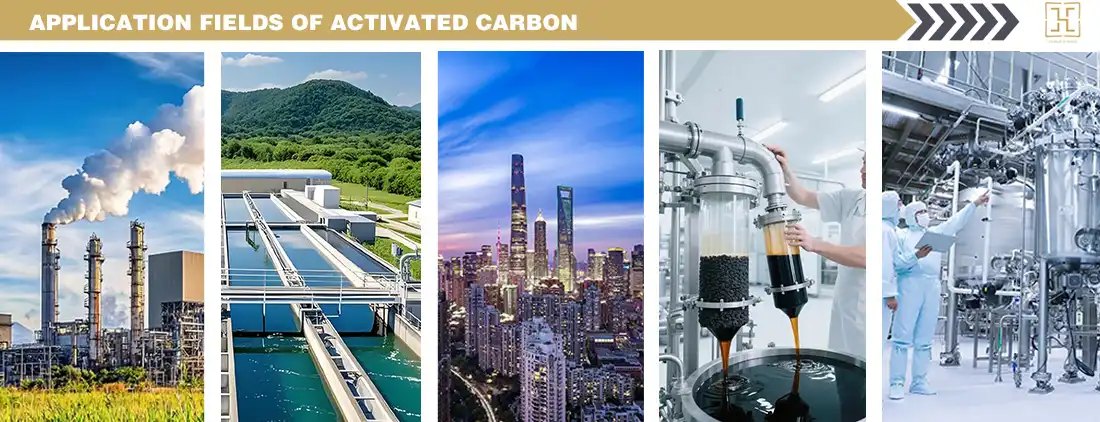
Flue Gas Desulfurization and Denitrification Pretreatment
Modern environmental laws require reducing a number of toxins at the same time. Alkali-impregnated coal quality impregnated carbon works well as a pretreatment step before the main control systems. It captures acid gases that would otherwise damage catalysts or cleaning solutions further down the line. This safe function makes tools last longer and keeps the performance stability of pollution control systems that cost a lot of money.
Metallurgical processes, like making steel and smelting non-ferrous metals, release complex exhaust that includes SO₂, chlorine compounds, and heavy metal vapors. These tough conditions don't affect impregnated carbon beds; they keep their structure and adsorption performance even when other materials break down quickly. A service life of more than two years in these tough situations shows that it is very durable.
Laboratory Tail Gas Purification and Specialty Applications
Reliable point-of-use fume hood exhaust treatment is needed in analytical labs, drug factories, and electronics fabrication shops. In setups with limited room, small alkali-impregnated coal quality impregnated carbon filters work well to block acid fumes, chlorine gas, and other harmful emissions. Because the material is not easily poisoned by sulfur, it works consistently even when it comes into contact with strong acid vapors during sample digestion or chemical synthesis.
Ultra-pure feed streams are needed for specialized gas processing used in semiconductor manufacturing and laboratory instrument gas sources. Custom-made coated carbons get rid of small amounts of acidic contaminants that could mess up important processes or readings. Manufacturers that let you change the alkaline loadings, particle sizes (8-30 mesh granular or 1.5-3.0mm cylindrical), and pore structures make it possible to precisely match the needs of each application.
How to Choose and Procure the Best Alkali-Impregnated Carbon for Your Needs
When buying custom adsorbents strategically, you need to carefully look at the technical details, the supplier's skills, and the overall value they provide.
Alignment of Technical Specifications
A key part of successful procurement is matching product specifications to application needs. Gas stream composition analysis finds the pollutants and concentrations that are of concern. The required thermal stability and moisture tolerance depend on the temperature and humidity conditions. The bed depth and particle size are affected by flow rates and contact time limits.
The paperwork for buying something should list the basic performance standards, such as the percentage of alkali, the amount of SO₂ it can absorb, the number of ions it contains, the size of its particles, and the amount of water it can contain. Asking for approved test results from separate labs is an objective way to make sure that goods meet requirements. Manufacturers who have their own testing facilities with gas chromatography, surface area analyzers, and strength testing equipment show that they care about quality control.
Evaluating Supplier Credibility and Capabilities
When choosing a seller, you should look at more than just the product specs. You should also look at the supplier's manufacturing experience, expert help, and business security. Companies that have been making activated carbon for decades have a lot of process knowledge that helps them make sure the quality of their products is always high. Partnerships with research institutions, like those with Tsinghua University or the Chinese Academy of Sciences, show that money is still being spent to advance materials science.
When planning big projects or making framework supply agreements, production capacity is important. Suppliers that have more than one factory and produce more than 40,000 tons of goods each year show that they can meet large ongoing needs without having to stop their supplies. Keeping a full stock of all the different types of products (granular, columnar, and powdered) allows for single-source buying, which makes managing vendors easier.
Logistics infrastructure needs to be carefully thought out, especially when buying things from other countries. When suppliers are close to big transportation hubs, shipping times and freight costs go down. Full logistics services, like helping with customs clearance, cargo insurance, and real-time tracking of shipments, make buying things easier. Having access to faster shipping options, like three-day emergency delivery, protects against sudden supply needs caused by broken equipment or government deadlines.
Conclusion
The dual-action adsorption mechanism of alkali-impregnated coal quality impregnated carbon technology, which combines physical and chemical processes, makes huge improvements in the cleaning of industrial gases. Adding alkaline parts to high-quality coal-based activated carbon in a planned way makes it very good at getting rid of acidic gases, with SO₂ adsorption levels exceeding 220 mg/g and NOₓ removal rates exceeding 85–90%. These improvements in performance have direct practical benefits, such as longer service life, less material use, lower energy costs, and safe compliance with regulations. For procurement to go smoothly, technical specifications must be carefully aligned with application needs. Suppliers must also be carefully evaluated in terms of their quality systems and logistics capabilities, and buyers must work with manufacturers who offer customization expertise and full technical support. Procurement professionals can make decisions that improve both short-term performance and long-term value by understanding the science behind chemical enhancement, production quality factors, and comparative performance.
FAQ
What distinguishes alkali-impregnated carbon from standard activated carbon?
Standard activated carbon only works by physically absorbing pollutants through its porous structure. This is how it gets rid of organic chemicals and pollutants with higher molecular weights. Alkali-impregnated coal quality impregnated carbon has reactive alkaline compounds (NaOH or KOH) spread out in its pores. This lets acidic gases be neutralized chemically directly. This chemisorption process can remove 4–5 times more SO₂ and still works well against acid gases that quickly break through normal carbon.
Can alkali-impregnated carbon undergo thermal regeneration?
Yes, but with some important things in mind. In regular carbon, regeneration just removes molecules that were physically stuck on it. But in alkali-impregnated coal quality impregnated carbon, regeneration at high temperatures involves breaking down reaction products that are left over after chemical neutralization. 85–90% of the material's original adsorption capacity can be restored through controlled renewal at the right temperatures. This makes the material economically useful again. The alkaline parts mostly stay the same through multiple regeneration processes, but they may need to be replaced after a lot of use.
How does humidity affect adsorption performance?
Moderate humidity (30–70% relative humidity) actually makes alkali-impregnated coal quality impregnated carbon work better. Ionic movement is made easier by moisture, which is needed for fast gas-phase neutralization reactions between acidic pollution and alkaline sites. Conditions that are too dry can slow down the rate of a reaction, while conditions that are too damp may cause alkaline components to move. The best moisture content for the carbon itself is around 10%, and the right humidity in the gas stream makes removal work best.
Partner with a Trusted Alkali-Impregnated Coal Quality Impregnated Carbon Supplier
With more than 60 years of experience in material science and defense-grade quality systems, Shanxi Xinhua Carbon Technology Industry Co., Ltd. is ready to help you clean up your industrial gases. We offer high-quality alkali-impregnated coal quality impregnated carbon products that have a SO₂ adsorption capacity of more than 220 mg/g, a NOₓ removal rate of more than 85–90%, and a service life of more than two years in harsh settings. With production bases all over China that make 45,000 tons of goods every year, we keep a large inventory to ensure standard delivery within 7–15 days and fast fulfillment within 3 days for urgent needs. Our ISO 9001, ISO 14001, and ISO 45001 certifications show that we are devoted to quality, caring for the environment, and producing the best products possible. Our technical team, working with Tsinghua University and the Chinese Academy of Sciences, creates solutions that are designed exactly to meet your needs, whether you need custom pore structures, specific alkaline loadings, or custom particle sizes. Get in touch with our purchasing experts right away at greta@carbonxinhua.com to talk about your application needs, ask for technical data packages, or set up product samples. You can look at our whole product line at xhcarbontech.com and learn why environmental engineering firms, petrochemical plants, and city water treatment systems around the world choose Shanxi Xinhua as their top alkali-impregnated coal quality impregnated carbon supplier.
References
1. Chen, W., & Zhang, L. (2021). Advanced Functional Carbons for Environmental Applications: Fundamentals and Industrial Implementation. Chemical Industry Press.
2. International Union of Pure and Applied Chemistry. (2019). Characterization of Chemically Modified Activated Carbons for Gas-Phase Applications. IUPAC Technical Report Series, Volume 91.
3. Li, J., Wang, S., & Zhou, Y. (2020). Mechanisms of Enhanced Acidic Gas Adsorption on Alkali-Impregnated Activated Carbon. Journal of Environmental Chemical Engineering, 8(4), 103876.
4. National Institute for Occupational Safety and Health. (2022). Chemical Protective Materials: Testing Standards and Performance Criteria. NIOSH Publication No. 2022-115.
5. Smith, R.D., & Thompson, M.A. (2023). Industrial Gas Purification: Technology Selection and System Design for Emission Control. McGraw-Hill Professional.
6. Yang, H., Xu, Z., & Fan, M. (2018). Coal-Based Activated Carbon Modified with Alkaline Reagents for Enhanced SO₂ and NOₓ Removal from Flue Gas. Fuel Processing Technology, 176, 263-271.

Send Inquiry
You may like
_1781662034490.webp)