_1778553121707.webp)
How Does 767 Injection Wood-Based Activated Carbon Improve Purification Performance?
Sep 18, 2026
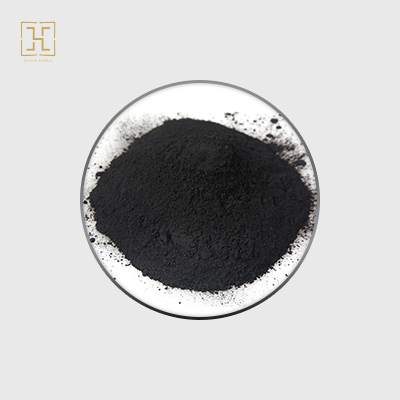
When pharmaceutical manufacturers face persistent challenges with injectable solution clarity, pyrogen contamination, and batch inconsistency, the choice of purification material becomes critical. 767 Injection Wood-based Activated Carbon, manufactured by Shanxi Xinhua Carbon Technology Industry Co., Ltd., resolves these challenges through pharmaceutical-grade selective adsorption. With an iodine adsorption value ≥950 mg/g and a pyrogen removal rate ≥99.9%, this ultra-fine hardwood-derived adsorbent targets pigments, high-molecular-weight polymers, and toxic residues with precision — without disturbing active pharmaceutical ingredients or altering pH balance.
Understanding 767 Injection Wood-Based Activated Carbon
What Sets This Material Apart From Conventional Carbons
767 Injection Wood-based Activated Carbon is not a general-purpose adsorbent. It is a high-end, specially designed material engineered exclusively for pharmaceutical injectable production. Sourced from premium hardwood, it undergoes precise temperature-controlled carbonization, high-temperature steam activation, ultra-fine grinding to 325–400 mesh, and multiple purification cycles. The result is a pharmaceutical-grade powder with a hierarchical pore structure dominated by mesopores and macropores, offering a specific surface area that supports rapid and uniform adsorption kinetics across complex liquid environments.
Wood-based carbon is naturally superior for injection applications because it has a low ash content (≤2.0%), few heavy metals, and consistent pore morphology. Coal-based activated carbons, by contrast, carry higher mineral impurity loads and less stable surface chemistry — factors that introduce contamination risk in sensitive parenteral formulations. The 767 Injection Wood-based Activated Carbon grade fully complies with the Chinese Pharmacopoeia (ChP), and its physicochemical profile aligns with global pharmaceutical purity benchmarks including USP elemental impurity guidelines.
How 767 Injection Wood-Based Activated Carbon Improves Purification Performance
The Science Behind Selective Adsorption in Injectable Solutions
The purification mechanism of this pharmaceutical carbon adsorbent rests on pore-size selectivity and surface chemistry tailoring. Its mesopore-dominant architecture (pore diameters 2–50 nm) captures large-molecule impurities — including pyrogens, endotoxins, and high-molecular-weight polymers — while allowing smaller active pharmaceutical ingredient (API) molecules to pass through undisturbed. Selectivity like this is not a coincidence; it results from controlled activation parameters that shape functional surface groups to attract polar contaminants rather than API structures.
In practical manufacturing terms, this translates to measurable outcomes. Pyrogen removal reaches ≥99.9%, resolving one of the most persistent regulatory failure points in injectable production. Clarity compliance improves consistently across batches because pigment and colloidal impurity adsorption occurs rapidly within the 325–400 mesh powder's expanded surface contact zone. The neutral pH range of 6.0–7.0 ensures the formulation environment remains stable throughout the purification stage.
Here are the core performance parameters that define this material's purification capability:
- Iodine Adsorption Value ≥950 mg/g — confirms broad micropore and mesopore adsorption capabilities for capturing impurities of all molecular weights.
- Methylene Blue Adsorption ≥200 mg/g — proves that the material can adsorb large organic molecules, making it effective for complex herbal and biological formulations where high-molecular-weight contaminants are common.
- Pyrogen Removal Rate ≥99.9% — the defining specification for parenteral safety, ensuring injectable products meet regulatory thresholds under both ChP and international standards.
- Ash Content ≤2.0%, Arsenic ≤0.0001%, Lead ≤0.0002%, Mercury: Not Detected — trace contaminant levels at or below the strictest pharmaceutical safety requirements globally.
These specifications collectively position 767 Injection Wood-based Activated Carbon as a dependable purification agent across TCM injectables, synthetic Western pharmaceutical formulations, and sensitive biological preparations.
Beyond the numbers, the practical impact is equally significant. Biological preparation manufacturers who work with proteins and peptides report that selective adsorption protects active biological molecules from degradation during purification — a critical advantage that broader-spectrum carbons cannot reliably offer.
Comparing 767 Injection Wood-Based Activated Carbon With Other Activated Carbons
Why Form Factor and Feedstock Both Matter
When purchasing managers evaluate injectable-grade activated carbon against granular or coal-based alternatives, three dimensions consistently drive the decision: purity profile, pore structure alignment with target contaminants, and processing compatibility.
Granular activated carbon excels in continuous-flow water and gas treatment but is poorly suited for pharmaceutical liquid purification. Its coarser particle size limits surface contact in injectable matrices, and its higher ash content introduces unacceptable contamination risk. Powdered coal-based carbons offer broader availability and lower unit cost, but their mineral impurity profiles and less consistent pore distribution make batch-to-batch reproducibility difficult — a significant liability in regulated pharmaceutical environments.
767 Injection Wood-based Activated Carbon occupies a distinct technical position. Its ultra-fine 325–400 mesh form maximizes surface contact in solution, its hardwood feedstock yields inherently lower inorganic impurity loads, and its controlled activation process produces a consistent mesopore volume that targets injectable contaminants with high specificity. For quality control managers, this consistency reduces rejection rates and simplifies validation documentation. For procurement teams managing large-scale production, the reliable performance across batches reduces the total cost of quality — even if the per-unit price exceeds commodity-grade alternatives.
Procurement and Supplier Considerations for 767 Injection Wood-Based Activated Carbon
What Reliable Sourcing Looks Like at Industrial Scale
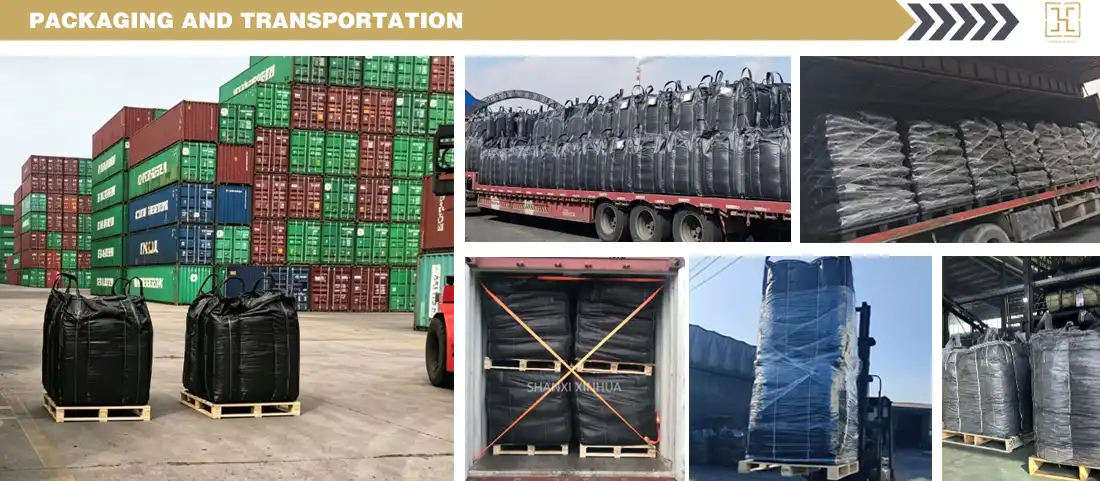
Finding pharmaceutical-grade activated carbon requires more than just finding the cheapest price. A reliable supply relationship is defined by consistent batches, full traceability, certified quality systems, and responsive logistics. Shanxi Xinhua Carbon Technology Industry Co., Ltd. holds ISO 9001, ISO 14001, and ISO 45001 certifications, and operates four production bases across Shanxi, Ningxia, Fujian, and Xinjiang — with a combined annual output of 45,000 tons. Core product stock coverage is maintained at 100%, supporting standard delivery within 7–15 days and emergency green-channel fulfillment within 3 days.
For buyers requiring application-specific customization — adjusted pore distribution, particle size modification, or tailored surface chemistry — the company's R&D team, backed by collaborative research with Tsinghua University and the Chinese Academy of Sciences, supports formulation-matched material development. Sample availability and full technical documentation accompany each procurement engagement, enabling pre-purchase testing that meets the validation requirements of regulated pharmaceutical manufacturing for 767 Injection Wood-based Activated Carbon.
Future Outlook and Innovations in 767 Injection Wood-Based Activated Carbon
Where Pharmaceutical Carbon Adsorption Technology Is Heading
The pharmaceutical purification carbon market is advancing on two fronts: performance optimization and sustainability integration. Researchers are exploring enhanced mesopore engineering techniques that further sharpen selectivity for endotoxin and pyrogen removal, reducing required dosage and downstream filtration burden. Greener activation processes using low-emission steam systems are reducing the carbon footprint of 767 Injection Wood-based Activated Carbon manufacturing without compromising adsorption performance.
Expanding applications in biological preparations — including monoclonal antibody purification and vaccine intermediate processing — are creating demand for even more precisely tuned adsorbent materials. Procurement teams that establish framework supply agreements with technically capable manufacturers now will be positioned to access next-generation material specifications as regulatory requirements evolve and biological pipeline complexity increases.
Conclusion
Injectable pharmaceutical manufacturing leaves no margin for purification compromise. 767 Injection Wood-based Activated Carbon delivers the selectivity, purity, and batch consistency that parenteral production demands — removing pyrogens, pigments, and trace impurities while protecting active ingredients and maintaining formulation pH. Its pharmaceutical-grade specifications, wood-derived feedstock advantages, and compliance with ChP standards make it the rational choice for TCM injectables, Western pharmaceutical formulations, and biological preparations. Backed by Shanxi Xinhua's six decades of activated carbon expertise and multi-base production infrastructure, this material represents a reliable, technically validated purification solution.
FAQ
What makes wood-based activated carbon preferable to coal-based carbon for injectable applications?
767 Injection Wood-based Activated Carbon naturally carries lower ash content and fewer inorganic mineral impurities than coal-based alternatives. Its mesopore-dominant structure aligns more precisely with the molecular size range of injectable contaminants, and its surface chemistry is more amenable to pharmaceutical-grade purity requirements. These characteristics reduce contamination risk and improve batch-to-batch reproducibility in regulated production environments.
How does the 767 grade protect active pharmaceutical ingredients during purification?
The 325–400 mesh powder's pore architecture is calibrated to adsorb large-molecule impurities — pyrogens, high-molecular-weight polymers, and pigments — while allowing smaller API molecules to pass through unaffected. The neutral pH range (6.0–7.0) further safeguards formulation integrity throughout the contact phase for 767 Injection Wood-based Activated Carbon.
Can samples and customized specifications be requested before bulk procurement?
Yes. Shanxi Xinhua Carbon Technology Industry Co., Ltd. provides samples and full technical documentation to support pre-purchase validation. Customization across particle size, pore distribution, and surface chemistry is available through direct consultation. Contact the team at greta@carbonxinhua.com or visit xhcarbontech.com to initiate a sample request.
What certifications does the supplier hold?
The company holds ISO 9001, ISO 14001, and ISO 45001 certifications, and products comply with Chinese Pharmacopoeia (ChP) standards. A hygiene license for drinking water safety products has also been issued by the Shanxi Provincial Health Commission.
Partner With a Trusted 767 Injection Wood-based Activated Carbon Supplier
Shanxi Xinhua Carbon Technology Industry Co., Ltd. brings over 60 years of activated carbon manufacturing expertise to every order. As a verified 767 Injection Wood-based Activated Carbon manufacturer with 45,000 tons of annual capacity and ISO-certified quality systems, we support your production with reliable supply, technical documentation, and rapid delivery. Reach our team at greta@carbonxinhua.com or visit xhcarbontech.com to request samples, technical specifications, or a customized bulk supply proposal.
References
1. Chinese Pharmacopoeia Commission. Chinese Pharmacopoeia (ChP), Volume IV — General Requirements for Activated Carbon in Pharmaceutical Applications. 2020.
2. Bansal, R. C., & Goyal, M. Activated Carbon Adsorption. CRC Press. 2005.
3. Moreno-Castilla, C. "Adsorption of Organic Molecules from Aqueous Solutions on Carbon Materials." Carbon, 42(1), 83–94. 2004.
4. United States Pharmacopeia. USP <232> Elemental Impurities — Limits; USP <233> Elemental Impurities — Procedures. USP 45–NF 40. 2022.
5. Ahmedna, M., Marshall, W. E., & Rao, R. M. "Surface Properties of Granular Activated Carbons from Agricultural By-Products and Their Effects on Raw Sugar Decolorization." Bioresource Technology, 71(2), 103–112. 2000.
6. International Organization for Standardization. ISO 9001:2015 — Quality Management Systems: Requirements. ISO. 2015.

Send Inquiry
You may like
_1781662034490.webp)