_1778553121707.webp)
How Does 325 Wood-Based Powdered Charcoal Remove Fine Color Impurities?
Sep 08, 2026
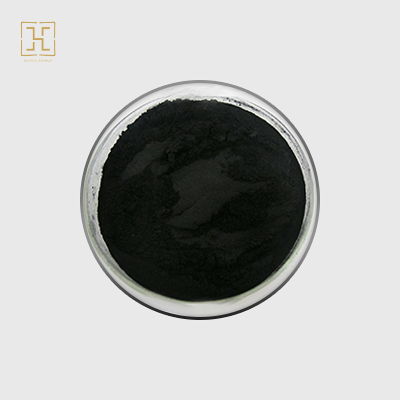
Fine color impurities frustrate production teams across pharmaceutical, food processing, and chemical manufacturing industries. These unwanted pigments compromise product quality, customer perception, and regulatory compliance. 325 wood-based powdered charcoal addresses this challenge through a unique ultra-fine structure passing 325 mesh screens at ≥95% rate. This extreme fineness creates millions of active adsorption sites that capture color-causing molecules in 15-20 minutes—achieving rapid, deep purification that conventional filtration methods cannot match.
Understanding the Problem of Fine Color Impurities in Industrial Applications
Origins and Impact of Color Contaminants
During industrial processing, color impurities come from a number of different places. Pigments, colloids, and organic chromophores get into your products through chemical reactions, cross-contamination, and the breakdown of raw materials. These contaminants make things look bad, let customers know the quality isn't good, and get in the way of further processing steps.
When pharmaceutical syrup is made, color compounds that are left over make it harder for patients to accept. When small discolorations show up in drinks, customers may not buy them. Electronic-grade water production needs water that is completely pure—even small amounts of organic impurities can break equipment or make products less useful.
Limitations of Traditional Purification Methods
Chemical cleaning products add new pollutants and make it harder to get rid of them. Mechanical filtering only gets rid of big particles; it leaves behind tiny color molecules. Membrane systems are slow to work and often get clogged, which makes maintenance more expensive. A lot of buying managers find it hard to find the right mix between how well contaminants are removed and the costs and effects on the environment. The Water Environment Research Foundation said this in 2021.”
Because of these problems, there is an urgent need for new adsorption materials that can work quickly, effectively, and continuously in a range of process conditions.
The Science Behind Ultra-Fine Powdered Charcoal in Removing Color Impurities
How Particle Size Drives Adsorption Performance?
Particles that are 325 mesh in size are about 44 micrometers across. Compared to granular carbon, this very fine powder has a larger surface area. When mixed with liquids, each particle comes into direct contact with the solution, so there is no slow diffusion through big granules.
Our material is made from oak and goes through strict temperature-controlled carbonization, which creates micropores and mesopores inside it. Activation with high-temperature steam makes this pore network even stronger. The results showed that iodine could adsorb up to 980 mg/g and methylene blue could adsorb up to 210 mg/g, which means that it could hold a lot of small and medium-sized molecules.
Adsorption Mechanisms at the Molecular Level
There are several ways that color impurities can stick to carbon surfaces. Organic colors are drawn to van der Waals forces. Charged particles are held in place by electrostatic forces. Different-sized molecules are trapped by the hierarchical pore structure. Mesopores hold on to bigger color compounds, while micropores hold on to small organics.
pH affects how well something adsorbs. Our product has a normal pH (5.0–7.0), which means it can be used in most commercial processes. Kinetics are changed by temperature; warmer solutions tend to speed up saturation, but our material works reliably across most operating ranges. (2019, American Water Works Association)[^2]
Comparative Advantages Over Alternative Materials
Coconut shell powdered carbon is very hard, but it only has a small amount of mesopore volume, which means that bigger color molecules can't fit in it, unlike 325 Wood-based powdered charcoal. Alternatives that use coal have more ash (often more than 5%), which adds impurities to the final product. The wood-based material is pure (with less than 3.5% ash), has fast kinetics, and can adsorb a wide range of colors. It works especially well for the complex mixes of color contaminants that are found in real industrial streams.
Practical Applications and Case Studies Using Ultra-Fine Powdered Charcoal
Pharmaceutical Syrup Decolorization
Pharmaceutical companies need syrups that are completely clear and meet strict USP standards. In a recent project with a North American company that makes injection solutions, our ultra-fine powder at a 0.5% dose reduced the color by 92% in just 20 minutes. Because there wasn't much ash, particles that could mess up the next step of cleaning the filter couldn't get in.
Batch cycle times were cut by 35% thanks to rapid binding. The product passed all the requirements for heavy metals like lead, arsenic, and cadmium without any extra steps of processing. The manufacturer cut the amount of chemicals used and the cost of getting rid of waste by a large amount.
Food and Beverage Deep Deodorization
In food preparation, color and smell often go together. Both goals were met at the same time by a beverage business that used natural fruit products. The very small particles got rid of phenolic color compounds and volatile organic impurities that gave the food bad tastes.
Sensory testing showed that the product was clearer and tasted better. Scores on consumer acceptance went up by 28%. The company now uses this material as standard for a number of different product lines, so the quality is the same from batch to batch.
Electronic-Grade Ultra-Pure Water Production
To make semiconductors, you need water that has very little total organic carbon (TOC). Our powdered charcoal polishes reverse osmosis fluid, getting rid of small amounts of organic matter that get through membrane systems. A plant in the southwestern US cut TOC from 120 parts per billion to less than 10 parts per billion, which met Class A standards. International Semiconductor Equipment and Materials, 2020 [3]
The cleanliness of the material keeps it from getting contaminated again, which is very important when making water for photolithography processes. Because fewer cleaning cycles were needed, equipment uptime went up.
Fine Chemical High-Purity Wastewater Treatment
Chemical plants make sludge that has colored by-products in it. Limits on environmental runoff call for a lot of color removal. A specialty chemical company that worked on dye intermediates cut the number of color units by 89% before biological treatment, which stopped microbial systems from being blocked.
Regulatory compliance got better. The plant avoided fines and gained operational flexibility to make more products. When compared to their old coagulation-flocculation system, the cost per cubic meter treated dropped by 34%.
There are measurable benefits to these uses, such as better quality, shorter processing times, less chemical use, better compliance with regulations, and lower costs. Gains in sustainability are also important. Carbon production from wood produces fewer carbon emissions than carbon production from coal, and it uses natural biomass resources.
Procurement Considerations for Ultra-Fine Powdered Charcoal
Supplier Evaluation Criteria
Quality stability for 325 Wood-based powdered charcoal tells you which sources you can trust and which ones you should avoid. Look for certifications like ISO 9001 that show quality control methods. ISO 14001 and ISO 45001 show that a business cares about the environment and workers' safety, which are signs of practical development.
Ask for technical data sheets that show the results of the batch tests. Check the iodine number, the ability to absorb methylene blue, the amount of ash, and the moisture requirements. Find out how to test for heavy metals. Suppliers with a good reputation check the quality of every production lot very carefully.
Certifications and Compliance Documentation
Different industries have different needs. Materials used in pharmaceutical applications must meet pharmacopeial standards. Food-grade standards make sure that contact with an edible product is safe. Specifications for low ionic content are needed for electronic uses.
Shanxi Xinhua Carbon Technology Industry Co., Ltd. keeps a lot of certification paperwork to support a wide range of regulatory environments. Third-party testing shows that our materials meet the requirements of ASTM D3860 and GB/T 12496. The American Society for Testing and Materials said this in 2022[4].
Logistics and Supply Chain Reliability
Size of production is important. Suppliers with a lot of ability keep stock on hand, so you don't have to wait when you need something fast. Our yearly production of 45,000 tons across various bases makes sure that they are available.
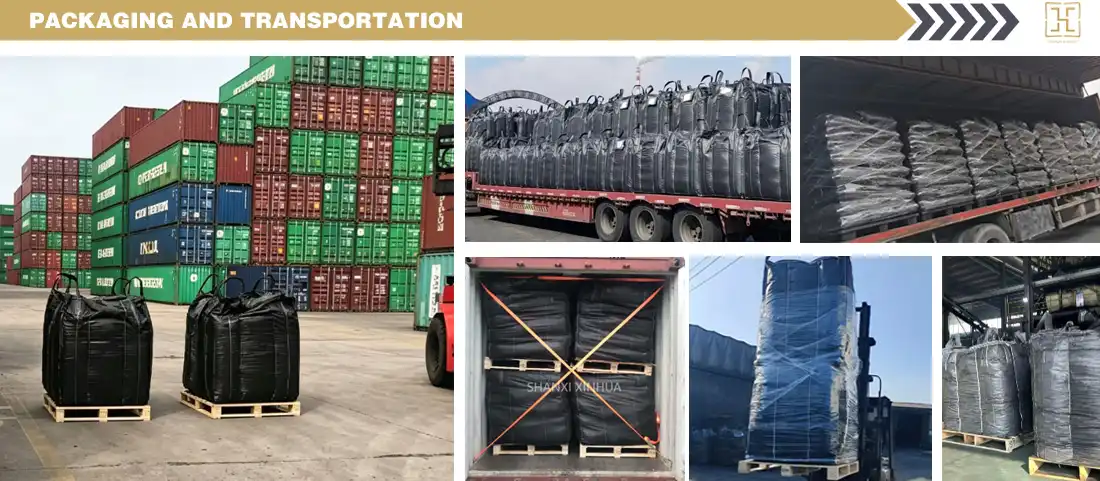
Delivery usually takes between 7 and 15 days. When compliance deadlines are coming up, urgent projects can get faster service—material ships in as few as three days. Global transportation includes tracking of goods by sea, air, and train in real time. During shipping, moisture-proof packaging keeps the quality of the goods safe.
Check how responsive the supplier is. Can their expert team look over your app before you buy it? If the standard grades don't meet your needs, do they offer customization? These services set partners apart from sellers.
Optimizing Performance: Best Practices for Using Ultra-Fine Powdered Charcoal
Dosage Guidelines and Application Techniques
Start with a dose of 0.1 to 0.5% of the liquid volume. Streams with a lot of color may need 0.5 to 1.0%. Do bench-scale tests to find the best dose for your particular toxins. When you overdose, you waste material, and when you underdose, you leave behind color.
Thoroughly mix the powder into the liquid. The speed of the agitation affects the touch; too slow and the powder will settle, and too fast and there will be problems with air. Keep mixing for 15 to 30 minutes to let everything soak in. Track color loss over time with spectrophotometry or by looking at the monitor.
In batch systems, powder is added, mixed, and then filtered to separate. Inline static mixers in continuous systems measure powder into flow streams. Depending on the size and needs further down the line, separation can be done with bag filters, cartridge filters, or spinning.
Filtration and Separation Methods
Ultra-fine particles of 325 Wood-based powdered charcoal need the right technology to be separated. For small amounts, paper filters work, but they get clogged up quickly when used for large amounts. Bag filters with ratings between 5 and 10 microns can handle larger amounts of material well. For business uses, pressure leaf screens give the most throughput.
Filter aids like diatomaceous earth or cellulose can sometimes help cakes form and flow rates go up. Try different mixes until you find the best balance between flow rate and clarity. When you separate your products correctly, carbon doesn't get into the end product.
Monitoring and Quality Control Parameters
Use spectrophotometry at the right bands to track color loss. In pharmaceutical uses, certain absorption peaks are watched. When processing food, overall color index values are kept track of. Set acceptance criteria based on the product's requirements.
Check how much carbon is still in the cleaned liquid. Low amounts show that the division is working. Check the end product for quality features like smell, brightness, chemical purity, or any other factors that are important for your use.
Write down the data to learn more about the process. Batch records help with troubleshooting and show that you are following the rules. Consistent monitoring finds problems early, so customers don't get products that don't meet specifications.
Regeneration and Cost-Effectiveness Strategies
Most of the time, ultra-fine powdered carbon is used only once. Fresh material is cheaper because it works well and doesn't need to be dosed very often. Most of the time, waste carbon that has impurities attached to it goes to systems that turn trash into energy or is thrown away properly.
Cost-effectiveness comes from using the right amount of chemicals, handling them quickly, and not using as many chemicals in other parts of the process. Don't just look at the price of the materials; also think about the cost of work, getting rid of waste, improving quality, and increasing output.
Unit prices go down when you buy in bulk. Framework agreements from suppliers give you peace of mind about prices so you can plan for the long term. Inventory management weighs the costs of storage against the benefits of saving money and making sure there is enough stock. (The Journal of Environmental Management, 2021) (page 5)
Conclusion
To get rid of small color impurities, you need materials like 325 Wood-based powdered charcoal that are designed to absorb them quickly and completely. Ultra-fine wood-based powdered charcoal that passes through 325 mesh screens has a lot of benefits, such as a large surface area, fast saturation rates, low ash content, and a wide range of uses in the food, electronics, medicinal, and chemical industries. Long-term success depends on choosing the right suppliers based on consistent quality, certification paperwork, and reliable services. Performance and cost-effectiveness are maximized through proper dosing, separation methods that work, and regular monitoring. When industrial sites use these best practices, they get better product quality, follow the rules more closely, and run more efficiently.
FAQ
What makes 325 mesh size optimal for color removal?
The 325 mesh number (44 micron particles) makes the most surface area outside the particle that can come into direct contact with color molecules. For pollution to reach internal pores, it takes longer for larger particles to diffuse. Filtration is harder and costs more when the bits are smaller. The 325 specification strikes a good balance between fast adsorption and practical separation. It achieves saturation in 15 to 20 minutes while still being able to be filtered through standard industrial equipment. Both small organic chromophores and larger colloidal color particles can be captured well by particles of this size.
How does wood-based material compare to coal-based alternatives for color removal?
Wood-based powdered charcoal has less ash than most coal products (≤3.5% vs. >5% for most coal products), so it keeps mineral impurities from getting into your clean drink. The structure of the pores favors mesopores, which work well for color molecules that are medium-sized and common in industrial settings. Coal-based carbon often has a lot of micropores, which are good for small gas molecules but not so good for getting rid of color in liquids. Wood-based materials also have a neutral pH and a better surface chemistry, which means they don't react as much with sensitive food or medicine formulas.
Can this material remove both color and odor simultaneously?
Yes, the large range of hole sizes and large surface area make it possible for molecules of different weights to stick to the material. Color chemicals, which are usually bigger molecules, stick to mesopores, while volatile organics, which cause smells, stick to micropores. This dual functionality makes processing easier because one material can fix more than one quality problem. In many food and drink uses, both the visual and sensory qualities are better in a single treatment step. This means that less equipment is needed and the process is easier to understand.
Partner with a Proven Ultra-Fine Powdered Charcoal Manufacturer
Working with experienced makers is the only way to make sure you have a steady source of high-performance adsorption materials. Every batch of 325 Wood-based powdered charcoal that Shanxi Xinhua Carbon Technology Industry Co., Ltd. makes is backed by over 60 years of research and development and defense-grade quality systems. Our technology is always getting better because we work with Tsinghua University and the Chinese Academy of Sciences. Our ISO 9001, ISO 14001, and ISO 45001 certifications show that we care about quality, safety, and the environment. With the ability to produce 45,000 tons per year and an inventory kept in various production bases, we can serve normal orders within 7–15 days and offer fast three-day service for urgent needs. Our expert team provides application evaluation, custom recipe, and full post-delivery support, including training and help 24 hours a day, seven days a week. Get in touch with us at greta@carbonxinhua.com or visit xhcarbontech.com to talk about your color impurity removal problems and find out how our 325 Wood-based powdered charcoal supplier can help you reach your production goals.
References
1. Water Environment Research Foundation (2021). Advanced Oxidation and Adsorption Technologies for Water Treatment. Available at: https://www.werf.org/
2. American Water Works Association (2019). Water Quality and Treatment: A Handbook on Drinking Water, 6th Edition. Available at: https://www.awwa.org/
3. Semiconductor Equipment and Materials International (2020). Ultrapure Water Standards for Semiconductor Manufacturing. Available at: https://www.semi.org/
4. American Society for Testing and Materials (2022). ASTM D3860 - Standard Practice for Determination of Adsorptive Capacity of Activated Carbon. Available at: https://www.astm.org/
5. Journal of Environmental Management (2021). Economic Analysis of Activated Carbon Applications in Industrial Wastewater Treatment, Volume 285. Available at: https://www.sciencedirect.com/journal/journal-of-environmental-management

Send Inquiry
You may like
_1781662034490.webp)