_1778553121707.webp)
High Strength 5mm Cylindrical Carbon for Continuous Adsorption Process
Jun 26, 2026
When industrial processes need to keep running smoothly, picking the right absorbent material is very important. It is well known that high-strength 5mm coal quality cylindrical carbon is a good choice for ongoing adsorption processes in many different fields. This unique carbon material has great mechanical strength and well-designed pores, which let it handle high flow rates and high pressures without losing its effectiveness. Unlike other adsorbents that break down quickly in tough conditions, this 5mm coal quality cylindrical carbon keeps its shape over long periods of time. This means that it doesn't need to be replaced as often, which saves money for places that have treatment systems running 24 hours a day, seven days a week, like petrochemical plants, municipal water treatment plants, and industrial air purification environments.
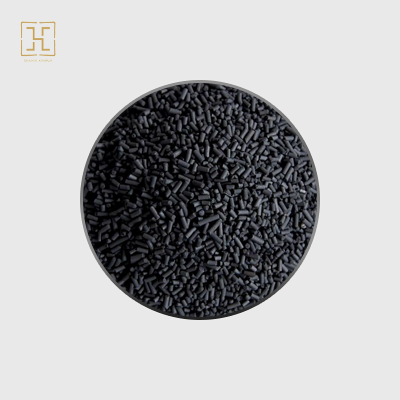
Understanding 5mm Coal Quality Cylindrical Carbon: Properties and Advantages
Physical Structure and Mechanical Performance
This 5mm coal quality cylindrical carbon has a strong granular structure that makes it very resistant to wear. The material is very hard—it has a grade of over 97%—so it can handle being handled and used. The particle width of 5 mm strikes the perfect balance between being big enough to keep the pressure drop across adsorption beds as low as possible and small enough to allow contaminants to quickly enter the holes inside the particles.
This mechanical strength keeps the material from breaking down during backwashing processes in water treatment screens and in fluidized-bed systems where particles are always hitting each other. Lower fines production is good for industrial operations because it means better wastewater streams and less filter cleaning. The round shape makes it easier to pack densely in fixed-bed reactors, which gets rid of the routing issues that come up with irregular-shaped carbons.
Adsorption Capacity and Pore Architecture
This material is different from other activated carbons because it has an ideal pore size range. Since it has an iodine number higher than 350 mg/g, it has a strong attraction to chemical molecules and volatile substances. The slightly higher share of macropores speeds up mass transfer, making it easier for contaminants to reach adsorption sites faster than in materials where micropores are the main type of pores.
This balanced pore structure works really well for cleaning up industrial wastewater with lots of complex organic molecules and for collecting VOCs from exhaust gas streams. It can remove sulfur from gases above 22 mg/g and nitrogen from gases at rates of up to 42%, so it can be used to treat waste gas where sulfur and nitrogen oxides need to be kept under control to meet environmental standards.
Environmental and Operational Advantages
Longer service life lowers the damage that replacing adsorbents often does to the environment. Lower ash content (less than 8%) and lower moisture content (less than 5%) make sure that the material works the same way in all kinds of circumstances. The material is long-lasting and allows steam regeneration routines, so it can be used more than once before it needs to be thrown away.
The optimized flow features lower the power needs of the pump and blower, which makes the energy economy better. Because there is less mechanical stress on the equipment, it can go longer periods of time without needing to be shut down for repair. These benefits are in line with companies' goals for sustainability and save money over the whole span of the business.
Manufacturing Process and Quality Standards
Raw Material Selection and Preparation
Carefully chosen high-quality coal fuel is the first step in production. Before it goes into the carbonization stage, the coal is crushed and sized to make the particles the same size. This first quality control step makes sure that the physical features of the end product are the same from batch to batch.
The selection factors give more weight to coal types that have the right amount of volatile matter and minerals that make ash. These things have a direct effect on the cell structure and mechanical strength of the activated carbon that is made. Thorough checks of arriving materials make sure that only good feedstock gets into the production stream.
Carbonization and Activation Process
During carbonization, the raw coal is burned in controlled atmospheres with little oxygen to get rid of the volatile parts while keeping the carbon skeleton. Temperature patterns and dwell times are carefully controlled to create the desired initial pore structure without affecting the stability of the particles.
In the activation process, oxidizing agents are added at high temperatures to specifically make the holes bigger and increase the surface area inside. For making 5mm coal quality cylindrical carbon, the activation factors are adjusted to encourage the growth of macropores and mesopores while keeping the strong particle structure. This carefully planned process makes the unique pattern of pores that allows for fast absorption in continuous-flow situations.
Quality Assurance and Certification
Shanxi Xinhua Carbon Technology Industry Co., Ltd. uses ISO 9001 for quality management, ISO 14001 for environmental management, and ISO 45001 for health and safety at work. With these certificates, you can be sure that the ways things are made meet international standards for dependability and regularity.
Each run of production goes through a lot of tests to check its iodine number, hardness, ash content, moisture content, and factors that are specific to the application, like its ability to remove sulfur and nitrogen. Testing labs with high-tech analysis tools make sure that goods meet technical requirements before they are sold to customers. This strict quality control method, which has been improved over more than 60 years of making carbon materials, makes sure that every package works as expected in tough industrial settings.
Performance Comparison and Selection Criteria
Evaluating Against Alternative Carbon Types
The 5mm coal quality cylindrical carbon is stronger and more evenly packed in the bed than grainy activated carbon. When granular carbons are handled and used, they tend to make more fines, which can cause the pressure to drop more and contaminate cleaned streams. The cylinder form also makes it easier to predict how fluids will move through adsorption beds.
Powdered activated carbon has higher beginning adsorption rates because it doesn't have to move as far, but it needs to be removed using filter systems and can't be easily made again. Honeycomb designs work great for gas-phase uses that need a very low pressure drop, but they aren't strong enough for liquid-phase systems that need to backwash aggressively.
The 5mm coal quality cylindrical carbon has the best mix of qualities for ongoing adsorption processes that need both mechanical strength and good contaminant removal. Its performance stays the same even when temperature and pressure change, which is common in industrial settings. Other types, on the other hand, lose efficiency when conditions change.
Decision Factors for Industrial Applications
When choosing absorbent materials, procurement teams should look at a number of important factors. The amount of contamination that a certain mass of carbon can hold before breaking through is measured by its adsorption capacity. Service life and repair needs are affected by mechanical strength. Long-term running costs are affected by the power to regenerate.
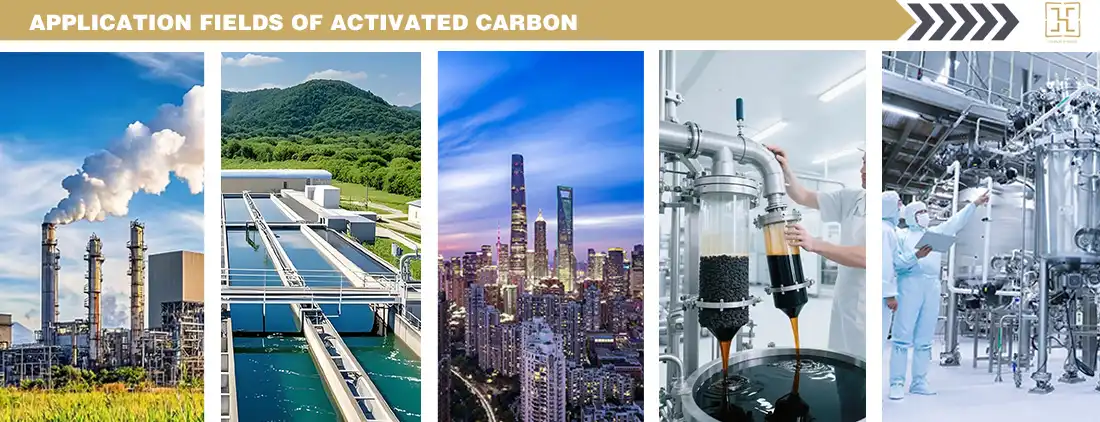
To keep VOCs under control in painting and printing shops, you need a lot of surface area and the right mix of pore sizes. When treating wastewater for chemical plants and electrolysis businesses, it's important to make sure the filters don't get clogged and can handle high COD and BOD loads. For power companies to clean their flue gas, it needs to be stable at high temperatures and work with high-temperature regeneration processes.
Shanxi Xinhua's 5mm coal quality cylindrical carbon meets all of these different needs thanks to its balanced property profile. With the ability to produce up to 45,000 tons per year across various bases, supply stability meets the needs of large-scale industrial buyers without the risk of running out of materials during key project stages.
Real-World Application Results
When a petroleum plant used this carbon in its liquid recovery system, it cut the number of times it had to change the adsorbent by 30% compared to when it used granular carbon. Because they were more durable, the costs of materials and work for changeouts went down immediately.
The 5mm coal quality cylindrical carbon was applied in a city water treatment plant that uses surface water to produce drinking water, achieving consistent removal of organics over 18-month service periods with minimal performance loss, while its resistance to mechanical breakdown during backwashing preserved bed structure and prevented breakthrough events.
An electronics factory had an industrial air cleaning system that met strict VOC emission limits and increased the time between regenerations by 40%. Because the improved pore structure made mass movement faster, the system could handle higher production rates without having to expand its capacity.
Procurement Guide: Sourcing and Ordering 5mm Cylindrical Carbon
Identifying Qualified Suppliers
When looking for industrial adsorbents, it is very important to check the manufacturing skills and quality processes. You should look for companies that have a history of making carbon, ideally decades of experience in the field. Certification to ISO 9001 and ISO 14001 standards shows that a company is dedicated to quality and cares about the environment.
For complicated systems, being able to provide technical help is very important. Suppliers should offer application engineering help to help with choosing the best carbon and designing the best system. It is helpful to have access to testing centers for characterizing materials and confirming their performance during the review process.
Shanxi Xinhua Carbon Technology Industry Co., Ltd. works with Tsinghua University, Central North University, and the Chinese Academy of Sciences on study projects together. The company is a reliable partner for demanding industrial uses thanks to its deep technical knowledge and defense-grade quality control systems that it has received from earlier work on chemical protection materials.
Bulk Purchasing Considerations
Framework supply deals that cover multiple packages over long periods of time are usually negotiated by large users. These contracts make sure that prices stay stable and that goods are always available, which is very important for keeping production going. For standard goods, the minimum order quantity usually starts at a few tons. For customized formulations, bigger promises are needed to support production runs.
People who use a lot of something can save a lot of money with volume price systems. But storage needs must be taken into account when buying something. Activated carbon needs to be stored in a dry environment so that it doesn't absorb water, which can lower its performance. The amount of room and processing that can be used in the warehouse should match the number of orders.
Shanxi Xinhua keeps a large stock of core goods, so they can be quickly delivered to meet standard requirements. This stock coverage makes it possible to complete orders quickly; regular orders usually arrive within 7–15 days. When compliance deadlines or machine breakdowns mean that materials need to be sent right away, expedited green channel service can meet pressing needs in as little as three days.
Logistics and Supply Chain Management
For global shipping to happen, different types of transportation, customs processes, and paperwork need to be coordinated. Reliable providers offer full transportation support, including multimodal transport plans, real-time tracking of shipments, and help with clearing customs. Activated carbon comes in protective packaging that keeps it from getting wet or damaged while it's being shipped.
Strategically placing packages close to major transportation hubs in the United States helps with delivery within the country. Shanxi Xinhua's transportation arrangements allow delivery from coast to coast in 3–7 days, which saves users money on inventory costs and makes sure they can get what they need when they need it. When sending goods across foreign borders, containerized loads are the most cost-effective way to get them there, and they are properly sealed to keep the goods' quality while they're in transit.
Technical information that should be sent with packages includes certificates of analysis that prove the product meets specifications, safety data sheets that explain how to handle the product properly, and suggestions for how it should be used. This information helps with the processes for receiving inspections and makes it possible for quality control systems to track down problems. Get our knowledge of high-strength 5mm coal quality cylindrical carbon materials to help you stay ahead of the competition.
Maximizing Adsorption Efficiency with High Strength 5mm Cylindrical Carbon
Installation and Commissioning Best Practices
Installing something correctly sets the stage for its best performance. Before putting carbon into vessels, make sure the insides are clean and free of building debris or contaminants from earlier runs. Check the collection and delivery systems to make sure that the flow is even across the bed's cross-section. Channeling greatly lowers the adsorption capacity.
Control the loading rate during the initial filling to keep particles from breaking because of too high drop heights. Before adding the carbon, filling the jar with water softens the impact and stops dust from forming. Once the bed is full, backwashing gets rid of the fines that were made during handling and sorts them so that the packing density is just right.
As part of commissioning, flow rates, pressure drops, and factors for effluent cleanliness must be checked. Setting up standard performance data makes it possible to see how things are getting worse over time. Write down all of the working parameters and the original performance data so that you can use them later when you are trying to fix problems or make things work better.
Maintenance and Regeneration Protocols
Regular tracking stops speed problems before they happen. Keep an eye on how the pressure drops across the adsorption beds. Rising resistance means that there may be fouling or particulate buildup. Check samples of wastewater for the presence of specific contaminants, which means that saturation is getting close.
When the conditions are right, regeneration can make carbon last longer. Many organic compounds are successfully removed by steam regeneration, which restores a large part of the original capacity. The strong structure of 5mm coal quality cylindrical carbon can handle many renewal rounds without breaking down too much. For volatile toxins, thermal renewal with inert gas purges works well, but the temperature needs to be carefully controlled to keep particles from getting damaged.
In situations where regeneration is not possible, wasted carbon should be removed and replaced before it contaminates product lines or releases emissions that are higher than what is allowed by law. The environmental duties of used absorbent materials are taken care of by properly disposing of them or reactivating them with the help of specialized service providers.
Emerging Technologies and Future Trends
As the science of carbon materials keeps getting better, it can do more. Changes to the surface chemicals make them more selective for certain contaminants, which makes them more useful in situations where the waste stream is complicated. Using carbons that have been impregnated with catalytic metals lets pollution be absorbed and chemically changed at the same time.
Using embedded sensors in real-time tracking systems gives continuous information on the condition of the adsorption bed, which allows predictive maintenance methods that find the best time to replace it. Digital twins of adsorption systems let workers test changes to the process virtually before putting them into action. This cuts down on the costs of improvement through trial and error.
Shanxi Xinhua is currently working with other researchers to create next-generation carbon products that work better in harsh situations. More gains will be made in capacity, selectivity, and renewal efficiency with new developments in pore structure engineering and surface functionalization. By staying in touch with material sources that put money into research and development, you can get these new technologies as soon as they are offered to the public.
Conclusion
For constant adsorption processes in a wide range of industrial settings, high-strength 5mm coal quality cylindrical carbon has been shown to work well. Its high mechanical strength, well-balanced property profile, and improved pore structure make it perfect for the tough needs of wastewater treatment, air cleaning, and gas processing. The material's ability to keep working well for long periods of time in high-flow and high-pressure situations lowers operating costs and ensures that regulations are followed. The worth of this specialized adsorbent is maximized by choosing the right provider, installing it correctly, and following the care instructions to the letter. As environmental rules get stricter and industrial processes get more intense, investing in high-quality carbon products sets businesses up for long-term success.
FAQ
What is the typical service life of 5mm coal quality cylindrical carbon in continuous operations?
The service life changes a lot depending on how it is used. If you run 5mm coal quality cylindrical carbon continuously, and the amount of organic matter in the water is low, it will last between 18 and 24 months before it needs to be replaced. Carbon can be used for many years with VOC recovery devices that have regular regeneration processes. Heavy industrial wastewater uses with lots of contaminants may need to be replaced every 6 to 12 months. Monitoring the quality of the wastewater and the trends in pressure drop gives site-specific information on when to replace the system.
How does this carbon compare to coconut shell activated carbon for adsorption efficiency?
When comparing pore sizes, the pores in 5mm coal quality cylindrical carbon tend to be bigger than those in coconut shell carbons. Because of this, coal-based materials work better with bigger biological molecules and need to move mass quickly. Carbons from coconut shells are great at catching smaller molecules and for uses where having a very large surface area is the most important thing. The choice is based on the features of the contaminants and the settings of the process.
What certifications should I check when evaluating suppliers?
Priority licenses include ISO 9001 for quality management systems, which makes sure that the way things are made is always the same. Getting ISO 14001 approval for environmental management shows that you are making products in a responsible way. Check that items used with drinking water meet NSF/ANSI Standard 61 or area drinking water safety standards that are similar. Ask for certificates of analysis for each batch and make sure the provider follows written quality control methods during production.
Partner with Shanxi Xinhua Carbon Technology Industry Co., Ltd. for Superior 5mm Coal Quality Cylindrical Carbon Solutions
Businesses that need constant adsorption processes to work reliably need a provider that knows both about the science of materials and how to use them in real life. Shanxi Xinhua Carbon Technology Industry Co., Ltd. has been researching and developing carbon products for more than 60 years and has defense-grade quality control methods that have been improved over many years of tough use. Our 5mm coal quality cylindrical carbon supply network includes several production bases that can produce 45,000 tons of carbon annually. This makes sure that you can always get what you need for large-scale purchases.
We keep a full stock of our most important goods, so we can send normally within 7–15 days and quickly handle emergencies through our green channel in as little as three days. Working with top study institutions like Tsinghua University and the Chinese Academy of Sciences, our expert team offers application engineering help to make the best material choice for your needs. We have a wide range of skills that can help you succeed, whether you need stock goods that can be used right away or formulations that are made to fit your specific process conditions.
You can email our team at greta@carbonxinhua.com to talk about your needs for the continuous adsorption process, get detailed data sheets, or set up sample tests. For large industrial orders, we offer reasonable prices, precise specs, and data on how well the product works. Get our knowledge of high-strength cylinder-shaped carbon materials to help you stay ahead of the competition as you try to meet stricter environmental standards and keep costs down.
References
1. Bansal, R.C., and Goyal, M. (2005). Activated Carbon Adsorption. Taylor & Francis Group, CRC Press.
2. Marsh, H., and Rodríguez-Reinoso, F. (2006). Activated Carbon. Elsevier Science Ltd.
3. Çeçen, F., and Aktaş, Ö. (2011). Activated Carbon for Water and Wastewater Treatment: Integration of Adsorption and Biological Treatment. Wiley-VCH.
4. Crittenden, J.C., et al. (2012). MWH's Water Treatment: Principles and Design (3rd Edition). John Wiley & Sons.
5. Ruthven, D.M. (1984). Principles of Adsorption and Adsorption Processes. John Wiley & Sons.
6. R.T. (2003). Adsorbents: Fundamentals and Applications. John Wiley & Sons, Inc.

Send Inquiry
You may like
_1781662034490.webp)