_1778553121707.webp)
High-performance coal-based cylindrical activated carbon for filtration systems
Jul 17, 2026
Coal-based cylindrical activated carbon for filtration systems is a big step forward in industrial adsorption technology. It is made from high-quality bituminous coal using precise extrusion and thermal activation techniques. Coal-based cylindrical activated carbon has great mechanical strength, adsorption capacity that can be used over and over, and pore structures that can be changed. This makes it the best choice for demanding water treatment, VOC control, and solvent recovery tasks where compliance and operational reliability are essential.
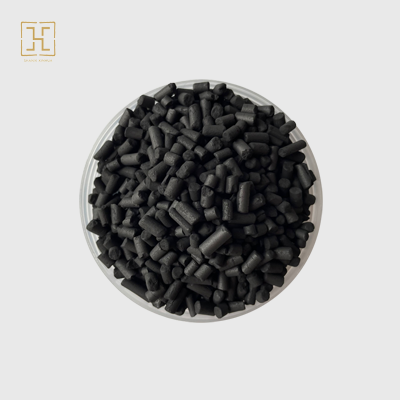
Understanding Coal-Based Cylindrical Activated Carbon
If your facility has to meet strict air or water quality standards, you need to know what makes cylindrical carbon different in order to successfully purchase it.
Manufacturing Process and Material Science
The process starts with high-quality bituminous or anthracite coal that has more than 80% carbon in it. Before putting this raw material through high-pressure extrusion molding, we mix it with special binders. This makes uniform cylinder-shaped pellets. After being shaped, the carbon goes through carbonization at temperatures ranging from 500°C to 800°C. This removes volatile compounds while keeping the structural matrix. After that, steam activation at 700–1100°C carefully builds the internal hole network that gives this material its great ability to absorb things. This carefully controlled thermal treatment makes a hierarchical pore structure with micropores for gas-phase adsorption and mesopores for liquid-phase applications. This makes the material useful in a wide range of industrial processes.
Structural Advantages Over Alternative Materials
Unlike wood-based carbons that are weak and only good for drinking water or coconut shell carbons that are made to be used in drinking water, cylinder coal carbon has a mechanical hardness of over 90%. This directly leads to less damage during handling and longer service life in fixed-bed systems. The amount of ash stays below 8%, which keeps downstream equipment safe and reduces the chance of secondary pollution. The round shape makes sure that the flow is evenly spread in packed beds, which gets rid of the channeling issues that come up with uneven granular media. For tasks that need consistent hydraulic performance and little pressure drop, this designed shape factor is a clear winner.
Key Performance Characteristics
The iodine number is usually between 900 and 1100 mg/g, which means that there are a lot of microporosities that can hold small molecules. When the CTC adsorption value is between 50% and 80%, it shows that it can remove volatile organic compounds. Surface area measurements often go over 1000 m²/g, giving contaminant molecules a lot of places to touch and stick. The material is very good at regrowth, so it can be heated or chemically reactivated to get back up to 90% of its original capacity after it has been used up. This ability to be renewed lowers long-term operating costs and supports sustainability goals that procurement managers are putting more weight on when evaluating vendors.
Benefits and Applications of Coal-Based Cylindrical Activated Carbon in Filtration Systems
For your filtration problems, you need media that consistently works in real-world industrial settings, not just in the lab.
Performance Benefits Across Industrial Scenarios
Coal-based cylindrical activated carbon pellets are strong enough to handle the physical stresses of backwashing cycles in water treatment towers without generating excessive fines. This structural stability helps maintain bed depth and prevents early breakthrough, which means replacements are needed 30–50% less often than with softer alternatives. The controlled pore distribution of Coal-based cylindrical activated carbon enables selective adsorption by targeting specific contaminant molecular sizes. This makes it easier to remove priority pollutants while maintaining efficient flow rates. Its ability to be regenerated extends the operational lifecycle, allowing facilities to schedule reactivation during planned maintenance periods instead of facing unexpected shutdowns. All of these features work together to reduce the overall cost of ownership and improve system reliability.
Core Application Domains
This carbon is used by municipal water treatment plants to get rid of compounds that give water its taste and smell, and chlorine byproducts. This makes sure that the plants follow the rules set by the Safe Drinking Water Act. It is used in solvent recovery units in chemical plants to get benzene, toluene, xylene, and acetone out of process exhaust streams with recovery rates of over 95%. In petrochemical refineries, cylindrical carbon is used to remove hydrogen sulfide and mercury from natural gas streams. These processes happen all the time under high temperatures and pressures. Pharmaceutical companies count on its purity for important steps in the purification process, where small amounts of contaminants could hurt the quality of the product. In factories that make electronics, this media is used to filter the air in the cleanroom and get rid of organic vapors that get in the way of precise assembly processes.
Environmental and Economic Considerations
Getting coal from well-known mining areas gives the supply chain stability that you can't get with farming byproducts that change with the seasons. Because the material can be recycled through thermal regeneration, less of it needs to be thrown away, which lowers the cost of managing hazardous waste. Energy use during reactivation stays much lower than what is needed to make fresh carbon, which supports efforts to lower carbon footprints. The longer time between replacements lowers logistics costs and keeps operations running smoothly. When procurement teams look at lifecycle costs instead of just the initial purchase price, these things make cylindrical coal carbon for long-term installations the clear winner.
Comparing Coal-Based Cylindrical Activated Carbon with Other Types
To make smart choices about materials, you need to know how different types of carbon work in different situations.
Adsorption Performance and Application Suitability
The micropore-rich structure of coconut shell carbon makes it very good at getting rid of tiny contaminants in drinking water with low concentrations. However, the small size of its mesopores makes it less effective for large organic molecules that are abundant in industrial wastewater. Wood-based carbon is good at getting rid of color, but it's not strong enough for high-flow applications, so it makes too much dust that clogs up equipment further down the line. Granular coal carbon is good at absorbing things, but the particles aren't all the same size, which causes flow channels and uneven bed utilization. These problems can be fixed with cylindrical coal carbon's engineered geometry and balanced pore structure. It works well in both gas-phase and liquid-phase applications and doesn't need to be handled in a special way as fragile alternatives do.
Mechanical Strength and Lifecycle Performance
Testing for hardness shows that cylindrical coal carbon keeps its shape for 10-15 regeneration cycles before it needs to be replaced. Different types of coconut shells can usually handle three to five cycles before they break down too much and need to be thrown away. Because they break down so quickly, wood-based carbons rarely make sense for regeneration. Coal-based cylinders have better abrasion resistance, which means they produce fewer fines during pneumatic transfer. This keeps blowers safe and keeps filters from getting clogged. This difference in durability has a direct effect on operational reliability and maintenance costs when your facility runs all the time with little planned downtime.
Cost and Availability Analysis
The ability to make Coal-based cylindrical activated carbon from coal is spread out across many regions, which helps keep prices stable and ensures a steady supply even when demand increases. The price of carbon from coconut shells changes based on crop yields and the demand for raw materials in the food industry. Similar supply challenges affect wood-based alternatives because of forest management practices and competing uses for wood resources. When evaluating the cost per unit volume treated over the entire service life, the higher initial cost per pound of Coal-based cylindrical activated carbon can be justified by its long-term economic benefits. This total cost perspective demonstrates the competitiveness of coal-based carbon in demanding industrial applications, helping procurement managers balance budget constraints with high-performance requirements.
How to Choose the Best Coal-Based Cylindrical Activated Carbon for Your Filtration Needs
The first step to successful procurement is to make sure that the product specifications match your actual business needs.
Defining Your Filtration Requirements
Find out what contaminants you want to get rid of and what concentration ranges they are in. To get rid of VOCs, you need high CTC values, and to catch heavy metals, you need to change the surface chemistry in certain ways. The best particle size is based on the flow rate; faster flows need bigger pellets to keep the pressure drop as low as possible, while slower flows do better with smaller pellets that offer more surface area per bed volume. The operating temperature and humidity affect how stable a material needs to be. In places that are corrosive, grades that have been acid-washed and have less ash may be needed. The economic trade-off between standard and premium specifications is affected by how long the product is expected to last before it needs to be replaced. Writing down these factors makes a baseline specification that can be used to evaluate suppliers.
Evaluating Supplier Capabilities
Quality certifications are objective proof of consistent production. ISO 14001 certification shows that a company cares about the environment, while ISO 9001 certification shows that they have established quality management systems. ISO 45001 shows that you care about worker safety during all stages of production. Ask for test results that are specific to the batch for iodine number, CTC value, hardness, ash content, and moisture level. How quickly a supplier responds to requests for custom formulations shows how technical they are and how flexible they are. During times of high demand, the reliability of delivery depends on how much you can produce and how much you stock. The availability of technical help for application engineering makes sure that the implementation goes well.
Logistic and Supply Chain Considerations
The lead times you expect must match the plans for your projects. Standard products usually ship between 7 and 15 days, while custom formulations take between 15 and 30 days. Minimum order numbers change the cost of keeping inventory and the amount of space needed for storage. The packaging you choose should protect the integrity of the materials while they're being shipped and make them safe to handle when they get to your site. International shipments need help clearing customs and making sure all the paperwork is correct. Technical support after the sale, warranties, and return policies all protect your investment against problems that might arise with its performance. Setting these parameters up front avoids costly delays and confusion during the procurement process.
Optimizing Filtration Performance with Coal-Based Cylindrical Activated Carbon
The full performance potential of your carbon investment can be reached with proper installation and care.
Installation and Flow Management Best Practices
The depth of the bed has a direct effect on the residence time and breakthrough traits of Coal-based cylindrical activated carbon. Shallow beds can cause early exhaustion, while excessive depth may lead to unnecessary pressure drops. When it comes to cylindrical vessels, the optimal bed depth-to-diameter ratio is usually between 1:3 and 1:5. By pre-wetting the carbon before use, air pockets that cause channeling can be eliminated. Gradual flow startup allows the bed to settle properly and prevents hydraulic expansion that may affect packing density. Flow direction is also important. Upflow systems keep the bed less compact, but they require careful velocity control to prevent fluidization. Downflow configurations provide longer contact time, but they may cause channeling if the packing is uneven during initial loading.
Regeneration Techniques and Maintenance Programs
Thermal regeneration with steam or inert gas atmospheres restores the ability to absorb by releasing contaminants into the air. Controlling the temperature is still very important. Too much heat can damage the structure of the pores, and not enough can leave contaminants behind. For inorganic foulants, chemical regeneration with acid or caustic solutions works, but it needs to be done carefully by neutralizing and rinsing. Monitoring breakthrough curves using regular effluent sample signals that get close to being exhausted before performance loss affects compliance. Lifecycle economics works best when regeneration schedules are based on real capacity utilization rather than fixed time intervals. Keeping detailed service records helps you see how performance is changing over time and find chances to change working parameters.
Real-World Performance Improvements
A chemical company in the Midwest switched its toluene recovery system from irregular granular carbon to cylindrical coal carbon. This improved solvent capture by 12% while lowering the number of regeneration cycles from monthly to quarterly. In the Southwest, a municipal water treatment plant switched from coconut shell carbon to cylindrical coal carbon to control the taste and smell of the water. This increased the service life from 18 months to 32 months while keeping the same level of chloramine removal performance. An East Coast pharmaceutical company switched to cylindrical carbon to remove organic vapor from its production air handling system. This got rid of the fines generation issues that meant the pre-filter had to be replaced every month. These documented results show that the operational and economic benefits go beyond what was expected from the theory.
Conclusion
When choosing high-performance cylinder carbon, you have to weigh technical requirements against practical issues and cost considerations. The material's high mechanical strength, ability to be recycled, and flexible hole structure make it useful in tough industrial settings where compliance and dependability must be maintained. For procurement to go well, filtration needs must be clearly defined, suppliers must be carefully evaluated, and the right installation and maintenance methods must be used. When these things come together, coal-based cylindrical activated carbon offers a filtering solution that meets immediate performance needs and helps with long-term cost management and operational sustainability goals.
FAQ
What factors influence the adsorption capacity of cylindrical activated carbon?
The ability to absorb depends on how well the pores match the size of the contaminants, how much surface area is available for contact, and the temperature and humidity of the environment in which the system is used. Higher iodine numbers usually mean more microporosity for capturing small molecules, while CTC values show how well the material works against volatile organics. In real-world operating settings, working capacity is also affected by the concentration, flow rate, and residence time of contaminants.
How does regeneration affect the lifespan of coal-based activated carbon?
When done right, thermal regeneration restores 85–95% of the original capacity, which means that the structure can be used 10-15 times before it breaks down and needs to be replaced. Each cycle changes the pore structure slightly and adds ash, which makes it less effective over time. By keeping an eye on performance measures during regeneration cycles, the best time to retire before breakthrough can be found.
Which certifications should I verify when evaluating suppliers?
Certifications like ISO 9001, ISO 14001, and ISO 45001 show that a company manages quality, the environment, and safety in a planned way. Product-specific certifications, such as AWWA B604 standards or NSF/ANSI 61 for drinking water uses, make sure that materials are safe and work well. Ask for batch certificates of analysis that confirm the specifications for the most important parameters that are important to your application.
Partner with Shanxi Xinhua Carbon Technology Industry Co., Ltd. for Your Filtration Solutions
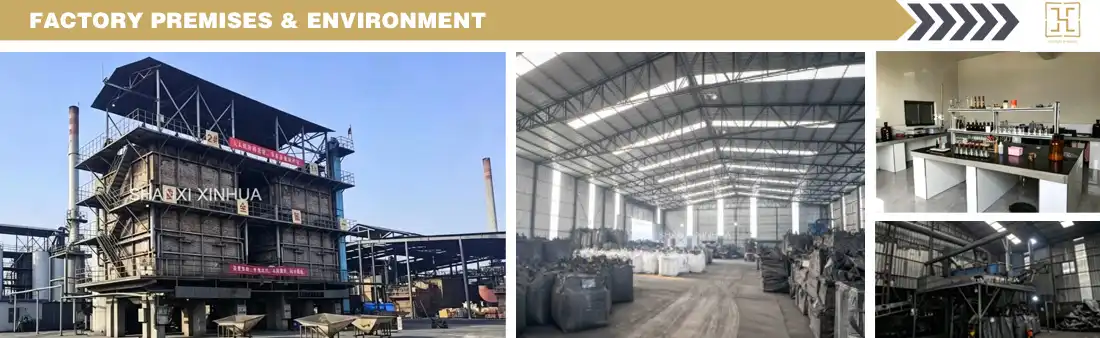
Every shipment of coal-based cylindrical activated carbon comes from Shanxi Xinhua Carbon Technology Industry Co., Ltd., which has more than 60 years of experience with the materials and meets defense-grade quality standards. Our 45,000-ton-a-year production capacity in Shanxi, Ningxia, Fujian, and Xinjiang makes sure that your important filter systems always have what they need. Through our research partnerships with Tsinghua University and the Chinese Academy of Sciences, we keep a large stock of standard specifications and can also make any changes that are needed. Our expert team can help with application engineering from the initial specification stage all the way through ongoing performance optimization, whether you need emergency delivery within three days or custom formulations that meet FDA and REACH standards. Get in touch with us at greta@carbonxinhua.com to talk about your needs with a manufacturer of coal-based cylindrical activated carbon who is dedicated to your business's success.
References
1. Chen, W., & Liu, H. (2021). Advanced Activated Carbon Technologies for Industrial Gas Treatment. Beijing: Chemical Industry Press.
2. Johnson, R. M. (2020). Industrial Water Treatment: Principles and Practice Using Activated Carbon Media. London: Environmental Engineering Publications.
3. National Environmental Protection Agency. (2019). Technical Guidelines for VOC Control Using Carbon-Based Adsorption Systems. Washington, DC: Government Printing Office.
4. Smith, J. K., & Anderson, P. T. (2022). Comparative Performance Analysis of Coal-Based versus Biomass-Derived Activated Carbons in Industrial Applications. Journal of Environmental Engineering, 148(3), 215-228.
5. Wang, L., Zhang, Y., & Li, Q. (2020). Coal-Based Activated Carbon: Manufacturing, Characterization, and Applications. Singapore: Springer Nature.
6. Zhou, M. (2021). Optimization Strategies for Fixed-Bed Adsorption Systems in Chemical Process Industries. Industrial & Engineering Chemistry Research, 60(12), 4567-4582.

Send Inquiry
You may like
_1781662034490.webp)