_1778553121707.webp)
High Adsorption 100-Hole Coal-Based Honeycomb Carbon Block Supplier
Jul 10, 2026
For industry buyers to find 100-hole coal-based honeycomb carbon, they need a partner who knows about both material science and operational problems. When put through tough conditions, our honeycomb carbon blocks keep their structural integrity while adsorbing more. With their exact pore engineering and raw materials drawn from coal, these blocks are trusted in the petrochemical, water treatment, and environmental protection sectors for their ability to catch VOCs, get rid of smells, and filter gases. By matching the right adsorption material with reliable supply capabilities, procurement managers have been able to turn compliance headaches into smooth operations.
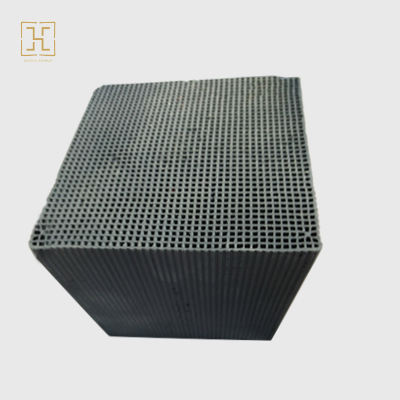
Understanding 100-Hole Coal-Based Honeycomb Carbon Block
Chemical Composition and Structural Engineering
Advanced material engineering is used to make a 100-hole coal-based honeycomb carbon. In this method, raw anthracite goes through controlled carbonisation and activation processes. The final structure has an iodine value of 450 to 850 mg/g, which means it has a lot of micropores and is perfect for collecting volatile organic molecules. Our production process makes a BET specific surface area between 500 and 900 m²/g. This gives pollution molecules a lot of places to stick to the material physically. The 100-hole design strikes a good mix between the open channel shape and wall thickness. This results in a carbon tetrachloride adsorption rate of 35–65% while keeping the compressive strength above 0.8 MPa. This mechanical strength keeps the tower from cracking during installation and keeps it working well even when the pressure changes.
Performance Indicators Driving Filtration Efficiency
100-hole coal-based honeycomb carbon shapes are very good at what they do because the pores are the right size for treating industrial gases. Small molecules like benzene and toluene are caught by micropores smaller than 2 nanometres, and mesopores help molecules move quickly through the carbon matrix. Formulations that are resistant to water let things work in places with 90% or more humidity without pores getting clogged or structures getting soft. This solves a common problem in wet industrial settings. The ash level stays below 20%, which lowers the chance of secondary pollution and increases the time between replacements. The people who work in procurement like how these standards directly lead to lower running costs and more predictable repair schedules.
Comparative Analysis with Alternative Honeycomb Materials
Which one to use—coal-based or clay honeycomb carbons—depends on the needs of the product. Ceramic choices are stable at temperatures above 400°C, but they cost more up front and can't hold as much per unit volume. 100-hole coal-based honeycomb carbon blocks work great for normal VOC treatment situations where temperatures stay below 200°C. They are cost-effective without lowering the effectiveness of removal. The pressure drop across a 100-hole coal honeycomb is usually less than 450 Pa, which means that less fan energy is needed than for thicker clay structures. This energy-efficient design works best for small to medium-sized spray painting businesses, printing facilities, and industrial HVAC systems that deal with large amounts of air that have low to moderate levels of contaminants.
Advantages of 100-Hole Coal-Based Honeycomb Carbon for Industrial Use
Enhanced Adsorption and Chemical Stability
Materials used in industrial settings need to be able to handle changes in temperature, toxic gases, and water without losing their performance. Our 100-hole coal-based honeycomb carbon keeps its adsorption efficiency above 90% in a wide range of working conditions, from systems that recover vapours from petrochemicals to systems that control the smell of garbage in cities. The carbon matrix doesn't oxidise, and the pore structure stays intact even when it comes into contact with acidic or basic materials. This makes the catalyst last longer in chemical processing uses. Environmental engineering companies say that the rates of removal stay the same over multi-year rollout cycles. This gets rid of the uncertainty that messes up project timelines and compliance reporting.
Cost Optimization Through Extended Service Life
Long-term budgets are based on how often things need to be replaced and how much time they take to work. Because 100-hole coal-based honeycomb carbon blocks are strong, they don't break easily when they're being moved or put together, which saves time and money on labour. In many situations, regeneration lets the material be heated again, which brings back its adsorption ability to 70–85% of its original level. This means that most VOC cleaning systems only need to be serviced every 18 to 24 months, while only every 6 to 12 months for less-than-stellar goods. Standardised 100x100x100mm measurements make replacement easy for maintenance teams because they fit older tower designs without having to pay extra for retrofitting. When you buy in bulk, you can get savings on the amount you buy. This means that even local water treatment facilities that are tight on money can use high-performance adsorption.
Customization Matching Operational Requirements
Filtration problems are different for each production process. For specific uses, we work with R&D experts to change the surface chemistry, the shape of the pores, and the catalytic components that are soaked in them. Personalised formulas with more chemisorption sites are sent to petrochemical plants that need to get rid of sulphur compounds. Electronics companies that work with trace silicon materials can get forms that have been changed to work best in chip factories. Powder, granular, columnar, and honeycomb shapes are all available, so system designers can choose the best style for their equipment layout. OEM partnerships include unique branding, help with technical documents, and performance validation for particular applications. This speeds up the product development process for companies that make air purifiers.
Selecting the Right Supplier for 100-Hole Coal-Based Honeycomb Carbon Blocks
Quality Certifications and Manufacturing Standards
Before judging a supplier, it's important to check that they have quality control methods in place that make sure consistency from batch to batch. Look for ISO 9001 certification that shows written process controls from checking the raw materials to testing the finished product. If a company has ISO 14001 environmental management credentials, it means that it uses responsible manufacturing methods that are in line with its sustainability goals. The ISO 45001 occupational health certification shows that the workplace meets safety standards that support policies for ethical sources. In addition to certifications, you should also ask about the lab's testing skills. More experienced providers have their own testing tools for iodine value, BET surface area, compressive strength, and contaminant analysis. We've spent money on standardised testing methods that make it easy for customers to compare performance data across different production batches and buying cycles for 100-hole coal-based honeycomb carbon.
Production Capacity and Inventory Management
Problems in the supply chain can stop environmental compliance projects in their tracks and lead to fines from the government. Check out providers based on their production footprint and inventory depth. Having more than one manufacturing base lowers regional risk and makes sure that supplies are always on hand. Our factories in Shanxi, Ningxia, Fujian, and Xinjiang make a total of 45,000 tonnes of 100-hole coal-based honeycomb carbon goods every year and keep them all in stock. Standard orders are sent out within 7 to 15 days, but special recipes need 15 to 30 days to be developed and made. In emergency scenarios, our 24-hour response strategy and fast three-day delivery channel come in handy. Strategic transportation partnerships allow for delivery anywhere in the United States within three to seven days. These partnerships also cover global multimodal transport solutions for sea, air, and train freight, with real-time tracking and help with customs clearing.
Technical Collaboration and Support Infrastructure
The relationship with the provider goes beyond just buying things; it also includes a professional partnership. Look for companies that work with universities and study centers to make their 100-hole coal-based honeycomb carbon better all the time. For example, we work closely with Tsinghua University, Taiyuan University of Technology, and the Chinese Academy of Sciences Institute of Coal Chemistry. This academic link helps create new catalysts and find the best ways to improve adsorption, which is good for industry users. Support before you buy should include trying samples, helping with applications, and making sure the system works with the product. Post-sale services that include startup help, performance fixing, and regeneration methods get the most out of your money. Customers who are working on complicated VOC abatement systems appreciate that we are willing to do on-site assessments and suggest the best carbon specs based on pollution profiles and government rules.
Technical Support and Best Practices for Usage
Installation Guidelines and Operational Safety
Whether 100-hole coal-based honeycomb carbon meets expectations or falls short depends on how well it is installed. First, make sure that the tower's dimensions allow for normal 100mm blocks and that there isn't too much empty room that lets gas flow through. To keep the column from falling, stack the blocks in different directions so that the weight is spread out evenly. Protect the edges of areas with retention screens that stop movement caused by vibrations while keeping airflow even. Even though moisture-proof formulations can handle high humidity, they still benefit from air cooling at the intake that gets rid of dew and particles before they reach the carbon bed. As part of the installation safety rules, dust control measures, protective gear for working with dry carbon, and confined space methods for working inside treatment tanks are all part of the installation safety rules.
Maintenance Protocols and Regeneration Techniques
Routine tracking keeps things running smoothly and extends the life of services. Track the drop in pressure across the carbon bed as an early sign of saturation or particulate loading—gradual increases mean that renewal times are getting close, while sudden spikes mean that there are blockages that need to be looked at. In gas-phase uses, thermal regeneration at temperatures between 120°C and 180°C usually works. This heats up the carbon structure and releases the trapped VOCs without harming it. For toxins that can handle water, steam regeneration is an option. It uses controlled moisture to move adsorbed chemicals around. Keep track of the number of regeneration cycles and performance recovery rates to get the best replacement time. Most industrial users get three to five regeneration cycles before the 100-hole coal-based honeycomb carbon needs to be replaced completely, which cuts annual material costs by a huge amount compared to single-use situations.
Case Study Applications Across Industries
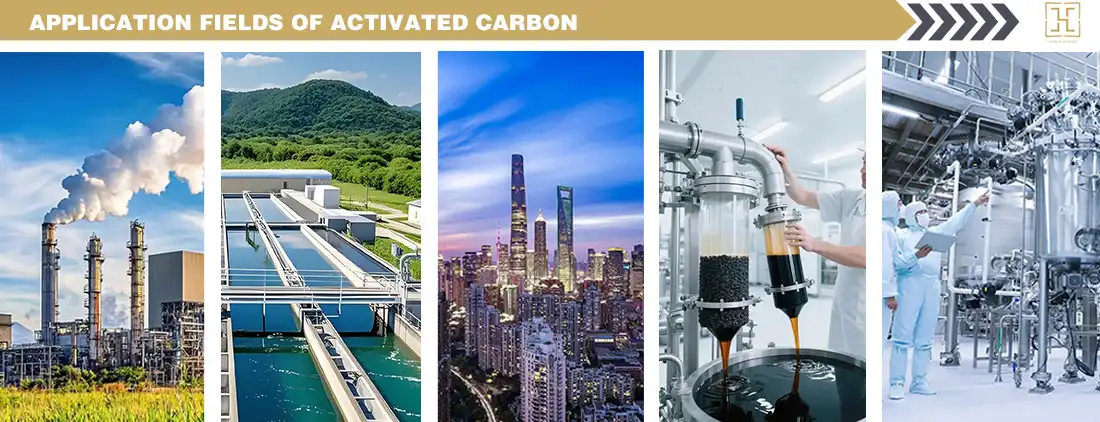
After putting our 100-hole coal-based honeycomb carbon in their spray booth exhaust system, a coating plant in the Midwest cut VOC emissions by 94%. This allowed them to meet state air quality standards that had previously limited their operations. A city water plant in the Southwest combined granular and honeycomb formulas to get rid of bad tastes and smells. This made customers happier and met Safe Drinking Water Act standards. An Asian petrochemical plant used custom-made high-temperature honeycomb carbon to treat the sulphur recovery unit tail gas. This cut the release of smelly compounds by 89% and stopped people from complaining. These implementations all had a lot in common: they all did a full study of the application, chose the right product, and got ongoing technical support that helped them make changes to how they work as the process changed.
Procurement Insights and Decision-Making Tips
Comparing 100-Hole Versus 200-Hole Configurations
The number of holes has an effect on both how well something absorbs things and how it behaves mechanically. The 100-hole design has bigger cell walls that make it stronger and last longer, so it's better for tall towers that have a lot of weight to stack. The pressure drop stays mild, which lets high-flow-rate apps work without using too much fan power. The 200-hole version has more surface area per unit volume, which makes it better at absorbing things. However, it is less strong mechanically and can't handle as much pressure. The 100-hole design is the best value for buyers who want to save money and deal with normal industrial exhaust with known contaminant loads. Even though they cost more to make and repair, 200-hole models may be worth the extra money for operations that need to treat high-concentration streams or get the most out of removal while keeping the footprint as small as possible.
Aligning Specifications with Process Requirements
Match the carbon requirements to the molecular weight and percentage ranges of the contaminants. Light hydrocarbons below C6 need a lot of micropores, while heavy chemicals do better with structures that have a lot of mesopores. Streams with sporadic concentration jumps need higher safety factors in bed depth than steady-state processes, which are based on data from continuous emission tracking. Standard or heat-resistant formulas are used depending on the temperature profile. Gases that corrode need 100-hole coal-based honeycomb carbon that has been washed in acid or chemically changed so that they don't break down. Work with your engineering team and the expert staff at the provider to create a model of the predicted breakthrough curves and regeneration intervals. This will help you make sure that the product you choose meets performance goals for the entire planned service life, without adding features that aren't needed and drive up costs.
Managing Procurement Terms and Logistics Efficiency
Minimum order amounts rely on the product and can be anywhere from 1 to 5 tonnes. Volume savings start at 10 tonnes and go up from there. Negotiate framework deals that set prices, wait times, and quality accepted standards for recurring purchases of 100-hole coal-based honeycomb carbon. This will lower transaction costs and keep budgets stable. Before signing a big deal, ask for samples and pilot amounts. This way, you can test the performance in real-world settings. Clarify the Incoterms that say who pays for the freight, insurance, and import taxes. DDP (Delivered Duty Paid) makes planning easier for foreign buyers, but it costs more than EXW (Ex Works) or FOB (Free on Board). Reliable providers offer secure packing that is specifically made for the shipping method, such as containerised ocean freight, palletised air cargo, or bulk train transport. This keeps damage from happening, which would otherwise cost a lot to fix and cause delays in projects.
Conclusion
Selecting a dependable honeycomb activated carbon supplier requires evaluating technical specifications, manufacturing capabilities, and logistical support systems that collectively determine project success. The 100-hole coal-based honeycomb carbon setup solves common industry problems by having high adsorption capacity at low cost, long mechanical service life, and compatibility with legacy equipment designs. Buyers trust providers more when they show quality certifications, keep a large inventory, and offer expert support during both the buying and operational stages. Strategic sourcing choices combine the need for performance with budget limitations, taking advantage of bulk purchasing savings while ensuring timely deliveries to meet project deadlines. Activated carbon procurement can be transformed from a simple transaction into a value-adding partnership by working with experienced vendors.
FAQ
Which businesses can most benefit from 100-hole coal-based honeycomb carbon blocks?
The main users of environmental protection companies who work on VOC treatment projects are spray painting businesses, printing facilities, and chemical processing plants. These blocks are used by municipal water treatment systems to get rid of chlorine, bad tastes, and smells in drinking water. They are used in vapour recovery units and tail gas cleaning systems at petrochemical plants. Manufacturers of industrial air purification equipment put 100-hole coal-based honeycomb carbon into HVAC filter packages for metal and electronics companies that have to meet emission standards and work reliably.
What lifespan can I expect under typical operating conditions?
Service life depends on how many contaminants are present, the temperature, the humidity, and how often the filter is cleaned. Standard commercial VOC cleaning systems can last between 18 and 24 months before they need to be replaced. Applications that support heat or steam restoration make things last longer by reactivating them three to five times, for a total of 36 to 60 months. In places with high temperatures or a lot of chemicals, the time between visits may be cut down to 12 to 18 months. Monitoring the pressure drop continuously and taking samples on a regular basis gives early warnings that help determine the best time to change the part before it breaks.
Can you accommodate custom manufacturing for specialized filtration systems?
Our research and development (R&D) skills allow us to offer a wide range of customisation options for 100-hole coal-based honeycomb carbon pore structure, surface chemistry, filled catalytic components, and physical forms. We work with system developers who need precise tolerances for dimensions, levels of moisture resistance, or formulations that are designed to target particular contaminants. Private labelling, custom packing, and co-development of new adsorption materials are some of the things that OEM relationships can do. Technical teams work directly with your engineers to make sure that the equipment works as it should by trying it in a pilot program and providing all the paperwork that is needed for governmental approvals and equipment certification.
Partner with Shanxi Xinhua Carbon Technology Industry Co., Ltd. for Superior 100-Hole Coal-Based Honeycomb Carbon
Shanxi Xinhua Carbon Technology Industry Co., Ltd. adds more than 60 years of experience with activated carbon and defense-grade quality systems to problems in industrial adsorption. Our 100-hole coal-based honeycomb carbon supplier credentials include ISO 9001, ISO 14001, and ISO 45001 certifications, and we work with top research institutions all the time. With production sites providing 45,000 tonnes a year and inventory management making sure that products are always available, we get rid of supply uncertainties that can delay projects. Technical support includes helping with the initial specifications, installation, and making sure the system works at its best for a long time. For your next environmental compliance project, you can email our procurement experts at greta@carbonxinhua.com to talk about custom solutions, get full technical datasheets, or get cheap quotes. Our team gives you the material performance and supply stability that your operations need, whether you need standard formulations or changes that are made to fit your unique needs.
References
1. Chen, W., Zhang, J., & Liu, H. (2021). Advanced Coal-Based Activated Carbon: Manufacturing Processes and Industrial Applications. Chemical Industry Press.
2. International Organization for Standardization. (2020). ISO 12902:2020 - Activated Carbon - Test Methods for Determination of Iodine Number. ISO Standards Catalogue.
3. Li, Y., Wang, S., & Zhao, M. (2022). "Comparative Analysis of Honeycomb Activated Carbon Configurations for VOC Removal Efficiency." Journal of Environmental Chemical Engineering, 10(3), 107624.
4. National Institute for Occupational Safety and Health. (2019). NIOSH Manual of Analytical Methods: Volatile Organic Compounds in Air Using Activated Carbon Adsorption. DHHS Publication.
5. Ruthven, D.M. (2018). Principles of Adsorption and Adsorption Processes. Wiley-Interscience.
6. U.S. Environmental Protection Agency. (2023). Air Pollution Control Technology Fact Sheet: Activated Carbon Adsorption Systems. EPA-452/F-03-032.

Send Inquiry
You may like
_1781662034490.webp)