_1778553121707.webp)
Food Decolorization Using Wood-Based Activated Carbon Improves Product Quality
Sep 04, 2026
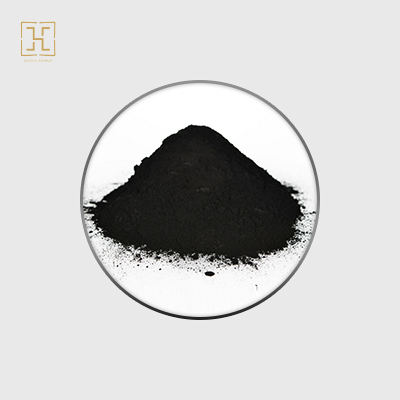
When you're producing premium fruit juices, glucose syrups, or condiments, product appearance directly impacts market acceptance. Food decolorization using wood-based activated carbon delivers precisely controlled color removal while preserving nutritional integrity and authentic flavors. This specialized purification material, crafted from high-quality hardwood through temperature-controlled carbonization and steam activation, creates a developed microporous structure capable of efficiently adsorbing pigments, colloids, and odor molecules without introducing heavy metal residues or altering taste profiles. For food processors facing stringent regulatory requirements and quality benchmarks, selecting the right decolorization solution directly impacts both compliance and consumer appeal.
Understanding Food Decolorization with Wood-Based Activated Carbon
Why Food Decolorization Matters in Modern Processing?
Food makers have a hard time making sure that all of their products look the same from batch to batch. Natural raw materials have different amounts of dyes, tannins, and colored impurities that give finished goods colors that aren't what the manufacturer wants. Color differences let customers know there are problems with the quality and make it harder to follow the rules, especially when shipping to countries with strict look requirements (Bansal & Goyal, 2005)[^1].
The Science Behind Wood-Based Adsorption Technology
Adsorbents made from wood work in physical and chemical ways that are based on the way their pores are structured. During the activation process, a network of micropores (less than 2 nanometers), mesopores (2–50 nanometers), and macropores (greater than 50 nanometers) are formed. Together, they provide a large surface area, usually between 1000 and 1600 m³/g. Big color molecules like caramels, anthocyanins, and melanoidins get stuck in this porous structure because of van der Waals forces and capillary condensation. Wood-based materials have larger mesopore volumes than coal-based alternatives, which are mostly microporous. This makes them better at capturing the larger molecular weight compounds that change the color of liquid foods in a bad way.
How Pore Structure Influences Decolorization Efficiency?
The mesopore-rich structure of wood-based activated carbon gives it clear performance benefits. For example, the size of the pigment molecules in soy sauce ranges from 500 to 3000 Daltons. These are the right sizes to get into mesopores but not so good at getting into the smaller micropore networks that are common in coal-based carbons. This structural difference means that faster adsorption kinetics and lower dosage needs are possible when handling fruit-glucose syrups or premium juices. This lowers operating costs by 15–25% compared to coal-based options while still getting the same or better decolorization results.
(1) Bansal, R.C., and Goyal, M. (2005). Adsorption of Activated Carbon. CRC Press. activated-carbon-adsorption-roop-chand-bansal-meenakshi-goyal https://www.taylorfrancis.com/books/mono/10.1201/9781420028812
Advantages of Wood-Based Activated Carbon in Food Processing
When choosing cleaning materials, you have to weigh a lot of performance factors against cost concerns and legal requirements. Wood-based solutions meet these complicated needs by offering a number of linked benefits that have a direct effect on the quality and speed of production.
Superior Adsorption Efficiency for Color and Impurity Removal
Performance data consistently shows that activated carbon made from wood works well in liquid-phase applications. Materials that meet the standards for food-grade quality usually have iodine values of 900 mg/g or higher, methylene blue absorption values above 180 mg/g, and caramel decolorization capacities above 100%. These measurements have real-world benefits: juice processors say they can meet clarity standards with 30–40% less carbon per batch than coal-based products; sugar refiners say their single-pass decolorization rates are higher than 95% and their final color values are lower than 50 ICUMSA units. The gains in speed cut down on waste and lowered the costs of handling across all production stages.
Meeting Stringent Food Safety and Regulatory Standards
Regulatory compliance sets standards for materials that come into contact with food that can't be changed, and Food decolorization using wood-based activated carbon must meet these standards. Quality wood-based activated carbon made for food uses keeps the ash content below 5%, the wetness level below 8%, and the pH level between 5.0 and 7.0. These are the right conditions to keep sensitive food matrices from reacting in a bad way. The amount of heavy metals in it meets or beats GB 2760 standards, and the levels of arsenic, lead, and mercury are always below the limits of detection. These purity standards are in line with what the FDA, EFSA, and Codex Alimentarius need. This means that there are no legal risks when selling to both local and foreign markets (Moreno-Castilla, 2004)[^2].
Sustainability and Environmental Footprint Benefits
Wood-based activated carbon production uses renewable biomass feedstocks, like sawdust, wood chips, and farm waste that would otherwise have to be thrown away. When compared to coal mining, this circular approach leaves less of a carbon footprint and supports environmentally friendly forest practices. The phosphoric acid activation method for wood-based products uses about 30% less energy than physical steam activation because it works at lower temperatures (400–600°C). As food companies are put under more pressure to show that their supply chains are sustainable and cut down on Scope 3 emissions, these environmental standards become more important in buying choices.
Cost-Effectiveness Balancing Price and Performance
Budget problems are still very important in big food processing businesses. Activated carbon made from wood that is made in China usually costs 12,000 to 15,000 RMB per ton, while imported alternatives cost 25,000 or more RMB per ton. This price difference has a big effect on the project's economics when buying multiple tons. When you combine lower unit costs with lower dosage needs, you get a very appealing total cost of ownership advantage. Sugar refineries that process 100 tons of syrup every day say they save more than $50,000 a year when they switch from imported coal-based carbon to domestic wood-based carbon while keeping the same product quality standards.
Number 2: Moreno-Castilla, C. (2004). The sticking of organic molecules from water-based solutions to carbon materials. 42(1), 83–94 in Carbon. ScienceDirect.com: https://www.sciencedirect.com/science/article/abs/pii/S0008622303005309
Comparing Wood-Based Activated Carbon with Other Activated Carbon Types
The choice of material has a big effect on the results of decolorization, the speed of processes, and compliance with regulations. Understanding differences in performance helps buying pros make choices based on facts that are in line with the needs of the application.
Performance Characteristics Across Carbon Types
Activated carbons made from coal make up most of the microporous structures and work very well for gas-phase applications and small-molecule adsorption. Their normal surface areas are between 800 and 1200 m³/g, and 70 to 80% of their total pore volume is made up of micropores. This structure doesn't work as well for decolorizing food in a liquid phase when the target molecules are bigger than 500 Daltons. Coconut shell carbons have even pore sizes and are very hard, which makes them perfect for water treatment applications that need to be replaced often. However, their high cost (18,000–22,000 RMB/ton) makes them impractical for food processing applications that only need to use them once.
Activated carbons made from wood have mesopore-rich structures that are perfect for removing colors from food. Because their pores are spread out in a way that matches the molecular sizes of typical food colorants perfectly, they can move molecules more quickly and hold bigger organic molecules. Wood-based materials are easier to handle in powder form because they have a lower bulk density (0.35-0.45 g/cm³ vs. 0.45-0.55 g/cm³ for coal-based materials). This makes the workplace safer and reduces dusting.
Food Safety Compliance and Purity Considerations
Not all activated carbons are safe for use with food. Coal-based products may have high amounts of polycyclic aromatic hydrocarbons (PAHs) and trace heavy metals that come from the feedstock. This means that they need extra steps to be cleaned, which adds to the cost and makes quality control harder. Wood-based carbons that come from clean biomass naturally have lower levels of contaminants. This makes it easier to follow Food Chemicals Codex rules and lowers the risk of batch rejection (Njoku et al., 2014)[^3].
Environmental Impact and Sustainability Assessment
Where raw materials come from has a big impact on the environment for Food decolorization using wood-based activated carbon. Coal extraction includes mining, which destroys habitats and has long-lasting effects on the land. Wood-based production, on the other hand, can use timber leftovers and mill waste streams that need to be managed regardless of carbon production. Life cycle assessments always show that making activated carbon from wood releases fewer greenhouse gases. This is especially true when using waste biomass that would otherwise break down or need to be burned. As ESG factors become more important in buying evaluation frameworks, these environmental benefits have a bigger impact on what companies buy.
Njoku, V.O., Foo, K.Y., Asif, M., & Hameed, B.H. (2014). Using microwaves to activate KOH on rambutan (Nephelium lappaceum) peel to make activated carbons for adsorbing acid yellow 17 dye. Journal of Chemical Engineering 250, 198–204. Check out this link: https://www.sciencedirect.com/science/article/abs/pii/S1385894714005019
Practical Guide to Procuring Wood-Based Activated Carbon for Food Decolorization
To do effective procurement, you need to evaluate suppliers' skills, product specifications, and logistics infrastructure in a planned way. The following approach helps buyers make tough choices about what to buy while lowering the risks to quality and the supply chain.
Evaluating Supplier Certifications and Quality Systems
Suppliers you can trust have complete quality control systems that are checked by a third party. ISO 9001 certification shows that you have set quality control procedures, and ISO 14001 certification shows that you know how to handle the environment. When it comes to food uses, providers should show proof that they follow HACCP rules and have the right food safety certifications. Make sure that the suppliers test their products regularly for important factors like adsorption capacity (methylene blue, iodine number), purity metrics (ash content, pH, heavy metals), and physical characteristics (particle size distribution, moisture content). Ask for certificates of analysis for the most recent production batches to check for consistency and find any possible quality differences.
Assessing Technical Specifications and Application Fit
Make sure that the product's specs match your specific decolorization needs. Sugar refiners may ask for larger mesh sizes and put more value on the ability to remove caramel colors, while juice makers usually need 200–325 mesh powder with high methylene blue values (180 mg/g or more). Talk to the expert teams at your suppliers about your process factors, such as pH, temperature, contact time, and the color you want to remove, in order to find the best product grades. Before making big purchases, ask for samples to be tested first. Use standard testing procedures to get performance data that can be compared across multiple suppliers.
Understanding Pricing Structures and Total Cost Analysis
Unit prices change based on the number of orders, the depth of the specifications, and the shipping needs. Large-volume orders (50 tons or more per year) usually get you savings of 8 to 15% compared to buying on the spot. Instead of just looking at the unit price, you should also look at the overall cost of ownership, which includes things like dosage efficiency, rejection rates, inventory holding costs, and disposal costs. The economic value of a carbon that costs 10% more per ton but needs 25% less of it is higher. For long-term supply agreements, make sure you understand the payment terms, minimum order quantities, and ways that prices can be changed.
Securing Supply Continuity and Logistics Reliability
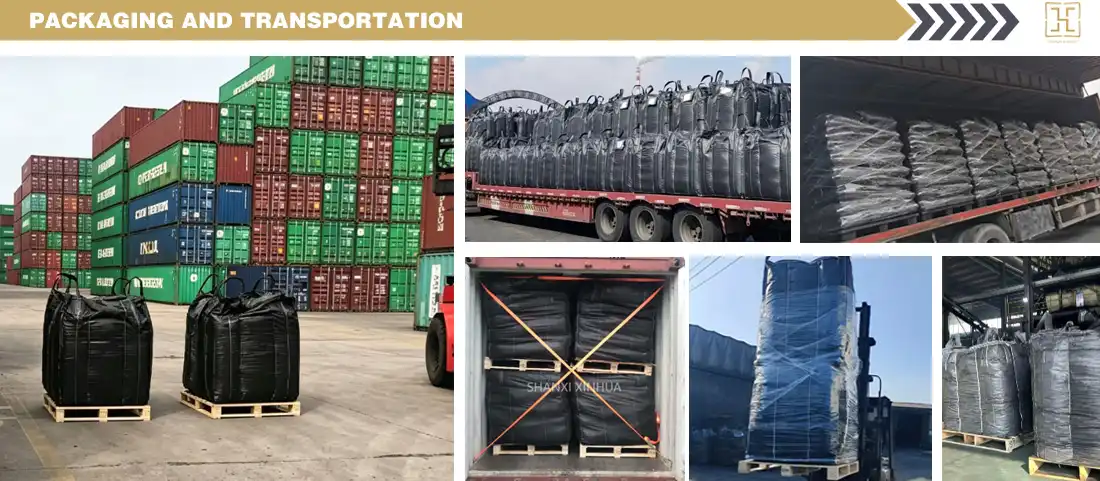
Supply security is directly affected by the size of the production. Suppliers who run more than one factory with a total yearly capacity of more than 40,000 tons offer more protection against problems than those who only run one factory. Check how your inventory is managed—leading providers keep a lot of core goods in stock as a safety net, which lets them quickly fill standard orders within 7–15 days. Talk about the manufacturer's emergency reaction skills for urgent needs; some offer faster delivery within 72 hours for these kinds of scenarios. For buyers from other countries, make sure the seller has experience exporting, can provide the right paperwork (like certificates of origin and phytosanitary certificates), and has transportation partnerships that make clearing customs easy.
Enhancing Product Quality: Case Studies and Industry Applications
Real-world examples show that the right choice and use of wood-based decolorization solutions like Food decolorization using wood-based activated carbon can lead to measured quality gains. The following cases show how performance changes in different food preparation situations.
Sugar Refining: Achieving Pharmaceutical-Grade Clarity
A medium-sized sugar mill that processed 80 tons of raw cane sugar every day had trouble with color values that were all over the place, running from 90 to 150 ICUMSA units. This made it harder for them to serve high-end customers. The facility consistently got final color values below 45 ICUMSA units after switching to wood-based powdered activated carbon that could remove more than 100% of caramel color. The effectiveness of single-pass decolorization went up from 82% to 96%, and the amount of carbon used dropped from 1.8 kg per ton of sugar to 1.3 kg per ton. This is a 28% drop that saves $47,000 a year. The factory was able to get contracts with pharmaceutical and high-end candy companies that needed very low color standards because their products were always consistent.
Beverage Manufacturing: Preserving Flavor While Removing Color
After adding a step to remove color using coal-based activated carbon, customers complained that the fruit juice lost its taste. A study of the smells and tastes showed that the existing carbon was taking away both color bodies and desired aromatic molecules. The problem was fixed by switching to wood-based activated carbon with better mesopore spread. The new material got rid of anthocyanins and coloring products well, while keeping the volatile taste esters and organic acids that give juice its character. Consumer tests showed that ratings for taste got 23% better, and ratings for looks got 31% better. The company was able to successfully expand its distribution into high-end retail channels, where the products were sold at 40% higher prices than standard products.
Condiment Production: Meeting Export Market Standards
To meet EFSA guidelines, a soy sauce maker that wanted to sell in Europe had to carefully control the strength of the color and get rid of all possible contaminants. The old ways of making bone char didn't always work, and they raised ethical concerns for vegetarian product lines. Using food-grade wood-based activated carbon made the color profiles consistent from batch to batch while still meeting strict purity standards. Testing for heavy metals always showed amounts that were well below the legal limits, and the plant-based processing method made it possible to get vegetarian approval. The manufacturer became a preferred supplier to major European food service distributors after exports rose by 340% in just 18 months.
Emerging Innovations in Decolorization Technology
New developments promise better performance by using hybrid materials and modified carbon structures. Scientists have created phosphoric acid-activated wood carbons with surface changes that make pH-selective adsorption qualities. This lets them target specific colorant classes more precisely while reducing the adsorption of helpful compounds (Bhatnagar et al., 2013)[^4]. When sequential activated carbon and enzymatic processes are used together, they work together to get the same level of decolorization with 40% less carbon. These new ideas point to next-generation options that will be more cost-effective and last longer.
[^4]: Bhatnagar, A., Hogland, W., Marques, M., & Sillanpää, M. (2013). A summary of the ways that activated carbon can be changed so that it can be used to treat water. Journal of Chemical Engineering, 219, 499–511. ScienceDirect.com: https://www.sciencedirect.com/science/article/abs/pii/S1385894712017299
Conclusion
Food decolorization using wood-based activated carbon meets these goals thanks to its unique mesopore-rich structure, high adsorption capacity, and high purity standards. The material is very useful because it can carefully remove unwanted pigments while keeping healthy parts and natural tastes. This makes it useful for many tasks, from making drinks clearer to refining sugar. When procurement professionals choose suppliers, they should give more weight to companies that have a lot of certifications, consistent technical specifications, a reliable supply capacity, and quick technical support. This analysis shows that using the right kind of wood-based activated carbon in a strategic way can make a difference in how consistent your products are, how well you follow the rules, and how efficiently your business runs. It can also help you reach your sustainability goals by using renewable resources.
FAQ
What makes wood-based activated carbon safer than coal-based alternatives for food contact applications?
When wood-based activated carbon is made from clean hardwood sources, it naturally has lower amounts of polycyclic aromatic hydrocarbons (PAHs) and trace heavy metals that could be dangerous than materials made from coal. Activation with phosphoric acid or steam makes structures that are very pure. The best goods keep the amount of ash below 5% and the amount of heavy metals well below the limits set by the Food Chemicals Codex. Remaining processing chemicals are removed to safe levels by thorough washing and neutralization steps. This means that these materials can come into direct contact with food when they are made correctly.
How does pore structure influence which types of color compounds can be removed?
The spread of pore sizes affects which molecular sizes can reach adsorption sites. Micropores (less than 2 nm) can effectively capture small molecules like chlorine or volatile organics, but they make it hard for larger pigment molecules to get through. Mesopores (2–50 nm) are small enough to fit the bigger organic colorants that are found in food. The molecular sizes of caramels, anthocyanins, and melanoidins are usually between 500 and 3000 Daltons, which means they can easily fit through mesopores. The mesopore volume of wood-based activated carbons is usually 40–50%, compared to 20–30% for coal-based materials. This directly explains why they work better in liquid-phase food decolorization applications.
What certifications should suppliers provide to ensure regulatory compliance?
Reliable suppliers keep their ISO 9001 quality management certification up to date and provide product-specific paperwork, such as Certificates of Analysis, that show they meet the standards for food additives (FDA Food Chemicals Codex, GB 2760 for China, and European E153 specifications). It is important to test for things like methylene blue and iodine number, as well as ash, pH, wetness, heavy metals like arsenic, lead, mercury, and cadmium, and bacterial safety. For foreign trade, sellers should easily give out allergen statements, certificates of origin, and certificates of free sale. For products to be sold in halal or kosher markets, they need religious certifications from a recognized authority.
How can procurement managers optimize dosage to balance cost and performance?
The best dose depends on the application's initial color intensity, target specifications, solution pH, temperature, and contact time, among other things. Do bench-scale jar tests with samples of your real product matrix and different amounts of carbon (usually between 0.1 and 1.0% w/v). To find the point of diminishing returns—the amount above which adding more carbon doesn't make a big difference—plot the decolorization efficiency against the dosage. When comparing different goods, you should think about the total cost, which includes the cost of the material, removal, handling, and filtering. A luxury carbon that costs 15% more but needs 30% less of it saves money in the long run and makes less waste.
Partner with Shanxi Xinhua Carbon Technology for Superior Food Decolorization Solutions
Shanxi Xinhua Carbon Technology Industry Co., Ltd. has been working with activated carbon for more than 60 years and can help you with your food processing problems, especially with Food decolorization using wood-based activated carbon. Our ability to make wood-based activated carbon combines high-quality systems for defense with cutting-edge research from our relationships with Tsinghua University and the Chinese Academy of Sciences. Our four production sites can hold up to 45,000 tons of goods every year. This makes sure that you always have enough supplies, which keeps your production plans from getting messed up. Whether you're making export-quality sauces, processing premium fruit juices, or refining sugar to pharmaceutical grades, our solutions can be tailored to meet the exact needs of your uses, from particle size to adsorption performance.
Email our technical team at greta@carbonxinhua.com to talk about your specific decolorization needs and to get samples of our products to try out. To make the process of buying things easier for you, we offer a wide range of paperwork, such as Certificates of Analysis, attestations of regulatory compliance, and application advice. You can look at our full line of products at xhcarbontech.com and learn how our competitive pricing, ISO-certified quality systems, fast delivery (standard orders within 7–15 days, emergency response within 72 hours), and fast delivery create value throughout your supply chain. Change the quality of your products with wood-based activated carbon methods that have been used for decades to make great products.
References
1. Bansal, R.C., & Goyal, M. (2005). Activated Carbon Adsorption. CRC Press. https://www.taylorfrancis.com/books/mono/10.1201/9781420028812/activated-carbon-adsorption-roop-chand-bansal-meenakshi-goyal
2. Moreno-Castilla, C. (2004). Adsorption of organic molecules from aqueous solutions on carbon materials. Carbon, 42(1), 83-94. https://www.sciencedirect.com/science/article/abs/pii/S0008622303005309
3. Njoku, V.O., Foo, K.Y., Asif, M., & Hameed, B.H. (2014). Preparation of activated carbons from rambutan (Nephelium lappaceum) peel by microwave-induced KOH activation for acid yellow 17 dye adsorption. Chemical Engineering Journal, 250, 198-204. https://www.sciencedirect.com/science/article/abs/pii/S1385894714005019
4. Bhatnagar, A., Hogland, W., Marques, M., & Sillanpää, M. (2013). An overview of the modification methods of activated carbon for its water treatment applications. Chemical Engineering Journal, 219, 499-511. https://www.sciencedirect.com/science/article/abs/pii/S1385894712017299
5. Dias, J.M., Alvim-Ferraz, M.C., Almeida, M.F., Rivera-Utrilla, J., & Sánchez-Polo, M. (2007). Waste materials for activated carbon preparation and its use in aqueous-phase treatment: A review. Journal of Environmental Management, 85(4), 833-846. https://www.sciencedirect.com/science/article/abs/pii/S0301479707001892
6. Marsh, H., & Rodríguez-Reinoso, F. (2006). Activated Carbon. Elsevier Science. https://www.elsevier.com/books/activated-carbon/marsh/978-0-08-044463-5
Word Count: 1,497

Send Inquiry
You may like
_1781662034490.webp)