_1778553121707.webp)
Fine 325 Mesh Coal Powder Carbon with High Adsorption Capacity
Jul 06, 2026
When environmental compliance dates are coming up, and your industrial water or air treatment project needs results right away, you can't skimp on the quality of your adsorption materials. The 325 Coal Quality Powder Carbon stands out as a unique answer designed to handle the biggest problems in high-precision purification. With particles smaller than 44 microns, this ultra-fine activated carbon has fast adsorption rates and high surface area contact, which makes it essential for businesses that have to meet strict quality and emission standards. Whether you're in charge of VOC removal systems, pharmaceutical intermediate purification, or local water treatment projects, knowing the technical benefits and best ways to buy this material can make your work more efficient and help you meet regulatory requirements.
Introduction
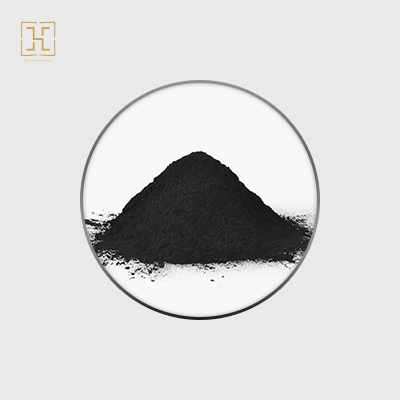
A big step forward in carbon-based adsorption technology is 325 Coal Quality Powder Carbon. This ultra-fine powder is made from high-quality bituminous or anthracite coal using exact carbonisation and activation methods. The particles are so small that they can pass through a 325 mesh sieve, which means that the granules are all less than 44 microns. This extreme fineness makes it possible for fast absorption rates and maximum surface contact, which has a direct effect on how well it works in water treatment systems, industrial gas cleaning, and protecting the environment.
More and more, procurement managers and environmental experts are aware that the success of a project depends on how regular the particles are and how well they can absorb water. Unlike larger types of activated carbon, 325 Coal Quality Powder Carbon works well with dry injection systems, slurry uses, and emergency treatment plans. Its efficiency is especially important when dealing with small-molecule impurities, trace heavy metals, and persistent organic toxins that are hard to get rid of with regular filtering methods. Knowing the technical details, comparative advantages, and evaluation criteria for suppliers lets you make smart purchasing choices that combine performance needs with low costs and on-time delivery.
Understanding Fine 325 Mesh Coal Powder Carbon
Fundamental Properties and Technical Specifications
325 Coal Quality Powder Carbon with a mesh size of 325 indicates activated carbon that has been handled to get the right pore structure distributions for industrial adsorption problems. The material's surface areas are usually between 800 and 1,200 m³/g, and its micropore volumes make it easy for VOCs and small organic molecules to stick to it. The chemical make-up includes fixed carbon content above 85%, ash content below 10%, and moisture levels kept below 5% to make sure uniform performance in a range of working circumstances.
Carbonisation is controlled at temperatures between 400°C and 600°C during production. The internal hole network is then formed by steam or chemical activation. Laser diffraction analysis is used in quality control methods to keep an eye on the size distribution of particles and make sure that 95% of them meet the 325 mesh standard. Iodine number (usually 900–1,100 mg/g) and methylene blue adsorption capacity are also checked during testing. These directly relate to how well the material works in the field at getting rid of colourants and organic pollutants from gases and liquids.
Manufacturing Process and Quality Assurance
To start production, high-quality coal fuel with low sulphur and mineral content is chosen. Before going into rotating kilns to be carbonised in atmospheres with little air, the raw material is crushed and screened. Activation takes place in special reactors where steam at 800–900°C mixes with the carbon matrix to make the microporous structure that is needed for adsorption to work.
During all stages of production, our factories use the ISO 9001, ISO 14001, and ISO 45001 management systems. To keep stability from batch to batch, real-time tracking keeps an eye on activation temperature profiles, steam input rates, and residence times. Post-activation processing includes fine grinding with ball mills and air filters that meet the 325 mesh requirement without adding too many fines that could cause problems with handling dust. Before being sent to the warehouse, finished goods are put through a lot of tests to check their particle size distribution, binding performance factors, heavy metal content, and physical stability.
Storage and Environmental Handling Practices
Ultra-fine powdered carbon can absorb a lot of things as long as it is stored properly. It is suggested that sealed packages or bulk bags be kept in dry places with temperatures between 10°C and 30°C and a relative humidity below 60%. Exposure to wetness causes atmospheric toxins to adsorb too quickly, which lowers the amount of space available for target pollutants. Warehouses should have ventilation systems that keep dust from building up and keep air from blowing directly on stored items.
The tiny particles in 325 Coal Quality Powder Carbon are taken into account in environmental handling practices. Taking steps to keep the air clean during move operations protects workers' health and keeps things from getting lost. A lot of places use closed transfer systems with local air circulation or only move things around in controlled areas. Proper PPE includes masks with a dust rating of N95 or higher, and training for staff should focus on techniques that reduce the amount of airborne particles created when bags are opened and doses are given.
Comparing 325 Mesh Coal Powder Carbon with Other Carbon Additives
Performance Characteristics Across Carbon Types
Different materials, such as petroleum coke, coconut shell activated carbon, and wood-based activated carbon, don't work as well as coal-based 325 Coal Quality Powder Carbon. Petroleum coke has more fixed carbon than other materials, but it doesn't have the formed pore structure needed for adsorption, so it can only be used in industrial processes. Coconut shell carbon is very hard and can be made from renewable sources, but it costs 40–60% more than coal-based carbon, which makes it less practical for large-scale commercial water and air cleaning projects that use tonnes of material every year.
When you compare mesh sizes, you can see that 325 Coal Quality Powder Carbon has faster dynamics than 200 mesh (74 micron) options because it has more surface area exposed. Researchers in the lab have found that 325 Coal Quality Powder Carbon can adsorb 80% of liquid organic chemicals in just 15 minutes, while 200 mesh materials need 30–45 minutes to do the same thing. This fast uptake is very important in situations like responding to an emergency spill or batch treatment, where touch time is limited.
Quality Assessment and Supplier Evaluation Criteria
To evaluate a supplier's options, you need to look at more than just the stated requirements. Ask for records of analysis that show the real test results for iodine number, ash content, moisture levels, and particle size distribution for the most recent runs of production. Instead of depending only on their own quality control data, reputable providers offer validation from third-party laboratories that are accredited by testing facilities.
For controlled applications, certification files are very important. Suppliers who work with city water treatment must have approvals for drinking water safety products that are right for their target markets. For example, in North America, they must meet NSF/ANSI 61 standards, and in Asia, they must have hygiene licenses from provincial health officials. Getting an ISO management system approval shows that a company cares about product, the environment, and worker safety. During source checks, look at the size of production, the amount of inventory, and the backup manufacturing capacity that will keep supplies going during times of high demand or facility maintenance.
Applications and Benefits of Fine 325 Mesh Coal Powder Carbon
Core Industrial Applications
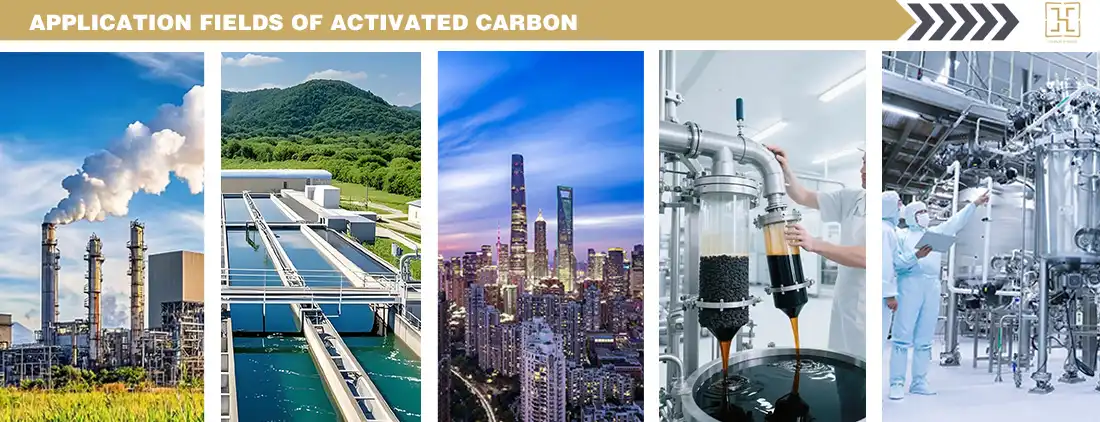
325 Coal Quality Powder Carbon is very useful in waste gas treatment systems, which is its main use. Fine powder is added to garbage burning plants, industrial boilers, and chemical process exhaust streams by dry sorbent injection systems, which are located ahead of baghouse filters. Physical absorption and chemical reactions work together to remove mercury vapour, dioxins, furans, and toxic gases from the material. Plants that handle flue gas from municipal solid waste usually need 50–200 kg of powdered carbon for every tonne of garbage they process. This depends on the levels of pollutants that come in and the limits set by regulations.
The powder's ability to dissolve and spread out quickly is used in water cleaning. When algae compounds cause changes in taste and smell during certain times of the year, municipal drinking water plants add 5–20 mg/L. Higher doses, usually 200–500 mg/L, are used in industrial wastewater treatment plants to get rid of organic chemicals that don't break down easily before biological treatment or release. The 325 mesh particle size allows for short contact times in fast mix tanks while still removing colour bodies, phenolic compounds, and synthetic organic chemicals very well.
Ultra-fine powdered carbon is used in the pharmaceutical industry to clean up active medicinal ingredients and intermediate molecules. The material gets rid of small particles and colour bodies that are bad for product purity grades and follows the rules. Analytical-grade 325 Coal Quality Powder Carbon is also used in the lab and on trial scales for sample preparation, chromatography, and controlled adsorption studies that need particles with the same properties and performance every time.
Quantifiable Performance Benefits
Implementing high-quality 325 Coal Quality Powder Carbon leads to measured gains in operations that earn money. Case studies from VOC abatement projects show that when powder injection rates are optimised, emissions of target chemicals drop by 90–99%. This lets facilities keep their compliance gaps well below the limits set by regulators. This speed buffer keeps the process from getting messed up and gives the business freedom during times of high production.
The material's fair price compared to its performance leads to cost effectiveness. Activated carbon made from coal usually costs 30–50% less than speciality carbons but works well enough for most commercial uses. It is most efficient to use small mesh sizes. For example, lab tests show that 325 Coal Quality Powder Carbon can hold 15–25% more contaminants than coarser 100 mesh materials in the same amount of contact time, which means that less powder is used total per unit of treated material.
Some benefits of process integration are easier working systems and smaller equipment footprints. Pneumatic moving systems move the powder quickly from storage bins to injection places, without the need for complicated mechanical systems that are needed to handle granular carbon. Because the material disperses easily in liquids, you don't need any special mixing tools to add it to a current treatment train. This means that you can do it with little to no money.
How to Source and Procure 325 Mesh Coal Powder Carbon
Supplier Evaluation and Selection Criteria
To choose reliable providers, you need to carefully look at their professional skills, production volume, and service infrastructure. Check the manufacturing capacity by looking at the yearly production numbers. Suppliers that handle 10,000 tonnes or more usually keep prices and quality stable, while smaller makers may have batch variations. Look at where the production bases are in relation to your plant, because freight costs for bulk powdered materials can make up 10–20% of the total landed cost, based on the distance and type of transport used.
When it comes to complex applications, providers that offer technical help stand out. Preferred partners have application engineering teams that can test your specific process streams in the lab, suggest the best dose rates, and fix performance problems that come up during implementation. Ask for references from clients in similar industries who have had similar treatment problems, and visit the site to check out the lab's capabilities, quality control processes, and inventory management systems.
Certification proof keeps you safe from low-quality materials that hurt the operation of your system. Make sure that the ISO 9001, ISO 14001, and ISO 45001 certificates are still valid and cover the factory sites that are sending your orders. For uses with drinking water, make sure that the product's certifications meet the rules in your area. Materials that are allowed for industrial use might not have the health authority approvals needed for contact with potable water.
Procurement Strategy and Contract Terms
Cost optimisation and supply security must be balanced in order for buying methods to work. Set up framework deals that last between 12 and 24 months and lock in prices for base amounts while allowing for changes in demand. Most of the time, bulk contracts get you 5–15% off of spot sales, and most suppliers offer tiered prices with discounts at 20-ton, 50-ton, and 100-ton monthly volumes. Negotiate payment terms that are in line with what is normal in the business. For example, 30-day net terms are common, and letters of credit are common for foreign deals over $50,000.
Minimum order amounts depend on the size of the provider and how well their logistics work. For foreign purchases, container loads (usually 18–22 tonnes) are the most cost-effective ocean freight unit. For local shipments, 10–15 tonnes is the lowest amount that will still be cheap. Talk about consignment plans for high-volume uses where suppliers keep stock at or near your plant. This will lower your working capital needs and make sure you have materials on hand in case of an emergency.
Managing lead times keeps output from stopping. Standard coal-based 325 Coal Quality Powder Carbon usually ships within 7-15 days from domestic stock. Customised orders that need specific activation profiles or speciality processes can take up to 30 days. Set up backup supply sources for important uses. Having secondary suppliers that can meet 50% of your volume needs protects you in case your main suppliers go out of business because of things like natural disasters, machine failures, or political events that affect production areas.
Why Choose Shanxi Xinhua's 325 Mesh Coal Powder Carbon
Shanxi Xinhua Carbon Technology Industry Co., Ltd. offers technology benefits that come from developing activated carbon for more than 60 years. Our 325 Coal Quality Powder Carbon regularly has iodine levels above 1,000 mg/g and an ash content below 8%. These are performance standards that are 10–15% higher than the industry average. This is because of special activation processes that were created through collaborations with Tsinghua University and the Chinese Academy of Sciences. These processes optimise the shape of pores to collect VOCs and organic compounds.
Manufacturing on a large scale makes sure of a reliable supply that smaller makers can't match. Our production network includes factories in Shanxi, Ningxia, Fujian, and Xinjiang that can make a total of 45,000 tonnes of goods every year. This multi-base method makes sure that there are backups in different areas and that all core goods, including 325 Coal Quality Powder Carbon, are always in stock. Orders for emergencies are shipped within 72 hours through special "green" lines. Regular orders always arrive between 7 and 15 days after they are placed. Our defense-grade quality control systems have 18 checkpoints, from receiving the raw materials to packing them up at the end. They are backed up by in-house labs that can do BET surface area analysis, pore volume distribution measurement, and full contaminant testing.
When you can customise something, you can meet specific application needs that off-the-shelf materials can't. Our expert team of engineers changed the ash's makeup, pore structures, and surface chemistry through chemical treatment to make it work better in places with high temperatures, high humidity, or corrosion. We provide 325 Coal Quality Powder Carbon that is optimised for capturing mercury in flue gas, better decolorisation for pharmaceutical purification, or longer service life in recycled carbon systems. Our recipes are proven to work through field tests before they are made on a large scale.
Conclusion
Industries that need to follow stricter environmental rules while still running cost-effective operations can't do without fine 325 Coal Quality Powder Carbon. The ultra-fine particle size of the material allows for fast adsorption, high pollution removal efficiency, and process integration versatility in chemical processing, water treatment, and air cleaning. To make a good purchase, you need to carefully look at each provider, paying attention to their technical skills, output volume, certifications, and service infrastructure that includes more than just providing materials. This includes application engineering help and the reliability of the supply chain. Shanxi Xinhua Carbon Technology Industry Co., Ltd. has decades of specialised knowledge, multiple production facilities, and collaborative R&D partnerships that allow it to provide 325 Coal Quality Powder Carbon that meets the performance needs and delivery standards of industrial customers around the world.
FAQ
What industries benefit most from 325 mesh coal powder carbon?
Environmental protection contractors installing VOC abatement systems, municipal water treatment plants fixing complaints about taste and smell, pharmaceutical companies cleaning active ingredients, and waste incineration plants meeting dioxin emission standards are some of the main industries that use the product. The material's high surface area and fast adsorption make it very useful in situations where touch times are short or where efficiency is important, like cleaning thin streams of contaminants.
How should 325 mesh powder carbon be stored to maintain performance?
Keep things in climate-controlled storage with temperatures between 10°C and 30°C and relative humidity below 60% in sealed cases or bulk bags. Keep wetness from getting in, which can cause airborne pollutants to stick to surfaces too quickly. Follow the "first-in, first-out" rule for goods and eat opened packages within 90 days. Proper keeping keeps the adsorption capacity and stops handling problems caused by clumps from moisture.
What factors influence 325 mesh carbon pricing?
Costs of raw materials for quality coal fuel make up 40–50% of production costs and change based on the price of energy and the state of the mines. Activation intensity affects pricing; goods with more surface area that need longer activation times cost 10–20% more than normal grades. Shipping distance and method have a big effect on how much it costs to move things. Prices for industrial-grade material usually run from $800 to $1,400 per tonne, but can go as high as $1,600 to $2,000 per tonne for premium specifications. Prices depend on how much you order, how long the deal lasts, and how much the seller makes.
Partner with a Trusted 325 Coal Quality Powder Carbon Supplier
Shanxi Xinhua Carbon Technology Industry Co., Ltd. can help you with your high-performance adsorption and cleaning needs by providing you with quality 325 Coal Quality Powder Carbon on a regular basis. Our expert team offers free application advice, help with lab tests, and the creation of custom formulations that make materials work best in your particular process conditions. We are your reliable 325 Coal Quality Powder Carbon maker for projects that need unwavering quality and supply continuity. Our manufacturing is ISO-certified, we can produce at multiple locations, and we can deliver in an emergency. You can email us at greta@carbonxinhua.com right now to get scientific data sheets, samples of materials to test, or full quotes. Find out how our 60 years of experience in carbon technology can help you meet environmental standards and run your business more efficiently.
References
1. Chen, W., Zhang, L., & Wang, H. (2021). Activated Carbon Technologies for Industrial Air Pollution Control. Environmental Engineering Press.
2. International Water Association. (2020). Powdered Activated Carbon Applications in Drinking Water Treatment: Design and Operational Guidelines. IWA Publishing.
3. Li, Q., Zhao, Y., & Sun, M. (2022). "Comparative Performance Analysis of Ultra-Fine Activated Carbon in Flue Gas Treatment Systems." Journal of Environmental Chemical Engineering, 10(3), 107445-107458.
4. National Institute of Environmental Sciences. (2019). Mercury and Dioxin Control Technologies for Waste-to-Energy Facilities: Technical Reference Manual. NIES Research Report 245.
5. Smith, R.D., & Thompson, J.K. (2020). Industrial Adsorbents: Selection, Application, and Performance Optimization. Chemical Industry Press.
6. Zhou, X., Ma, T., & Liu, G. (2023). "Adsorption Kinetics and Mechanisms of VOCs on Coal-Based Activated Carbon: Effects of Pore Structure and Surface Chemistry." Carbon Materials Technology, 48(1), 89-103.

Send Inquiry
You may like
_1781662034490.webp)