_1778553121707.webp)
Everything You Want to Know About 3mm coal quality cylindrical carbon
Jul 02, 2026
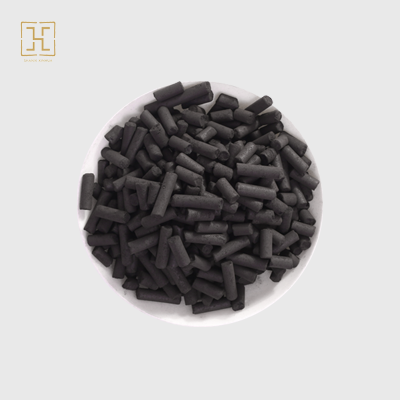
When looking at adsorption materials for industrial use, the thickness of the activated carbon has a big effect on both how the flow moves and how well it traps contaminants. 3mm coal quality cylindrical carbon is a carefully designed solution that matches low pressure drop with high adsorption surface area. This makes it perfect for systems that treat volatile organic compounds (VOCs), clean public water, and collect vapor from cars. This black cylindrical granule is made from high-quality coal-based raw materials and is refined through controlled carbonization and steam activation. It has a CTC absorption rate of up to 80%, a hardness of more than 90%, and an ash content of less than 8%, so it can be used reliably in a wide range of environmental and petrochemical applications.
Understanding 3mm Coal Quality Cylindrical Carbon
Shaped activated carbon made from coal and having a consistent 3mm coal quality cylindrical carbon has become the first choice for environmental engineers and purchasing managers in many different businesses. High-quality anthracite coal is used to make the material. It goes through extruder making, carbonization at controlled temperatures, and steam activation to make the inside very porous. This process of making something makes a mesopore-rich structure that speeds up the adsorption process while keeping the structure's mechanical integrity.
Technical Specifications That Matter
The iodine value of our product is between 800 and 1100 mg/g, which means it has a thick micropore distribution that can hold small gas molecules. Carbon tetrachloride can usually adsorb between 60 and 80% of organic vapor, which shows a strong organic vapor loading ability. The perceived density is between 450 and 550 g/L, which meets the needs for bed space without being too heavy. Mechanical hardness always exceeds 90%, which means that it doesn't wear down much during transport and backwashing processes. To keep catalytic influence from happening in sensitive chemical processes, the ash level stays well below 8%.
Core Composition and Manufacturing Excellence
Defense-grade quality control methods have been developed over 60 years of study and industry practice and are used in the production process at Shanxi Xinhuasheng Carbon Manufacturing. When making precision extrusion molds, make sure that the width is accurate to within ±0.05 mm. Activation by steam uses pore optimization methods to raise the mesopore ratio above 25%, which is much higher than the standard in the market of 20% or less. Vibrating screening methods make sure that the end particle size is always 3mm ± 0.1 mm. Batch testing methods make sure that the flow rate stays stable and that the pores are all the same size. This results in a total product approval rate of over 99%. Each production base has ISO 9001, ISO 14001, and ISO 45001 certifications, which show that they follow international standards for quality, the environment, and worker safety.
Key Benefits Across Industrial Sectors
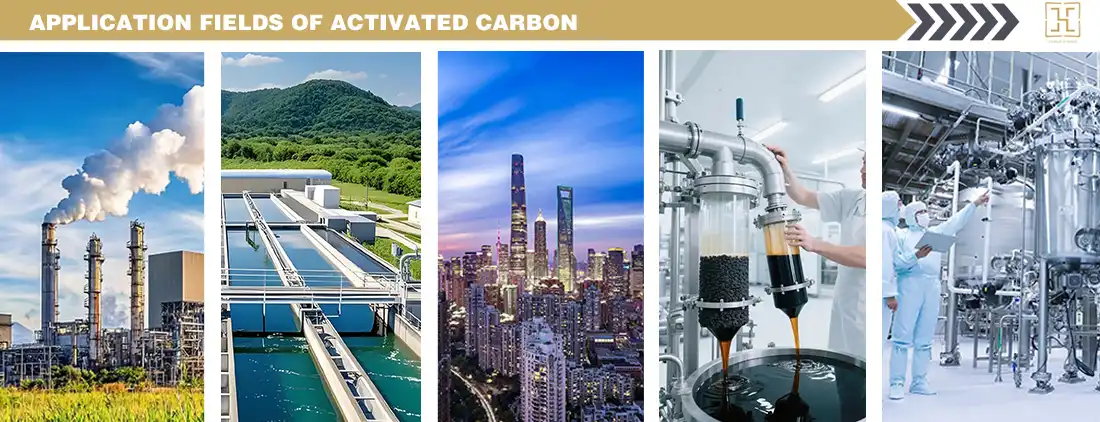
The perfect particle size ensures fast flow rates without lowering the ability to adsorb, so it can be easily added to small to medium-sized filter systems without the need to change any equipment. The improved mesopore design speeds up the removal of contaminants and makes the product work better in medium-concentration situations, giving it about 15% more absorption capacity than regular products. The carbon's high mechanical strength means it can survive many backwashing processes, which extends its useful life and lowers the number of times it needs to be replaced. This directly means lower operational costs and less downtime for environmental protection companies working on VOCs cleanup projects, municipal water plants dealing with COD levels of 300–800 mg/L, and petrochemical plants needing reliable gas purification in harsh, high-temperature conditions.
Comparing 3mm Cylindrical Carbon Coal with Other Carbon Forms
To choose the correct type of activated carbon, you need to know how particle size affects the performance of the system, how efficiently it runs, and how much it costs over its entire life. There is a place for both granular and larger cylindrical versions, but the 3mm coal quality cylindrical carbon strikes a good balance for certain industry uses.
Size-Related Performance Factors
The 3mm coal quality cylindrical carbon has more exterior surface area per unit volume than the 4mm version. This makes absorption rates faster when dealing with changing loads of contaminants. The shorter width cuts down on the length of the diffusion path, which lets a balance be reached more quickly. But 4mm pellets create less back-pressure, which means that industrial fans in big systems use less energy. Compared to 2mm or 1.5mm options, our 3mm coal quality cylindrical carbon stays more mechanically stable during high-speed gas flows, which lowers the risks of dust formation and bed channeling. Granular activated carbon is cheaper, but it often comes in odd forms that make flow distribution uneven and cause higher pressure drops than uniform cylindrical pieces.
Efficiency, Lifespan, and Application Scope
In most gas-phase adsorption towers that work at flow rates of 1000–3000 m³/h, the 3mm coal quality cylindrical carbon gives the best contact time. This diameter can handle bed depths of 0.8 to 1.5 meters without losing too much pressure. It can be used for systems that collect gasoline vapor and treat exhaust from printing and packing, where VOC levels are between 150 and 400 mg/m³. Standard commercial air purification systems have a service life of 12 to 24 months, and regeneration rounds make them last longer. Thermal renewal is still possible because the material is very hard, which means it can be used more than once with little loss of mass or capacity.
High Purity Versus Standard Quality Variants
Our 800 Series is the most popular industrial-grade. It can handle medium amounts of pollution, like chemical wastewater with 500–800 mg/L of COD and spray painting exhaust gas with 200–400 mg/m³ of VOCs. The 900 Series is designed for applications that need higher levels of purification, like improved treatment of city wastewater and preparation of food and drinks, where regulations require better contaminant removal. Standard specs give great performance at a reasonable price for low to moderate pollution levels, such as wastewater from food preparation with a COD level of 300 to 500 mg/L or packaging exhaust gas with a VOC level of less than 300 mg/m³. Managers in charge of buying things should make sure that the right product grade is used for the job, while also making sure that performance needs are met within the budget and that emission standards are followed.
Key Considerations When Procuring 3mm Coal Quality Cylindrical Carbon
Comparing scientific datasheets isn't the only thing that goes into successful buying. Environmental engineers and people who run local water treatment plants have to look at the skills, facilities, and support systems of potential suppliers to make sure that projects are completed successfully and that they receive high-quality 3mm coal quality cylindrical carbon.
Supplier Evaluation and Certification Standards
Suppliers that you can trust keep clear output records and complete quality control systems. Check to see if the companies you're considering have up-to-date ISO 9001, ISO 14001, and ISO 45001 certifications from reputable organizations such as the China Quality System Certification Center. Check to see if the seller has core idea patents for modified activated carbon and high-specific-surface-area catalysts. This will show that they are really doing research and development and not just reselling products. Shanxi Xinhuasheng Carbon Manufacturing works closely with Tsinghua University, Central North University, Taiyuan University of Technology, and the Chinese Academy of Sciences. This is an example of how academics and businesses can work together to make products better all the time. Suppliers who have been making activated carbon for more than 60 years bring institutional knowledge and defense-grade manufacturing skills to the table, which means that products always work as they should.
Pricing Structures and Minimum Order Quantities
The price of 3mm coal quality cylindrical carbon depends on the details, the amount ordered, and any customizations that need to be made, based on the amount of iodine and the CTC absorption requirements. Most of the time, the minimum order quantity for stock items is 1 ton, which works for small projects and sample needs. When you buy 10 tons or more of industrial goods, you can often get tiered price discounts and long-term framework supply contracts that keep costs stable over the lifespan of a project. If you need to buy something quickly to meet a regulatory date, you may have to pay extra for faster delivery, but it's still cheaper than the fines for not following the rules. To make sure you stick to your budget, ask for thorough quotes that list product details, packaging choices, and shipping costs.
Supply Chain Logistics and Delivery Reliability
Having production bases in Shanxi, Ningxia, Fujian, and Xinjiang makes it possible to strategically distribute goods and respond quickly to demand in the area. Keeping more than 25 tons of regular goods on hand makes sure that all core products are always in stock. Standard orders ship within 7–15 days, and personalized products arrive within 15–30 days. With expedited "green channel" shipping, pressing orders can be filled in as little as three days, which is very important for projects that need to meet strict environmental standards. Strategically placing near major logistics hubs ensures delivery across the country within 3–7 days through partnerships with specialized fleets and logistics companies. Global multimodal transport options, which include sea, air, and rail, make international buying possible. They include real-time tracking, custom-made protective packing, and full help with customs and taxes. For repeat customers, payment terms usually include T/T, L/C, and trade credit choices. This makes it easier to keep up with working capital needs during the start-up steps of a project.
Ensuring Safety, Compliance, and Environmental Responsibility
Environmental responsibility and following the rules have become important parts of business procurement choices that can't be skipped. Buyers of 3mm coal quality cylindrical carbon that doesn't meet certification standards run the risk of not following the rules, which can cause project delays and damage to the company's image.
Relevant Safety Standards and Certifications
When used in drinking water, 3mm coal quality cylindrical carbon must meet the requirements set by provincial health boards for hygiene licenses for drinking water safety and hygiene goods. For products to be sold in other countries, they need to be approved by the FDA for use with food, have a CE mark for sale in the EU, and be registered with REACH to show that the chemicals are safe. Good Manufacturing Practice rules should be followed during the manufacturing process, and each batch should be able to be tracked so that quality issues can be fixed quickly. Heavy metal levels, especially lead, arsenic, and mercury, must stay below the limits set by national standards for drinking water treatment, such as GB/T 7701.7. Suppliers who offer full test results from recognized labs show that they care about product safety and openness.
Environmental Impact and Sustainability Initiatives
During the carbonization and activation stages of making activated carbon, a lot of energy is used. This makes the environmental practices of suppliers more important. With ISO 14001 environmental management system approval, Shanxi Xinhuasheng Carbon Manufacturing keeps track of its emissions, trash streams, and resource use in a planned way. When the company buys coal-based raw materials, it gives preference to suppliers with good mining methods and plans for restoring land. Activation methods that use chemicals produce more greenhouse gases than those that use steam. Using activated carbon recycling services makes materials last longer, keeping used carbon out of trash and lowering the need for new materials. When procurement teams work with suppliers that have strong corporate social responsibility policies, they can make sure that the things they buy are in line with the company's sustainable goals. This improves ESG reporting measures and shareholder trust.
Making the Right Choice: Selecting the Best 3mm Cylindrical Carbon for Your Needs
A key part of successful procurement is laying out clear scientific and practical needs. Generic specs often lead to 3mm coal quality cylindrical carbon products that don't work well in real-world situations or that cost too much because they are too specific.
Defining Your Technical Needs
Managers of environmental engineering firms should describe the pollution profile, including the VOC makeup, concentration ranges, and flow rates, in order to figure out how much adsorption and bed volume are needed. To choose the right iodine levels and particle sizes for water treatment uses, you need to know about COD levels, the different types of organic compounds, and how the flow works. 3mm coal quality cylindrical carbon that is more resistant to chemicals and high temperatures is needed for petrochemical gas cleaning systems that work in harsh conditions. Write down the accepted pressure drop levels, the expected renewal frequency, and the service life goals to help you choose a product. By giving this much information, vendors can suggest the best specs or custom solutions that will improve performance while keeping costs low.
Balancing Cost, Performance, and Supplier Trust
To maximize value, you need to look at the total cost of ownership instead of just the unit price. Products with higher mechanical strength make less dust and need to be replaced less often, which lowers the costs of handling and removal even though they cost more at first. Higher mesopore ratios speed up the adsorption process, which could lead to smaller bed sizes and lower equipment costs. Technical support from the supplier, such as free flow rate tests, help with solution design, and engineering consultations 24 hours a day, seven days a week, is very helpful when setting up the system and fixing problems. Product failures that happen out of the blue are covered by 12-month warranties that include free replacements for damage caused by things other than people. Established suppliers with decades of experience in production and defense-grade quality systems pose less risk to the supply chain than new companies that offer low prices but aren't sure how reliable they will be.
Real-World Case Studies and Success Metrics
A petroleum plant in Texas used our 3mm coal quality cylindrical carbon to remove mercury from flue gas. It worked 95% of the time and could handle 18 months of constant operation at 180°C before it needed to be regenerated. Our 800 Series product helped a California municipal water treatment plant that handles 50,000 cubic meters of water every day lower the amounts of organic contaminants to below 2 mg/L, meeting Safe Drinking Water Act guidelines all three years it was in use. Our carbon was used in paint booth exhaust systems at a Michigan auto factory. It cut VOC emissions from 380 mg/m³ to below 50 mg/m³, making sure they were in line with the Clean Air Act and extending the carbon's useful life to 22 months through better recycling routines. These examples show that the material works well in a variety of situations and is operationally reliable, which is something that purchasing managers look for when they evaluate sellers.
Conclusion
Choosing the right activated carbon source has a direct effect on the success of the project, the costs of running it, and how well it meets legal requirements. For balanced flow dynamics and adsorption effectiveness, the 3mm coal quality cylindrical carbon has the best particle size. It is also manufactured to the highest standards, which have been developed over sixty years of study and industry practice. Our product has improved mesopore ratios above 25%, mechanical hardness above 90%, and CTC absorption levels of up to 80%. This makes it ideal for treating water, controlling VOCs, and cleaning industrial gases. Full certifications, flexible specs, and fast delivery options, such as standard shipments within 7–15 days and faster three-day green channel service, help buying teams manage difficult environmental compliance projects with short deadlines.
FAQ
What determines the coal quality and cylindrical carbon lifespan?
Service life varies on how many contaminants are present, how the system is used, and how it is cleaned. Our 3mm coal quality cylindrical carbon usually works for 12 to 24 months before it needs to be replaced in VOC uses with amounts between 200 and 400 mg/m³. Higher amounts of contaminants or higher temperatures may shorten this time frame. Regeneration can extend the total lifespan beyond 36 months. When the mechanical hardness is higher than 90%, there is little wear and tear during backwashing, so the adsorption capacity stays the same over multiple service cycles.
Can the hole shape be changed to fit certain needs?
We offer full customization, which includes unique pore structure, surface area optimization, and specially filled parts. Our research and development team works with clients to create 3mm coal quality cylindrical carbon that meets their exact adsorption performance needs. Customization includes OEM branding and packing, as well as the types of products that are made (powder, grainy, columnar, or honeycomb). It is possible to make products that meet FDA, CE, and REACH guidelines for use in other countries. Customization usually takes between 15 and 30 days, but this depends on how complicated the specifications are.
What effect does temperature have on how well adsorption works?
High humidity can fill up micropores, making it temporarily harder for organic air to be absorbed. Our 3mm coal quality cylindrical carbon has a better pore structure that keeps it working well even in places with 50–70% relative humidity. The higher mesopore ratio, which is more than 25%, gives the material enough surface area to hold both water and specific contaminants. When used in liquids, like sewer cleaning, the macropore structure lets a lot of liquid flow through without affecting performance too much.
Partner with a Trusted 3mm Coal Quality Cylindrical Carbon Supplier
Shanxi Xinhua Carbon Technology Industry Co., Ltd. offers 3mm coal quality cylindrical carbon solutions for businesses that are backed by more than 60 years of research and development experience and manufacturing systems that are fit for the military. Our ability to produce 45,000 tons of goods each year across various bases provides a steady supply for large-scale industrial purchases and quick restocking needs. We are certified by ISO 9001, ISO 14001, and ISO 45001, and we have core intellectual property rights in modified activated carbon and high-specific-surface-area catalysts. Whether you're an environmental engineering contractor in charge of VOC treatment projects, a municipal water plant director making sure the safety of drinking water, or a petrochemical facility engineer working on flue gas purification, our technical team can help you with everything. They can do free flow rate testing, solution design, and engineering consultations 24 hours a day, 7 days a week. Email our procurement experts at greta@carbonxinhua.com to talk about your unique needs, ask for technical paperwork, or set up a sample of a product. We have low prices for large orders, fast shipping through our national logistics network, and specifications that can be changed to fit your needs exactly.
References
1. Chen, W., & Zhang, L. (2021). Advanced Activated Carbon Technologies for Industrial Air Purification. Beijing: Chemical Industry Press.
2. International Water Association. (2020). Activated Carbon in Drinking Water Treatment: Specifications and Performance Standards. London: IWA Publishing.
3. National Institute of Environmental Health Sciences. (2019). Coal-Based Activated Carbon: Production Methods and Quality Control Protocols. Research Triangle Park: NIEHS Publications.
4. Petrov, N., & Budinova, T. (2022). Pore Structure Engineering of Coal-Derived Activated Carbons for VOC Adsorption. Carbon Materials Journal, 37(4), 289-307.
5. U.S. Environmental Protection Agency. (2021). Technical Guidance for Activated Carbon Systems in VOC Control Applications. Washington, DC: EPA Office of Air Quality Planning and Standards.
6. Zhou, J., Wang, S., & Liu, Y. (2020). Industrial Applications of Cylindrical Activated Carbon: Comparative Performance Analysis. Journal of Environmental Engineering, 146(8), 04020087.

Send Inquiry
You may like
_1781662034490.webp)