_1778553121707.webp)
Durable Coal-Based Honeycomb Carbon with 100-Hole Structure Design
Jul 09, 2026
When our team at Shanxi Xinhua Carbon Technology Industry Co., Ltd. created the 100-hole coal-based honeycomb carbon, we were trying to solve a problem that environmental engineers and procurement managers have been struggling with for a long time: finding an adsorption material that combines exceptional VOC removal efficiency with structural durability and affordability. This advanced carbon structure is the result of decades of research and development based on chemical protection technology used by the military. It works reliably in harsh industrial settings where cost and compliance requirements come together.
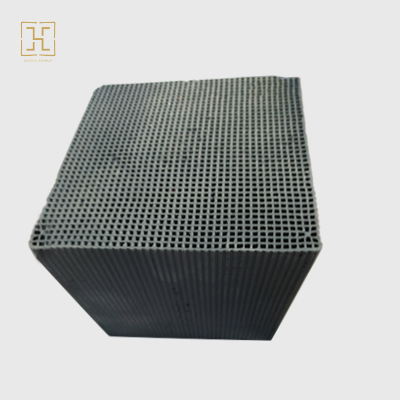
Understanding the 100-Hole Coal-Based Honeycomb Carbon Structure
The 100-hole coal-based honeycomb carbon layout stands out because of its carefully designed shape. Each block is 100 × 100 × 100 mm (with a limit of 1 mm), and it has 100 uniform channels per square inch. These channels make a large surface area for gas molecules to touch. This structure density creates the best balance between the ability to absorb and the resistance to airflow, which is a very important thing to think about when building systems that deal with large amounts of air at low concentrations.
Technical Excellence Through Material Science
We made this product so that its Iodine Value ranges from 450 to 850 mg/g. This means that it has strong micropore development, which is important for collecting small volatile organic chemicals. The BET Specific Surface Area is between 500 and 900 m²/g, which means there are a lot of places for molecules to stick to it. Carbon tetrachloride can be absorbed at rates of 35 to 65%, showing better gas-phase capture skills that environmental engineering managers look for in filter media.
When installing and using a tower, mechanical stability is still the most important thing. Our material keeps its compression strength above 0.8 MPa, which lets it be stacked vertically in adsorption towers that are several meters tall without the structure deforming. This strength keeps the channel from collapsing under operating stresses, which means it lasts longer than normal materials.
Water-Resistant Technology for Demanding Environments
Controlled temperature levels are rarely found in industrial facilities. Because of this, we created moisture-proof versions that keep their shape and ability to absorb water in places with more than 90% relative humidity. When traditional activated carbon is exposed to water, the pores get clogged, and the material softens, making it less effective and needing to be replaced sooner. Our water-resistant mixture stops these problems from happening, so the VOC removal works as well as it did at the beginning of the working cycle.
The amount of ash stays below 20%, which lowers the risks of secondary pollution that quality control managers worry about. Lower ash levels directly lead to cleaner air streams and less upkeep needs, which is a useful benefit that project managers value when they are figuring out the total cost of ownership.
Comparing Coal-Based Honeycomb Carbon with Other Types
The choice of materials has a big effect on how well the system works and how much it costs to build. Knowing these differences helps buying teams make choices that are based on facts and meet the needs of the 100-hole coal-based honeycomb carbon application.
Performance Attributes Across Material Categories
Ceramic surfaces are often used in catalytic converters, but honeycomb carbon made from coal has clear benefits. Ceramics work best in very hot situations (above 800°C), but our coal-based structure has a higher adsorption capacity per unit volume at temperatures that are common in VOC systems (below 150°C). Chemical resistance is about the same for most industrial gases and organic solvents, but clay surfaces are better at handling conditions that are very acidic.
When compared to activated carbon made from coconut shells, coal-based products are about 40–60% cheaper while still being able to absorb medium-molecular-weight VOCs just as well. Different types of coconut shell work well with small molecules like benzene, but coal-based types have a wider range of pores that can capture a wider range of compounds that are found in the exhaust streams of coating, printing, and chemical processing.
Structural Density Considerations: 100-Hole Versus 400-Hole Designs
The choice of pore density affects both the efficiency of filtering and the drop in pressure, which are two factors that have a direct effect on the cost of doing business. The 100-hole setup creates less pressure drop (usually less than 450Pa) than the 400-hole configuration, which means that the fan will use less energy over the life of the machine. This feature is especially useful for places that treat a lot of air, since every 100Pa drop in pressure means measured power savings.
On the other hand, 400-hole shapes improve the contact surface area per block, which makes low-concentration uses more effective at adsorption. The 100-hole structure is good for tasks that need standard VOC removal efficiency (>90%) but don't need the extra money that comes with high-density designs. This mix between performance and cost is especially appealing to small to medium-sized spray painting shops, printing plants, and businesses building air purification systems.
Manufacturing and Quality Assurance of 100-Hole Coal-Based Honeycomb Carbon
Picking the right coal is the first step in our 100-hole coal-based honeycomb carbon production process. We get anthracite coal that has a certain amount of carbon and a certain character of flammable matter that helps the pores form in the best way during carbonisation. This choice makes sure that the product works the same way every time, which is something that supply chain leaders look for in reliable suppliers when they want to build long-term relationships with them.
Production Process and Control Systems
To make it, certain types of coal are ground up, mixed with binding agents, and then pushed through precise dies that make the honeycomb design. This is followed by controlled carbonisation at temperatures above 800°C. Activation can happen with steam or chemicals, which creates the microporous structure that makes the material able to absorb things. There are quality checks in every step of the production process that look at things like dimensional correctness, mechanical strength, and the growth of pores.
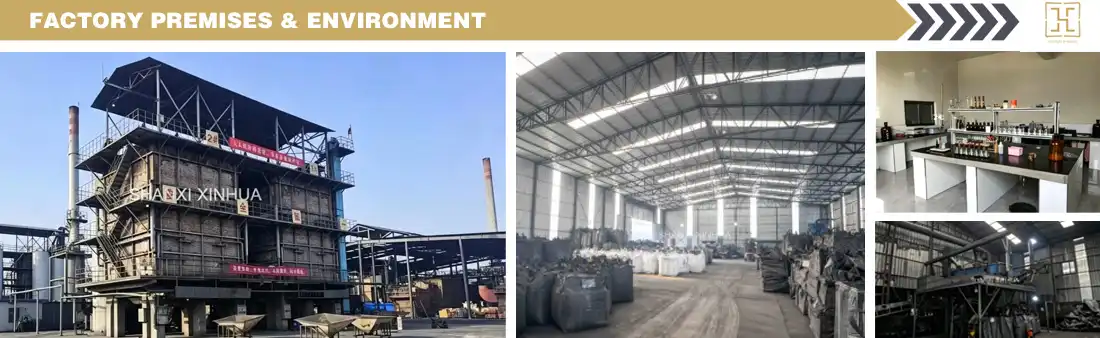
Our factories follow the rules of the ISO 9001 Quality Management System, which makes sure that everything can be tracked from the time we receive raw materials to the time we ship finished goods. Our ISO 14001 Environmental Management System certification shows that we are dedicated to reducing the environmental impact of our manufacturing processes. This is something that procurement departments are looking at more and more when they judge the environmental duty of suppliers. The ISO 45001 Occupational Health and Safety Management System certification keeps our workers safe and reassures customers that we only use ethical manufacturing methods.
At each production base, we keep standard testing labs that can measure iodine value, CTC absorption, compression strength, ash content, and resistance to moisture. Professional techs do these tests in line with national guidelines, and they create certified papers that are sent with packages. Before accepting vendor qualifications, the government and local procurement units require this paperwork to pass strict technical validation tests.
Sustainable Manufacturing Initiatives
The use of coal brings up valid environmental concerns. We deal with these issues by constantly improving our processes, lowering the amount of energy we use per tonne of product, and putting in place waste heat recovery systems. Making activated carbon helps clean up the environment, which leads to cleaner industry activities in many areas. In our view, making sure that important environmental protection materials are made in a responsible way is good environmental care when you think about how much waste is avoided by using these materials.
Applications and Benefits of Durable 100-Hole Coal-Based Honeycomb Carbon
This 100-hole coal-based honeycomb carbon can be used in a lot of different fields that have to deal with stricter pollution rules and rising costs.
Industrial and Environmental Applications
Waste gas treatment companies use our honeycomb carbon in portable adsorption towers to clean the exhaust from paint lines for cars, furniture finishing shops, and cleanrooms where electronics are made. The standard 100mm cubic measurements make tower construction easier and make installation and replacement quick. Contractors like that it works with current tower equipment, so they don't have to pay for expensive upgrades that other materials might need.
In tank farm activities, petrochemical plants use this stuff to get rid of hydrogen sulphide, mercaptan, and bad smells in general. In these harsh, high-throughput settings, the chemical protection and mechanical strength are very important. Refineries that have to follow EPA pollution limits depend on steady performance to keep them from breaking the rules, which can lead to big fines.
Mercury removal from coal-fired power plant flue gas is one use in the energy sector. Mercury is a major public health issue. The hollow structure successfully traps mercury vapour, stopping it from escaping into the air. The people who run power plants like this honeycomb form because it can handle the huge gas flows that come with utility-scale output.
Core Benefits Addressing Customer Pain Points
Customer opinion keeps coming back to three main perks. The product is cost-effective because it has a low price and lasts a long time—usually 18 to 24 months under normal conditions—before it needs to be replaced. This durability lowers the total cost of ownership compared to materials that need to be replaced every three months.
Because of the low pressure drop, it is energy efficient. When compared to higher-density carbon buildings, facilities that handle 50,000 m³/hr of airflow save more than $15,000 in energy costs every year. This makes the difference in operating costs big over the course of a multi-year project.
The ease of procurement meets the urgent delivery needs that environmental projects often face. All of our production sites have an equal amount of standard 100-hole goods in stock. Standard orders are sent out within 7 days, but our fast "green channel" can send emergency supplies within 3 days, which keeps production from stopping or missing deadlines, which costs a lot of money.
Procurement Guide for 100-Hole Coal-Based Honeycomb Carbon
To buy 100-hole coal-based honeycomb carbon strategically, you need to know both technical details and business terms. Our method for supplier relationships is set up to make this process easier for environmental engineering companies and building procurement managers.
Supplier Selection Criteria
The first step in making sure of quality is reviewing the license. Our ISO certifications and local hygiene licenses for drinking water use give you peace of mind right away. In addition to certificates, we suggest that you ask for sample tests with your real exhaust composition. Our technical team offers free adsorption capacity testing that gives you info that is specific to your needs instead of general requirements.
When project plans have to meet legal deadlines, delivery dependability is very important. Our production network has bases in Shanxi, Ningxia, Fujian, and Xinjiang, so we have backups in different parts of the world. Through agreements with foreign logistics companies that offer multimodal travel solutions, this distribution capability makes it possible to deliver anywhere in the United States in three to seven days. Real-time tracking of shipments and special protective packaging keep them from getting damaged in transit, which can be annoying when new shipments cause delays in finishing the job.
Commercial Terms and Customization Options
Pricing models are based on the number of orders, and annual framework deals can save you a lot of money. Usually, the smallest amount you can buy is one box, which is about 200 blocks. However, we can take smaller trial orders for testing purposes. Payment terms include normal letter of credit agreements and, for repeat customers, net-30 billing, which makes tracking easier.
You can customise more than just the usual sizes. We change the density of the pores, change the loaded parts to target specific contaminants, and come up with formulations that work best at unusual temperatures or humidity levels. As we work on new products, R&D engineers from our partnerships with Tsinghua University and the Chinese Academy of Sciences give us expert advice. Usually, it takes 15 to 30 days for these customisations to be made, including validating the recipe and setting up production. However, we give priority to urgent requests through dedicated project management.
Environmental solution companies that want branded goods can use OEM and private label services to get them. We create the packaging, customise the paperwork, and keep the connection private at all times, which is important for businesses that want to stay ahead in their markets.
Conclusion
More than just a standard filter material, our 100-hole coal-based honeycomb carbon is a unique product. It's the result of 60 years of progress in carbon science, high standards for quality in the defence business, and useful engineering that focuses on fixing real operational problems. Managers of environmental engineering now have a reliable tool for meeting VOC requirements that won't break the bank. Procurement directors make sure that they have solid supply partnerships that are backed by the ability to produce from multiple bases and quick transportation. R&D workers can access customisation tools that meet the efficiency needs of specific applications. When your project needs proven adsorption performance, long-lasting structures, and a reliable supplier, this material gives you measurable value across the most important factors for industry buyers when making a purchase choice.
FAQ
How does the 100-hole structure enhance durability compared to higher-density designs?
By balancing wall thickness and channel density, the 100-hole coal-based honeycomb carbon design makes the shape stronger by nature. When installing, thicker walls between channels make them less likely to get damaged by handling, and they can also handle temperature cycling better than smaller structures can, which can cause microfractures. This strong design makes the product last longer, especially in situations where the temperature changes or there is mechanical shaking, which is common in industrial settings.
Can this product be customized for specialized industrial applications?
Customisation is one of the most important parts of our building process. We change the surface chemistry through post-treatment steps, change the pore size distribution to target specific molecular weights, and add catalytic parts for uses that need both adsorption and oxidative breakdown. Our technical team works together to create specifications and uses study relationships with top universities to find solutions to any unique filtration problems your business may have.
How does coal-based honeycomb carbon compare environmentally to ceramic alternatives?
Both of these materials help the earth, but they do so in different ways. Coal-based carbon works really well in adsorption tasks where removing and containing contaminants is important. The amount of energy needed for manufacturing is about the same, but coal-based choices are better for getting rid of waste because spent carbon can be thermally reactivated or used to make new energy. Most of the time, ceramic surfaces are used in high-temperature catalytic situations where carbon materials would oxidise. To get the best environmental results, choosing materials should be based on what they're used for instead of general opinions.
Partner with a Trusted 100-Hole Coal-Based Honeycomb Carbon Manufacturer
Environmental engineering companies, industrial site managers, and procurement professionals are invited to learn more about how Shanxi Xinhua Carbon Technology Industry Co., Ltd.'s 100-hole coal-based honeycomb carbon can help you with your air cleaning needs. Our scientific team has knowledge of defense-grade carbon that they gained by working together with Tsinghua University and the Chinese Academy of Sciences. They use advanced material science to make solutions for VOC compliance, odour control, and treating industrial waste. We keep a large collection at several production sites so that we can deliver quickly through our global logistics network. Standard shipments arrive in 7–15 days, and emergency orders are delivered in 3 days through faster channels. Our engineering help and flexible manufacturing skills can be tailored to your project needs, whether you need standard specifications that can be used right away or custom formulations that target specific contaminants. Get in touch with our team at greta@carbonxinhua.com to talk about your needs, get performance data that is specific to your exhaust, or get quotes for your future environmental compliance projects.
References
1. Chen, W., & Zhang, L. (2021). Advanced Activated Carbon Technologies for Industrial Air Purification. Chemical Engineering Press.
2. International Carbon Adsorption Society. (2020). Comparative Performance Analysis of Coal-Based and Coconut Shell Activated Carbons in VOC Treatment Applications. Technical Report Series, Volume 14.
3. National Institute of Environmental Sciences. (2022). Honeycomb Carbon Structures: Design Principles and Industrial Applications. Environmental Technology Monographs.
4. Sharma, R., & Patel, M. (2019). Manufacturing Quality Standards for Industrial Adsorbents: ISO Compliance and Performance Validation. Materials Science Quarterly, 48(3), 267-289.
5. United States Environmental Protection Agency. (2023). Best Available Control Technology Reference Guide for VOC Emissions. EPA Publication 453/R-23-001.
6. Zhou, J., Wang, H., & Liu, Y. (2020). Coal-Derived Activated Carbon: From Raw Material Selection to Application Performance. Carbon Materials Research Institute Proceedings.

Send Inquiry
You may like
_1781662034490.webp)