_1778553121707.webp)
Does 8-30 mesh coal quality crushed carbon have high adsorption performance?
Jul 15, 2026
The optimized particle size distribution, developed microporous structure, and balanced mesopore ratio of 8-30 mesh coal quality crushed carbon do indeed show good adsorption performance. This medium-fine granular material has a larger specific surface area than rougher options, which makes it easy for small organic molecules, heavy metal ions, and smelly substances to stick to it quickly. The particle size range of 0.60mm to 2.36mm strikes the perfect balance between hydraulic stability and available surface area. This makes it especially useful for advanced water purification, treating industrial wastewater, and getting rid of VOCs, where both speed and capacity are important.
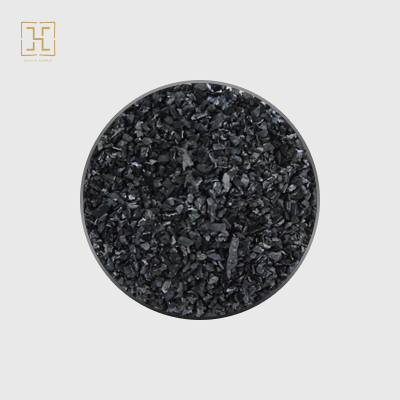
Understanding the Quality Parameters of 8-30 Mesh Crushed Coal Carbon
It is important to know the physical and chemical properties of coal-based activated carbon when assessing it. The mesh size number is directly related to the size of the particles and how well they work in manufacturing processes.
Particle Size Distribution and Surface Area Optimization
The name "8-30 mesh" means that particles can pass through an 8-mesh screen with openings that are about 2.36 mm wide but stay on a 30-mesh screen with openings that are about 0.60 mm wide. The best mix between surface accessibility and mechanical support is found in this area. Smaller particles in this range have larger specific surface areas, usually between 900 and 1100 m²/g. This means they can directly absorb more substances. The even spread of particles stops channelling in fixed-bed systems, which is a common issue that can lower treatment efficiency by up to 15% for materials that aren't graded well.
Critical Chemical Properties Affecting Adsorption
The main way to tell if something can adsorb something is by its carbon level. Premium 8-30 mesh coal quality crushed carbon made from Jurassic anthracite coal usually has more than 85% fixed carbon. Ashes with a content of less than 8% don't get in the way of binding sites much, and moisture levels below 5% keep pores from getting clogged and keep performance stable. Hardness values above 90% ensure durability during handling and regeneration processes, which lowers running costs by increasing service life.
Industry Standards and Testing Protocols
Standardised testing methods are used for quality assurance. ASTM D2862 tests for wear resistance, which ensures that the material will stay mechanically sound during backwashing processes. The ASTM D4607 iodine number test measures the micropore capacity. Values between 800 and 1100 mg/g show good small-molecule binding. Carbon tetrachloride (CTC) activity tests how well volatile organic compounds can be removed, which is especially important for gas-phase uses. With these benchmarks, procurement workers can compare suppliers in an unbiased way and include performance requirements in buy deals.
Adsorption Performance of 8-30 Mesh Coal Carbon: Scientific Insights
Coal-based activated carbon can adsorb things using both physical van der Waals forces and chemical interactions. This makes it a flexible treatment that can be used in a wide range of situations.
Microporous Structure and Molecular Capture
When activated, 8-30 mesh coal quality crushed carbon forms a large network of pores inside it. Micropores with a width of less than 2nm offer high-energy binding sites that are perfect for catching small molecules like chlorine, hydrogen sulphide, and light volatile organics. The medium mesopore ratio (2-50nm) makes it easier for bigger molecules, like colour bodies and colloidal matter, to move to binding sites inside the material. This two-pore system is what makes the material so good at getting rid of over 85% of COD in city wastewater, even when there are a lot of complex organics in it.
Quantified Performance in Industrial Applications
Data from wastewater treatment plants in cities shows that they consistently do a good job. Using the right-sized carbon beds, systems that deal with COD amounts between 300 and 800 mg/L can lower them to below 50 mg/L. In printing plants that use VOCs control methods, removal rates of more than 90% have been shown for amounts between 150 mg/m³ and 400 mg/m³. The material has a low packing density deviation (less than 5%), which makes the hydraulic behaviour predictable. This lets engineers correctly model the system's performance during the design process.
Impact of Impurities on Treatment Efficacy
When the moisture level is above 8%, it takes up more space in the pores and makes mass transfer more difficult. When the ash level rises, inactive material is introduced and moves to active carbon sites. When sulphur compounds are present in amounts greater than 0.5%, they can leak into cleaned water when certain pH conditions are met. These things show how important choosing the right raw materials and making sure the quality of the production process is in figuring out how well something works in the real world.
Comparison: 8-30 Mesh Crushed Coal vs. Other Mesh Sizes and Types
Finding the right mesh size means finding a balance between adsorption rates, pressure drop, and the needs of the application. Different types of particles are used for different tasks.
Performance Trade-offs Across Mesh Ranges
It is better to use coarser materials, like 4-8 mesh, for uses that need to handle a lot of volume with little touch time because they have lower pressure drop and higher flow rates. But because they have less surface area per unit volume, they can't hold as much. On the other hand, sizes smaller than 30 mesh increase surface area but cause too much backpressure in fixed-bed systems and increase the chance of particle carryover at normal flow speeds. For mixed-bed systems working at medium-low flow rates (0.8–1.2 m/s), the 8–30 mesh range is ideal because it allows enough touch time without limiting flow.
Cost-Efficiency Analysis
The cost per kilogram of procurement usually goes up as particle size goes down because more processing is needed. Although it costs a modest amount, 8-30 mesh coal quality crushed carbon works just as well in many situations as finer sizes. Longer service life due to high strength and low wear loss (less than 2%) lowers the number of replacements needed, which lowers the total cost of ownership. When moving from single-mesh goods, facilities that process 100 to 500 m³/day usually see their money back in less than 18 months.
Supplier Quality Variations and Certification
How a product is made has a big effect on how consistent it is. Suppliers with ISO 9001-certified sites that do strict batch testing give more consistent results. Companies that do a lot of research with other organisations, like state research institutes, often offer expert help for application optimisation. Checking standards like ISO 14001 for environmental management and NSF/ANSI Standard 61 for drinkable water contact make sure that rules are followed in all areas.
Procurement Considerations: Selecting High-Adsorption 8-30 Mesh Crushed Coal Carbon
When you do strategic buying, you have to look at more than just the starting price. Performance dependability, supply consistency, and expert help are all important to the success of a project.
Evaluating Technical Specifications
Ask for thorough sheets with information about the iodine number, CTC activity, ash level, hardness, and particle size distribution. Set acceptance standards that meet the needs of your business. Quality risk is reduced when samples are tested by a separate lab before being bought in bulk. Compare the specs to the application standards. For example, iodine levels above 900 mg/g are usually needed to purify drinking water, but 800 mg/g material may work just fine in some industrial settings and be cheaper.
Delivery Logistics and Inventory Management
Production capacity and stock supply have a direct effect on how long a job takes to finish. Standard orders can usually be filled within 7 to 15 days by suppliers who keep stock in various area warehouses. Lead times may be extended to 15 to 30 days for customised specs that need different activation settings. Set up a framework that deals with fast delivery terms for when things go wrong. For example, some manufacturers offer three-day rush fulfilment for important projects. Being close to transport hubs lowers freight costs and carbon emissions, which is especially important for projects that need to meet environmental standards.
Long-Term Partnership Value
When suppliers offer expert consulting services, they add value beyond just delivering goods. System performance is improved by having access to application experts who can suggest the best bed depth, touch time, and regeneration routines. When it comes to fixing business problems, companies that have been making things for 60 years or more bring historical knowledge. In certain situations, being able to customise things like OEM logos and recipe changes for certain contaminants can give you a competitive edge.
Enhancing Adsorption Performance: Best Practices and Future Trends
Activated carbon systems work best and last longer when they are handled, stored, and used according to the right rules.
Storage and Pre-Treatment Protocols
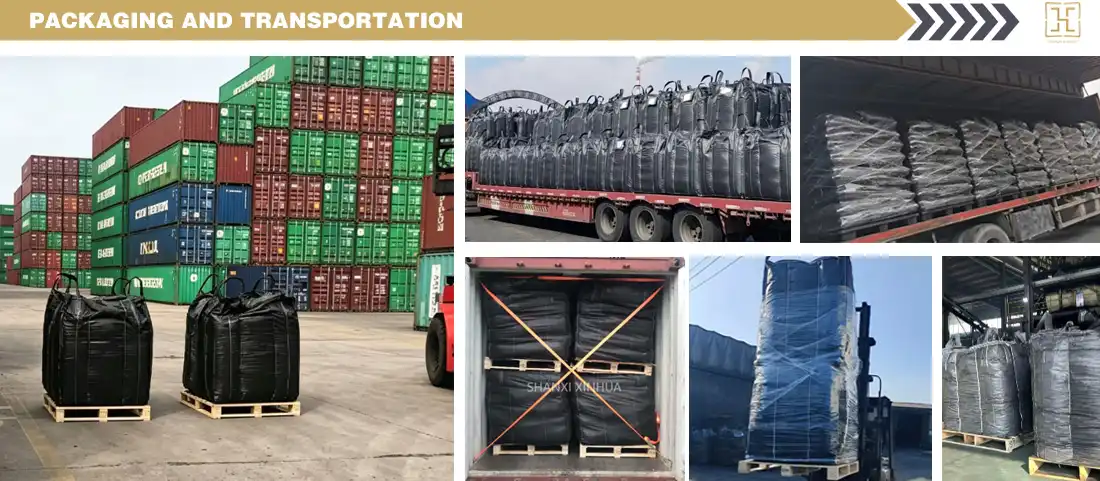
Keep 8-30 mesh coal quality crushed carbon in covered packages that are kept in dry, well-ventilated places away from chemicals that can catch fire. High humidity makes pores full, which lowers the usable volume by 10 to 15 percent. Before starting up the system, backwash it thoroughly for 15 to 20 minutes to get rid of any shipping fines that might cause haze. A 24-hour filling time lets all the pores fill with water and moves the air around, which stops "black water" problems during the first few hours of use.
Regeneration and Sustainability Considerations
Thermal reactivation brings back 85–95% of the original adsorption capacity in 8-30 mesh coal quality crushed carbon, which makes it a cost-effective method for large-scale processes. Facilities that process more than 50 tonnes of waste a year should look into on-site or area services for recycling. New technologies for low-temperature recovery use 30–40% less energy than old ways that use high temperatures. As rules about the environment get stricter around the world, sustainable buying policies give more weight to suppliers who make goods with smaller carbon footprints during production.
Emerging Technologies and Market Directions
Using advanced modification methods that include catalytic elements helps break down chemicals that are hard to break down, such as PFAS and pharmaceutical residues. When companies invest in R&D partnerships with universities and study centers, it leads to new ideas in specific areas. Market trends show that there is a growing need for approved sustainable goods that meet stricter environmental standards. Using lifecycle assessment and seller environmental performance in procurement strategies will help companies stick to their green goals while keeping treatment effectiveness high.
Conclusion
8-30 mesh coal quality crushed carbon in the 8-30 mesh range has been shown to have good adsorption performance thanks to its well-balanced particle size distribution, well-developed pore structure, and strong mechanical qualities. The material works well for a wide range of treatment problems in city water systems, commercial wastewater facilities, and VOCs control uses. The success of procurement relies on carefully reviewing specifications, making sure that suppliers meet quality standards, and building smart partnerships. Environmental engineers and procurement professionals can set up dependable, effective adsorption systems that meet legal standards and minimise running costs by balancing technical needs with cost concerns and goals for sustainability.
FAQ
How do you measure how well activated carbon adsorbs things?
Standardised tests measure adsorption performance by looking at things like iodine number (which shows micropore capacity for small molecules), CTC activity (which shows VOCs adsorption), and methylene blue value (which shows mesopore structure for bigger molecules). In the real world, figuring out how well something works means using breakthrough curve analysis to track the amount of contaminants in the waste over time until saturation is reached.
Can this material be used in more than one field?
Of course. The 8-30 mesh particle range is used to clean drinking water in cities, treat wastewater from industries like food processing and electroplating, control small to medium-sized volatile organic compounds (VOCs) in printing and painting, and help chemical catalysts work better. The flexibility comes from the balanced hole structure, which lets molecules of both small and medium sizes fit.
What external factors affect the choice of product?
Material choosing is based on following the rules. For products to be used with drinking water, they need to meet NSF/ANSI Standard 61, show that they have low leachable material, and keep the pH level of water systems balanced. More and more, buying policies favour providers who are ISO 14001 certified and show their carbon footprint clearly. This is done to balance treatment effectiveness with environmental performance.
Partner with Shanxi Xinhua Carbon Technology for Superior Adsorption Solutions
Shanxi Xinhua Carbon Technology Industry Co., Ltd. has been making activated carbon for more than 60 years and can help you with your toughest cleaning problems. With ISO 9001, ISO 14001, and ISO 45001 certifications, our 8-30 mesh coal quality crushed carbon supply network guarantees stable product quality. Our materials make a real difference in the performance of local and commercial systems because they have less than a 5% packing density deviation and are proven to remove 85% or more of COD. Multiple production sites in China keep a large inventory, which allows for normal delivery in 7–15 days and fast three-day fulfilment for urgent projects. Technical consulting services help improve applications, and customisation options meet the needs of specific treatments. Email our team at greta@carbonxinhua.com to talk about your unique adsorption needs and ask for examples that have been tested for performance.
References
1. American Water Works Association. (2021). AWWA B604 Standard for Granular Activated Carbon. Denver: AWWA Publications.
2. Bansal, R.C., & Goyal, M. (2005). Activated Carbon Adsorption. Boca Raton: CRC Press.
3. Cheremisinoff, N.P., & Ellerbusch, F. (1978). Carbon Adsorption Handbook. Ann Arbor: Ann Arbor Science Publishers.
4. Marsh, H., & Rodríguez-Reinoso, F. (2006). Activated Carbon: Properties and Applications. Amsterdam: Elsevier Science.
5. Sontheimer, H., Crittenden, J.C., & Summers, R.S. (1988). Activated Carbon for Water Treatment. Karlsruhe: DVGW-Forschungsstelle.
6. U.S. Environmental Protection Agency. (2019). Granular Activated Carbon Treatment Technology Assessment. Washington: EPA Office of Water.

Send Inquiry
You may like
_1781662034490.webp)