_1778553121707.webp)
Differences between 200 mesh and 325 mesh PAC applications
Jul 09, 2026
Mesh size is more important than most buying teams think when asking for powdered activated carbon to clean air or treat water in factories. The main differences between 200 mesh and 325 mesh PAC are the speed of absorption, the amount of surface area available, and the cost of running. If you choose 325 Coal Quality Powder Carbon, which has smaller particles, it will remove contaminants faster and give you more accurate results in high-purity uses. On the other hand, 200 mesh is better for bulk treatment because it is less expensive. To make sure that product standards are in line with project needs, legal requirements, and price limits, it is important to understand these differences.
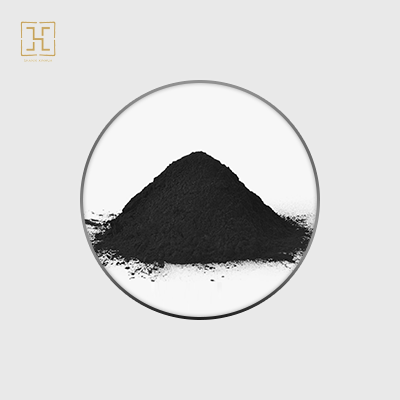
Understanding 200 Mesh and 325 Mesh PAC: Composition and Characteristics
Defining Mesh Size and Particle Dimensions
The mesh size of a sieve screen tells you how many holes are in one linear inch. There are 200 holes in an inch of a 200 mesh screen, which makes particles with an average width of 74 microns. A 325 mesh screen, which has 325 holes per inch, makes particles that are about 44 microns in size. Because the particles are smaller, there is more surface area on the outside that can be adsorbed. This is why 325 mesh PAC often works better than larger grades in situations where contaminants need to be taken in quickly.
Impact on Physical and Chemical Properties
When compared to 200 mesh versions, 325 Coal Quality Powder Carbon has finer bits that have more surface area per unit mass. This means that the adsorption process happens faster, especially for small-molecule pollutants like chlorine, volatile organic chemicals, and trace drugs. But smaller particles can also be a problem in systems that use sedimentation and filtering, where too much dust can make it harder to separate solids from liquids. 200 mesh PAC, on the other hand, is a good mix between how well it absorbs carbon and how easy it is to handle. This lowers the risk of carbon getting into cleaned water or process streams.
Coal Quality Standards and Purity Considerations
High-quality bituminous or anthracite coal is used to make both kinds of mesh, including 325 Coal Quality Powder Carbon, but the activation process and quality control rules are different for each. Premium 325 mesh goods go through tighter screening to make sure they have a uniform pore structure and low ash content. This makes them ideal for businesses that have strict purity standards. For instance, companies that make drinks and medicines depend on ultra-fine PAC to get rid of colours and impurities without adding new contaminants. On the other hand, 200-mesh types, which can handle a little more ash, are still a good deal for treating city water and industrial wastewater where purity is not as important.
Industrial Applications: When to Use 200 Mesh vs 325 Mesh PAC
Suitability of 200 Mesh in Robust Treatment Scenarios
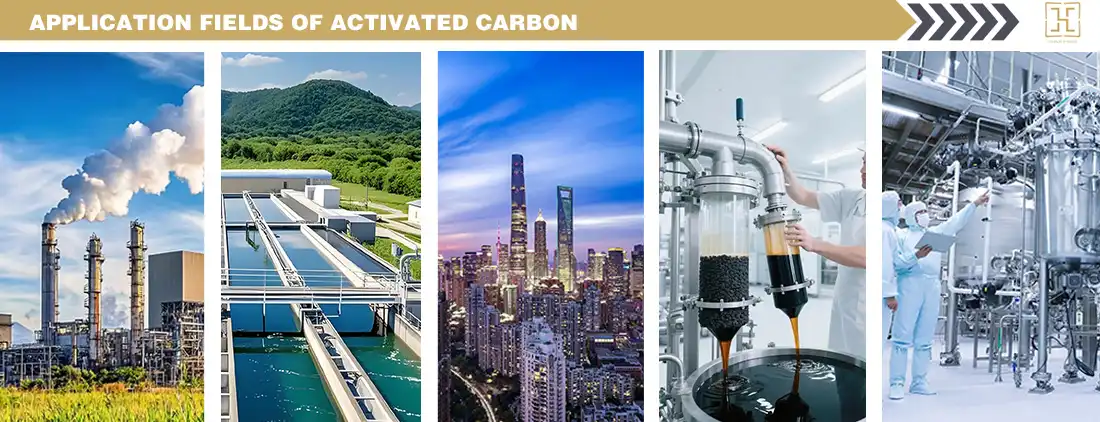
200 mesh PAC is often used in municipal water plants, petrochemical factories, and energy centers because it is cost-effective and reliable. The bigger particles settle more quickly in clarifiers and sedimentation ponds, so you don't need as much high-tech filtering gear. In flue gas treatment, 200 mesh coal-based PAC is put into baghouse systems to remove heavy metals and lingering organic pollutants. Its mesoporous structure enables it to handle combinations of different pollutants. Its density and particle distribution make it less likely that dust will explode while it is being moved and dosed, which is an important safety factor in high-volume industrial settings.
Enhanced Performance of 325 Mesh in High-Precision Purification
Pharmaceutical companies, technology factories that make ultrapure water, and companies that make high-end drinks like 325 Coal Quality Powder Carbon, because it can absorb more and move faster. Small-molecule toxins, such as dissolving organics, taste and odour compounds, and chemicals that mess with hormones, are removed faster when the particles are smaller. In emergency situations, like when public water systems are suddenly contaminated, 325 mesh PAC can be dosed at lower concentrations to get the same purification results as bigger doses of 200 mesh. This cuts down on the production of sludge and the cost of getting rid of it. Because it works so well, it is essential in situations where accuracy, speed, and following the rules all need to be met.
Comparative Performance Metrics
Procurement Considerations: Quality, Price, and Supply Chain for 200 vs 325 Mesh PAC
Pricing Dynamics and Cost-Performance Analysis
More grinding and sorting steps are needed to make 325 mesh PAC, where 325 Coal Quality Powder Carbon is commonly used as the raw material, which usually makes the per-ton cost 10–20% higher than for 200 mesh grades. This difference in price can have a big effect on project budgets for large city contracts that consume significant energy every month. However, because 325 mesh is more efficient, it is often possible to use lower dose rates. This can help offset the higher initial price by saving money on chemicals and sludge removal. Total cost of ownership studies should be conducted by procurement managers, taking into account factors such as adsorption performance, handling convenience, and waste management costs.
Supply Chain Reliability and Lead Times
Shanxi Xinhua Carbon Technology Industry always has enough 200 and 325 Coal Quality Powder Carbon in stock at all of our production sites in Shanxi, Ningxia, Fujian, and Xinjiang. Normal orders are completed in seven to fifteen days, but for pressing projects that need to meet compliance standards, they can use our green route for faster delivery in seventy-two hours. Our strategic sites near major logistics hubs allow us to ship across the country within three to seven days with our specialised fleet. We also offer global multimodal transport solutions to meet the needs of foreign buyers. Customised protective wrapping is included with every package to keep moisture from getting inside and particles from breaking down while they're in transit.
Quality Verification Protocols
Environmental and Performance Benefits of Choosing the Right Mesh Size
Sustainability and Ecological Footprint
Making particles with a smaller 325 mesh uses a little more energy because the milling process takes longer, but this is balanced out by using less material in the end. Lower doses mean lower carbon emissions per unit of cleaned water or purified gas, which is in line with the sustainability goals of the company. Both sizes of mesh come from renewable coal sources and can be thrown away easily or co-processed in waste-to-energy plants, which reduces the damage to landfills. Our production processes follow the rules set by ISO 14001 for environmental management. This makes sure that we use responsible methods for getting materials and making products.
Operational Efficiency and Cost Savings
Choosing the right mesh size has a direct effect on how long the system works and how often it needs to be maintained. In water treatment plants, 200 mesh PAC makes it easier to separate things, which lowers the number of times the filter needs to be backwashed and increases the media's life. On the other hand, the fast rates of 325 Coal Quality Powder Carbon allow for shorter contact times in batch treatment systems. This increases output without the need to build more infrastructure. It takes different amounts of energy to pump and mix different types of materials. For example, smaller particles need stronger mixing to keep them from settling, while larger grades can be spread out more easily in rough flow conditions. All of these things affect practical costs over the long term.
Case Studies and Real-World Examples
Municipal Water Treatment Success with 200 Mesh PAC
Pharmaceutical Manufacturing Precision with 325 Mesh PAC
To meet FDA certification guidelines, a company that makes injectable drugs needs to process water with very low amounts of organic carbon. Standard 200 mesh PAC gave good results, but it needed bigger doses, which raised the risk of ash exposure. Switching to Shanxi Xinhua's 325 Coal Quality Powder Carbon cut dosing by 30% while increasing the rate of waste removal by 22%. The finer particle distribution made sure that all contaminants were removed during microfiltration. This stopped validation failures and sped up production plans. This steady performance made our name as a reliable partner in important pharmaceutical projects even stronger.
Conclusion
Choosing between 200 mesh and 325 mesh powdered activated carbon depends on how well they absorb things, how easy they are to handle, and how much they cost to own overall. 200 mesh has been shown to be reliable in industry and community settings that value cost-effectiveness and ease of use. 325 Coal Quality Powder Carbon, on the other hand, works best for precise cleaning tasks where speed, surface area, and low doses are very important. Buying teams can get a competitive edge by choosing the right mesh based on the types of contaminants, the infrastructure for treatment, and government rules. This makes sure that the best results are achieved in water treatment, air cleaning, and industrial processing.
FAQ
How do I choose between 200 mesh and 325 mesh for my water treatment plant?
Do a jar test with your source water to see how fast the colours fade, how the water settles, and how much of each mesh size you need to use. If your system has good settling or clearing, 200 mesh might be enough. If you need fast treatment or great purity, 325 mesh works better than anything else.
Can 325 mesh PAC be used in flue gas treatment systems?
The 325 mesh has a lot of surface area, but its smaller bits may cause baghouse filters to lose too much air. To get the best of both adsorption and filtering, most waste incineration and industrial flue gas uses prefer 200 mesh or speciality coarser types made for dry injection systems to balance adsorption and filtration efficiency.
What safety precautions apply when handling fine mesh PAC?
Both mesh sizes pose dust explosion risks in tight areas with ignition sources. Keep it in a cool, dry place away from oxidisers, move it with explosion-proof gear, and follow the right grounding rules. When dealing, it is important to wear personal safety equipment like respirators and clothes that don't attract static electricity.
Partner with a Trusted 325 Coal Quality Powder Carbon Supplier
The Shanxi Xinhua Carbon Technology Industry has been making activated carbon for over sixty years and has defense-grade experience. They work with environmental engineers, procurement managers, and R&D teams all over the world. Our 325 Coal Quality Powder Carbon source network includes four production bases that can produce 45,000 tonnes of carbon every year. This makes sure that industry orders of tonnes of carbon are always met and that emergency purchases can be made quickly. We offer customised pore structures, filled catalysts, and formulas that meet ISO 9001, ISO 14001, and ISO 45001 standards thanks to our work with Tsinghua University and the Chinese Academy of Sciences. Contact our team at greta@carbonxinhua.com to get detailed datasheets, set up jar testing samples, or talk about the terms of large purchases. Let us improve your supply chain by providing dependable shipping, clear paperwork, and performance-based solutions that are specifically designed to solve your purification problems.
References
1. American Water Works Association. (2018). AWWA B600-18 Standard for Powdered Activated Carbon. Denver: AWWA Publications.
2. Bansal, R.C., & Goyal, M. (2005). Activated Carbon Adsorption. Boca Raton: CRC Press.
3. Cheremisinoff, N.P., & Ellerbusch, F. (1978). Carbon Adsorption Handbook. Ann Arbor Science Publishers.
4. Crittenden, J.C., et al. (2012). MWH's Water Treatment: Principles and Design (3rd ed.). Hoboken: John Wiley & Sons.
5. Marsh, H., & Rodríguez-Reinoso, F. (2006). Activated Carbon. Amsterdam: Elsevier Science.
6. U.S. Environmental Protection Agency. (2020). Powdered Activated Carbon for Drinking Water Treatment. EPA Technical Guidance Document.

Send Inquiry
You may like
_1781662034490.webp)