_1778553121707.webp)
CTC80 Coal Columnar Charcoal Solutions for Large-Scale Filtration Systems
Aug 26, 2026
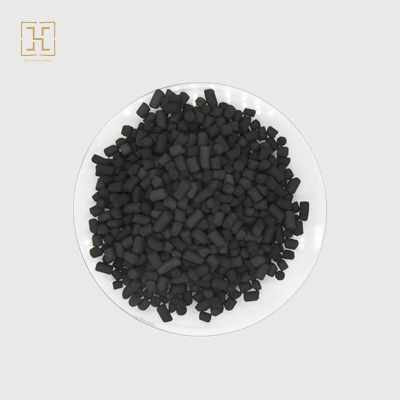
When industrial filtration systems face persistent challenges—premature breakthrough, inadequate VOC removal, or frequent media replacement—the root cause often lies in the adsorption material itself. CTC80 Coal Columnar Charcoal represents a specialized activated carbon solution engineered to address these exact pain points in large-scale industrial environments. This cylindrical columnar activated carbon, manufactured from high-quality anthracite through precise steam activation, achieves a minimum CTC adsorption value of 80%, signaling exceptional microporous development. Industrial facilities managing volatile organic compounds, toxic gas streams, and solvent recovery operations increasingly depend on this material to sustain compliance, reduce operational costs, and extend service intervals between media changes.
Introduction
Choosing the right filtration media can make the difference between your gas treatment system meeting government standards and failing during key production times. The CTC80 Coal Columnar Charcoal improves adsorption rates, mechanical longevity, and the efficiency of contaminant capture. These changes lead to lower total cost of ownership and higher system reliability. This article explains to B2B buyers, environmental engineering managers, and R&D engineers what this high-performance material is made of, how to get it, the benefits it offers in terms of performance, and the best ways to use it in demanding filtration infrastructure. Whether you run a petrochemical factory, a local water treatment plant, or an industrial air cleaning system, knowing what this type of activated carbon can do will help you make smart choices about where to get it that will save you money and improve performance.
Understanding CTC80 Coal Columnar Charcoal: Composition, Characteristics, and Making Process
Raw Material Selection and Activation Technology
The quality anthracite coal used to make CTC80 Coal Columnar Charcoal was chosen for its naturally pure carbon and strong structure. The first step in making something is carefully choosing the coal. Each batch is carefully screened to make sure it has a low ash content and a high fixed carbon level. After being crushed and mixed, the coal is extruded into uniform cylindrical forms that are usually 1.5mm, 3.0mm, or 4.0mm in diameter. This is followed by controlled carbonization in special ovens. When steam is activated at high temperatures, the internal pore network grows. This makes the rich microporous structure that is needed to absorb organic vapor.
Critical Physical and Chemical Properties
The scientific data for the material says that it has a CTC adsorption value of ≥80%, which means that it can absorb 80% of its own weight in carbon tetrachloride vapor under normal test circumstances. This high amount of activity is linked to a BET surface area of 1000 to 1100 m²/g and an iodine number that is usually higher than 900 mg/g. Mechanical strength ratings of 96% or more make sure that the columnar structure can handle the physical stresses of deep-bed filtration without breaking down too much, which would cause the pressure to drop and dust to form. The ash content stays below 7%, the moisture content stays below 10%, and the pH stays between 7.0 and 10.0. This keeps it compatible with chemical processes that are sensitive and reduces catalytic interference.
Quality Control Protocols
According to ASTM and GB guidelines, every output batch goes through a lot of tests. Ball-pan hardness tests show that the material is durable, particle size distribution analysis shows that the particles are all the same size, and CTC activity readings show that the material can absorb things. Each package comes with a certificate of analysis that makes it possible to track it and guarantee its performance. This defense-grade quality control infrastructure has been improved over many years to ensure consistency from batch to batch. This is very important when handling large-scale industrial operations where filtration failures pose big financial and legal risks.
Why CTC80 Coal Columnar Charcoal Excels in Large-Scale Filtration Systems
Superior Adsorption Capacity and Kinetics
This material is different from lower-grade options because it has an 80% CTC rating. Compared to different types of CTC60, CTC80 has about 33% more adsorption capacity per unit volume. This means that breakthrough times are longer and media replacements happen less often. Low-molecular-weight organic compounds like benzene, toluene, xylene, acetone, and ethanol are easily captured by its highly developed micropore structure, even at very low concentrations. In industrial exhaust systems that use high-velocity gas streams, the columnar form factor reduces channeling while keeping pressure drop low. This improves both dynamic performance and energy usage.
Durability Under Harsh Industrial Conditions
There are a lot of tough conditions in industrial filtration environments, including changes in temperature and humidity, corrosive gas mixtures, and mechanical vibrations. The high hardness grade and low wear rate (≤2.5%) of CTC80 make its structure strong. It keeps the bed from collapsing and keeps its integrity over long service cycles. This material works well in petrochemical settings where temperatures can drop quickly, or there are acidic gases present, while softer carbons would break down quickly.
Comparative Performance Against Alternatives
When compared to activated carbon from coconut shells, CTC80 has clear benefits in gas-phase uses. Because it has more macropores, coconut shell carbon is better at cleaning liquids, but coal-based columnar carbon is better at collecting volatile organics and low-molecular-weight gases because it has more micropores. When compared to granular carbons that have different shapes, the uniform columnar geometry lowers pressure drop by up to 20%. This directly lowers the cost of fan energy in large-scale air treatment systems.
Real-World Case Validation
A coatings factory in the Midwest of the United States switched from a lower-grade activated carbon to CTC80 as part of their VOC abatement system. Monitoring after installation showed a 40% increase in service life before breakthrough. This means that two fewer replacements are needed each year, which saves a lot of time and effort. A local water treatment plant also said that it was better at getting rid of taste and odor compounds, meeting tougher organoleptic standards without having to redesign the system.
Procurement Insights: How to Source Quality CTC80 Coal Columnar Charcoal for Your Filtration Needs
Evaluating Supplier Credentials and Manufacturing Standards
Verifying the seller is the first step in reliable purchasing of CTC80 Coal Columnar Charcoal. Look for suppliers that hold certifications such as ISO 9001, ISO 14001, or ISO 45001, as these can demonstrate established systems for quality management, environmental management, and occupational safety. When evaluating a CTC80 Coal Columnar Charcoal supplier, companies that participate in research projects with universities or recognized laboratories may also demonstrate strong technical capabilities and a commitment to product development. Reviewing previous production records is another important step when sourcing CTC80 Coal Columnar Charcoal. Suppliers with extensive experience in industrial applications may have more established quality-control procedures than companies that are new to the market. Before purchasing CTC80 Coal Columnar Charcoal, procurement teams should also review product specifications, testing documentation, production consistency, and quality-assurance procedures. Choosing a qualified supplier of CTC80 Coal Columnar Charcoal can help reduce procurement risks and support reliable long-term supply.
Assessing Supply Scalability and Inventory Capacity
Large-scale industrial businesses can't handle problems with their supplies. Check to see if potential sources have more than one production base with extra manufacturing space. When suppliers keep a lot of stock of different product specs, they can quickly fill pressing orders, which is very important when compliance deadlines are coming up or equipment breaks down. Ask about normal arrival times (7–15 days for in-stock things) and faster choices (3-day green channels for emergencies).
Global Logistics and Delivery Infrastructure
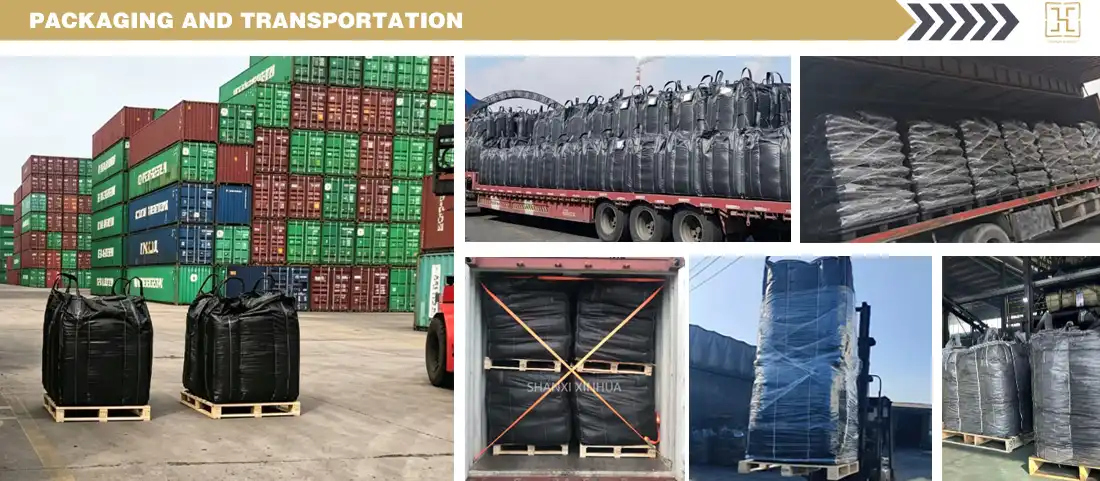
Transportation operations have a big effect on both the total cost of landing and the dependability of delivery. When you buy from suppliers near major ports or rail hubs, you can choose from different types of transportation. For example, sea freight is a cost-effective way to ship large amounts of goods, and air freight is best for sending packages quickly. Real-time tracking systems, custom-made protective packaging, and full customs support make it easier for procurement teams to do their work. When buying from suppliers outside of your country, make sure they give you all the paperwork you need to get through customs easily. This includes certificates of origin, material safety data sheets, and quality certifications.
Cost-Value Analysis and Pricing Transparency
The initial price per ton is important, but the total cost of ownership gives a more true view of the economic picture. Higher-performance materials, like CTC80, cost more than CTC60 but last longer and remove contaminants better, so they don't need to be replaced as often and could save you money in fines from the government. Ask for specific quotes that break down the costs of the materials, shipping, packing, and any customization fees. Suppliers who are honest and willing to work with you should have clear pricing structures and be willing to negotiate volume discounts.
Environmental and Operational Impact of Using CTC80 Coal Columnar Charcoal
Sustainability Profile and Eco-Conscious Production
Environmental responsibility is becoming more and more important in modern activated carbon production. Closed-loop steam recovery systems are used by top companies to cut down on water use and energy output. Extra processes are powered by waste heat from activation furnaces, which lowers the carbon footprint per ton made. When looking at suppliers, find out about their environmental certifications and how they report on sustainability. Materials that support thermal regeneration, like CTC80's high mechanical strength, allow for multiple reuse cycles. This dramatically lowers the amount of new material needed over the system's lifetime.
Operational Safety and Handling Considerations
Activated carbon is usually safe, but it needs to be handled in a certain way. The material's large surface area makes it likely to catch fire on its own if it comes into contact with heat sources while full of organics with a low flash point. To stop the growth of microbes, storage places must have enough airflow, stay away from sources of ignition, and control wetness. Operational risks can be reduced by teaching employees the right way to load and respond in an emergency. When compared to powdered carbons, high-hardness columnar forms are easier to handle because they produce less dust, which lowers the risk of respiratory harm.
Maintenance Scheduling and Downtime Reduction
Filtration systems work well when they receive regular maintenance at scheduled intervals. Because CTC80 Coal Columnar Charcoal can provide extended breakthrough times in suitable applications, facilities may be able to replace the media during planned maintenance windows instead of responding to unexpected saturation events. Monitoring the pressure drop across adsorption beds can help identify when CTC80 Coal Columnar Charcoal is approaching saturation, allowing operators to take corrective action before treatment performance is significantly affected. Facilities that use compatible thermal or steam regeneration processes may also restore part of the adsorption capacity of CTC80 Coal Columnar Charcoal on-site, potentially reducing disposal costs and extending media service life. With proper monitoring and maintenance, CTC80 Coal Columnar Charcoal can contribute to more predictable filtration performance and more stable long-term operating costs. These operational advantages make CTC80 Coal Columnar Charcoal a practical option for adsorption systems where consistent performance and planned maintenance are important.
How to Maximize the Performance of CTC80 Coal Columnar Charcoal in Filtration Systems
Installation Best Practices
The best success starts with the right application. Before filling, check the vessels for moisture entry, structural damage, or contaminants left over from earlier media. Do a pre-wash or air-blow on the carbon to get rid of small particles that could cause pressure drop spikes at the start. Load the material evenly to avoid channeling, and make sure the bed is deep enough (usually at least 18 inches) to give the substances enough time to adsorb. Put in place upstream dust screens to keep the carbon bed from getting clogged, which would lower its ability to absorb things and speed up saturation.
Routine Maintenance and Monitoring Protocols
Set up regular tracking plans to keep an eye on the concentrations at the inlet and exit, the drop in pressure, and the temperature of the bed. If the pressure drop suddenly increases, it means that the bed is getting compacted or that particles are loading up. If contaminants start to move into the exit stream, it means that the system is saturated. By installing constant monitoring devices, operators can evaluate performance in real time and take action before legal limits are exceeded. Keep track of all maintenance tasks to create a performance history that will help with future decisions about buying new parts and making the system work better.
Integration with Complementary Filtration Components
Using multiple filtering technologies together is often needed to get the most out of a system. Upstream knockout drums get rid of large amounts of liquids, which stops liquid slugging that would flood the carbon bed. Pre-filters catch particles and droplets, which makes carbon last longer. Any extra dust that comes off the carbon bed is caught by downstream cleaning screens. To get rid of certain contaminants, you could use carbons that have been catalytically impregnated or layer different media grades to deal with complex gas mixtures. Customizing the filtration train to the problem at hand improves both performance and efficiency.
Emerging Technologies and Future Applications
Activated carbon technology keeps getting better. The goal of research into chemically changed carbons is to make them better at getting rid of certain pollutants, such as mercury, hydrogen sulfide, or ammonia. Combining activated carbon with photocatalytic oxidation or plasma treatment could make it easier to get rid of chemicals that are hard to get rid of. When businesses invest in regenerable systems, they lower their costs and their impact on the environment while keeping their performance high. Keeping up with these changes puts buying teams in a good situation to use new ideas that give them a competitive edge.
Conclusion
CTC80 Coal Columnar Charcoal meets the tough performance needs of large-scale industrial filtration with its high adsorption capacity, long mechanical life, and dependability in operation. When procurement professionals look at this material, they can access tried-and-true technology that can extend service intervals, make sure regulations are followed, and lower the total cost of ownership across a wide range of applications, such as gas purification, water treatment, and VOC abatement and solvent recovery. Consistent material performance and supply continuity are guaranteed by strategic buying from qualified providers with strong quality systems, flexible production capacity, and responsive transportation infrastructure. Industrial facilities can get the most out of this high-performance adsorption media by following best practices for installation, regular tracking, and system optimization strategies. This sets up processes for long-term environmental and economic success.
FAQ
What does the '80' in CTC80 specifically represent?
The number '80' means that the carbon can absorb 80% of its own weight in carbon tetrachloride vapor under standard test conditions (ASTM D3467). This shows that it has a lot of tiny pores and can really soak up organic vapor.
How does CTC80 compare to CTC60 activated carbon?
CTC80 has about 33% more adsorption capacity than CTC60. This means that it will last longer, work better in low-pollutant environments, and need to be replaced less often, all of which directly lead to lower operational costs.
Can this carbon be regenerated and reused?
Yes, CTC80 can be used for more than one thermal or steam regeneration cycle because it has a high mechanical strength (≥96%) and is thermally stable. This lowers the total cost of ownership and the environmental impact of waste.
Is CTC80 effective in high-humidity conditions?
Even when the relative humidity is as high as 70%, the highly developed micropore structure of CTC80 is still able to catch a lot of organic matter. For best results, pre-drying the input gas streams improves performance.
How do I prevent dusting in my filtration system?
When you buy something, make sure it has a high hardness grade (≥95%) and a low wear rate (≤2.5%). Also, clean the system with air or wash it before putting it to use to get rid of any fines.
Partner with Shanxi Xinhua Carbon Technology Industry Co., Ltd. for Reliable CTC80 Coal Columnar Charcoal Supply
Shanxi Xinhua Carbon Technology Industry Co., Ltd. has been researching and developing activated carbon for more than 60 years and uses defense-grade production standards to make CTC80 Coal Columnar Charcoal that meets the strict needs of industrial filter systems all over the world. Working with Tsinghua University, the Chinese Academy of Sciences, and other top research centers allows us to keep coming up with new ways to improve performance, make pore structures better, and change catalysts. With ISO 9001, ISO 14001, and ISO 45001 certifications, we make sure that all of our production bases in Shanxi, Ningxia, Fujian, and Xinjiang follow strict quality control standards. We also make sure that all of our core products are in stock and that standard delivery takes 7–15 days, but we offer faster options if needed. As a reliable provider of CTC80 Coal Columnar Charcoal, we can make changes to the particle size, pore structure, and added components to meet the needs of your particular application. Email our technical team at greta@carbonxinhua.com to talk about your filtration problems, get product samples, or get specific technical information that will help you make safe purchasing choices.
References
1. American Society for Testing and Materials. Standard Test Method for Determination of Carbon Tetrachloride Activity of Activated Carbon. ASTM International, 2019.
2. Bansal, Roop Chand, and Meenakshi Goyal. Activated Carbon Adsorption. CRC Press, 2005.
3. Marsh, Harry, and Francisco Rodríguez-Reinoso. Activated Carbon. Elsevier Science, 2006.
4. Ruthven, Douglas M. Principles of Adsorption and Adsorption Processes. John Wiley & Sons, 1984.
5. Yang, Ralph T. Adsorbents: Fundamentals and Applications. John Wiley & Sons, 2003.
6. Derbyshire, Frank, et al. Activated Carbons: Production, Characterization and Applications. Royal Society of Chemistry, 2001.

Send Inquiry
You may like
_1781662034490.webp)