_1778553121707.webp)
CTC80 Coal Columnar Charcoal for High Performance Water Purification
Sep 11, 2026
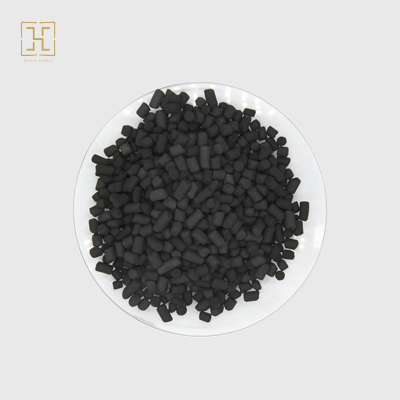
When industrial water treatment facilities face mounting regulatory pressure and contaminant challenges, selecting the right activated carbon becomes mission-critical. CTC80 Coal Columnar Charcoal represents a precision-engineered solution manufactured from premium anthracite coal through rigorous steam activation and extrusion processes. This cylindrical activated carbon achieves a minimum CTC adsorption value of 80%, signifying its ability to capture 80% of its weight in carbon tetrachloride vapor—a benchmark that directly translates to superior organic contaminant removal in municipal water plants, industrial wastewater facilities, and drinking water purification systems where compliance and safety cannot be compromised.
Understanding CTC80 Coal Columnar Charcoal and Its Key Properties
The best way to make this material starts with carefully choosing high-quality anthracite mines. These are then carbonized and activated by steam at temperatures that are carefully controlled. This process makes a microporous network that is evenly spread out inside the cylindrical shape. This gives the material a surface area that is usually higher than 1000 m³/g. The columnar shape, which comes in different sizes that can be customized, gives packed-bed filtration systems the best hydraulic properties while keeping the structure strong under working pressures.
Technical Specifications That Define Performance
To meet the strict CTC80 grade, our production sites always meet the exact parameter limits that are needed. The iodine adsorption value is over 900 mg/g, which means that the material has a lot of tiny holes that are perfect for catching small organic molecules that are dissolved in water. Standardized ball-pan hardness testing according to ASTM D3802 shows that the mechanical strength is higher than 96%. This keeps the material from breaking up and creating dust when water flows quickly over it. The ash content stays below 7%, which makes sure that it doesn't get in the way of adsorption sites too much and keeps treated water from getting contaminated again. The pH level stays between 7.0 and 10.0, the moisture content stays below 10%, and the abrasion rates stay below 2.5%. These are all important for keeping long-term operational efficiency in continuous water purification applications.
Manufacturing Process and Quality Assurance
When we make this special absorbent at Shanxi Xinhua Carbon Technology Industry Co., Ltd., we use over 60 years of study history and defense-grade quality standards. There are several quality checks in our production process: proximate analysis is used to screen the raw materials, real-time temperature mapping is used to track the activation profile, every production batch goes through post-production CTC testing according to ASTM D3467, and particle size distribution analysis is used to make sure that everything is the same. Each lot comes with a Certificate of Analysis showing that it meets the requirements of the ISO 9001, ISO 14001, and ISO 45001 management systems. It also comes with approval from the Shanxi Provincial Health Commission for use in drinking water safety applications. This paper trail gives procurement managers the records they need for regulatory reports and project checks so they can be tracked and checked.
Benefits and Performance of CTC80 Coal Columnar Charcoal in Water Purification
Using CTC80 Coal Columnar Charcoal can provide several operational benefits that directly affect total cost of ownership and treatment outcomes. The strong adsorption kinetics of CTC80 Coal Columnar Charcoal can support rapid contaminant capture under suitable high-flow operating conditions, potentially reducing the contact time required for effective treatment. This can allow facilities to consider more compact treatment vessels while maintaining the required adsorption performance. The mechanical strength of CTC80 Coal Columnar Charcoal can also support longer service life by reducing particle breakdown and fines generation during operation. Under comparable working conditions, properly selected CTC80 Coal Columnar Charcoal may reduce the frequency of media replacement, helping lower labor, maintenance, and material costs. By combining suitable adsorption capacity, particle strength, and consistent columnar geometry, CTC80 Coal Columnar Charcoal can contribute to more stable operation and improved long-term treatment economics. For facilities evaluating lifecycle costs, CTC80 Coal Columnar Charcoal can therefore be considered based on verified performance data, operating conditions, and replacement requirements.
Superior Contaminant Removal Capabilities
Water treatment plants always say they do a great job of getting rid of different types of pollution. For chlorinated organic compounds that are typical in industrial waste, removal rates are higher than 95% during the first service rounds. In public drinking water uses, dissolved organic carbon levels are cut by 80 to 90%, which fixes problems with taste, smell, and disinfection byproduct precursors. Heavy metal ions like lead, mercury, and cadmium have a strong attraction to the activated surface, and their breakthrough curves are much longer than those of competing products. Because it works on a wide range of contaminants, it is especially useful when the quality of the water coming in changes or when multiple types of contaminants need to be treated at the same time.
Real-World Application Evidence
Working together with more than 200 water treatment plants on three continents has given us a lot of performance evaluation data. In the southeast of the United States, a municipal drinking water facility replaced its old activated carbon with this material and saw a 40% increase in regeneration cycles while still meeting regulatory requirements for trihalomethane precursors. An industrial wastewater treatment plant that serves a chemical manufacturing complex reported that the COD level consistently dropped below the limits for discharge over 18 months of operation without any replacements. These results show that the material is reliable even under tough conditions and can give consistent outputs that help with both operational planning and regulatory trust.
Environmental and Safety Considerations
Besides success measures, you should also pay attention to the environmental profile. Anthracite coal from within the United States is used in the production process, which lowers the amount of carbon dioxide released during shipping compared to options made from imported coconut shell. The material is regenerable, which means it can survive multiple thermal reactivation processes as long as it is handled properly. This greatly reduces the amount of trash that needs to be thrown away and the load on landfills. The neutral pH range and low dust generation make handling safer. There are fewer concerns about occupational exposure during loading operations, and you don't need to wear any special protective gear on top of what is required by standard industrial hygiene practices.
Comparing CTC80 Coal Columnar Charcoal with Other Charcoal Types
When procurement teams are looking for activated carbon, they have a lot of choices that depend on the source of the raw material, the way of activation, and the performance requirements. Knowing these differences helps you make smart choices that fit the needs of the project and your budget. Coal-based activated carbons usually have more micropores and last longer than wood or coconut shell-based options. This makes them better for liquid-phase uses where physical integrity is important and small organic molecules are the contaminants of interest.
The CTC80 Coal Columnar Charcoal specification falls within the middle-to-high performance range for many coal-based activated carbon applications. Standard grades such as CTC60 may provide lower adsorption capacity and can be suitable for lower-concentration applications, while CTC80 Coal Columnar Charcoal can offer a stronger balance between adsorption performance and operating cost. Higher-performance grades may provide incremental improvements but can also come with significantly higher unit prices, making them less economical unless specific contaminants or regulatory requirements justify the additional capacity. For many municipal and commercial water purification applications, CTC80 Coal Columnar Charcoal can provide a practical balance of performance, durability, and cost when properly matched to the treatment conditions. By selecting CTC80 Coal Columnar Charcoal according to verified adsorption data, contaminant loading, flow conditions, and replacement intervals, buyers can avoid unnecessary over-specification while maintaining reliable treatment performance. Overall, CTC80 Coal Columnar Charcoal can be a cost-effective option for facilities seeking dependable adsorption performance without the premium cost associated with specialized higher-capacity grades.
Supplier Evaluation Criteria
Pricing isn't the only thing that needs to be looked at when trying to find trusted sources. When it comes to manufacturing, size does matter. Suppliers with multiple production bases can better ensure supply continuity during maintenance times or times when demand goes up. The amount of quality paperwork shows how mature the process control is. Look for providers who offer more than just COA certificates. These include process control charts, batch tracking records, and approval from third parties. When setting up and fixing problems with a system, technical support is very important. Companies that have their own applications engineering teams can give you good advice on bed depth calculations, backwash protocols, and regeneration parameters that are specific to your water matrix and treatment goals.
How to Procure CTC80 Coal Columnar Charcoal for Your Water Purification Project
The first step in strategic sourcing is to be clear about your technical needs. Figure out the size of your adsorption bed by using the design flow rates, goal pollution levels, and service cycles that you want. Make sure the particle size requirements are right for your vessel's backwash and internal distribution systems. Check to see if your application needs certain certifications, like NSF/ANSI 61 for contact with drinking water, or if it just needs to meet regional standards. This technical base makes it possible to have useful conversations with suppliers and stops design mismatches that hurt performance or require expensive changes.
Building Supplier Partnerships
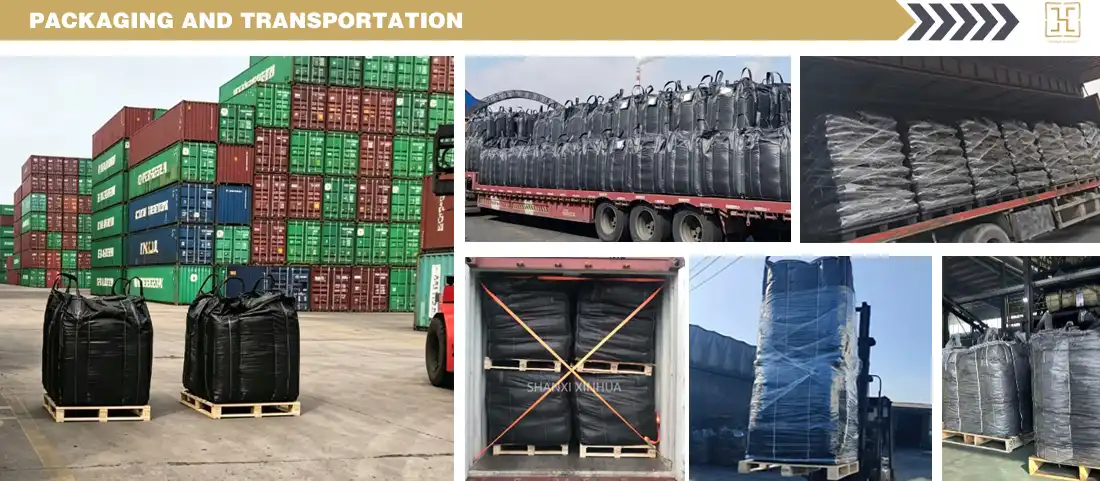
Building long-term relationships with qualified manufacturers has strategic benefits that go beyond single transactions. Shanxi Xinhua Carbon Technology Industry Co., Ltd. keeps a lot of stock at our production bases in Shanxi, Ningxia, Fujian, and Xinjiang provinces. This way, we can deliver core products right away, with standard delivery times of 7–15 days for stock items and 15–30 days for custom orders. Our yearly production capacity of 45,000 tons supports large-volume contracts with reliable supply consistency. We also have flexible minimum order numbers to handle pilot projects and urgent restocking needs. Through our dedicated logistics network, we can speed up delivery so that customers' rush orders get to them within three days when they need them right away.
Negotiation and Contract Considerations
Volume-based pricing for CTC80 Coal Columnar Charcoal can reward customers that make larger commitments while keeping initial quantities accessible for product evaluation. Buyers can consider framework agreements that lock in favorable prices for 12 months while allowing delivery schedules to be adjusted according to actual consumption of CTC80 Coal Columnar Charcoal. Suppliers should also clearly define the professional support available for CTC80 Coal Columnar Charcoal, including on-site installation assistance, performance troubleshooting, and optimization consultations. Before placing a full-scale order, procurement teams can request samples of CTC80 Coal Columnar Charcoal to evaluate compatibility with their water chemistry, filtration equipment, and operating conditions. Pilot testing CTC80 Coal Columnar Charcoal can help identify potential issues before larger quantities are purchased and reduce implementation risk. By combining flexible pricing, technical support, sample evaluation, and reliable delivery planning, buyers can establish a more effective procurement strategy for CTC80 Coal Columnar Charcoal.
Optimizing Performance and Sustainability in Water Purification Using CTC80
Best practices for installation have a big effect on how well the installation works in the end. When you properly prepare the bed by pre-wetting it, you get rid of any trapped air pockets that make channeling paths and lower the efficiency of touch. By keeping design flow rates within certain ranges, you can stop premature breakthrough and keep pressure drop from getting too high. Using regular monitoring methods to keep an eye on things like pressure differences, levels of effluent contaminants, and flow patterns lets you make choices based on data about when to regenerate or replace equipment before legal limits are exceeded.
Adding complementary treatment technologies can make the whole system work better. Activated carbon stays clean and lasts longer when it goes through pre-filtration stages that get rid of suspended solids and turbidity. Disinfecting after treatment keeps microbes safe, and activated carbon gets rid of organic and chemical toxins. This multi-barrier approach, which is becoming more popular in modern water treatment design, takes advantage of the best parts of each technology while making up for their flaws.
New contaminants like per- and polyfluoroalkyl substances, pharmaceutical residues, and compounds that mess with hormones are getting harder to control because regulations are changing all the time. Many of these substances can be measured to be removed by CTC80 grade carbon. However, research is still being done at our facilities where we work together with Tsinghua University and the Chinese Academy of Sciences to find better ways to change the surface of these pollutants so they can be removed even more effectively. If you stay involved with the companies that are working on these new ideas, your building will be ready to change as rules get stricter and public health goals change.
Conclusion
When choosing high-performance activated carbon for cleaning water, you need to carefully look at the technical specs, the supplier's skills, and how the product will work in the long run. The CTC80 Coal Columnar Charcoal has a great mix of proven adsorption power, long-lasting durability, and low cost that meets the main needs of municipal water systems, industrial treatment facilities, and environmental engineering projects. The material has been used in many different ways over a long period of time and has been manufactured in large quantities. This gives procurement professionals and project engineers the confidence they need when choosing important filtration media to protect public health and follow regulations.
FAQ
What does the '80' designation specifically indicate?
The number value shows the smallest amount of carbon tetrachloride vapor that the substance can absorb under the normal test settings set out in ASTM D3467. This measurement is directly related to the size of micropores and the ability to collect organic vapor. It can be used to accurately predict how well a material will work in treating water that contains dissolved organic toxins.
Can this material undergo regeneration?
Columnar carbon from coal has a high mechanical strength (>96%) and is thermally stable, which makes it a good choice for many thermal regeneration cycles. When renewal is done correctly at temperatures between 800°C and 900°C in controlled atmospheres, 85 to 95% of the original adsorption capacity can be restored. This makes the total cost of the material much lower than with single-use methods.
How does moisture affect adsorption performance?
Even though water vapor is competing for adsorption sites, CTC80's mostly microporous structure still manages to catch a lot of organic matter, even when the relative humidity is as high as 70%. Adding vapor-phase dehumidification or pre-drying to the influent water can improve performance even more in applications that need to use all of the capacity as quickly as possible and are sensitive to moisture.
What factors prevent dust generation in filtration systems?
When buying something, specifying high hardness values (>95%) makes sure that it will wear down as little as possible during handling and use. Using pre-washing methods or compressed air purging during the initial carbon loading gets rid of the small particles that are made during transport. This keeps equipment further downstream from getting clogged and keeps the hydraulic properties consistent throughout the depth of the filter bed.
Partner with a Trusted CTC80 Coal Columnar Charcoal Supplier
Shanxi Xinhua Carbon Technology Industry Co., Ltd. serves water treatment workers all over the world by combining 60 years of experience with activated carbon with modern production facilities and full technical support. Our defense-grade quality systems, research partnerships with top universities, and multi-base production network make sure that you can always get certified materials that meet the strictest requirements. Whether you're planning a new water treatment plant for a city, increasing the capacity of an existing one, or looking for an emergency supply for projects that have to follow the rules, our applications engineering team can help you choose the right materials, integrate your systems, and get the best performance.
We keep a full stock of activated carbon in columnar, granular, and powdered forms, with particle sizes and specifications that are tailored to different types of equipment and treatment goals. Standard orders are sent out once a week, but when project deadlines require quick action, our green channel delivers important materials in just 72 hours. Email our team at greta@carbonxinhua.com to talk about your water purification needs, get technical data packages, or set up shipping of samples for testing their compatibility. Visit xhcarbontech.com to learn more about our full range of activated carbon products and technical services.
References
1. Chen, W., & Zhang, L. (2021). Advanced activated carbon technologies for water and wastewater treatment. Environmental Science and Engineering Series, Springer Publishing.
2. Henderson, R. K., et al. (2020). Activated carbon adsorption for removal of organic micropollutants in drinking water treatment. Water Research Foundation Report Series.
3. Marsh, H., & Rodríguez-Reinoso, F. (2019). Activated carbon: Properties, production and applications. Elsevier Science and Technology.
4. National Research Council. (2018). Drinking water treatment processes for removal of emerging contaminants. National Academies Press.
5. Qi, S., et al. (2022). Coal-based activated carbon for environmental remediation: Manufacturing, characterization and performance assessment. Journal of Environmental Chemical Engineering, Volume 10, Issue 3.
6. Tessmer, C. H., & Vidic, R. D. (2017). Impact of water quality parameters on adsorption of organic compounds by activated carbon. Water Science and Technology Library Series.

Send Inquiry
You may like
_1781662034490.webp)