_1778553121707.webp)
Coal Quality Char for Drinking Water Treatment with Consistent Adsorption Properties
Aug 12, 2026
Coal Quality Char for Drinking Water Treatment represents a critical material engineered specifically to address organic contamination, chlorine removal, and disinfection by-product precursor reduction in municipal and industrial water systems. This specialized carbon product combines a balanced micropore-mesopore structure with mechanical robustness, delivering reliable adsorption capacity under varied operating conditions. When properly sourced and managed, coal-based granular activated carbon offers water treatment professionals a cost-effective solution that meets stringent regulatory standards while maintaining consistent performance across thousands of operating hours.
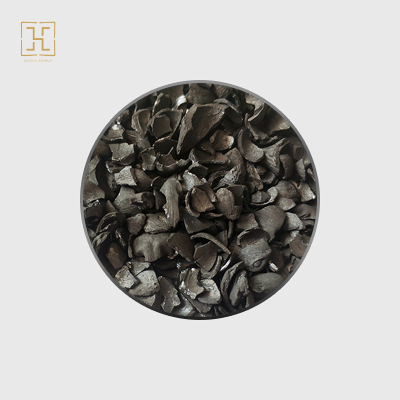
Understanding Coal Quality Requirements for Drinking Water Treatment
Choosing carbon materials with the right chemical and physical properties is the first step in cleaning water well. How well activated carbon removes toxins from drinking water is directly related to the quality of the coal.
Chemical Composition and Its Impact on Adsorption
Coal-based activated carbon works because the amount of carbon, ash, and volatile matter can be precisely controlled. Most high-quality coal has between 85 and 92% fixed carbon, which means it has more pores that can be used for adsorption. The ash level must stay below 12% so that minerals don't leach into the cleaned water too much and the surface area doesn't get smaller. Levels of volatile matter between 5 and 10 percent show proper activation. Too many volatiles show insufficient carbonization, while too few show over-activation that weakens the carbon structure. Together, these chemical factors make a substance that can remove chlorine residuals, taste and odor compounds, and organic molecules that regular filtering can't handle.
Physical Properties That Define Performance
Beyond science, Coal Quality Char for Drinking Water Treatment's usefulness in water treatment systems depends on how it is built physically. Iodine levels between 900 and 1100 mg/g show that the micropores have grown enough to capture small organic molecules like pesticides and trihalomethanes. Values of 130 to 180 mg/g for methylene blue show that the mesopore volume is big enough to remove larger humic substances and color-causing chemicals. ASTM D3802 hardness grades above 95% make sure that the carbon can handle high-velocity backwashing without breaking down into fines that get past the filter beds. An apparent density of 0.45 to 0.55 g/cm³ is the best balance between packing efficiency and hydraulic conductivity. This lets water flow through the bed at the right rate without causing too much pressure drop.
Testing Protocols for Quality Verification
Standardized testing methods are used by procurement teams to make sure the quality of the carbon before it is used. Sieve analysis according to ASTM D2862 confirms that the particle size distribution falls within certain ranges, like 8–30 or 12–40 mesh. This has a direct effect on how well the bed works and how well the backwash works. The percentages of ash, moisture, volatile matter, and fixed carbon are found through proximate analysis, which sets the baseline quality. Dechlorination half-value length testing measures how well a catalyst gets rid of free chlorine, which is a very important job for keeping distribution systems free of taste and smell problems. Check the metal discharge using ICP-MS screens for arsenic, lead, aluminum, and other controlled metals to make sure you're following the NSF/ANSI 61 guidelines for safe drinking water. These tough tests make sure that carbon batches meet the requirements before they are installed.
Comparing Coal Types and Grades for Optimal Water Filtration
Not all carbons made from coal work the same way. Knowing the differences between grades helps people who buy things choose materials that meet technical needs and don't break the bank.
High-Quality Versus Standard Grade Performance
Premium Coal Quality Char for Drinking Water Treatment has iodine levels close to 1100 mg/g and a hardness level above 97%. These properties are achieved by carefully choosing the raw materials and controlling the activation process. This grade works great in situations where maximum contaminant removal is needed and service life is long. This makes it perfect for city plants that need to clean difficult source waters with high levels of organics. Standard grade material, which has an iodine content of 900 to 950 mg/g and a hardness of 95%, works well and doesn't cost much for systems that treat cleaner source waters or work as secondary polishing stages. When it comes to breakthrough timing, the difference in performance is clear: premium carbon can work for 18 to 24 months before it needs to be replaced, while standard grade needs to be replaced after 12 to 15 months of the same loading conditions. The higher cost is worth it for projects that need to be sure that the quality of the effluent is always the same. On the other hand, normal grade economics are better for projects with open performance windows.
Coal-Based Carbon Versus Alternative Materials
In the market for treating water, coal char goes up against activated carbons made from coconut shells and wood. Coconut shell carbon has more micropores and is harder than other carbons, but it costs more and doubles the cost of the materials. Its pore structure is great at catching very small molecules, like chlorinated solvents, but it doesn't have as much mesopore volume for bigger organics. Wood-based carbon is the least expensive option, but it is not as hard and doesn't last as long, so it should only be used once or in systems that don't need to be backwashed very often. Coal-based carbon is the best combination of performance and cost for large-scale municipal applications. It has the right amount of micropores to remove regulated contaminants and the right amount of mesopores to remove natural organic matter. Its mechanical strength enables thermal regeneration, which lets it be used three to five times, which greatly lowers its lifecycle costs compared to throwaway options.
Procurement Guidelines: How to Source High-Quality Coal for Water Treatment
For procurement to go smoothly, suppliers need to be carefully evaluated, quality must be checked thoroughly, and logistics must be handled in a way that keeps the integrity of the materials.
Evaluating Supplier Credentials and Certifications
Logistics Considerations for Material Integrity
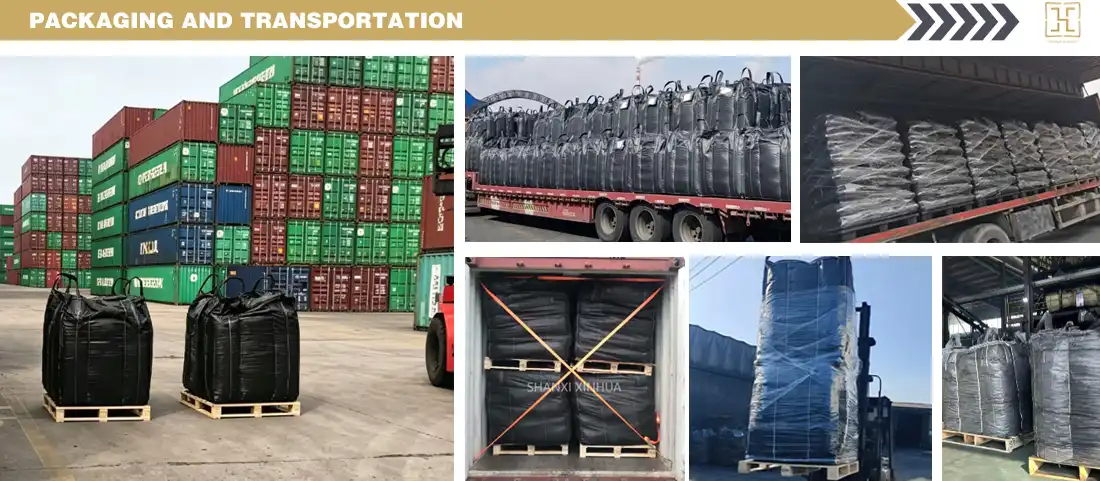
When you buy activated carbon in bulk, you need to make sure that the packing and storage conditions keep it from getting dirty or absorbing water. Good sellers use multi-wall kraft paper bags with plastic liners or sealed super sacks that keep moisture out while the goods are being shipped. For cheap container shipping, the minimum order quantity is usually between 20 and 25 metric tons. However, reputable suppliers keep smaller quantities in stock so that smaller quantities can be used for test installations or emergency replacements. Different types of transportation have different delivery times. For example, ocean freight from manufacturing centers can take 30 to 45 days, but for urgent needs, expedited air shipments can get there in just one week. Before being used, carbon should be stored on-site in climate-controlled buildings away from volatile organic chemicals that it might absorb. Buyers benefit when suppliers offer "just-in-time" delivery programs that time shipments with planned media replacement schedules. This lowers the cost of keeping inventory on-site and makes sure that buyers always have access to new materials.
Cost-Benefit Framework for Negotiation
When making contracts, procurement managers have to find a balance between unit price and total lifecycle value. Initial prices per kilogram don't give you a full picture of the economic effect. To get a better idea, figure out the cost per thousand gallons cleaned or the cost per month of operation. When suppliers offer volume discounts through annual framework agreements, the cost of each unit is usually cut by 10 to 15 percent compared to buying it on the spot. Options for financing, like vendor-managed inventory programs, put the cost of holding on suppliers while still guaranteeing availability. Technical support services are very useful and go beyond the cost of the materials. For example, makers who offer Coal Quality Char for Drinking Water Treatment along with on-site setup help, performance troubleshooting, and user training help make the best use of carbon and extend the life of the equipment. These services usually explain a slightly higher material price by lowering operating risks and making the system work better as a whole.
Trusted Coal Suppliers and Brands for Water Treatment Industry
Choosing the right supply partner affects how well and how reliably a system works in the long term. Manufacturers that have been around for a long time and have a lot of technical knowledge and a stable supply chain can't be beat by new companies.
Manufacturer Expertise and Track Records
The biggest companies that make carbon have their own research and development sites where they work with universities to improve material science. This method is used by Shanxi Xinhua Carbon Technology Industry Co., Ltd., which works with Tsinghua University, Taiyuan University of Technology, and the Shanxi Institute of Coal Chemistry of the Chinese Academy of Sciences. These partnerships lead to new ideas in improving pore structure, changing surface chemistry, and finding better ways to check the quality of materials. Manufacturers with multiple production bases spread out in coal-rich areas can keep supplies going even when there are problems in one area. A production capacity of more than 40,000 tons per year means that the business is big enough to handle big local contracts without having to worry about distribution issues. Companies that take part in national groups that set standards show that they have the expert knowledge that regulatory bodies look for. This mix of study skills, production scale, and involvement in the industry sets market leaders apart from commodity providers.
Certification Credentials as Performance Indicators
Ensuring Consistent Adsorption Performance: Best Practices and Case Studies
To keep carbon working well for as long as it's supposed to, you have to pay attention to operating rules and environmental controls.
Handling and Storage Best Practices
The right way to handle materials starts with delivery and goes on until installation. Carbon should stay in its sealed container until it is ready to be used. This will keep it from absorbing moisture and getting contaminated through the air. Using clean water for pre-wetting gets rid of trapped air and small particles without using acid washing, which is more expensive and harder to handle. Filling contactors through bottom ports while they are underwater stops segregation and makes sure that the fluid is spread out evenly across the bed depth. Initial rinse-to-waste for 24 hours helps keep the pH stable as the surface ash breaks down, which stops brief changes in the quality of the effluent. Backwashing happens about every 3–7 days at 20–30% bed expansion to get rid of particles that have built up and re-stretch the media. How often it happens varies on the amount of suspended solids present. Regularly checking breakthrough parameters like UV254 absorbance or total organic carbon lets operators know when carbon is getting low, so replacement can be planned before regulatory limits are exceeded.
Real-World Performance Optimization
Conclusion
When sourcing teams choose materials that meet strict chemical and physical requirements, Coal Quality Char for Drinking Water Treatment consistently gets rid of contaminants. When buyers know how the properties of coal affect its quality for manufacture and how well it works in operations, they can choose the right types that balance effectiveness with cost. Long-term system success in both municipal and industry settings is guaranteed by working with certified makers who offer expert help and a reliable supply chain.
FAQ
Does ash content significantly impact treatment efficiency?
When the ash level is above 12%, the usable pore volume goes down, which can lead to a high pH during the first operation. Non-washed carbon needs to be soaked for a while to stabilize the pH, but it can remove organic matter just as well as acid-washed options at a much lower cost. This makes it the normal choice for large-scale municipal installations where short commissioning methods are okay.
What certifications verify coal char quality for drinking water use?
The NSF/ANSI 61 approval shows that the carbon is safe to touch potable water and won't release any contaminants. AWWA B604 compliance shows that the physical and chemical requirements set by the American Water Works Association are met. If a company has ISO 9001 certification, it means they have quality control methods in place to make sure that all of their batches are the same across production runs.
Can lower-grade coal char meet regulatory requirements economically?
Standard grade carbon, which has an iodine content of about 900 mg/g, meets regulatory needs for most uses and costs 20–30% less than premium grades. A key factor to think about is service life. Standard carbon needs to be replaced every 12 to 15 months, while premium material only needs to be replaced every 18 to 24 months. Total lifetime analysis tends to support standard grades when the cost of replacing labor is low.
Partner with Shanxi Xinhua Carbon Technology Industry Co., Ltd. for Reliable Coal Quality Char Supply
Shanxi Xinhua Carbon Technology Industry Co., Ltd. has been making large-scale products for more than 20 years and has systems that are good enough for the military. They now work in the water treatment industry. Our Coal Quality Char for Drinking Water Treatment always has the same adsorption properties because we strictly check the quality in line with AWWA B604 and NSF/ANSI 61 standards. As a qualified supplier with ISO 9001, ISO 14001, and ISO 45001 certifications, we run various production bases to make sure that all of our inventory is covered. Standard shipping takes 7–15 days, and for pressing needs, we offer expedited service within three days. Our technical team works with top research centers to find the best pore designs for different toxins. This gives us customization options that no other provider can match. You can email us at greta@carbonxinhua.com to ask for samples, technical details, or quotes. Check out our full line of water treatment products at xhcarbontech.com and learn why procurement managers trust Shanxi Xinhua as their key coal quality char manufacturer.
References
1. American Water Works Association. (2021). AWWA B604 Standard for Granular Activated Carbon. Denver: AWWA Publications.
2. Bansal, R.C., & Goyal, M. (2005). Activated Carbon Adsorption. Boca Raton: CRC Press.
3. Crittenden, J.C., Trussell, R.R., Hand, D.W., Howe, K.J., & Tchobanoglous, G. (2012). MWH's Water Treatment: Principles and Design (3rd ed.). Hoboken: John Wiley & Sons.
4. Marsh, H., & Rodríguez-Reinoso, F. (2006). Activated Carbon. Oxford: Elsevier Science.
5. NSF International. (2020). NSF/ANSI 61: Drinking Water System Components – Health Effects. Ann Arbor: NSF International Standards.
6. Snoeyink, V.L., & Summers, R.S. (1999). Adsorption of organic compounds. In R.D. Letterman (Ed.), Water Quality and Treatment: A Handbook of Community Water Supplies (5th ed., pp. 13.1-13.83). New York: McGraw-Hill.

Send Inquiry
You may like
_1781662034490.webp)