_1778553121707.webp)
Coal Quality Char for Drinking Water Treatment Supports Large-Scale Filtration Projects
Aug 11, 2026
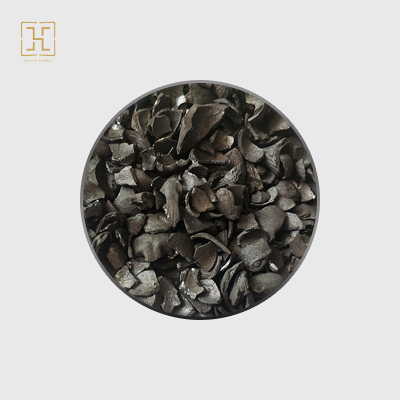
Coal Quality Char for Drinking Water Treatment represents a specialized carbon-based filtration medium engineered for municipal and industrial-scale water purification systems. This high-performance material delivers exceptional adsorption capacity for organic contaminants, chlorine, taste-and-odor compounds, and emerging pollutants, making it indispensable for modern water treatment facilities operating under stringent regulatory requirements. Its unique pore architecture and mechanical durability enable sustained performance in high-flow applications while maintaining cost efficiency across extended operational cycles.
Understanding Coal Quality Char and Its Role in Drinking Water Treatment
The Chemistry Behind Carbon-Based Water Purification
Physical adsorption is how Coal Quality Char for Drinking Water Treatment works. Pollutant molecules stick to the large internal surface area that the material's microporous and mesoporous structure creates. Unlike regular sand filters, which only use mechanical straining, char-based media catch dissolved organic molecules at the molecular level. This means that they can remove pollutants that would normally get through regular filters.
How well the Coal Quality Char for Drinking Water Treatment works depends on the quality of the coal used. High-rank bituminous coal makes char that is very hard and has a balanced pore distribution. It has transport mesopores that make it easy for contaminants to move quickly to the interior micropores, where they are absorbed. We've seen that iodine levels between 900 and 1100 mg/g are directly related to the amount of surface area that is available. This means that more surface area means more ability to remove Total Organic Carbon (TOC) and Disinfection Byproduct (DBP) intermediates from drinking water sources.
How Ash Content Influences Filtration Performance
The amount of ash is a very important quality indicator when choosing Coal Quality Char for Drinking Water Treatment. This inorganic residue, which is mostly made up of silica, alumina, and iron oxides, takes up space in the pores that could be used for adsorption. A good drinking water char keeps the ash level below 12%, which keeps the highest active surface area and meets the leaching standards set by NSF/ANSI 61 for products that come into contact with potable water.
Hydraulic function is also affected by how much ash is controlled. Lower ash char makes the particle density more even, which makes the bed expand more predictably during backwash cycles and lowers the pressure drop across the filter media. When you're in charge of large contactors that handle millions of gallons of water every day, these operational traits are very important. Even small improvements in efficiency can save a lot of energy.
Environmental Considerations in Production
Responsible char manufacturing strikes a balance between meeting performance needs and taking care of the environment. Modern factories use closed-loop thermal processing systems that collect volatile organic compounds that are released during carbonization. These compounds are then turned into energy that can be used again. Before it is released into natural streams, the water used for activation and rinsing is treated to keep pollutants from coal from getting there.
The choice of raw materials is also part of sustainable sourcing. Suppliers that care about the environment work with coal businesses that have plans to restore land and follow extraction standards that cause as little damage as possible to habitats. From what we've seen, purchasing teams are giving more weight to sellers who are ISO 14001 certified. This is to make sure that environmental management systems control all production actions along the supply chain.
Comparing Coal Char with Other Filtration Media for Water Treatment
Performance Metrics Against Activated Carbon Alternatives
The main difference between acid-washed activated carbon and Coal Quality Char for Drinking Water Treatment that has not been washed is the amount of processing and the qualities that are produced. Both types of materials use carbon to absorb things, but acid-washed versions go through extra chemical treatment to get rid of top ash and metallic compounds. This makes pH stability go a little faster in new installs. But non-washed Coal Quality Char for Drinking Water Treatment has the same ability to remove organic matter but costs 40–60% less. This makes it the best choice for municipal applications that value long-term value over short-term startup convenience.
Another thing to compare is the carbon in coconut shells. This material comes from a renewable source and has a very large micropore volume, which makes it great at catching small molecules like chloroform. However, its lower mechanical strength and higher cost per ton make it less useful in large-scale urban systems. Coal Quality Char for Drinking Water Treatment's abrasion resistance (hardness ≥95%), on the other hand, makes sure that very few fines are made during the rough backwashing that is needed to keep hydraulic capacity.
Cost-Effectiveness Across Operational Lifecycles
Procurement managers need to look at more than just the purchase price when they figure out how much filtration media costs. The heat regeneration ability of Coal Quality Char for Drinking Water Treatment makes it last longer over many cycles. High-quality bituminous-based goods can withstand 3–5 regenerations before they need to be replaced. This is different from single-use media, which need to be replaced completely when it gets full.
In high-volume uses, operational costs also favor Coal Quality Char for Drinking Water Treatment. The material's good perceived density (0.45-0.55 g/cm³) lets the bed go deeper without needing too much pressure, which saves energy on pumps. Also, it stays stable when exposed to chlorine, which happens a lot before disinfection. This keeps it from breaking down too quickly, which shortens the life of media in oxidative environments.
Synergistic Media Combinations for Enhanced Treatment
More and more, progressive treatment plans use layered media configurations that play to each other's strengths. Usually, granular Coal Quality Char for Drinking Water Treatment is put on top of sand or anthracite in gravity filters. This makes a two-layer system: the char handles dissolved organics, and the layers below it catch particles. This stratification improves the removal of contaminants across a range of sizes and increases the service life of the char by stopping solids from building up, which would otherwise speed up saturation.
Biological activated carbon (BAC) systems are a more advanced use of Coal Quality Char for Drinking Water Treatment. In these systems, microbial colonies break down organic matter that has been adsorbed, and the adsorption capacity is constantly restored on-site. This method works especially well for dealing with yearly problems like algal blooms, where cyanotoxins like Microcystins need to be removed. The mesopore structure of the char makes it a great place for good bacteria to live while still being able to absorb contaminants quickly.
Selecting the Right Coal Quality Char for Large-Scale Water Filtration Projects
Critical Specification Parameters
In packed bed uses, the hydraulic and adsorption functions are both controlled by the particle size distribution. The screen size (8×30 or 12×40 is typical for drinking water) determines the range of granule sizes, which in turn affects the pressure drop, contact time, and backwashing needs. Smaller particles have more surface area exposure and better touch, but they also lose more head. Larger particles, on the other hand, lower the cost of pumping but slow down the adsorption process. By matching the particle distribution to the flow rates and contactor design, bypassing can be stopped, and the media capacity is used evenly across the bed depth.
Iodine numbers and methylene blue values work together to show the size and capacity of mesopores for organic molecules with a higher molecular weight. Natural organic matter like humic and fulvic acids are often found in municipal water. These acids are precursors to DBP and need adsorbents with the right amount of mesoporosity to be captured effectively. Quality Coal Quality Char for Drinking Water Treatment used in drinking water applications keeps Methylene Blue levels between 130 and 180 mg/g, which makes sure that the pores are evenly distributed and can handle a wide range of contaminant sizes.
Activation Methods and Performance Enhancement
Char from raw coal is activated to make it porous and increase its surface area. Steam activation is the most common way to treat drinking water because it can make clean carbon that is safe for drinking water without leaving behind any chemicals. The process involves carefully exposing the material to steam at high temperatures (800–1000°C). This gasifies only certain carbon atoms to make pore networks while keeping the material's mechanical integrity.
The activation degree is a key point for improvement. Over-activation creates too much microporosity, which makes small molecules stick to the material better but weakens the structure of the particles, which leads to more wear and tear over time. Under-activation makes the internal carbon mass inaccessible, which limits the capacity. Premium suppliers use precise process control and quality verification protocols to keep activation within target windows. This ensures consistent performance batch after batch, which is very important for plants that have to follow contract specifications.
Importance of Supplier Certification and Quality Assurance
Large-scale projects to treat water can't have major inconsistencies. Changes in ash content, particle size, or adsorption capacity can make systems less effective and make it harder to follow the rules. Reliable sellers keep certifications like ISO 9001 quality management and include full testing reports with every package. These reports include sieve analysis, abrasion resistance, apparent density, and trace metal leachate levels.
The NSF/ANSI 61 approval makes sure that carbon materials won't release dangerous chemicals into treated water, which is important for drinking water safety. This approval by a third party is very important during the permit process and protects engineering companies and cities from liability. In addition to certifications, well-known suppliers offer technical support services such as help choosing media, advice on system design, and troubleshooting. These are value-added services that go far beyond just providing basic materials.
Procurement Strategies for Bulk Coal Char Supply in Water Treatment Plants
Identifying Reliable Manufacturing Partners
When buying tons of carbon, you need to carefully evaluate each seller before making a choice. Production capacity is very important. Suppliers with multiple manufacturing bases are more likely to be able to handle single-point supply disruptions and usually keep enough inventory on hand in case of an emergency. Geographic variety also lowers transportation costs by letting goods be shipped from places that are close to project sites.
Strategic partners are different from commodity suppliers in terms of their technical skills. When vendors work together with universities and research institutes on research projects, they can change the particle distributions and adapt the pore structures. They can also make custom formulations to solve specific water chemistry problems. This ability to come up with new ideas is especially useful when dealing with complicated industrial feeds or new contaminants that standard goods can't handle.
How long a company has been making things shows how stable its operations are and how consistent its quality is. Companies that have been making things for decades have polished processes that younger companies are still trying to improve. This means that the performance of materials is more reliable. We've found that suppliers with experience in tough environments, like defense-grade chemical protection, have strict quality control methods that make important city infrastructure more reliable.
Evaluating Total Cost and Value Propositions
At first, budget talks are based on per-ton prices, but a full cost analysis takes into account logistics, inventory carrying costs, expert support, and performance guarantee. When suppliers offer consolidated shipments, flexible delivery schedules, and buffer stock programs, they make procurement easier and lower the risk of running out of stock, which could mean having to make emergency purchases at higher prices.
Pricing structures are affected by payment terms and commitments to buy a certain amount. Framework deals that last more than one year and include scheduled deliveries help sellers plan their production more efficiently, which often leads to better prices than buying on the spot. These kinds of agreements also lock in supply when the market is tight, which protects against situations where buyers who haven't committed face longer lead times or supply refusals.
Premium sellers are different from basic commodity suppliers because they offer performance promises and material warranties. By promising certain adsorption capacities, bed life expectations, or regeneration cycles, procurement teams have something to fall back on if materials don't perform as expected. This transfers the performance risk to the manufacturers. These guarantees are especially useful in design-build contracts, where engineering companies are in charge of how well the system works.
Logistics and Supply Chain Management Best Practices
Coal Quality Char for Drinking Water Treatment's bulk mass and packing choices affect how it needs to be handled and stored. Supersacks, which are big bags that can hold 1000 to 1500 pounds, are cheaper to transport and easier to move than smaller bags, but they need to be unloaded with a forklift or crane. Plants with specialized storage silos can use pneumatic trucks for loose bulk delivery, which cuts down on packing trash and handling work.
Conditions of storage affect the quality of Coal Quality Char for Drinking Water Treatment during long-term storage. The material is chemically safe, but absorbing water can make measuring harder and slightly lower its useful capacity. Keeping things in climate-controlled storage or locked cases helps them keep their original qualities, especially in humid areas. Following the first-in, first-out rule for inventory rotation keeps things from being stored for too long, which could cause them to absorb moisture or break down physically.
When planning a project, transportation arrangements should be taken into account. Coal Quality Char for Drinking Water Treatment is not considered dangerous by most regulations, which makes shipping it easier than shipping liquid chemicals. However, carriers must keep the material dry and avoid cross-contamination. Lead times for stock items are usually between 7 and 15 days, and they can be anywhere from 15 to 30 days for special orders. There are fast shipping choices for replacements that need to be sent right away, and some sellers offer 72-hour emergency delivery through their own specialized logistics channels.
Case Studies and Best Practices in Implementing Coal Char for Large-Scale Filtration
Municipal GAC Contactor Deployments
Following pressure from regulators to lower trihalomethane formation, a medium-sized municipal utility company that serves 200,000 people put in place Coal Quality Char for Drinking Water Treatment contactors as a DBP control strategy. There were eight parallel contactors in the installation, and each one held 40 tons of 8x30 mesh Coal Quality Char for Drinking Water Treatment. The system was made so that the Empty Bed Contact Time (EBCT) would be 15 minutes at full flow, with the goal of lowering the TOC by 40% before chlorination.
Performance monitoring over 18 months showed consistent removal of organic matter, with average TOC levels in effluent being 1.8 mg/L compared to 3.2 mg/L in influent, which is a 44% reduction above and beyond design goals. The Coal Quality Char for Drinking Water Treatment didn't produce many fines, and even when it was backwashed, the turbidity rose below 2 NTU and went back to normal within minutes. Breakthrough research showed that the media kept 85% of its original capacity after the monitoring time. This means that it should last for 3–4 years before it needs to be replaced or regenerated.
A cost study showed that this compliance strategy saved a lot of money compared to other options. The utility didn't have to pay a lot of money to change the source water or use modern oxidation processes. The Coal Quality Char for Drinking Water Treatment system paid for itself in five years because it cut down on the use of chemicals and put off building new infrastructure. This case shows that Coal Quality Char for Drinking Water Treatment can work for medium-sized cities that need to balance performance needs with limited budgets.
Emergency Response to Algal Bloom Contamination
During summer algal blooms, a big surface water treatment plant had a lot of trouble with toxin levels. Microcystin levels sometimes went above WHO standards because of cyanobacterial activity. Existing multimedia filters weren't good enough to get rid of the toxins, so a Coal Quality Char for Drinking Water Treatment cleaning system had to be installed right away.
The retrofit included shallow-bed adsorbers with 15 tons of high-mesopore Coal Quality Char for Drinking Water Treatment that was chosen to adsorb toxins. Because the material's pores were set up to best hold molecules in the 900–1100 Dalton range, which is common for cyanotoxins, it was able to capture the molecules effectively after only a short time of contact. After the first bloom, the Coal Quality Char for Drinking Water Treatment system kept Microcystin-LR levels below 0.3 µg/L during future blooms, keeping the chemical's safe spread.
This use shows how Coal Quality Char for Drinking Water Treatment can be used in flexible treatment plans to deal with pollution that happens only sometimes or during certain seasons. The system was set up quickly (in three weeks) and was easy to use, so the utility could protect public health without having to do long capital projects or make complicated process changes.
Industrial Pre-treatment for Membrane Protection
A pharmaceutical factory that used reverse osmosis (RO) systems to make process water had problems with membrane fouling and having to replace modules too soon. The study found that the main foulants in city feed water were leftover chlorine and organic precursors, which break down polyamide membranes and help biofilm form.
The plant put in place Coal Quality Char for Drinking Water Treatment pre-treatment, which uses 5 tons of material in pressure vessels before the RO trains. The Coal Quality Char for Drinking Water Treatment's dechlorination half-value length, which is a measure of how well chlorine can be removed catalytically, stopped oxidant breakthrough that used to damage membranes. At the same time, organic absorption lowered biofouling potential by getting rid of biodegradable chemicals that help microbes grow.
The results showed that the membranes lasted 180% longer, going from an average of 24 months between replacements to 67 months. They also needed to be cleaned less often and used fewer chemicals. The investment in Coal Quality Char for Drinking Water Treatment paid for itself in eight months just by not having to buy membranes. This doesn't even count the money saved on labor or the better output consistency. This case shows how valuable Coal Quality Char for Drinking Water Treatment is for saving valuable assets further down the line by thoroughly treating the feedwater.
Emerging Innovations in Char Technology
New research focuses on improving the performance of Coal Quality Char for Drinking Water Treatment by changing the surface and using hybrid materials. It has been shown that impregnated chars containing catalytic metals break down recalcitrant substances better, turning adsorbates into less dangerous byproducts instead of just collecting them. These high-tech materials can be used to clean up industrial wastewater before it is released into the environment or used again.
Some innovative ideas for sustainable production include using farm waste as a co-feed during carbonization and replacing some mined coal with green biomass while keeping the same performance levels. These methods lower the carbon footprint and are in line with the sustainability goals of businesses, which are becoming more and more important in deciding what to buy for water companies and industry users.
Another new area of study is data-driven optimization. Smart monitoring systems can track adsorption performance in real time by using substitute factors like UV254 absorbance. Predictive analytics can guess when breakthroughs will happen, which lets you plan strategic media replacements that make the best use of resources and keep quality from dropping. With these technologies, Coal Quality Char for Drinking Water Treatment systems go from being inactive barriers to being treatment tools that are constantly controlled.
Conclusion
Coal Quality Char for Drinking Water Treatment has been shown to work well in large-scale filtration tasks where reliability, cost-effectiveness, and legal compliance all come together. It can handle a wide range of contaminants in both urban and industrial settings thanks to its well-balanced pore structure, long-lasting mechanical properties, and flexible specifications. For implementations to go well, the materials must be carefully chosen, strategic partnerships with suppliers must be made, and operating practices must be in line with how the media works. New innovations keep making Coal Quality Char for Drinking Water Treatment more useful, and environmentally friendly production methods take care of the problem. When procurement teams and engineering professionals look at filter options, they will find that Coal Quality Char for Drinking Water Treatment has strong benefits that make it worth serious consideration for large-scale projects that need to improve water quality reliably and cheaply.
FAQ
How does coal char differ from standard activated carbon?
Coal Quality Char for Drinking Water Treatment is a type of activated carbon that is different from other types because it comes from bituminous coal and is made in a certain way. All activated carbons work by adsorbing things, but Coal Quality Char for Drinking Water Treatment has a more even distribution of micro- to mesopores than highly microporous coconut shell carbons. This makes it especially good at removing organics in drinking water that are in the molecular weight range. The "non-washed" label means that the product has been processed very little after it has been activated. This keeps the cost benefits while providing the same performance as more heavily processed versions for most municipal uses.
What backwash requirements apply to coal char media?
The right way to backwash media extends its life and keeps hydraulic performance high. To effectively lift and re-stack particles and get rid of accumulated solids, Coal Quality Char for Drinking Water Treatment beds usually need expansion rates that produce 20–30% bed growth. Backwashing can happen once a week for surface water uses or once a month for better groundwater sources, depending on the turbidity and loading rates of the water coming in. Because the material is very hard (≥95%), it doesn't wear away easily when it's washed hard, so it doesn't make as many fines that could get into treated water or lower the bed volume over time.
Can coal char remove emerging contaminants like PFAS?
Coal Quality Char for Drinking Water Treatment can bind to some per- and polyfluoroalkyl substances (PFAS), but how well it works depends on the chemistry of the molecule and the length of the chain. Because they are less water-repellent, longer-chain PFAS tend to stick to surfaces better than short-chain ones. Specialized activated carbons with better surface processes are better at getting rid of PFAS, but regular Coal Quality Char for Drinking Water Treatment can also do a good job if used at the right bed level and for the right amount of time. If a site wants to deal with PFAS contamination, it should do pilot tests with water from that site to make sure the system works and set design parameters.
Partner with a Trusted Coal Quality Char for Drinking Water Treatment Manufacturer
The Shanxi Xinhua Carbon Technology Industry Co., Ltd. has been working in material science for more than 60 years and helps people all over the world with their water treatment problems. Our Coal Quality Char for Drinking Water Treatment products have production capacity that can support the biggest filtration projects in cities and factories, as well as defense-grade quality control. We offer customizable pore structures, stable batch-to-batch performance, and full technical support throughout the lifecycles of projects thanks to study partnerships with Tsinghua University and the Chinese Academy of Sciences. Our multi-base production system keeps a full stock of granular, powdered, and columnar formats, so we can offer normal shipping times of 7–15 days and faster options for urgent needs. Our materials are certified to meet strict international quality and safety standards through ISO 9001, ISO 14001, and NSF/ANSI 61. Our engineering team is ready to find the best solutions for your water chemistry and treatment needs, whether you're looking for media for new contactor setups or a stable supply for ongoing operations. Get in touch with our sourcing experts at greta@carbonxinhua.com to talk about your project needs and get detailed technical specs that show why top environmental engineering firms and local utilities choose Shanxi Xinhua as their Coal Quality Char for Drinking Water Treatment provider of choice.
References
1. American Water Works Association. (2018). AWWA B604: Granular Activated Carbon Standard for Drinking Water Treatment Applications. Denver: AWWA Publications.
2. Crittenden, J.C., Trussell, R.R., Hand, D.W., Howe, K.J., & Tchobanoglous, G. (2012). MWH's Water Treatment: Principles and Design (3rd ed.). Hoboken: John Wiley & Sons.
3. Lenntech Water Treatment Solutions. (2021). Activated Carbon Filtration in Municipal Drinking Water Systems: Performance Analysis and Cost Optimization. Rotterdam: Lenntech Technical Publications.
4. National Sanitation Foundation International. (2020). NSF/ANSI 61: Drinking Water System Components – Health Effects Certification Program. Ann Arbor: NSF International.
5. Sontheimer, H., Crittenden, J.C., & Summers, R.S. (1988). Activated Carbon for Water Treatment (2nd ed.). Karlsruhe: DVGW-Forschungsstelle.
6. World Health Organization. (2017). Guidelines for Drinking-water Quality: Fourth Edition Incorporating the First Addendum. Geneva: WHO Press.

Send Inquiry
You may like
_1781662034490.webp)