_1778553121707.webp)
Coal Briquette Crushing Activated Carbon for Water Treatment
Jul 23, 2026
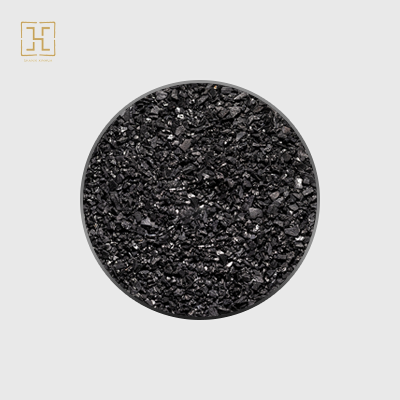
Coal briquette crushing activated carbon is a very good solid adsorbent that is made using a special method in which pulverised bituminous coal is mixed with binders, pressed into briquettes under high pressure, carbonised, activated by steam, and then crushed to exact mesh sizes. Compared to directly crushed coal, this engineered material is better at absorbing contaminants and has higher mechanical strength. This makes it perfect for drinking water plants, wastewater treatment plants for businesses, and large-scale purification systems that need to remove contaminants consistently with little downtime.
Understanding Coal Briquette Crushing Activated Carbon for Water Treatment
What Makes This Activated Carbon Different?
Coal briquette crushing activated carbon is different from other coal-based adsorbents because of how it is made. We start with high-quality bituminous coal, grind it into a fine powder, and mix it with special binders. Then, we put a lot of pressure on it and shape it into briquettes. After being carbonised at temperatures above 800°C, the material goes through steam activation, which makes the pores very well-formed. The last steps of breaking and screening make sure that the particles are all the same size, which is usually 4x8 mesh, 8x16 mesh, or 8x30 mesh. Each size is best for a certain hydraulic state and flow rate.
This method of crushing briquettes solves problems that keep coming up in water treatment operations. Directly crushed coal carbon that is used in traditional methods often makes too much dust, has uneven pore distribution, and breaks down too quickly during backwashing cycles. Our designed briquette structure makes macro and mesopore networks that improve internal diffusion paths. This makes it easier for contaminants to reach adsorption sites while keeping the structure's integrity under tough working conditions.
How Adsorption Works in Water Purification?
Physical adsorption is how activated carbon gets rid of impurities. This is when contaminant molecules stick to the carbon's large internal surface area. One gram of properly activated carbon can cover more than 1,000 square meters and soak up things. Plant-based chemicals like herbicides, industrial solvents, and taste-and-odor chemicals like geosmin and MIB stick to these surfaces using Van der Waals forces and interactions that keep water away.
This system works better because of the briquetted structure. Uniform pore architecture ensures that water and carbon surfaces always have the same amount of contact time. This stops channelling, which is when water finds easier ways to flow and skips over large parts of the carbon bed. This leads to expected performance curves and longer service lives, which are very important for procurement managers who have to balance business costs with compliance standards.
Comparing Raw Material Options
Professionals who treat water often compare carbon that comes from coal to carbon that comes from coconut shells and wood. Coconut shell carbon is very hard and has a lot of micropores, which makes it good for removing small molecules at the point of use. But because it is harder to get and costs more per tonne, it can be hard on the budgets of big city systems that process millions of gallons of water every day.
Carbon made from wood has a softer structure and bigger pores, which makes it good for getting rid of high-molecular-weight substances like humic acids. However, because it isn't very strong mechanically, it can't be used in systems that need to backwash often or that deal with source water that is very cloudy. Coal briquette crushing activated carbon fills in these gaps, providing strong mechanical qualities, low cost, and a pore structure split between micro and mesopores—perfect for cleaning a wide range of contaminants in large-scale processes.
Core Benefits and Effectiveness of Coal Briquette Crushing Activated Carbon
Superior Adsorption Performance
The engineered pore structure reduces contaminants in a way that can be measured. When municipal water plants use 8x30 mesh briquette carbon in deep-bed gravity filters, they say that the total organic carbon (TOC) level drops by more than 80% and chlorine levels drop by more than 95%. Chemical oxygen demand (COD) drops by 60 to 75% when this carbon is used in secondary wastewater treatment at refineries. This helps them meet stricter release permits without having to spend a lot of money on changes to their infrastructure.
Testing data from food processing plants shows that liquid sweetener production is very good at getting rid of colour bodies. When used in single-pass setups, fixed-bed adsorbers with briquette carbon lower colour units by 90–95%, which is 15-20 percentage points better than standard coal carbons. This efficiency comes from improved kinetics—the even pore network makes it easy for intraparticles to move around quickly, which lets carbon beds hit breakthrough later and recover more fully.
Economic and Operational Advantages
We know that choices about buying have to match the need for efficiency with the total cost of ownership. Coal briquette crushing activated carbon offers strong economic benefits in several ways. The cost of the raw materials is 30–50% less than the cost of coconut shells at the same level of activity, which means big savings when buying by the tonne. Lower density means more bed volume per tonne, which means less frequent changes and lower labour costs for replacing media.
These savings are increased by the power to regenerate. The high mechanical hardness lets the thermal restart happen many times, usually three to five times, before the performance starts to decline and the part needs to be replaced. When compared to single-use media, wastewater treatment plants that use batch renewal systems report 40–60% lower yearly carbon usage. This greatly increases running margins without lowering the quality of the output. Rapid transportation lowers the cost of keeping goods even more; regular supplies take 7–15 days, and emergency packages get there within 72 hours through faster routes.
Environmental and Sustainability Considerations
Environmental engineering managers and city procurement officers care about responsible sourcing. There are still a lot of bituminous coal sources, and the supply lines are well-established. This means that less pollution is released during shipping than when foreign coconut shell carbon is used. Modern pollution controls in factories keep activation process emissions to a minimum, and closed-loop steam systems collect and reuse energy.
Regeneration helps the earth in more ways than one, and for Coal briquette crushing activated carbon, each reactivation cycle conserves raw materials and reduces energy consumption compared to producing virgin carbon, while end-of-life material can be repurposed in soil amendment applications or disposed of according to regulatory guidelines, creating a circular material flow that supports both sustainability goals and regulatory compliance. Each reactivation cycle replaces the production of new carbon, which saves raw materials and lowers the total amount of energy used. When carbon has reached the end of its useful life, it is either reused in soil amendment applications or safely thrown away according to set procedures. This creates a circular flow of materials that is in line with both business sustainability goals and government regulations.
Comparing Coal Briquette Activated Carbon with Other Solutions
Performance Characteristics Across Carbon Types
Understanding the differences between specifications helps you make the best choice. Coal briquette crushing in 4/8 mesh (2.36-4.75 mm) reduces pressure drop in high-flow gas-phase uses and liquid systems where hydraulic conductivity is essential. The 8x16 mesh type (1.18–2.36 mm) strikes a good balance between flow resistance and contact time, making it good for treating liquids with a moderate flow. The 8x30 mesh size has more surface area exposure per bed volume, which is why it is chosen for deep-bed public drinking water filters that put removing contaminants ahead of pressure concerns.
Because it is made up of many tiny pores, coconut shell carbon is best for use in processes that want to target small, volatile chemical compounds and medication leftovers. Wood-based carbon is very good at getting rid of big organic molecules that cause colour and smell problems. Coal briquette crushing activated carbon is a flexible middle ground that can handle a wide range of contaminant combinations, from heavy metals to chlorinated hydrocarbons, with stable, predictable performance across the wide range of temperature and pH changes that are common in industrial process streams.
Evaluating Suppliers and Quality Standards
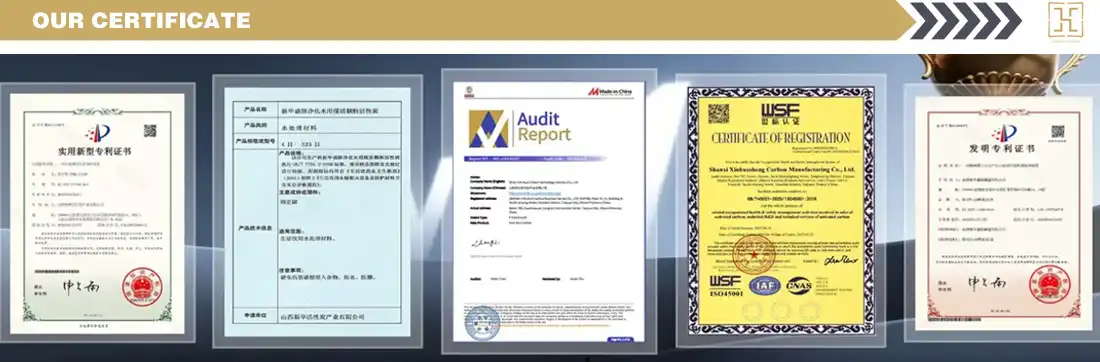
For procurement managers to evaluate possible suppliers, they need clear criteria. ISO 9001 certification proves that methods for managing quality meet international standards, and ISO 14001 certification proves that promises to manage the environment responsibly. Look for providers that have ISO 45001 certifications for health and safety at work. These certifications show that the workplace is fully protected, which lowers the risks in the supply chain.
Specifications for technology should be carefully looked over. For water treatment, the iodine number (a measure of micropore content) should be higher than 800 mg/g. Higher values (900–1100 mg/g) are best for getting rid of trace contaminants. As much active surface area as possible is achieved when the ash content is below 8%. Too much ash can cause unwanted catalytic reactions that can change the pH of treated water. Hardness numbers above 90% mean that the particles are strong and won't break down during backwashing, which extends the service life and lowers turbidity spikes during operation.
Ask for information on the procedures for carbonisation and activation. When suppliers use controlled-atmosphere ovens and an exact time for steam input, the growth of pores is more uniform from batch to batch than when companies use older equipment. Particle size distribution certificates show that mesh standards have been met. This is very important because fines that aren't up to specs cause more pressure drop and let air escape through support media, while particles that are too big waste space on the mesh's surface.
How to Source and Procure Coal Briquette Crushing Activated Carbon?
Procurement Planning Essentials
For water cleaning projects to work, supply lines must be stable, and for Coal briquette crushing activated carbon, this means working with a supplier that offers flexible minimum order quantities (typically 5–20 tonnes per mesh size), volume discounts for annual commitments of 50 tonnes or more, and multiple packaging options including 25 kg bags, 500 kg super sacks, or pneumatic delivery systems to suit different material handling setups. Depending on the mesh size and specifications, the minimum order quantity is usually between 5 and 20 tonnes. If you agree to buy 50 or more tonnes each year, you can get a bulk discount. Different types of packaging can be used for different types of handling. For example, 25 kg bags can be loaded by hand in smaller facilities, while 500 kg super sacks or large air delivery systems are better for high-volume operations that need to handle a lot of material automatically.
Pricing systems take into account the costs of raw materials, the level of activity, and the processes. For standard-grade coal briquette crushing activated carbon, plan on spending between $800 and $1,400 per tonne, while premium low-ash varieties will cost between $1,500 and $2,000. If you buy something from another country, the exchange rate, import taxes, and wait times can all change. Buying from multi-facility providers in your own country can help with these issues. Production in Shanxi is close to coal reserves and well-established rail networks. This means that transportation costs and carbon emissions are lower than for coastal suppliers who rely on long-haul trucks.
Identifying Trusted Manufacturing Partners
Successful water cleaning businesses depend on having long-term ties with their suppliers. Look for companies that have been making things for a long time and have defense-grade quality control systems. Companies that have worked with the military or in space show that they are very good at following strict process rules. Research partnerships with places like Tsinghua University or the Chinese Academy of Sciences show that money is being spent on ongoing research and development (R&D) and technological progress.
Third-party audits and site visits confirm that operational capabilities are met. Visit factories to see how raw materials are handled, how activation chambers are controlled, and how final products are tested. Multi-base production networks make sure that there are enough supplies; if one plant needs repair or can't keep up with demand, the others keep shipping plans. Companies that keep 100% of their core goods in stock avoid the risks of backorders that can delay projects or cause expensive treatment systems to shut down.
After-Sales Support and Technical Services
Full help goes beyond just delivering the product. Good suppliers offer sampling programs that let you test their products in a lab before making a full purchase commitment. Technical consulting services help choose the best carbon for different water chemistry problems. Matching the pore structure to the contaminants you want to remove makes removal more effective while using less media.
Coverage warranties and performance promises lower the risks of buying things, and for Coal briquette crushing activated carbon, this means choosing a supplier that offers replacement or refund guarantees if the delivered carbon fails to meet specified adsorption, hardness, and particle size parameters after third-party verification. Look for suppliers who will replace or refund your money if the carbon they send you doesn't meet the written specifications after being tested by a third party. Real-time tracking of shipments lets everyone in the logistics chain see what's going on, and dedicated customer service teams handle problems quickly, which is very important when regulatory deadlines or public health concerns need action right away. Having access to technical staff who speak more than one language helps people communicate better and makes sure that specifications and operational needs are correctly translated across procurement workflows.
Optimizing Your Water Treatment Systems with Coal Briquette Activated Carbon
Installation and Operational Best Practices
Best Practices for Installation and Operation
The best result is guaranteed by proper ordering. Thoroughly clean the carbon beds to get rid of any fines that were left over from shipping and handling. This is usually done by backwashing them with upflow at a rate of 10 to 15 gallons per minute per square foot for 15 to 20 minutes, or until the waste runs clear. Start by figuring out the baseline empty bed contact time (EBCT). EBCT needs to be between 7 and 12 minutes for drinking water applications and between 15 and 20 minutes for industrial wastewater applications, depending on the amount of contaminants present.
As a key operating measure, keep an eye on the pressure drop across the carbon beds. If the initial clean-bed head loss doesn't match what the maker says it should be, it means that there is channelling, compaction, or an unexpected buildup of fines. Set up backwashing rules based on either pressure increase thresholds (usually when head loss reaches 2-3 times initial values) or time-based schedules that are in line with the results of water quality tests. When you backwash, the bed height should rise by 30 to 50 percent. This keeps the media from getting compacted and stops carbon loss through overflow.
Performance Monitoring and Troubleshooting
Regular testing of the effluent verifies how well the carbon is working and tells you when it needs to be replaced. Keep an eye on important factors that are important for your use, like total organic carbon, certain contaminants that you want to avoid, taste and odour markers, or colour units in industrial processes. To find exhaustion patterns and make the best replacement schedules, plot breakthrough curves that show the relationship between effluent concentration and time or bed volumes treated.
A premature breakthrough is usually a sign of operational problems instead of carbon failure. Channelling from uneven flow distribution or bad underdrain design lets water get around the active media. Biological fouling in warm source waters covers carbon surfaces with microbial films that block holes. This problem can be fixed by pretreating with chlorine or using hot water to clean the surface on a regular basis. When pre-filtration isn't done well, particles get stuck in the pores. Upstream clarification or multimedia filtration keeps the carbon beds safe and extends their life.
Conclusion
Coal briquette crushing is a tried-and-true, low-cost method of treating water in factories and cities, and for Coal briquette crushing activated carbon, this approach delivers reliable contaminant removal across a wide range of water quality conditions, with the added benefits of multiple regeneration cycles, high mechanical strength for rough backwashing, and extended service life that lowers the total cost of ownership. Its designed pore structure reliably removes contaminants in a wide range of water quality problems and saves money by allowing multiple renewal processes. The material is very strong and can handle tough working conditions, like rough backwashing in places with a lot of sediment, and heat reconditioning methods that make the product last longer and lower the total cost of ownership. Integrating qualified suppliers with full certifications, technical know-how, and quick logistics skills is the only way to make sure that critical water purification systems work well in the long term.
FAQ
Why choose 8×16 mesh over 12×40 mesh specifications?
When minimising pressure drop is important, the 8×16 mesh size works well. This is especially true in high-flow liquid treatment systems, or gas-phase uses, where a smaller 12×40 mesh would cause too much hydraulic resistance. The bigger particle size keeps the contact time right while cutting down on the energy needed to pump water through carbon beds. Because of this, 8x16 mesh is perfect for industrial process streams with modest levels of contaminants, where flow rate is more important than covering as much surface area as possible.
Can briquette carbon undergo thermal regeneration?
Coal briquette crushing activated carbon is perfect for many thermal reactivation processes because it is very hard to work with and has a regular structure. The briquetting process makes particles that don't break apart when they're regenerated at high temperatures (usually between 800 and 900°C), so they can be used three to five times before they need to be replaced. This recycling feature lowers the total cost of ownership by a large amount, especially for heavy users like city water plants and industrial wastewater facilities that deal with regular pollution profiles that can be reactivated by heat.
How does ash content impact water treatment performance?
Coal briquette crushing activated carbon with less ash means it is purer and has more surface area available for adsorption. A carbon with ash levels below 8% works best. A carbon with a high ash content can cause unwanted catalytic reactions, change the pH of treated water through mineral leaching, and make it less effective at absorbing things. Ashes also lower the pressure without filtering, so low-ash requirements are especially important for uses that need to keep the pH normal or treat sensitive process streams in the pharmaceutical and food industries.
Partner with Shanxi Xinhua Carbon Technology Industry for Reliable Supply
Shanxi Xinhua Carbon Technology Industry Co., Ltd. provides the performance, stability, and support your buying team needs when your water treatment activities call for a reliable Coal briquette crushing activated carbon provider. With more than 60 years of experience working with activated carbon and research partnerships with Tsinghua University and the Chinese Academy of Sciences, we can make sure that every batch of our products meets defense-grade quality standards. We keep 100% of our core products in stock at multiple manufacturing bases, which lets us offer standard delivery times of 7–15 days and faster 72-hour shipments for customers who need to meet tight deadlines right away. Our ISO 9001, ISO 14001, and ISO 45001 certifications show that we are dedicated to quality, safety at work, and protecting the environment. These qualifications lower the risks in the supply chain and are in line with your company's buying standards. Contact our technical team at greta@carbonxinhua.com to discuss your specific water treatment challenges, request product samples, or explore customized formulations optimized for your operational conditions. Visit xhcarbontech.com to learn more about our complete activated carbon product portfolio and discover why environmental engineering leaders worldwide choose Shanxi Xinhua as their preferred activated carbon manufacturer.
References
1. Bansal, R.C., Goyal, M., "Activated Carbon Adsorption," Taylor & Francis Group, 2005, pp. 234-267.
2. Snoeyink, V.L., Summers, R.S., "Activated Carbon for Water Treatment: Second Edition," American Water Works Association Research Foundation, 1999.
3. Marsh, H., Rodriguez-Reinoso, F., "Activated Carbon Synthesis and Applications," Elsevier Science, 2006, pp. 143-189.
4. Çeçen, F., Aktaş, Ö., "Activated Carbon for Water and Wastewater Treatment: Integration of Adsorption and Biological Treatment," Wiley-VCH Verlag GmbH & Co., 2011.
5. Derbyshire, F., Jagtoyen, M., Andrews, R., "Activated Carbons from Coal Precursors: Manufacture and Performance Characteristics," Fuel Processing Technology, Volume 38, 1994, pp. 127-140.
6. National Research Council, "Safe Water from Every Tap: Improving Water Service to Small Communities," National Academies Press, Washington DC, 1997, Chapter 5: Treatment Technologies.

Send Inquiry
You may like
_1781662034490.webp)