_1778553121707.webp)
Coal Briquette Crushing Activated Carbon for High-Efficiency Water Purification Systems
Aug 04, 2026
Coal briquette crushing activated carbon represents a breakthrough in water purification technology, offering superior adsorption performance through its unique manufacturing process. Unlike conventional carbon derived directly from raw coal, this material is produced by pulverizing high-quality bituminous coal, mixing it with specialized binders, compressing it into dense briquettes under extreme pressure, and then carbonizing and steam-activating the material before precision crushing and screening. This method creates a more uniform pore architecture and enhanced mechanical strength, addressing critical challenges faced by municipal water plants, industrial wastewater treatment facilities, and environmental engineering contractors seeking reliable, high-performance filtration media.
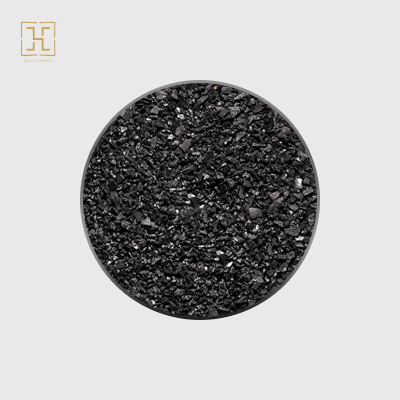
Understanding Coal Briquette Crushing Activated Carbon
What Makes Briquette Crushing Different from Raw Coal Processing
Activated carbon behaves very differently in filtration systems when it is crushed into briquettes. When you handle raw coal-based carbon, it often has uneven pore distribution and makes too many fine particles, which causes filters to get clogged up early and the pressure drop to rise. Crushing briquettes solves these issues by making the inside structure uniform. Before being activated, coal powder is pressed into briquettes. This makes the carbon develop interconnected mesopore and macropore networks that make it easier for contaminants to move quickly to adsorption sites. This makes the kinetic performance much better in both batch and continuous treatment scenarios.
Technical Specifications That Matter for Water Treatment
When purchasing managers look at the quality of carbon, they should focus on a few measurable factors. The iodine value, which is usually between 900 and 1100 mg/g for good Coal briquette crushing activated carbon, shows that micropores are growing, which is important for capturing dissolved organic compounds that are dissolved. As long as the hardness number is above 90% (ASTM D3802), the material will not break down during backwashing processes. The adsorption capacity and hydraulic conductivity are equal when the apparent density is between 450 and 550 g/L. Ash levels below 12–15% keep unwanted catalytic reactions and pH changes to a minimum in treated water. This is especially important for drinking water uses that need to meet NSF/ANSI Standard 61.
Mesh Size Selection for System Optimization
Some common sizes are 4x8 mesh (2.36-4.75 mm), 8x16 mesh (1.18-2.36 mm), and 8x30 mesh. Each one meets a different set of practical needs. Larger 4x8 mesh particles reduce pressure drop in high-flow systems, but they have less surface area on the outside per unit volume. The 8x16 mesh is a good size for most municipal water treatment jobs because it allows enough contact time without being too resistant. A finer 8x30 mesh lets more surface area be exposed and is great for treating water with few contaminants or for polishing stages where flow rates are slowed down on purpose to make contact last longer.
Best Practices for Crushing Coal Briquettes to Produce Activated Carbon
Equipment Selection and Crushing Technology
Industrial makers use special breaking equipment that keeps the structure of the pores intact while distributing particles in the right way. For active briquettes, jaw crushers break down the material into smaller pieces that can be used in other processes. Then, roll crushers do secondary processing. They use controlled force to break up particles along their natural cleavage lines instead of randomly breaking them. This staged method keeps the structure's stability and reduces the amount of dust that is created. Modern operations use air classification systems to sort parts that are too big or too small. This makes sure that the mesh is tight, which is important for predictable hydraulic performance in packed bed reactors.
Activation Parameters That Enhance Adsorption Capacity
The temperature and length of time that steam activation is performed have a big effect on the final properties of carbon. Temperatures between 800°C and 950°C open up the pores inside the particles without burning them off too much, which would lessen their strength. Controlled injection of steam creates the oxidative environment needed for pores to form. Activation times vary from 6 to 12 hours, depending on the target surface area. The briquette matrix lets heat and steam spread more evenly than the irregularly shaped raw coal particles, so the whole batch of coal is activated in the same way. When the carbon is used in water purification devices, this regularity means that the adsorption performance can be predicted.
Quality Control Through Precision Screening
Vibrating sieve decks with precise mesh holes separate particles into narrow size ranges for post-activation screening. The oversize material goes back to the crusher to be processed again, and the undersized fines are sent to lines that make powdered carbon. This method produces the most mesh while making sure that all of the grades meet strict size requirements. Quality control labs take samples from each production lot and measure their hardness, iodine number, moisture content, and ash makeup. Statistical process control charts show how parameters are changing over time. This lets you make changes ahead of time that keep product standards the same from batch to batch.
Coal Briquette Activated Carbon Applications in High-Efficiency Water Purification
Municipal Drinking Water Treatment
It's getting harder for water utilities to get rid of compounds that give water its taste and smell, byproducts of disinfection, and new contaminants like PFAS from source water. Because it has a lot of surface area and well-developed micropores, Coal briquette crushing activated carbon works really well in these situations. Over 95% of the chlorine, chloramines, and organic molecules that cause customer complaints are removed by contactors with empty bed contact times of 15 to 20 minutes. The low ash level of the material keeps the pH from changing in ways that could break drinking water standards. Its high hardness also lets it be used again after thermal reactivation, which cuts lifecycle costs by up to 60% compared to single-use media.
Industrial Wastewater Polishing
Activated carbon is the last step in the cleaning process before wastewater is released from factories that make drugs, chemicals, and food. Industrial effluents have a lot of organic matter and suspended solids, but Coal briquette crushing activated carbon grades can handle them without fouling up quickly. The interconnected pore structure lets bigger molecules reach adsorption sites inside, which extends the time between replacements. When cleaning streams with COD amounts between 200 and 800 mg/L, facilities say that this type of carbon takes 40 to 70 percent longer to run than other types. Being able to heat-renew the used carbon either on-site or through outside services makes it even more cost-effective for businesses that make a lot of used media every year.
Desalination Pre-Treatment Systems
To keep sensitive membranes from getting fouled by organic matter, Reverse osmosis plants need harsh pre-treatment. When put before the ultrafiltration and RO stages, granular activated carbon filters get rid of natural organic matter, leftover coagulants, and oxidants that would hurt the performance of the membranes otherwise. In these situations, the 8x16 mesh specification works best because it allows enough contact time for adsorption while keeping the low pressure drop that is needed for energy-efficient operation. Desalination owners in coastal and rural areas say that moving to premium Coal briquette crushing activated carbon has cut the membrane cleaning frequency by 25–35%. This has saved them a lot of money and made the water production more consistent.
How to Choose the Right Supplier and Products for Coal Briquette Activated Carbon
Evaluating Supplier Technical Capabilities
Teams in charge of buying things should give more weight to providers that can show they have a lot of technical knowledge by working with research institutions and having their own manufacturing patents. Companies that work with universities on material science studies usually have more advanced goods that are made to deal with certain types of contaminants. Check that the suppliers you're considering have ISO 9001 quality management certifications, as well as ISO 14001 environmental certifications and ISO 45001 safety certifications. This shows that they have a strict way of running their businesses. It is recommended that technical data sheets include full physical and chemical descriptions of the material. These should include pore size distribution curves, BET surface area measures, and contaminant-specific isotherm data that allow for accurate system models.
Supply Chain Reliability and Inventory Management
Large-scale water treatment plants can't handle interruptions in their supplies. Check to see if possible sellers have more than one production facility in different areas so that there is a geographic redundancy plan. Also, make sure that they have a lot of standard mesh sizes ready to ship right away in their inventory. Suppliers who keep 100% of their core goods in stock show that they are financially stable and care about their customers. Standard delivery windows of 7–15 days for in-stock items and 15–30 days for custom formulations set the standard for the industry. Emergency reaction options, such as fast three-day shipping for important replacements, are important insurance in case equipment breaks down unexpectedly or there are treatment situations caused by lack of permits.
Certification and Proof of Compliance
For municipal water treatment applications, strict regulatory compliance is required when selecting Coal briquette crushing activated carbon. Buyers should confirm that Coal briquette crushing activated carbon products meet relevant standards, including NSF/ANSI Standard 61 certification for contact with potable water, AWWA B604 compliance for granular activated carbon specifications, and FDA approval when Coal briquette crushing activated carbon is used in applications involving food-grade liquids. Procurement teams should request complete documentation packages for Coal briquette crushing activated carbon, including certificates of analysis, safety data sheets, and third-party test reports that verify performance claims and quality standards. Suppliers with extensive experience in B2B industrial markets can provide professional support for Coal briquette crushing activated carbon projects by assisting with permit applications, regulatory submissions, and customized technical documentation. This helps accelerate project approval processes, reduces procurement risks, and ensures that Coal briquette crushing activated carbon delivers reliable performance in municipal water treatment systems.
Enhancing Water Purification System Efficiency with Coal Briquette Activated Carbon
Diagnosing Performance Bottlenecks
It's more common for carbon quality problems than design mistakes to cause water cleaning systems to not work as well as they should. Target contaminants can quickly get through via breakthrough; too much pressure buildup can occur, needing frequent backwashing, and fines can be seen in the effluent, which means particles are breaking down. When backwashing processes happen, carbon that isn't hard enough breaks apart, making pathways that let polluted water get around adsorption zones. Total binding capacity is limited by not enough iodine, so media has to be replaced too soon. It's easier to tell if carbon quality is the problem when you do thorough performance checks that compare real running data to design specs.
Putting Advanced Carbon Technologies to use
New developments in Coal briquette crushing activated carbon include versions with surface-modified features that are better at removing certain types of contaminants. When it comes to acidic compounds, caustic-washed carbon works better, while acid-washed versions are better at catching basic molecules and heavy metals. Silver-impregnated products are useful in situations where biofilm growth hurts the performance of carbon because they stop bacteria from growing. These specialized products cost more than regular ones, but they last much longer between service visits in tough situations. Before committing to full-scale media changes, engineering teams should do pilot testing with 50–100 kg amounts. They should write down how well the media is removed, how much pressure drops, and how long they think it will last to prove the return on investment.
Integrating Regeneration into Lifecycle Strategy
Thermal reactivation increases the life of carbon by burning off contaminants that have stuck to it and partly repairing the structure of the pores. The high mechanical strength of Coal briquette crushing activated carbon makes it perfect for multiple renewal processes. If a facility has enough spent carbon (at least 5–10 tons per year), it should compare the costs of on-site renewal burners and third-party reactivation services. When properly regenerated, carbon usually gets back 85–95% of its original adsorption capacity for 30–50% of the price of new carbon. This circular approach lowers the waste disposal expenses, treating it, and making sure that operations are in line with sustainability goals that are being pushed harder by regulators and business stakeholders.
Conclusion
Coal briquette crushing activated carbon improves the performance of water purification systems by providing designed pore architecture, long-lasting mechanical strength, and uniform quality. As a result of the production process, uniform pieces are made that are better at adsorption, pressure drop, and recycling than regular coal carbon. To get the most out of their treatment systems, procurement professionals should focus on suppliers who offer full technical support, reliable inventory management, and a history of following the rules. As rules about water quality get stricter around the world, buying high-quality filter media like brick crushed carbon sets businesses up for long-term compliance and cost-effectiveness.
FAQ
Why Pick 8x16 Mesh Over More Accurate Sizes?
The 8–16 mesh size range strikes a good balance between hydraulic efficiency and surface area exposure. This standard makes sure that deep-bed filters have the least amount of pressure drop possible while still having enough surface area for fast adsorption kinetics. Systems that need to handle a lot of flow gain the most from this mesh size. Smaller particles, like 12×40 mesh, create too much resistance, which raises pumping costs and lowers output.
Can This Carbon Be Thermally Regenerated Multiple Times?
The structure of the briquettes and their high mechanical hardness make them very good at regeneration. When done correctly, thermal reactivation at 800–900°C can bring back 85–95% of the original adsorption capacity. The material can usually handle three to five regeneration cycles before it breaks down and needs to be replaced. This makes the total cost of ownership much lower than with single-use options.
How Does Ash Content Impact Water Treatment Performance?
A lower ash content directly means that the material is purer and has more surface area that can hold contaminants. Too much ash can add metals that aren't wanted to treated water and speed up chemical reactions that aren't wanted. Premium Coal briquette crushing activated carbon keeps Ash levels below 12–15%, which keeps the pH balanced and meets drinking water safety standards for the whole life of the media.
Partner with Shanxi Xinhua Carbon Technology Industry Co., Ltd. for Superior Water Treatment Solutions
Join forces with Shanxi Xinhua Carbon Technology Industry Co., Ltd. for Better Solutions for Treating Water. With more than 60 years of material science experience gained from defense-grade chemical protection uses, Shanxi Xinhua is a major maker of Coal briquette crushing activated carbon. Our factories in Shanxi, Ningxia, Fujian, and Xinjiang can make up to 45,000 tons of granular materials every year, and they keep a collection of all sizes, from 4x8 to 8x30 mesh. We work directly with Tsinghua University and the Chinese Academy of Sciences to improve carbon activation technology. We have several idea patents in the areas of improving pore structure and changing the surface. Our ISO 17025-accredited laboratories put every product lot through a lot of tests to make sure it meets AWWA B604, NSF/ANSI 61, and other international quality standards. Whether you need standard mesh sizes delivered in 7–15 days or formulations that are made to fit specific contaminant profiles, our expert team can help with all aspects of application engineering, from the initial design to system startup. For your next water treatment project, you can email our procurement specialists at greta@carbonxinhua.com or visit xhcarbontech.com to get technical data sheets, sample quantities for pilot testing, or bulk pricing. Feel the difference in efficiency that carefully designed activated carbon makes.
References
1. American Water Works Association. (2021). AWWA B604 Standard for Granular Activated Carbon. Denver: AWWA Publications.
2. Bandosz, T.J. & Ania, C.O. (2019). Surface Chemistry of Activated Carbons and Its Characterization in Adsorption Processes. Interface Science and Technology Series, Elsevier.
3. Crittenden, J.C., Trussell, R.R., Hand, D.W., Howe, K.J., & Tchobanoglous, G. (2022). MWH's Water Treatment: Principles and Design, 4th Edition. Hoboken: John Wiley & Sons.
4. Marsh, H. & Rodríguez-Reinoso, F. (2020). Activated Carbon: Production, Characterization and Applications. Amsterdam: Elsevier Science Publishers.
5. Snoeyink, V.L. & Summers, R.S. (2018). Adsorption of Organic Compounds in Water Treatment: Physical and Chemical Principles. Water Quality and Treatment Handbook, McGraw-Hill Education.
6. Yang, R.T. (2021). Adsorbents: Fundamentals and Applications in Environmental and Energy Technologies. New Jersey: Wiley-Interscience.

Send Inquiry
You may like
_1781662034490.webp)