_1778553121707.webp)
Coal-based powdered activated carbon vs wood-based carbon comparison
Jul 07, 2026
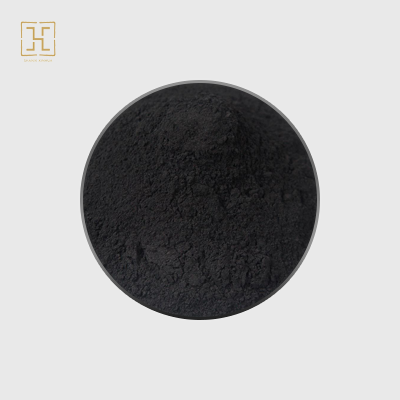
To choose the best powdered activated carbon for commercial use, it's important to know the main differences between those made from coal and those made from wood. Due to its unique mesoporous structure and higher mechanical strength, Coal-based powdered activated carbon performs better in emergency wastewater treatment and quick decolorization situations. This material is made from high-quality anthracite coal that has been carbonized and activated in a controlled way. It has great adsorption kinetics, with iodine values of 800-1100 mg/g and methylene blue adsorption capacities of 120-180 mg/g. This makes it the best choice for large-scale industrial operations that need reliable performance and low costs.
Understanding Coal-Based and Wood-Based Powdered Activated Carbon
Raw Material Origins and Manufacturing Differences
The main difference between these two types of carbon starts with the starting material. The high-quality anthracite coal that is used to make Coal-based powdered activated carbon types is crushed, ground, carbonized, activated, and refined. This multi-stage production makes particles that are all the same size, between 200 and 325 mesh, and a material that doesn't have a set shape and spreads out quickly in both liquid and gaseous media. Wood-based options come from sawdust, coconut shells, or other lignocellulosic materials, which give them different pore shapes and ways of absorbing substances.
The choice you make between these things has a direct effect on how well the process runs. Coal-based powdered activated carbon typically exhibits greater density and mechanical strength, which means that less sludge is made during the cleaning of wastewater. Wood-based carbons usually have bigger micropores, which means they can capture smaller molecular chemicals but aren't as good at getting rid of big molecules of dye in industrial decolorization tasks.
Fundamental Chemical and Physical Properties
The processing method has a big effect on the final product's properties. Coal-based powdered activated carbon is usually physically activated with steam at high temperatures. This makes the pores evenly spread across the micro, meso, and macropore ranges. This structure benefit makes it possible for fast adsorption to happen within 30 minutes for emergency situations like quick increases in COD or colour contamination that could threaten compliance with regulations.
Chemical activation processes are often used on wood-based options to make structures that are mostly microporous. This setup works great for gas-phase uses and getting rid of small organic molecules, but it doesn't work as well when dealing with complicated industrial wastewater that has heavy metals, large organic compounds, and many other contaminants at the same time.
Industrial Application Contexts
Depending on the problems they face, different businesses need different types of carbon. Wood-based choices are often preferred by municipal water treatment plants that handle drinking water because they are natural and good at getting rid of taste and smell. Coal-based powdered activated carbon stays strong in harsh conditions, which is good for petrochemical plants, refineries, and chemical makers that work in high-temperature, corrosive environments.
In emergency situations involving sewer cleaning, materials that work right away are needed. This need is met by Coal-based powdered activated carbon, which spreads instantly and shows effects within two hours. This stops discharge violations and expensive production shutdowns. Coal-based powdered activated carbon has high methylene blue adsorption values, which help food and drink makers get reliable decolorization. These products achieve more than 95% decolorization efficiency.
Technical Comparison: Coal-Based vs Wood-Based Powdered Activated Carbon
Adsorption Performance Metrics
When you look at certain technical signs, the difference in success becomes clear. Coal-based powdered activated carbon usually has iodine levels that reach 1100 mg/g, which means it has a lot of surface area and can absorb a lot of things. The methylene blue adsorption parameter, which rates how well big molecules can remove dye, is between 120 and 180 mg/g for high-quality products, which is a lot better than wood-based options.
Adsorption kinetics are important when processes have to meet safety requirements quickly. The mesoporous shape of Coal-based powdered activated carbon makes mass transfer faster, which means that pollution can get to active adsorption sites more quickly. Compared to wood-based materials, this structural benefit cuts down on the contact time needed and the amount of material that needs to be used to get the same effects.
Physical Characteristics and Handling Considerations
The spread of particle sizes affects both efficiency and safety during operations. Good Coal-based powdered activated carbon keeps particle sizes under tight control, and most of it goes through 200-325 mesh screens. This uniformity makes sure that the treatment goes through all of the systems evenly, without any dead spots or channels that would make the treatment less effective.
Creating dust while handling things is a safety issue in the workplace. Modern ways of making things can lower the amount of dust to below 1%, which protects workers and keeps buildings cleaner. Another important feature is that the ash content usually stays at 8% or less in high-quality Coal-based powdered activated carbon, but it can be changed for uses that need even more purity. A lower ash content stops secondary pollution and lowers the amount of waste that needs to be thrown away.
Cost-Effectiveness and Supply Chain Factors
Decisions about what to buy are affected by budget limits in every industry. Coal-based powdered activated carbon has better cost-to-performance rates for large-scale industrial uses, especially when dosing efficiency and the cost of getting rid of sludge are taken into account. The higher mechanical strength keeps the material from breaking down while it's being handled and increases the useful contact time, which increases the adsorption efficiency per unit cost.
Stable supplies affect the ability to keep operations going. Raw materials for Coal-based powdered activated carbon are easy to come by, and the infrastructure for making them is well-established. This means that suppliers can keep large inventories and flexible supply schedules. Standard orders usually ship between 7 and 15 days, but we offer faster service for emergencies that need delivery within three days through priority shipping routes.
Choosing the Right Activated Carbon for Industrial Use
Application-Specific Performance Requirements
The practical problems in your building should guide the choice of materials. Coal-based powdered activated carbon is good for wastewater treatment plants that have to deal with different types of influent because it can successfully remove colour, COD, heavy metals, and organic chemicals all at the same time. The balanced pore structure can hold molecules of different sizes, which gives the treatment freedom when the features of the influent change.
When using petrol, there are different things to think about. Materials that are the same size as the molecules of contaminants are needed for VOC removal systems and waste gas cleaning equipment. Carbon made from wood works best with smaller gas molecules, but Coal-based powdered activated carbon works better with bigger organic vapours and mixed-contaminant streams that are common in petrochemical and industry settings.
Regulatory Compliance and Certification Standards
In controlled businesses, buying activated carbon is driven by meeting standards for environmental waste. Products that are approved by ASTM D3860 or GB/T 12496 standards are guaranteed to work consistently. Quality standards like ISO 9001, ISO 14001, and ISO 45001 show that a provider cares about managing quality, protecting the environment, and keeping workers safe.
The departments that buy things for cities need a lot of proof that the products they buy are safe and effective. Maintaining hygiene licenses for drinking water treatment products and having full-service testing labs staffed by qualified physicochemical analysis experts are signs that a supplier can meet your compliance documentation needs at all stages of the procurement and operational lifecycle.
Supplier Evaluation and Quality Assurance
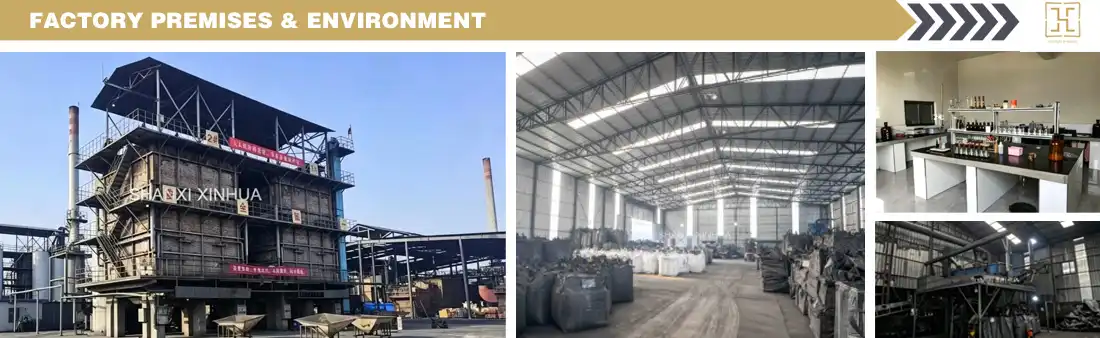
Reliable providers are open and honest about every step of the production process. Scale and redundancy are shown by factories that have various production sites with a large annual capacity, like 45,000 tonnes. This keeps your supply chain running smoothly even if something goes wrong. Production sites with advanced production tools and standardised testing labs make sure that stability from batch to batch is maintained, which is important for predicting how a treatment will work.
Premium suppliers are different from basic suppliers because they offer technical help. Partnerships with universities and research centers show that new ideas are being explored and that people can get access to the latest absorption technologies. Suppliers who have core idea rights in modified activated carbon and take part in national standard development have the knowledge to make products work better and give better advice on how to use them.
Production Processes and Quality Control
Manufacturing Methods and Activation Techniques
Through a series of carefully controlled steps, raw anthracite coal is turned into a designed adsorption material. Crushing and grinding lower the size of coal particles to certain levels while keeping the carbon structure intact. When carbonization happens at controlled temperatures, volatile chemicals are driven off. This makes the first structure of pores. At temperatures above 800°C, steam activation creates the large surface area and pore volume that determine the ability to adsorb.
The choice of raw materials is the first step in quality control. Premium Jurassic anthracite coal has very few flaws and the right amount of carbon, which makes activated goods with less ash and better absorption. When production sites use defense-grade quality control systems that were originally made for chemical protection technology, they get very consistent and reliable results.
Testing Standards and Performance Verification
Full testing makes sure that the product meets the standards before the materials get to your building. The iodine number test measures the total surface area and the general ability to absorb substances. Methylene blue adsorption rates the ability of big molecules to bind, which is important for decolorization tasks. Analysing the ash content ensures that the cleanliness levels meet the needs of your process. Moisture content verification, which usually keeps amounts at or below 5%, keeps materials from breaking down while they're being stored and makes sure that dose estimates are correct.
As part of checking physical characteristics, particle size distribution analysis is used to prove mesh specs, and bulk density measurements help with system design and the size of dosing tools. Advanced providers do testing that is specific to the application, modelling your real process conditions to make sure the system works well before it is fully implemented.
Real-World Case Studies and Applications
Municipal Wastewater Treatment Emergency Response
Input COD levels suddenly rose above 500 mg/L at a city treatment plant that processes 50,000 cubic meters of wastewater every day, which put compliance with the release permit at risk. Granular carbon devices that were used in the past needed longer contact times, which couldn't fit into the emergency schedule. When 150 mg/L of Coal-based powdered activated carbon was added, the COD level dropped to a safe level within 90 minutes. The very small particles spread out right away throughout the treatment system, adsorbing right away across the whole process space. Rapid settling with coagulants reduced the problems that came up when dealing with sludge.
Industrial Decolorization in Beverage Manufacturing
A company that makes drink syrup needed to remove colours consistently to keep up with standards for how the products looked. In the first tests with wood-based powdered carbon, 75% of the colour was removed, but there were some taste changes that were not acceptable in the finished goods. When the material was changed to Coal-based powdered activated carbon and had methylene blue values above 150 mg/g, 96% of the colour was removed at lower dose rates. The lower ash level (below 8%) got rid of any remaining taste effects, and the higher mechanical strength made the filters less loaded and the equipment last longer.
Comparative Selection in Chemical Processing
A chemical processor looked at both types of carbon to see which would be best for cleaning up intermediate molecules that had both mixed molecular weight organics and small amounts of heavy metals. Wood-based carbon was good at getting rid of smaller fraction compounds, but it wasn't very good at getting rid of heavy molecules and metals. In one treatment stage, Coal-based powdered activated carbon got rid of 92% of the pollutants in question across all molecular weights. The balanced hole structure could hold molecules of different sizes at the same time. This made the purification process easier, cut treatment costs by 28%, and made the end product purer.
Conclusion
To choose between Coal-based powdered activated carbon and powdered activated carbon made from wood, you need to fit the material properties to your specific working needs. Coal-based choices work very well for quickly cleaning up wastewater in an emergency, removing colour from wastewater in factories, and other situations where different types of contaminants need to be absorbed quickly. Coal-derived materials are great for large-scale industrial processes that have to meet strict regulatory deadlines because they are cost-effective, have good mechanical strength, and have evenly distributed pores. Wood-based options can still be used in some situations where microporous shapes are needed. When making your choice, you should think about how well the adsorption works, how it handles, how reliable the supply chain is, and the total cost of ownership. You should also think about the operational difficulties and legal requirements at your plant.
FAQ
Which powdered activated carbon type works best for emergency wastewater treatment?
Coal-based powdered activated carbon works better than wood-based alternatives in emergency situations where contaminants need to be removed quickly. The mesoporous structure speeds up mass transfer and absorption of a wider range of contaminants. Results can be seen in 30 minutes, and release standards are met in two hours. Because the particles are so small, they can be spread out right away in treatment systems without the need for special tools.
Does particle size significantly impact adsorption performance?
The binding rate and usefulness for an application are directly affected by the particle size. Smaller particles, between 200 and 325 mesh, have a larger surface area on the outside and shorter interior diffusion paths, which speeds up the adsorption rate. In emergency situations and batch processes with short touch times, this feature is very important. Coarser particles might work for ongoing systems with long dwell times, but they won't be able to respond quickly.
What criteria identify reliable activated carbon suppliers?
Look at a supplier's production ability, quality certifications, expert help, and how quickly the supply chain can respond. Look for factories that keep a lot of supplies, have more than one production base, and have ISO certifications. Suppliers who work with research institutions and have patents for their inventions show that they are technically skilled. Standard packages take 7-15 days, and an emergency service that arrives in just three days shows that the business is mature and committed to its customers.
Partner with a Trusted Activated Carbon Supplier
Shanxi Xinhua Carbon Technology Industry Co., Ltd. has been making activated carbon for more than 60 years and can help you with your toughest business problems. Our Coal-based powdered activated carbon regularly gives iodine values of up to 1100 mg/g and methylene blue adsorption values of more than 150 mg/g. With the ability to produce 45,000 tonnes per year across multiple ISO-certified sites, we keep a large inventory to ensure normal delivery within 7-15 days and fast service within three days for urgent needs. Email our expert team at greta@carbonxinhua.com to talk about the needs of your particular application, get performance data, or set up sample tests. We offer unique solutions that are made to fit your business needs. These are backed by defense-grade quality control systems and partnerships with top research institutions.
References
1. American Water Works Association. "Activated Carbon: Principles and Applications in Water Treatment." AWWA Manual M46, Third Edition, 2018.
2. Bansal, Roop Chand, and Meenakshi Goyal. "Activated Carbon Adsorption." CRC Press, Taylor & Francis Group, 2005.
3. Cheremisinoff, Nicholas P., and Paul N. Rosenfeld. "Handbook of Pollution Prevention and Cleaner Production: Best Practices in the Agrochemical Industry." William Andrew Publishing, 2011.
4. Marsh, Harry, and Francisco Rodríguez-Reinoso. "Activated Carbon: Manufacturing and Regeneration." Elsevier Science Publishers, 2006.
5. Ruthven, Douglas M. "Principles of Adsorption and Adsorption Processes." John Wiley & Sons, 1984.
6. U.S. Environmental Protection Agency. "Granular Activated Carbon Treatment: Design and Operation Considerations." EPA/625/R-92/012, Office of Research and Development, 1992.

Send Inquiry
You may like
_1781662034490.webp)