_1778553121707.webp)
Coal-based powdered activated carbon: Properties, Applications & Guide
Jul 17, 2026
Coal-based powdered activated carbon is an important commercial adsorbent that is made by crushing, grinding, carbonizing, activating, and refining high-quality coal in a certain order. This very fine material has evenly distributed particles, a large specific surface area, very fast adsorption kinetics, and a shapeless structure that lets it dissolve right away in liquid or gaseous media. Its ability to quickly and effectively remove harmful substances makes it an essential part of decolorization, wastewater purification, and flue gas treatment processes where speed and effectiveness are key to meeting compliance standards.
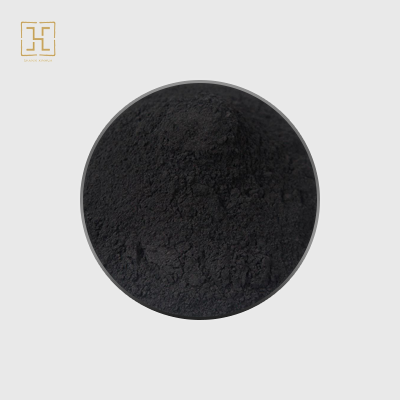
Understanding Coal-Based Powdered Activated Carbon
The substance comes from activating anthracite or bituminous coal at high temperatures. This heat process makes a big network of tiny pores inside each particle, giving them surface areas between 800 and 1600 m³/g. The powdered form, on the other hand, can contact target contaminants right away because its particles are usually between 200 and 325 mesh, while the granular form needs more time to work.
Physical and Chemical Characteristics
Powdered activated carbon made from coal has unique properties that industrial users need to know about before they use it in their work. The iodine number, which is between 800 and 1,100 mg/g, shows how many small-molecule organic compounds can fit. The methylene blue number, which is between 120 and 180 mg/g, shows how well it works against bigger dye molecules and color bodies. Keeping the ash content below 8% in high-quality formulations keeps it from getting in the way of the purification process and makes disposal easier.
The moisture content stays below 5% so that the product can still flow and doesn't clump while it's being stored or dosed. The bulk density ranges from 0.35 to 0.55 g/mL, which changes the cost of shipping and the size of dosing tools. After being activated, the material's pH usually falls between 7.0 and 9.5, but these ranges can be changed depending on the needs of the application. When purchasing managers know these factors, they can better match product grades to specific treatment problems.
Manufacturing Process and Quality Control
The first step in production is choosing coal based on its carbon content, volatile matter, and mineral impurities. After the size is reduced mechanically, carbonization at 400–600°C gets rid of volatile compounds and makes the first holes. The final pore structure is made by activation, which can be done chemically with phosphoric acid or zinc chloride or by injecting steam at 800–1000°C. After post-activation cleaning, the material is dried, milled to specifications, and screened to make sure that the particles are all the same size.
Each batch of products is checked by quality assurance labs against ASTM D3860 or GB/T 12496 standards. They check for iodine value, ash content, moisture, pH, and hardness. The particle size distribution analysis confirms the mesh specifications, and the density measurements show how the material can be handled. This thorough testing makes sure that performance is the same from batch to batch, getting rid of the differences that lead to treatment failures and compliance problems.
Adsorption Mechanisms and Performance Factors
Physical van der Waals forces and chemical bonds between contaminant molecules and carbon surfaces make adsorption happen. Micropores are smaller than 2 nm, mesopores are between 2 and 50 nm, and macropores are bigger than 50 nm. The hierarchical pore structure makes pathways for molecules to reach adsorption sites. Micropores give things a surface area and the ability to absorb things, while mesopores and macropores help move mass around.
The size of the particles has a huge effect on performance. Adsorption rates are faster when particles are smaller because they have more surface area and shorter diffusion paths. This is why powdered carbon reaches equilibrium in 30 to 120 minutes instead of hours for granular forms. Capacity is affected by temperature, pH, and competitive adsorption from various contaminants. Dosage needs to be changed based on water chemistry and treatment goals.
Key Applications of Coal-Based Powdered Activated Carbon
Industrial facilities use coal-based powdered activated carbon for a variety of cleaning tasks, where it can work quickly and completely to get rid of contaminants, which supports its one-time use model. Because it is so flexible, it can be used for both normal tasks and emergencies.
Water and Wastewater Treatment Solutions
When algal metabolites like geosmin and 2-methylisoborneol cause changes in taste and smell that happen only during certain times of the year, municipal drinking water plants add powdered carbon. Doses are usually between 5 and 20 mg/L, but they depend on the concentration of the contaminants and how well they need to be removed. These compounds are absorbed by the carbon before they coagulate and filter. This keeps service quality high and stops customers from complaining.
Different problems arise at industrial wastewater treatment plants. When there are sudden chemical spills or problems with the process, COD levels can rise above the limits for release. Adding 50–200 mg/L of powdered carbon treats the water right away and lowers the amount of organic matter in it within hours. It gets rid of over 95% of the color in textile processes before the final effluent release. It is used by food processing plants to get rid of any pesticides, antibiotics, or phenolic compounds that might be left behind and cause them to break the rules.
Integration happens at different points in treatment. Some plants put carbon in before the clarifiers so that the carbon has enough time to react with the sludge and become part of the stream. Some people add it when the pH level is balanced or as a finishing step after biological treatment. Being able to dose in the best places fits treatment needs to the limitations of each spot.
Air Purification and VOC Control
Granular carbon is used most of the time in fixed-bed air treatment systems, but powdered forms have specific uses. Industrial pollution scrubbers add a slurry of carbon particles to the gas streams. The particles stick to the gases and pick up volatile organic compounds, mercaptans, and reduced sulfur compounds. The used slurry is separated, and the carbon is either thrown away or used again, depending on how much it costs.
Powdered carbon is being injected into flue gas from incinerators and power plants more and more, before particulate control devices. The substance soaks up mercury, dioxins, and furans, stopping the release of these harmful chemicals into the air. With injection rates between 10 and 100 mg/Nm³, you can follow the rules and save money on capital costs compared to fixed-bed systems.
Carbon's broad-spectrum absorption is useful for controlling smells. When wastewater treatment plants get complaints about hydrogen sulfide, they either spray carbon slurry on biosolids or put it into collection systems. When composting businesses get complaints from neighbors, they add it to the air handling systems. This neutralizes the ammonia and organic volatiles that cause smells that people don't like.
Pharmaceutical and Specialty Chemical Manufacturing
When antibiotics, vitamins, and active medicinal ingredients are made, process streams are created that contain residual organics, color bodies, and small amounts of impurities that need to be removed in order to meet purity standards. These contaminants can be removed with powdered carbon treatment during the crystallization or final purification stages, which doesn't require the installation of any complicated equipment.
Powdered carbon is flexible, which is important for batch processing centers. Adding 0.5 to 5% by weight to reaction vessels or crystallizers and then filtering it gets rid of the impurities while keeping the final yield the same. The low amount of ash in the material and the small amount of heavy metal contamination keep new impurities from getting in. This is an important factor for pharmaceutical quality systems that are regulated by the FDA.
Carbon is used to remove catalyst residues and change the color of intermediates by companies that make specialty chemicals like dyes, pigments, and performance chemicals. By controlling activation, manufacturers can change the pore structure and surface chemistry to get the best performance for specific molecular targets. This improves removal efficiency and lowers the dosage needed.
Comparing Coal-Based PAC with Other Activated Carbons
To choose a material, you need to know how the different types of carbon and their physical forms affect each other. When choosing coal-based powdered activated carbon, you need to look at each variation because each has its own benefits that depend on the application, cost, and performance goals.
Coal-Based Versus Alternative Raw Materials
The micropore volume and iodine numbers of coconut shell carbon are higher, up to 1,200 mg/g. This makes it better for small-molecule uses like getting rid of chlorine and cleaning pharmaceuticals.
Organizations that care about the environment like that it comes from renewable sources and has a low ash content. Costs are 30–50% higher than coal-based alternatives, though, which keeps them from being used in large-scale water treatment where money is important.
Because it is mesoporous, wood-based carbon is very good at getting rid of colors; its Methylene Blue values can reach 300 mg/g. Because of this, it is perfect for food-grade uses that need to get rid of color without changing the taste. It costs less to ship per cubic meter of treatment capacity because it is less dense, but the higher price per pound cancels out this benefit. For applications that come into direct contact with food, regulations favor wood-based grades in the processing of drinks and edible oils.
For general industrial uses, coal-based powdered activated carbon strikes a good balance between price and performance. Its mechanical strength lets it handle pushing and mixing forces without breaking down too much, which cuts down on dusting and material loss. Supply security and stable prices are ensured by large coal reserves, which are important for facilities that keep track of their annual carbon consumption, which is measured in tons. The structure with lots of mesopores works well for treating wastewater where the molecules being treated are very different in size and charge.
Powdered Versus Granular Activated Carbon
Physical form changes how applications are used and how well they work in basic ways. Granular carbon has particles that are between 0.5 and 4 mm in size. It can be used again and again in fixed-bed columns or moving-bed contactors, where water flows through a mass of carbon that slowly saturates over weeks or months. Regeneration using thermal reactivation or solvent washing makes the service life longer and lowers the cost of running ongoing treatment applications.
Powdered carbon's one-time use model works best for occasional or emergency treatments where speed is more important than reusability. Dosing flexibility lets workers change the amount of additives based on the quality of the water in real time, so the quality of the effluent stays the same even if the quality of the influent changes. Installation is easier because you only need mixing and storage equipment instead of specialized contactors. This means you need less money and space.
Contact time differences have a big effect on how a system is designed. For effective treatment, granular beds need 10 to 30 minutes of empty bed contact time, which means that large vessel amounts are needed. After being mixed, powdered carbon reaches equilibrium in 30 to 120 minutes, which means that it can be treated in existing tanks without the need for special contactors. This advantage is very helpful in emergency situations where it's not possible to install new equipment.
Decision Criteria for Procurement Managers
To choose the right carbon type, you need to carefully look at a lot of different factors. Whether the simplicity of powdered carbon or the reusability of granular carbon is better in terms of cost depends on how often it is used. Powdered carbon is better for facilities that only need to treat seasonal taste and smell problems three months a year because it doesn't need to be maintained all year, as granular systems do. Granular systems are more cost-effective for operations that need to remove organic matter continuously, even though they require more capital investment.
Material selection is based on the features of the contaminants. Coal-based carbons with well-developed mesopore structures work better with big dye molecules and color bodies. Small, volatile organics like chloroform or trichloroethylene stick to the microporous network of carbon in coconut shells better. For multi-component contamination, it is common to need to use jar tests or pilot studies to test different carbons and find the best one.
Decisions are affected by deadlines for regulatory compliance. Powdered carbon's ability to be quickly deployed is needed by facilities that are facing immediate discharge violations. People who want to improve their systems over a number of years can buy granular contactors that can be automatically regenerated. These will save them money in the long run once they are installed. Capital and operating budgets limit what you can do, and you need to carefully compare all of your choices by analyzing their lifecycle costs.
Procurement Guide for Coal-Based Powdered Activated Carbon
Choosing where to get something affects not only how well the treatment works right away, but also how reliable it is in the long run and how much it costs. Knowing what a supplier of coal-based powdered activated carbon can do, how to check the quality, and what logistics issues to think about are important for a successful procurement.
Identifying Qualified Manufacturers and Distributors
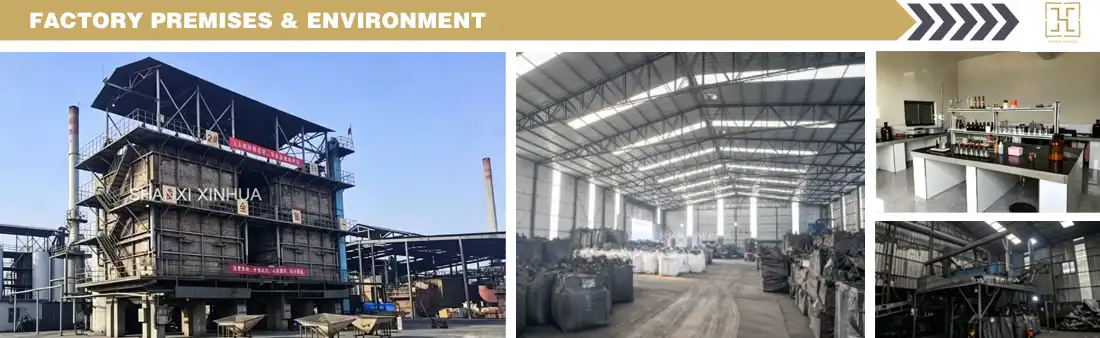
Reliable suppliers of activated carbon make sure their factories have up-to-date activation equipment, trained chemists working in the labs, and quality systems that are certified to ISO 9001 standards. When these credentials are checked, you can be sure that the product will work and that you can get expert help. Manufacturers with more than one production base offer supply security by making sure their products are available even when demand goes up or when they need to do maintenance on their facilities.
Leaders in an industry can tell the difference between commodity suppliers and technical collaborators. Having access to applications engineers who know about treatment chemistry and can suggest the best goods and dosages adds value on top of the material itself. When suppliers do pilot tests at the customer site or test samples in their own labs, it shows that they care more about good outcomes than just making sales.
Customers can get goods that are customized to meet specific needs that standard products can't meet. For tough jobs, producers who offer iodine values that can be changed, ash content that is lowered, pH control, or changed surface chemistry through special treatments can help. Distributors and system integrators that serve certain market segments can benefit from OEM partnerships that let them use their own labels and make their own packaging.
Pricing Structures and Logistics Considerations
The price of activated carbon depends on the cost of raw materials, how hard it is to make, quality standards, and the state of the market. Powdered carbon of a standard grade for treating wastewater usually costs less than special mixes made for food or medicine. When you sign an annual contract to commit a certain amount of volume, you get better pricing and a guaranteed allocation. This protects you from spot market volatility when supply is limited.
Minimum order quantities are a way for customers to balance the need for cheap production runs with their limited storage space. Bulk shipments in 500-1,000 kg super sacks or 20-ton pneumatic tankers have the lowest unit costs, but they need the right facilities for receiving and storing the goods. Smaller amounts packed in 25 kg bags are easier to handle and don't cost much more, so they're good for places that can't store a lot of stuff or use a lot of carbon.
Delivery times depend on the type of product and how it needs to be customized. Manufacturers who keep a lot of standard grades in stock usually ship them within 7 to 15 days, which meets regular needs for restocking. Lead times can go up to 15 to 30 days for custom formulations that need special processing, so you need to plan ahead for long-term needs. Setting up a framework that deals with scheduled deliveries keeps you from running out of stock and keeps you from having to pay too much to store it.
Global logistics make it easy for manufacturers to serve markets around the world. Containerized shipping with the right moisture barriers and air flow keeps the quality of goods while they're in transit across the ocean. When you need to get something quickly, air freight is the way to go. Experienced sellers handle clearing customs, providing safety data sheets in local languages, and giving advice on import rules, which makes buying things from other countries easier.
Certification Validation and Quality Assurance
Products that are certified to NSF/ANSI Standard 61 or regional standards that confirm they are safe for human consumption are needed for drinking water applications. Each shipment came with a Certificate of Analysis that compared the parameters to the specifications. This made it possible for quality audits and regulatory inspections to be tracked. Verification by a third-party lab gives you extra peace of mind when meeting specifications is very important.
When a factory is ISO certified, it means that they have a system for managing quality that includes controlling raw materials, keeping an eye on the production process, testing the finished product, and always making things better. ISO 14001 environmental certification shows that a company uses responsible manufacturing practices, which is becoming more and more important for customers who care about the environment. The ISO 45001 certification for health and safety at work guarantees worker safety, which is important for policies that promote socially responsible buying.
Material Safety Data Sheets tell you how to properly handle, store, respond to an emergency, and get rid of hazardous materials. By reading these papers before making any purchases, you can be sure that they are in line with facility safety rules and worker training needs. Technical data sheets with typical properties, application guidelines, and dosage suggestions help with deployment and troubleshooting.
Maximizing the Value of Coal-Based PAC in Your Operations
For deployment to go well, you need to do more than just choose good materials. To get the most out of coal-based powdered activated carbon while keeping costs low, it's important to know its operational limits, find the best ways to use it, and plan how to handle waste.
Dosage Optimization and Application Best Practices
Jar testing figures out the lowest dose that will work in a certain water quality situation. The dose-response relationship is found by mixing known amounts of carbon with representative water samples, shaking the mixture for 30 to 120 minutes, and then filtering and testing the residual contaminants. By testing a range of dosages, the point at which adding more carbon has diminishing returns is found, revealing the best working dosage.
How the treatment is applied affects how well it works. Dry feeders measure carbon into mix tanks or rapid mix basins. To protect workers and keep materials from being lost, dust control measures are needed. Carbon is mixed with water in slurry systems so that the concentration is between 2% and 20%. This mixture is then pumped to the application points so that it is easier to handle and spreads out better. Pulse dosing, which means adding full amounts all at once, often works better than continuous feeding because it maximizes the concentration differences that drive adsorption.
Contact time needs depend on the contaminants and carbon properties that are being used. Small molecules quickly reach equilibrium, which means that contact times are quicker. Large molecules move slowly into micropores, so they need to be mixed for a long time before they can fully adsorb. Gentle stirring during contact stops carbon from settling and stops attrition, which makes fines and makes separation harder.
Handling, Storage, and Safety Considerations
Fine particles of powdered carbon can explode if they get mixed with air in large enough amounts. Electrical equipment in places where it is stored or handled needs to be classified for dusty environments. During pneumatic transfer, bonding and grounding steps stop static discharge burning. Regular cleaning gets rid of built-up dust, which lowers the risk of fire and keeps the workplace clean.
When handling things that make dust in the air, you need to wear respiratory protection. Half-face respirators with P100 refills are a good way to protect yourself when emptying bags or fixing equipment. Enclosed transfer systems keep people from getting too close, but controlling breakthrough dust may need local exhaust ventilation. Material handling is safe when employees are trained on these risks.
The places where things are stored should stay dry and out of the weather. Picking up moisture makes it harder for things to flow and helps living things grow. Elevated pallets keep the ground from wicking away moisture, and covers that don't get damaged by the weather protect outdoor storage. Keeping activated carbon away from things that don't work with it, especially strong oxidizers, stops accidents from happening.
Emerging Trends and Technical Innovations
Surface modification techniques make carbon more selective for certain contaminants. To improve organic adsorption, acid cleaning lowers the amount of ash present and changes the chemistry of the surface. Adding metal oxides or salts to a material makes it possible for target molecules to be destroyed catalytically instead of just physically adhering to it. These functional carbons deal with new pollutants such as PFAS, pharmaceuticals, and endocrine disruptors that make it hard for traditional materials to work.
Even though powdered carbon is only useful once, regeneration technologies are trying to make it last longer. Adsorption capacity can be restored without heat treatment using advanced oxidation processes that use ozone, hydrogen peroxide, or UV light. Even though these methods don't fully restore virgin capacity, they do lower carbon emissions and disposal costs for facilities that are technically advanced enough to use them.
When powdered and granular carbons are used together in hybrid systems, both the capital and operating costs are minimized. Granular contactors are used as a base treatment, and adding powdered carbon during upset conditions increases capacity without making the permanent infrastructure too big. This adaptability fits the treatment capacity to the demand, not the worst-case design conditions.
Conclusion
Coal-based powdered activated carbon gets rid of contaminants quickly and effectively in processes like cleaning air, treating water, and making chemicals. Its unique mix of small particles, a lot of surface area, and different adsorption properties makes it useful for both regular and emergency cleaning. When procurement managers and process engineers know about the properties of materials, how they can be used, and what suppliers can do, they can come up with the best solutions that meet business needs and are also cost-effective. As rules about the environment get stricter and the need for treatment grows, this tried-and-true technology keeps improving by adding new surface features, hybrid system designs, and regeneration ideas that make it useful in more industrial areas.
FAQ
What advantages does coal-based PAC offer compared to other carbon types?
Powdered activated carbon made from coal works well and doesn't cost much for general industrial uses that need to get rid of a wide range of contaminants. It can handle mixing forces without breaking down too much, and there is a lot of coal fuel, which keeps prices low and the supply stable. The mesoporous structure successfully captures both small and large organic molecules. This makes it useful for decolorizing wastewater, lowering COD, and controlling VOCs in situations where the high price of coconut shell carbon is not justified.
How do I calculate the correct dosage for wastewater treatment?
Jar testing gives you empirical dosage information that is specific to the quality of your water. Mix typical samples with carbon doses between 25 and 200 mg/L, stir for an hour, filter, and look for any leftover contaminants. Plot the results to find the dose that meets the treatment goals. Pilot testing on a larger scale confirms performance before full implementation, taking into account the limits on mixing and contact time that come with real treatment systems.
Can powdered activated carbon be regenerated and reused?
Thermal regeneration is usually not a good idea for powdered carbon because it is hard to collect, and material is lost when it is handled. Using advanced oxidation with ozone or UV rays could help with in-situ regeneration in slurry systems, but only some of the capacity can be restored. Powdered carbon is usually only used once, and the used material is thrown away by mixing it with sludge streams. Granular carbon works well in situations where the economics of regeneration make the investment worth it.
Partner with Shanxi Xinhua Carbon Technology Industry Co., Ltd. for Superior Activated Carbon Solutions
To get solid results for purification, you need to work with Coal-based powdered activated carbon manufacturers who know how hard your business is. Shanxi Xinhua Carbon Technology Industry has been making activated carbon for more than 60 years and has ISO-certified quality processes and the ability to make 45,000 tons of it every year across several facilities. Our coal-based powdered activated carbon has ash content below 8%, iodine values up to 1,100 mg/g, and particle sizes between 200 and 325 mesh. It can quickly adsorb substances in 30 minutes and is used for emergency wastewater treatment, industrial decolorization, and VOC control.
Through our nationwide logistics network, we can offer standard delivery times of 7–15 days and emergency shipping times of 3 days. Customization options meet unique needs for pore structure, surface chemistry, and performance traits. This is made possible by working together technically with research institutes at Tsinghua University and the Chinese Academy of Sciences. Get in touch with our technical team at greta@carbonxinhua.com to talk about your purification needs and get product suggestions based on performance data and compliance certifications.
References
1. Chen, W., & Zhang, L. (2018). Activated Carbon: Properties and Applications in Environmental Engineering. Chemical Industry Press.
2. Marsh, H., & Rodríguez-Reinoso, F. (2021). Activated Carbon: Science and Technology of Colloidal, Microporous, and Mesoporous Adsorbents. Elsevier Science Publishers.
3. Bansal, R. C., & Goyal, M. (2019). Activated Carbon Adsorption for Water Treatment: Fundamentals and Applications. CRC Press.
4. Derbyshire, F., & Andrews, R. (2020). Coal-Based Activated Carbons: Production, Characterization, and Industrial Applications. Springer Nature.
5. Yang, R. T. (2017). Adsorbents: Fundamentals and Applications of Activated Carbon, Zeolites and Metal-Organic Frameworks. John Wiley & Sons.
6. Crittenden, J. C., Trussell, R. R., Hand, D. W., Howe, K. J., & Tchobanoglous, G. (2019). Water Treatment: Principles and Design, Third Edition - Activated Carbon Adsorption Processes. John Wiley & Sons.

Send Inquiry
You may like
_1781662034490.webp)