_1778553121707.webp)
Coal-based powdered activated carbon for wastewater treatment
Jul 07, 2026
For the cleaning of industrial wastewater, Coal-based powdered activated carbon offers a crucial option. This material is made from high-quality anthracite coal that has been carefully crushed, ground, carbonised, and activated. It has uniformly fine particles and great adsorption performance. Its very small size lets it spread out quickly in water, which means that organic pollution, heavy metals, and colour compounds can be removed in minutes. With iodine levels above 1100 mg/g and methylene blue levels between 120 and 180 mg/g, this material meets the immediate compliance needs of wastewater treatment plants, petrochemical plants, and food processing plants.
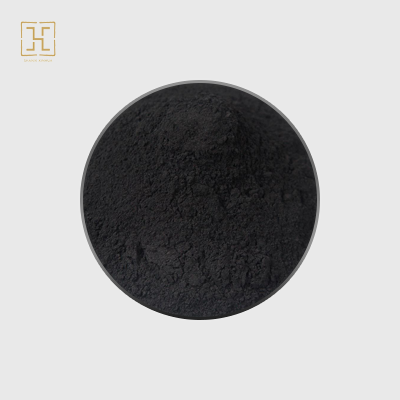
Understanding Coal-Based Powdered Activated Carbon
What Makes This Material Unique
Powdered carbon materials work because they have tiny hole networks that are made when they are heated up. The Coal-based powdered activated carbon version has a balanced mesoporous structure, with holes that are 2 to 50 nanometres across. This makes it very good at catching complex organic molecules that are found in industrial wastewater. This makes it different from some types of coconut shell, which tend to have smaller holes that work better for gas-phase uses.
The first step in making something is finding good reserves of bituminous or anthracite coal. Once the raw material's size has been reduced mechanically, it goes through carbonisation at 400–600°C in settings with little air. This removes volatile compounds while keeping the carbon structure. After being heated to 800–1000°C with steam or carbon dioxide, the internal hole system that allows for adsorption is formed. Specific surface areas in modern factories are between 900 and 1500 m³/g, which is about the same as packing several football fields into a single gram.
Comparing Performance Across Carbon Types
Activated carbons made from different raw sources have different properties. Powdered goods made from wood are very pure, with an ash content of less than 3%. This makes them perfect for medicinal uses that need to keep contamination to a minimum. Different types of coconut shells are harder and denser, which makes them last longer in fixed-bed setups. Coal-based products are the most common way to treat large amounts of wastewater because they are both cost-effective and effective against a wide range of contaminants.
Material choices are being affected by environmental factors more and more. Adsorbents made from coal use a lot of resources that are found in large industrial areas, which cuts down on transportation emissions compared to options that are brought in from other countries. Modern factories have closed-loop systems that collect activation gases and use them to restore energy, which makes the factories much more environmentally friendly. Maintaining ISO 14001 environmental management certification is a sign of a responsible supplier's dedication to reducing their impact on the environment throughout the entire production process.
Choosing the Right Activated Carbon for Wastewater Treatment
Performance Metrics That Matter
When purchasing, teams look at absorbent materials, teams should pay attention to a few important details. The iodine number shows the size of the micropores and is related to the ability of the material to adsorb small molecules. The number of methylene blue tells you how well it will work against bigger organic compounds, like dyes and colour bodies that are common in wastewater from food or cloth processing. Ash content affects both how well the adsorbent works and how the waste is managed after cleaning. Lower ash percentages mean less sludge that needs to be thrown away.
Industrial case data shows the useful benefits of powdered carbon made from coal. A petroleum company in the Midwest that treated 500,000 gallons of water every day was able to lower COD levels from 850 mg/L to below 100 mg/L by adding 25 mg/L at a time. Within 45 minutes of contact time, 88% of the COD was removed. Similar wood-based goods needed 30% more of them to get the same effects, which meant big price differences on an industrial scale.
Granular Versus Powdered Forms
Knowing the differences between formats helps you choose the right program. Granular activated carbon (GAC) works well in systems with continuous flow where water moves through fixed beds. Particle sizes between 0.5 and 2.5 mm allow for long contact without too much pressure drop. This style works great for cleaning surfaces over time and purifying drinking water. Coal-based powdered activated carbon also plays an important role in fine adsorption processes where rapid contaminant removal is required.
Powdered versions have clear practical benefits. Their submicron particle sizes—usually 200-325 mesh or smaller—enable fast diffusion in treatment pools. They reach equilibrium adsorption in 20–40 minutes, while granular beds take several hours. This speed is very helpful in compliance situations, like when treatment plants have to deal with sudden spikes in pollution that could mean they break their release permit. The ease of batch dosing lets workers change application rates flexibly based on the quality of the influent in real time, which maximises chemical use.
Coal-Based Powdered Activated Carbon Production and Quality Assurance
Manufacturing Excellence Standards
Screening the raw materials very carefully is the first step in making good products. Premium makers get their coal from certain rock formations that have a steady amount of carbon and few impurities. The mines in Shanxi province were made in the Jurassic period. They contain anthracite coal with fixed carbon percentages higher than 85%, which makes it a great material for making high-performance adsorbents.
Product quality is directly affected by activation technology. Modern rotary kiln systems keep exact temperature profiles throughout the processes, which ensures that all output batches have the same amount of pores. Some of the steps that are done after activation are acid cleaning to lower the amount of ash, magnetic separation to get rid of metallic impurities, and multistage screening to get the particle sizes that are needed. Facilities with ISO 9001 certification follow written steps at every stage of production. This makes it possible to track the whole process from the raw coal to the finished product.
Certification and Compliance Frameworks
Buyers in the industrial sector need to know that the products they are buying meet all the necessary regulations. The ASTM D3860 standard sets performance requirements for Coal-based powdered activated carbon that is used to treat water in North America. The standard spells out how to test for iodine number, moisture content, ash percentage, and particle size distribution. This gives suppliers a way to be judged objectively.
When making decisions about purchases, safety at work needs to be taken into account. Reliable makers give out detailed Safety Data Sheets that explain how to handle the product safely, how much contact is safe, and what to do in an emergency. Products that meet OSHA guidelines for managing flammable dust have anti-static chemicals and moisture conditioning that lower the risk of explosions during bulk handling.
Best Practices for Using Coal-Based PAC in Wastewater Treatment
Optimized Dosing Strategies
When you mix things the right way, they are fully distributed and can absorb as much as possible. After adding carbon, mechanical stirring should go on for 30 to 60 minutes, making sure that the velocity gradient stays between 50 and 100 s⁻³. This will keep the particles from settling and the shear forces that could break flocs in mixed coagulation systems at bay. Sequential dosing, which divides total amounts into several smaller doses, can improve results when treating chemicals that are very hard to treat.
Integration With Existing Systems
Activated sludge methods that use Coal-based powdered activated carbon work well together. Aeration basins or equalisation tanks are common addition places where longer touch times naturally happen during treatment processes. This method uses equipment that is already there and doesn't need any special contactor vessels, so it requires less capital input.
Safety and Environmental Management
When working with powdered materials, the right technical rules are needed. During bulk filling, dust suppression systems like bag dump stations with local exhaust air keep workers from breathing in dangerous particles. Automated slurry preparation systems mix dry carbon with water to make pumpable solutions that are then put into treatment processes without having to be handled manually.
Depending on the features of the contaminants that were absorbed, local hazardous waste rules say how to get rid of spent carbon. Carbon that is high in heavy metals usually needs to be stabilised before it can be thrown away in a dump. On the other hand, carbon that is low in organic compounds may be able to be thermally recycled or used as extra fuel in cement kilns. Facilities that are on the cutting edge look into partnerships for renewal, which lowers the cost of waste while supporting the ideas of the circular economy.
Procurement Guide: Buying Coal-Based Powdered Activated Carbon
Strategic Sourcing Considerations
Multiple competing factors must be balanced for buying to go well. Quality standards must match the goals of the treatment. For example, facilities that just want to lower the COD level may accept normal grades with iodine levels around 800 mg/g, but facilities that want to purify drugs need premium goods with iodine levels above 1000 mg/g. By asking for certificates of analysis for recent production lots, you can be sure that the material you are given meets the specs you were given.
For Coal-based powdered activated carbon, supplier dependability has a direct effect on the continuation of operations. Municipal treatment plants and commercial processes that run all the time can't handle supply gaps that could lead to permit violations. When evaluating possible suppliers, you should look at their production capacity, inventory levels, and ability to handle transportation. Manufacturers with more than one production base in different areas can provide supply redundancy that sellers with only one site can't match.
Cost Optimization Through Volume Purchasing
Prices for activated carbon are based on economies of scale, which means that as orders get bigger, prices per unit go down a lot. Truckload quantities (20–25 tonnes) usually have savings of 15–25% compared to container quantities. Facilities with enough covered storage should think about signing contracts every three or six months to get better prices and keep extra supplies in case there are supply problems.
Logistics of delivery affect overall landed costs in addition to the price of the goods themselves. The carbon technology company in Shanxi is called Xinhua, maintains key warehouse spots near major logistics hubs. This lets them send across the country within 3–7 days through partnerships with dedicated transportation companies. Our fleet management system lets procurement teams easily plan receiving operations by watching shipments in real time. You can also choose from different types of custom packing, such as standard 25 kg bags, big supersacks, or pneumatic truck delivery for customers who buy a lot.
Lead Times and Order Fulfillment
Standard items from a regular stock usually ship 7–15 days after an order is confirmed. This time frame allows for checking for quality control, making documents, and planning transportation. Facilities that are looking to improve their treatment systems should let people know what they need 30 to 45 days in advance to make sure that materials are available at the right time for the building goals.
In an emergency, you need to be able to respond quickly. When water treatment plants face sudden threats to compliance, they need to quickly deploy materials to avoid fines from regulators. When we get an urgent request, our emergency response routine kicks in within 24 hours. We have specific production slots and priority logistics that make it possible for important orders to be delivered in 3 days. Hundreds of facilities have been able to handle unexpected pollution events with the help of this green channel service, which doesn't violate environmental permits.
Conclusion
When choosing the right absorbent materials, you have to find a balance between technical performance, cost-effectiveness, and supply stability. From emergency COD reduction to pharmaceutical purification, Coal-based powdered activated carbon has been shown to be useful in a wide range of wastewater treatment uses. Because it spreads quickly and gets rid of a wide range of contaminants, it is an important tool for environmental compliance. Facilities can get the best treatment results while keeping costs low by learning about production quality factors, the right way to apply the medicine, and smart ways to buy it. Partnering with experienced manufacturers who keep their production capacity, technical support, and shipping choices flexible will help you meet ever-stricter discharge standards in the long run.
FAQ
What contaminants does coal-based powdered activated carbon remove from wastewater?
This adsorbent removes organic substances like herbicides, phenols, benzene derivatives, and chlorinated liquids very well. It picks up colourants from paints and natural organic matter that change the colour of the water. Heavy metals like mercury, lead, and chromium stick to carbon surfaces, especially when the pH level is right for metal ion precipitation. The material also lowers the amount of chemicals that cause smells and substances that change the taste of drinkable water. The effectiveness depends on the contaminant's molecular size, polarity, and concentration. Organic molecules that are non-polar and have molecular weights between 100 and 1000 Daltons have the greatest adsorption attraction.
How does coal-based PAC compare to coconut shell carbon in efficiency and cost?
Products made from coal usually cost 30 to 50 percent less per kilogram than products made from coconut shells, but they work just as well for big organic molecules. Coconut shell carbon has a slightly bigger micropore volume, which is good for getting rid of small molecules and using it in gaseous states. Coal-based powdered activated carbon materials are more cost-effective for removing colour from wastewater and lowering COD, which are the most frequent commercial uses. Shell-based goods are more expensive because they need to have very little ash in them or be made from green materials for sustainability reporting reasons.
What safety measures are required when handling this material?
When storing or moving combustible dust, standard safety measures must be taken. By using enough airflow and good cleaning, facilities should keep dust levels below the lower explosive limits. Along with safety glasses and gloves, workers who handle dusty materials should wear respirators that are approved by NIOSH and are rated for nuisance dusts. Oxidising agents and sources of fire must be kept away from storage places. Wet handling systems greatly lower the risk of explosions and are the best choice for people who do a lot of work. In work areas, emergency tools like eyewash stations and safety showers should be easy to get to.
Partner With a Trusted Coal-Based Powdered Activated Carbon Supplier
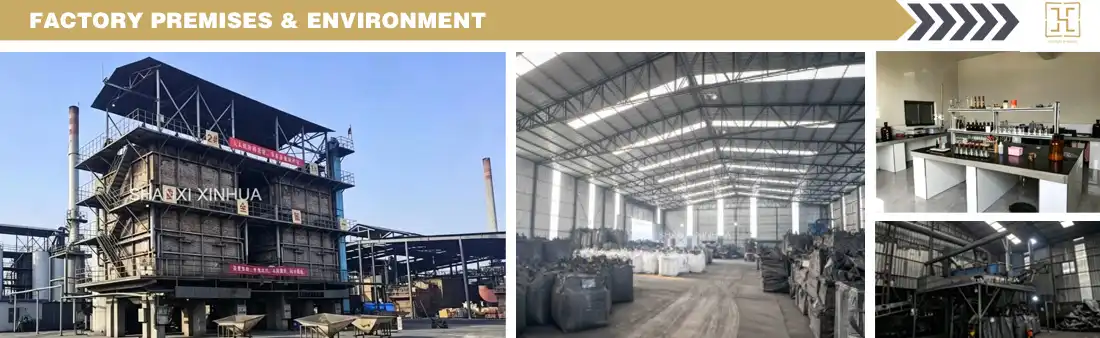
The carbon technology company in Shanxi, called Xinhua comes to every relationship with more than 60 years of experience in material science. Our defense-grade quality control systems and ISO-certified factories in Shanxi, Ningxia, Fujian, and Xinjiang make sure that our Coal-based powdered activated carbon always meets the strictest requirements. With the ability to produce 45,000 tonnes per year and full inventory management, we can promise that you will have the materials you need when your activities need them. Through our professional partnerships with Tsinghua University and the Chinese Academy of Sciences, we are always coming up with new ways to improve pore structure and change the surface of things.
Our engineering team is here to help you with any technical questions you have at any time during the lifecycle of your project, whether you need urgent orders to deal with compliance issues or custom recipes for unique uses. Get in touch with us at greta@carbonxinhua.com to talk to one of our application experts about your wastewater treatment needs. We send full paperwork packages that help your procurement processes. These packages include certificates of analysis, Safety Data Sheets, and letters of regulatory compliance. Get your free sample and detailed information today to see the difference in performance that comes from buying from a reputable company.
References
1. Bansal, R.C. and Goyal, M. (2005). Activated Carbon Adsorption. CRC Press, Boca Raton, Florida.
2. Crittenden, J.C., Trussell, R.R., Hand, D.W., Howe, K.J., and Tchobanoglous, G. (2012). MWH's Water Treatment: Principles and Design, Third Edition. John Wiley & Sons, Hoboken, New Jersey.
3. Marsh, H. and Rodríguez-Reinoso, F. (2006). Activated Carbon. Elsevier Science, Oxford, United Kingdom.
4. Metcalf & Eddy, Inc., Tchobanoglous, G., Burton, F.L., and Stensel, H.D. (2003). Wastewater Engineering: Treatment and Reuse, Fourth Edition. McGraw-Hill, New York.
5. Sontheimer, H., Crittenden, J.C., and Summers, R.S. (1988). Activated Carbon for Water Treatment, Second Edition. DVGW-Forschungsstelle, Karlsruhe, Germany.
6. United States Environmental Protection Agency (2021). Drinking Water Treatment Technology Unit Cost Models and Overview of Technologies. Office of Water, Washington, DC.

Send Inquiry
You may like
_1781662034490.webp)