_1778553121707.webp)
Is 4mm coal quality cylindrical carbon suitable for water treatment?
Jun 17, 2026
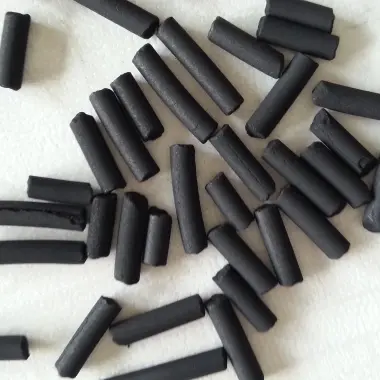
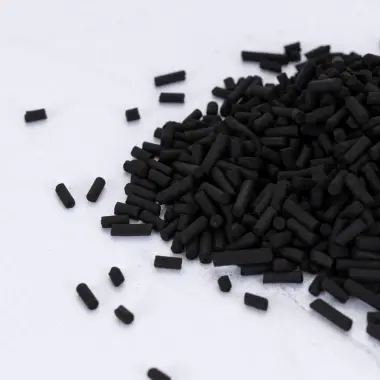
Industrial activities are under more and more pressure to meet stricter environmental rules while also reducing pollution, cleaning up water, and recovering valuable materials. These problems can be solved by coal-based cylindrical activated carbon, which has a specially designed shape and has been shown to work well in the past. By using controlled activation methods on high-quality coal, this material is made to have the mechanical strength and adsorption ability needed in harsh industrial settings. Its cylinder shape makes it last longer in high-flow systems than granular or powdered options. It also keeps filter efficiency high in water treatment, VOC control, and solvent recovery uses.
Understanding Coal-Based Cylindrical Activated Carbon
How well industrial cleaning materials work depends a lot on how well they were made. High-quality coal with more than 80% carbon is the starting point for this carbon material. The coal was carefully chosen for its purity and structural qualities. Before high-pressure moulding makes the cylinders, special fillers are mixed with the coal base. After being formed, the material goes through carbonisation at 500°C to 800°C, followed by activation with steam at 700°C to 1100°C. This heat process makes a very well-developed network of pores that are perfect for catching contaminants.
Manufacturing Precision Drives Performance
The creation method has a direct effect on what the material can do. Controlled steam contact creates micropores, mesopores, and macropores in certain amounts during activation. Small chemicals, such as VOCs and chlorine, are caught by micropores. Mesopores make it easier for contaminants to get into the carbon structure. Macropores let fluid move quickly through packed beds without letting the pressure drop too much. Shanxi Xinhua Carbon Technology Industry Co., Ltd. has tight control over these factors at its factories in Shanxi, Ningxia, Fujian, and Xinjiang, so the products are always the same, no matter where they are made.
Quality Standards That Matter
Defence-grade quality control tools make sure that every batch meets very strict standards. Hardness is higher than 90%, so it doesn't break easily when it's handled or washed backwards. The ash level stays below 8%, which keeps absorption sites open and keeps system pollution to a minimum. Standardised testing methods have shown that the binding values for CTC run from 50% to 80%. These requirements aren't made up on the spot; they come from decades of feedback from water treatment plants, chemical plants, and environmental companies that need reliable performance.
Why Cylindrical Form Outperforms Alternatives
In industrial filtering, shape is important. In adsorption tanks, cylindrical particles pack evenly, leaving regular empty areas for fluid flow. This shape cuts down on winding, which lets raw material get around active adsorption zones. The rounded, smooth outside prevents damage during renewal processes, which increases the useful life. Different flow rates and touch time needs can be met by sizes that can be customised from 0.9mm to 9mm. This lets engineers create the best system for each application.
Industrial Applications and Environmental Impact
Environmental engineers have to deal with tough problems that need solid answers, and Coal-based cylindrical activated carbon plays a key role in providing those answers. Volatile organic chemicals must be captured by waste gas cleaning systems before they enter the air. Municipal water plants need to regularly get rid of disinfectant byproducts, taste, and smell. To lower the cost of raw materials, industrial sites need liquid recycling that is both efficient and cheap.
Water Treatment Systems
Municipal and industrial water activities are two of the main uses for circular carbon. The material works well to lower the chemical oxygen demand (COD) of wastewater streams and collect dissolved organics that regular treatment misses. Getting rid of chlorine saves processes further down the line and makes drinking water taste better. Adsorption of heavy metals adds another safety barrier, which is especially important for controlling lead and mercury. A water treatment plant in the Midwest said that using the right-sized columnar carbon beds with 30-minute contact times cut COD by 95%. This met discharge standards and avoided expensive improvements to advanced oxidation.
VOC Control and Flue Gas Treatment
Coal-based cylindrical activated carbon is widely used in VOC control systems. A lot of VOC pollutants come from finishing activities, printing sites, and chemical production plants. Toluene, xylene, and ethyl acetate are taken out of waste streams by cylindrical carbon beds. This helps facilities meet air quality standards. The material is strong enough to handle repeated temperature swing renewal, in which hot nitrogen removes chemicals that need to be burned or recovered. Power plants use different kinds of coated mixtures that are better at sticking to certain contaminants to get rid of mercury from waste gas. These applications help prevent regulatory violations while maintaining continuous production output.
Solvent Recovery Economics
When organic solvents leak through vents, chemical processes lose a lot of value. These materials are collected by activated carbon recycling systems so they can be used again, which has a direct effect on running costs. A pharmaceutical company got back 85% of the acetone that was released when the reactor vented, which saved them $120,000 a year on raw material costs. After simple distillation, the quality of the recovered liquid met internal standards. This shows how successful adsorption can keep material value. The carbon needed to be regenerated with steam every 8 to 12 hours, but it worked well for more than 200 rounds before it needed to be replaced.
Sustainability Through Regeneration
Environmental duty goes beyond just getting rid of pollution. Thermal and steam renewal bring back the carbon's ability to absorb things, which can extend its useful life to two to three years in many situations. When compared to single-use products, this ability to be used again and again cuts down on solid waste. When compared to disposal-based options, lifecycle studies show that regenerable cylinder carbon has 40% less of an effect on the environment per kilogram of contamination cleared. Shanxi Xinhua's ISO 14001 environmental management certification shows that they pay attention to these environmental issues all the way through production and application support.
Comparing Coal-Based Cylindrical Activated Carbon With Other Types
To make procurement choices, you need to have a good idea of the important differences. The large number of micropores in coconut shell carbon makes it great for capturing small molecules like chlorine and taste chemicals. Wood-based types are cheaper, but they are not as strong mechanically. Granular coal carbon works well overall, but it loses its effectiveness more quickly. Synthetic activated carbons are expensive because they are only used in certain situations.
Adsorption Efficiency Across Contaminant Types
Coal-based cylindrical activated carbon is a type of adsorbent material whose ability to capture specific toxins depends largely on how its pore sizes are distributed. When activated, coal-based cylindrical products create well-regulated pore structures that make them suitable for a wide range of applications. Iodine values between 900 and 1100 mg/g indicate strong development of micropores that target small molecules. Meanwhile, methylene blue values of 150 to 200 mg/g suggest the presence of mesopores that can accommodate larger organic molecules. This balance allows a single set of material standards to handle a broad spectrum of contaminants, making inventory management more efficient for operators across multiple industries.
Mechanical Durability in Real Systems
Coal-based cylindrical activated carbon is subjected to significant mechanical stress in industrial processes. Particles collide with each other during backwashing, while impact forces are also generated during pneumatic conveying in installation procedures. In addition, thermal regeneration causes repeated expansion and contraction, further challenging material integrity. Under these conditions, granular carbon generally does not perform as well as Coal-based cylindrical activated carbon in resisting mechanical breakdown. Standard hardness testing methods show that 90–95% of particles remain intact after rolling tests, compared with only 70–85% retention in conventional granular products. This results in longer service life and reduced downtime associated with media replacement.
Total Cost Analysis
The price of the material is only one part of the economic cost of buying. A local water company compared coconut shell grains to coal-based tanks. Every 18 months, the coconut shell carbon had to be replaced because it was wearing out and not working as well. Under the same settings for 28 months, the cylinder product met all of its requirements. The coal-based choice had a 22% lower cost per thousand gallons cleaned when substitute work, waste costs, and system downtime were taken into account. These economics are even better in situations where recovery is often needed, and the operating life is directly related to mechanical strength.
Procurement Guide for Coal-Based Cylindrical Activated Carbon
Supply chain dependability is what separates what works in theory from what actually happens. Environmental safety projects have tight deadlines, and any delays that are too big could mean breaking the rules. Procurement pros can make sure orders are delivered on time by learning about suppliers' skills, transportation networks, and order requirements.
Evaluating Supplier Capabilities
Certifications give people a basic level of trust in production processes. ISO 9001 quality management makes sure that methods are written down and can be tracked. ISO 14001 environmental management shows that you care about making products that last. The ISO 45001 certification for health and safety at work guards workers' health and safety throughout the industrial process. All three of Shanxi Xinhua Carbon Technology Industry Co., Ltd.'s qualifications come from the China Quality System Certification Centre, and they are regularly checked by a third party. The company also keeps permits from the Shanxi Provincial Health Commission for drinking water safety products, which are needed for public water uses.
Technical teamwork skills are important for more than just making things. Shanxi Xinhua has direct ties with Tsinghua University, the Chinese Academy of Sciences, and other study groups. This network makes it possible to create custom formulations for tough uses. To protect generator engines, an environmental provider needed carbon that was designed to remove siloxane from biogas. Working together to make a product changed into a cylinder with better adsorption selection solved a problem that regular materials couldn't.
Order Quantities and Lead Times
Coal-based cylindrical activated carbon: For normal specs, the minimum order quantity is usually between 1 and 5 tons, which works for both project-based buying and restocking. Custom recipes might need at least 5–10 tons to justify setting up production. Shanxi Xinhua keeps a lot of stock in all of its production sites, which lets them offer regular shipping times of 7 to 15 days for typical requirements. Custom orders take between 15 and 30 days, based on how complicated the formula is. The company has a fast route that delivers pressing orders within three days when project plans require it.
Logistics and International Shipping
Using the company's fleet and shipping partners, deliveries within China are usually finished in 3–7 days. International exports use a mix of water freight, air cargo, and train, based on where they are going and how quickly they need to get there. Moisture-proof wrapping keeps the quality of the materials safe during long shipping trips. Real-time tracking lets you see the whole delivery process. Help with all customs paperwork and tax clearance makes international buying easier. This is especially helpful for workers handling projects on multiple sites across countries.
Sample Evaluation Process
The specification risk for Coal-based cylindrical activated carbon is lower when samples are requested before large purchases are made. Standard sample sizes of 5 to 10 kilograms make it possible to test key factors in the lab. It is recommended that suppliers provide scientific data sheets that list the iodine number, CTC absorption, hardness, ash content, moisture content, and particle size distribution. Independent lab testing further validates the supplier’s claims. Pilot-scale tests on real process equipment are the most accurate way to predict performance, especially in challenging conditions involving mixed contaminants or harsh working environments.
Why Choose Coal-Based Cylindrical Activated Carbon for Your Industrial Needs
The factors for selection must weigh the short-term benefits against the long-term costs of running the business. Environmental engineers and buying managers will find this information useful for a number of decision-making factors.
When you combine high adsorption capacity with mechanical strength, you get economic value over the whole span of the product. The initial purchase price stays low compared to other options, and the longer service life cuts down on how often you have to replace it. The cost of treatment per unit goes down when renewal leads to renewable performance. All of these things add up to overall cost savings of 15 to 30 per cent compared to materials that need to be replaced more often or are less effective at getting rid of contaminants.
Application freedom lets the same material specifications be used in a number of different cleaning situations. The cylinder-shaped carbon that gets rid of VOCs from chemical plant fumes is also used to improve the taste and smell of drinking water. This flexibility makes it easier for workers and system designers who work with a wide range of clients to keep track of their supplies. Custom formulas are made to meet particular needs, such as sulfur-impregnated forms to catch mercury, base-treated materials to get rid of acid gas, or changed pore distributions for certain organic chemicals.
Conclusion
Coal-based cylindrical activated carbon is a preferred choice for industrial cleaning, where decisions are guided by regulatory compliance, operational efficiency, and cost control. This material delivers the adsorption capacity, mechanical strength, and service life required by environmental engineers, water treatment operators, and chemical manufacturers. Precision in production, strict quality standards, and the ability to provide technical support are what distinguish reliable suppliers from low-cost vendors. Shanxi Xinhua Carbon Technology Industry Co., Ltd. has over 60 years of experience in carbon materials and operates with defence-grade quality systems. The company also offers flexible customisation to meet demanding applications in water treatment, air purification, and solvent recovery systems.
FAQ
What about the cylinder shape makes it better for gas adsorption?
The cylinder shape makes sure that adsorption vessels are packed evenly, so untreated gas can't get around the contact zones. This shape keeps the pressure drop the same across the bed while making it easier for contaminants to touch active adsorption sites. The smooth outside keeps particles from breaking during handling and regeneration cycles. This increases the useful life in VOC recovery systems where heat cycling stresses materials.
What effect does the power to regenerate have on long-term costs?
Using steam or a hot neutral gas for thermal renewal removes toxins and restores 85 to 95% of the original absorption capacity. The material has a service life of two to three years, based on how it is used. It can withstand 100 to 300 revival rounds. This ability to be used more than once cuts down on new costs by 60–75% compared to one-time use materials. This is especially helpful in solvent recovery, where recycling happens several times a week.
Which fields can use this information the most?
Environmental workers who work on VOC control projects know how important mechanical strength is for making sure the system works well. Getting rid of chlorine and organics consistently is important for controlling taste and smell in municipal water. Chemical companies use it to collect solvents, which cuts down on the cost of raw materials and meets air quality standards. Pharmaceutical companies need water that is as pure and works well as water used in food processing.
Partner With a Trusted Coal-Based Cylindrical Activated Carbon Manufacturer
Shanxi Xinhua Carbon Technology Industry Co., Ltd. stands ready to support your industrial purification projects with engineered solutions backed by rigorous testing and responsive technical service. Our 45,000-ton annual production capacity ensures material availability when your schedules demand it. Custom formulation capabilities address specialised contaminant challenges that standard products cannot solve. Contact our technical team at greta@carbonxinhua.com to discuss your specific application requirements, request performance data, or arrange a sample evaluation. We deliver the coal-based cylindrical activated carbon for sale that helps environmental contractors meet compliance deadlines and industrial operators reduce treatment costs.
References
1. Marsh, H., & Rodríguez-Reinoso, F. (2006). Activated Carbon. Elsevier Science.
2. Bansal, R.C., & Goyal, M. (2005). Activated Carbon Adsorption. CRC Press.
3. Derbyshire, F., Jagtoyen, M., Andrews, R., Rao, A., Martin-Gullon, I., & Grulke, E. (2001). "Carbon Materials in Environmental Applications." Chemistry and Physics of Carbon, Volume 27. Marcel Dekker.
4. Crittenden, J.C., Trussell, R.R., Hand, D.W., Howe, K.J., & Tchobanoglous, G. (2012). MWH's Water Treatment: Principles and Design (3rd ed.). John Wiley & Sons.
5. Çeçen, F., & Aktaş, Ö. (2011). Activated Carbon for Water and Wastewater Treatment: Integration of Adsorption and Biological Treatment. Wiley-VCH.
6. Ruthven, D.M. (1984). Principles of Adsorption and Adsorption Processes. John Wiley & Sons.

Send Inquiry
You may like
_1781662034490.webp)