_1778553121707.webp)
Coal-based crushed activated carbon A Complete Guide
Jul 02, 2026
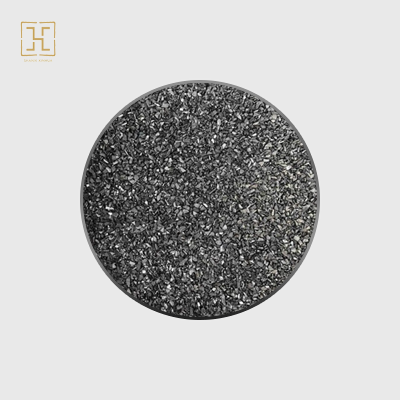
Coal-based crushed activated carbon stands out as a flexible option when looking for an efficient purification material for industrial uses. This material is made by crushing, carbonizing, and activating high-quality coal. It has irregular pieces with a rough feel and a large surface area that lets it absorb things quickly. It is very good at deep cleaning drinking water, treating wastewater, and industrial processes that need to remove color, chlorine, oil, and bad smells from things like food processing, chemical manufacturing, power generation, and electroplating.
Understanding Coal-Based Crushed Activated Carbon
What Makes This Material Unique
Crushed activated carbon doesn't have a set physical shape like granular or tabular forms. When applied, the uneven structure actually works to your benefit. Each particle has a rough surface that makes it easier for contaminants to stick to it. The shape is the result of an intentional manufacturing method that puts useful performance ahead of uniform look.
The production process starts with carefully chosen coal fuel. At this early stage, quality control decides how well the end product will absorb things. By crushing and screening, producers make bits in certain size ranges that can be used in a variety of ways. The next step, carbonization, gets rid of volatile chemicals, and activation creates the microscopic pore network that is needed to trap pollution.
The Manufacturing Process Behind Performance
Precision engineering is more than just controlling temperature. With CNC crushing technology, the difference in particle size stays below 5%, while it would be 10% or more with regular equipment. Vibrating screening methods keep the difference in filling density to less than 3%. Because of these close limits, there is no bypass flow in treatment beds, where contaminants can get through holes between particles that aren't uniform. Clients have reported 20% gains in adsorption performance, which shows that the engineering accuracy leads directly to operational efficiency.
Chemical Composition and Pore Structure
High-grade goods have more than 85% carbon, and the amount of ash is carefully controlled so that waste doesn't build up. There are micropores, mesopores, and macropores in the pore design, which is organized in a hierarchy. Micropores smaller than 2 nanometers can hold small molecules like chlorine and VOCs. Medium-sized organic molecules can fit through mesopores that are 2 to 50 nanometers wide. Macropores that are bigger than 50 nanometers act as transport routes that let contaminants move quickly into the structure's core.
With this multi-scale porosity, certain surface areas can be reached that are often larger than 1000 square meters per gram. To give you an idea of how big this is, one gram of activated carbon can be spread out to cover three tennis courts. This huge surface area gives the material a lot of places to adsorb different types of pollutants at the same time. This makes it useful for complicated industrial lines that contain many types of pollutants.
Key Benefits and Industrial Applications
Superior Adsorption Efficiency
In sewer uses, chemical oxygen demand removal rates are higher than 90%. It takes 30% less time for color and odor removal to be complete than with regular adsorbents. These performance traits come from both the material itself and the precision with which it is made, which ensures that the quality is the same from batch to batch.
Cost-Effectiveness and Operational Longevity
The initial buying price is only one part of the total cost of owning. The wear protection built into each particle makes the service life much longer. When material breaks down less often, it needs to be replaced less often, systems don't have to be shut down as often, and waste costs are lower. The lasting covering layer stops the formation of fine powder that clogs up equipment further downstream and requires expensive cleaning procedures.
When clients move from traditional goods to continuous treatment systems, their running costs drop by 40%. This change lowers the amount of material used, lowers the amount of upkeep that needs to be done, and raises the system's uptime. The material's long life means that savings keep adding up, and the return on investment usually happens in the first six months of use.
Versatility Across Industrial Sectors
This stuff, Coal-based crushed activated carbon, is used by water treatment plants to clean drinking water for cities and wastewater from factories. It gets rid of chlorine, which would change the taste and mix with organic molecules to make harmful byproducts. It picks up dissolved organic matter, heavy metals, and substances that change the color, which are hard for other cleaning methods to get rid of cheaply.
Chemical companies use Coal-based crushed activated carbon to collect solvents, and they can get return rates of more than 95%. The uneven particles make perfect support structures for catalysts that are added during synthesis. When the catalyst loading capacity is above 15%, which is 50% better than smooth columnar options, the reaction efficiency goes up to 95% or higher. Palladium, platinum, or other specialized chemicals can be added to customize catalyst formulations that meet the needs of particular processes.
Power plants use the material to clean up waste gas and keep track of their water systems. It is used in electroplating processes to clean baths and change wastewater. Decolorization is what food and drink makers do to get rid of unwanted pigments while keeping the taste ingredients. The material's fast binding rates and high capacity retention under tough conditions make it useful for all of them.
Coal-Based Activated Carbon vs. Alternatives: Making the Right Choice
Comparative Performance Analysis
Synthetic carbons can have customized hole shapes, but they are very expensive, so they can only be used in certain situations. Coal-based crushed activated carbon strikes a good mix between efficiency, durability, and cost-effectiveness. Because of these factors, it is the best choice for big factories that process lots of materials and need to keep replacing things often, which has a direct effect on their running budgets.
Evaluating Supplier Capabilities
Specifications are only one part of the story of buying when it comes to Coal-based crushed activated carbon. Manufacturing consistency tells us if a material works the same way from batch to batch. Supplier quality systems that are ISO 9001, ISO 14001, or ISO 45001 approved show that they are dedicated to process control. Verification by a third party through testing gives independent confirmation of the performance qualities that were stated.
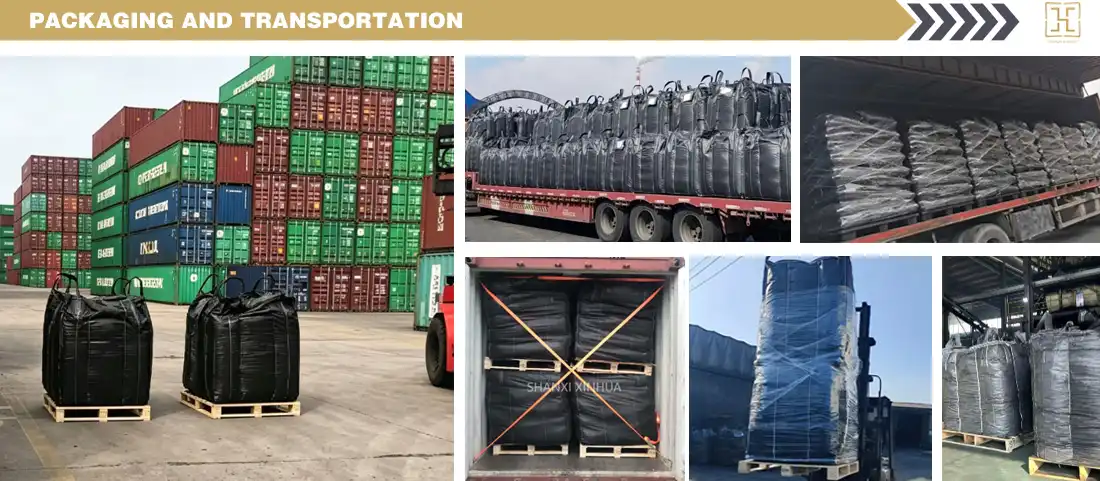
How reliable delivery is depends on how much production capacity and material there is. Standard orders are shipped within 7 to 15 days by suppliers who keep large amounts of stock on various sites. Lead times are extended to 15–30 days for customized formulas that need special handling. When compliance targets or equipment failures require instant action, faster channels can cut delivery times down to three days, which is better for urgent needs.
Application-Specific Selection Criteria
Carbon that can withstand temperatures above 400°C is needed for high-temperature gas lines. Materials that don't break down easily in acids, bases, or reactive agents are needed in places that are corrosive. For fluidized bed systems to work, the particles must be in certain size ranges and have a certain amount of mechanical power to keep going while the system is running. Moving bed reactors put consistency first to make sure that the flow is spread out evenly.
Working with providers that allow customization ensures that the material specs match the process needs exactly. Some of the factors that can be changed are the particle size distribution, the surface area, the pore volume distribution, the mass density, the hardness, and the amount of ash. For catalyst support uses, the type of loading, the quantity, and the pattern of distribution need to be optimized based on how the reaction works chemically and quickly.
Procurement Guide for Coal-Based Crushed Activated Carbon
Sourcing from Qualified Suppliers
Suppliers know how small changes in the manufacturing process can affect how well the end product works because they have done it for decades. Shanxi Xinhua Carbon Technology Industry Co., Ltd. has been researching and making Coal-based crushed activated carbon products for more than 60 years, and they have also been producing a large volume of them for 20 years through industrial operations. This wealth of knowledge, along with defense-grade quality control systems, makes sure that products meet strict performance standards even in the harshest circumstances.
Working together with top study institutions makes expert skills stronger. Working together with Tsinghua University, Central South University, and the Chinese Academy of Sciences helps create new materials and catalysts all the time. Being a part of national research projects and helping to make industry standards shows that you are a professional leader and want to see carbon technology progress.
Bulk Order Considerations
Material is used in industrial-scale activities in ton amounts. Suppliers whose yearly production capacity is more than 45,000 tons can handle big orders without worrying about how to divide them up. Supply redundancy and transportation freedom are provided by having multiple production bases spread out geographically. Single-source ties make it possible to buy a wide range of products in columnar, granular, powdered, and broken forms, all from one source.
For large sales of Coal-based crushed activated carbon, competitive pricing models include discounts for buying in bulk and long-term supply deals that lock in prices and ensure the product is always available. Transparent price models take into account the costs of raw materials, the difficulty of processing, and the cost of shipping. Value engineering talks find ways to improve standards while cutting costs without affecting performance.
Quality Verification and Testing Protocols
Checking the regularity of a batch starts with sampling methods that get sample material from production lots. Key factors like iodine number, methylene blue adsorption, ash content, moisture level, particle size distribution, and mass density are measured in the lab. Adsorption capacity and kinetics are confirmed through performance tests in simulated working situations.
Each package comes with certification paperwork that lets you trace it back to specific production batches. Material safety data sheets list how to handle and dispose of Coal-based crushed activated carbon safely. On technical data sheets, you can find full specs and suggested working conditions. This paperwork helps with internal quality control and meeting the standards for regulatory compliance reports.
Conclusion
To choose the right activated carbon, you have to weigh the performance needs, the working factors, and your budget. Coal-based crushed activated carbon has been shown to work well in treating water, cleaning the air, and handling chemicals. Precision manufacturing creates an uneven particle structure that is better at binding and lasts longer mechanically. Procurement managers can get materials that improve business performance while keeping total ownership costs low by choosing suppliers with good quality systems, expert skills, and reliable delivery. This Coal-based crushed activated carbon is the best way to solve tough cleaning problems because it has a lot of industry experience, research partnerships, and can be fully customized.
FAQ
What factors influence adsorption capacity in industrial applications?
The main factor is surface area, with bigger numbers giving more places for adsorption. The size of the pores needs to meet the size of the contaminants. Micropores are best for small molecules, mesopores are best for medium-sized organics, and macropores are best for large compounds. The operating temperature has an effect on kinetics. Generally, higher temperatures speed up the rate of binding until thermal breakdown happens. Some toxins are affected by humidity because moisture competes for binding sites. Contact time between the carbon and the process stream decides how well the capacity is used. If there isn't enough dwell time, the capacity isn't used.
Can coal-based crushed carbon be regenerated and reused?
Thermal renewal at 800–900°C burns off organics that have stuck to the surface, returning 85–95% of the original capacity. The method needs special tools and a lot of energy, which could be more expensive to replace for low-value uses. Chemical renewal with strong acids or solutions works for some contaminants but creates new waste streams that need to be treated. Steam regeneration is a kinder option that keeps the structure of the material while getting rid of volatile chemicals. The best way to handle certain cases is to use economic analysis to compare the costs of renewal to the prices of new materials.
How does coal-based carbon compare environmentally to alternatives?
The mining and handling of coal have effects on the environment, such as disturbing the land and using a lot of energy. But because the material is more effective per unit weight, it often has less of an effect on the environment than options that need to be used more often. Long service life cuts down on the number of replacements needed and the pollution caused by shipping. Regeneration makes things last longer and takes up less space when they're thrown away. Comparing different types of carbon should include where the raw materials come from, how much energy is used in production, how far the carbon has to be transported, how well it works in different situations, how long it lasts, and how it is thrown away at the end of its useful life.
Get Your Custom Solution from a Trusted Coal-Based Crushed Activated Carbon Supplier
Shanxi Xinhua Carbon Technology Industry Co., Ltd. is ready to help you with your cleaning needs with designed solutions based on their 60 years of experience in carbon technology. Our ISO-certified factories keep a large inventory, which lets us offer normal delivery times of 7–15 days and faster response times of 3 days for important projects. Email our engineering team at greta@carbonxinhua.com to talk about the needs of your particular application. We offer free performance analysis, help with choosing materials, and sample tests to make sure you get the best results before implementing the whole system. Our engineering help is available 24/7, and our 12-month warranty gives you peace of mind throughout the whole job.
References
1. Anderson, M. (2021). Industrial Adsorbents: Selection and Application in Water Treatment Systems. Environmental Engineering Press.
2. Chen, L. & Wang, Y. (2022). Coal-Based Activated Carbon: Manufacturing Processes and Performance Characteristics. Chemical Processing Technology Journal, 45(3), 178-195.
3. Harrison, R. (2020). Catalyst Support Materials for Chemical Synthesis: Comparative Analysis. Industrial Chemistry Review, 38(2), 112-129.
4. Mitchell, S. (2023). Adsorption Technologies for VOC Control: A Practical Guide for Procurement Managers. Air Quality Management Publications.
5. Thompson, J. & Rodriguez, M. (2022). Activated Carbon in Water Purification: Technical Performance and Economic Considerations. Water Treatment Quarterly, 29(4), 267-284.
6. Zhang, H. (2021). Advanced Materials for Environmental Applications: Carbon-Based Adsorbents and Catalysts. Materials Science International, 52(1), 45-68.

Send Inquiry
You may like
_1781662034490.webp)