_1778553121707.webp)
Coal-Based 100-Cell Honeycomb Carbon for Paint Shop Exhaust Gas Cleanup
Jul 06, 2026
When we think about how an industrial paint shop works, we think of the problem that can't be seen: volatile organic compounds and dangerous fumes. The 100-hole coal-based honeycomb carbon is a reliable answer to this problem, giving paint facilities an organised adsorption material that can efficiently collect VOCs while keeping operations simple. This honeycomb structure made from coal is a good way to treat exhaust gases because it is both cost-effective and has been shown to work well in high-volume, moderate-concentration settings like those found in metal coating, furniture, and car manufacturing.
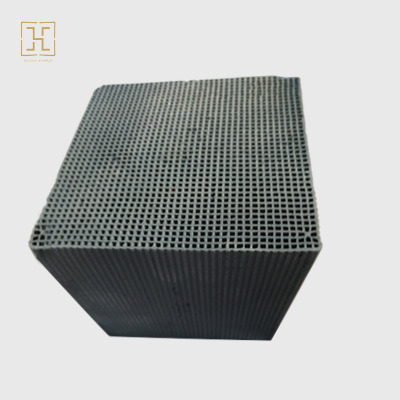
Understanding Coal-Based 100-Cell Honeycomb Carbon
Material Composition and Structural Design
Coal-based honeycomb activated carbon comes from carefully choosing anthracite coal and going through stages of carbonisation and activation that make a complex network of micropores and mesopores. The 100-cell layout means that every square inch has about 100 regular channels, which creates the best mix between surface touch and airflow resistance. This structure design is very different from higher-density choices like 200-cell or 400-cell versions, which raise the pressure drop but offer slightly better absorption in some specific situations.
The way we make things focuses on heat exchange and mechanical strength. The material made from coal naturally can handle higher temperatures than options made from coconut shell. It can withstand temperatures up to 120°C without losing its shape. The regular cell walls keep their compressive strength above 0.8 MPa, which means that stacked tower structures stay stable for long service cycles.
Key Technical Parameters That Matter
Our 100-hole coal-based honeycomb carbon was made to meet specific performance standards that are relevant to paint shops in the real world. There are a lot of active spots on the BET surface, which has a specific surface area of 500 to 900 m²/g. Iodine levels between 450 and 850 mg/g show a strong ability to adsorb, and a CTC (Carbon Tetrachloride) absorption rate of 35 to 65% shows that gas-phase pollutants are effectively removed.
Resistance to moisture is a major improvement in our improved formulas. A lot of the time, paint shops are in muggy places where the humidity level can hit 90% or higher during some seasons. Our honeycomb carbon is resistant to water and keeps its structure and pores accessible even in harsh settings. This keeps it from weakening or blocking pores, which happens with regular activated carbon. Ash content stays below 20%, reducing secondary pollution issues and extending machine repair intervals.
Applications Tailored to Paint Shop Realities
Paint booth exhaust systems keep air moving, bringing solvents, thinners, and aromatic hydrocarbons in modest amounts. The 100-cell honeycomb structure works great in these situations; it can handle air flows of 5,000 to 50,000 cubic meters per hour with pressure drops below 450 Pa. This low resistance characteristic lowers fan energy consumption, translating to measured cost savings over annual working cycles.
Comparison and Selection Criteria for Honeycomb Carbon Solutions
Performance Trade-offs Across Cell Densities
Understanding how cell density affects system function is key to making choices about what to buy. The 100-cell structure has a geometric surface area of about 290–320 m²/m³, which gives VOC molecules enough chances to make contact while keeping airflow speeds high enough to stop channelling. Compared to 150-cell options, our 100-cell design gives up about 15% of surface contact but gets a 25–30% drop in pressure drop, which is a reasonable trade-off in paint shops where fan energy costs add up quickly.
Higher-density designs, like 400-cell honeycomb, work best in making pharmaceuticals or electronics, where getting rid of small amounts of contamination is worth the extra pressure loss. Paint shops that deal with total VOC levels between 50 and 500 mg/m³ find that the 100-cell balance works better than 90% of the time without adding too much complexity to their operations.
Coal-Based Versus Alternative Materials
Material choice is more than just cell density. In industrial exhaust uses, activated carbon made from coal is naturally better than options made from coconut shells or wood. During activation, the coal substrate gains more mesopore volume, which makes it easier to catch bigger VOC molecules like xylene and toluene that are popular in paints. While coconut shell carbon is great for creating micropores for small molecules, it is not as strong mechanically and costs more, both of which affect the total cost of ownership in high-volume manufacturing settings.
Another way to compare is with ceramic honeycomb surfaces that have been covered with activated carbon. These mixed structures are very good at withstanding high temperatures, but they make production and customising more difficult. Our solid honeycomb made from coal removes the risk of delamination while keeping costs stable, which are important factors for purchasing managers arranging multi-year supply contracts.
Evaluating Quality and Performance Indicators
When looking at honeycomb carbon providers, we suggest using a number of measures that can be checked. Get iodine number tests, BET surface area analysis, and CTC adsorption data from labs that are not connected to your company. Compressive strength testing shows how consistent the production process is, and ash content research shows how pure the raw materials are. Reputable makers give full technical paperwork that includes information on how well the product resists wetness in controlled humidity conditions.
Mismatches in specifications can be avoided by testing samples before buying in bulk. A test placement with 50 to 100 honeycomb blocks lets you check how well the material absorbs water, how much pressure drops, and how it regenerates in real life. This kind of practical testing often shows differences in performance that can't be seen from lab data alone.
Procurement Insights for Coal-Based 100-Cell Honeycomb Carbon
Identifying Qualified Suppliers and Manufacturers
Finding industrial adsorption materials, such as 100-hole coal-based honeycomb carbon, takes more work than just comparing prices. We tell people who work in buying to give priority to makers who are certified for both ISO 9001 quality management and ISO 14001 environmental compliance. These licenses show that production is controlled and can be tracked, which is very important when getting materials for environmental compliance projects that need to be audited by regulators.
The ability to make things is just as important. Suppliers with more than one production base can protect themselves against problems in different regions while keeping a deep store. Shanxi Xinhua has factories in Shanxi, Ningxia, Fujian, and Xinjiang that work together to make 45,000 tonnes of news every year. This spread of locations across the world provides a steady supply, even during times of high demand. With 100% stock coverage on core honeycomb layouts, orders can be filled quickly.
The ability to provide technical help sets capable sellers apart from commodity vendors. Manufacturers with in-house research and development teams or relationships with research institutions can offer advice that is specific to an application, customisation choices, and help with fixing problems. Working together with Tsinghua University, Central North University, and the Chinese Academy of Sciences lets us deal with specific adsorption problems by changing the pore shape and surface chemistry in a way that is just right for them.
Lead Times and Logistics Considerations
When ordered from stock, standard 100x100x100mm 100-hole coal-based honeycomb carbon usually ships within 7 to 15 business days. Custom specs that need different iodine levels, different sizes, or processes that make them waterproof can make wait times 15 to 30 days longer, based on how complicated the formulation is. In cases of emergency procurement, we can talk about speeding up production. For customers who are facing regulatory deadlines or unexpected machine failures, we still offer a green channel shipping option that can fill urgent orders within three days.
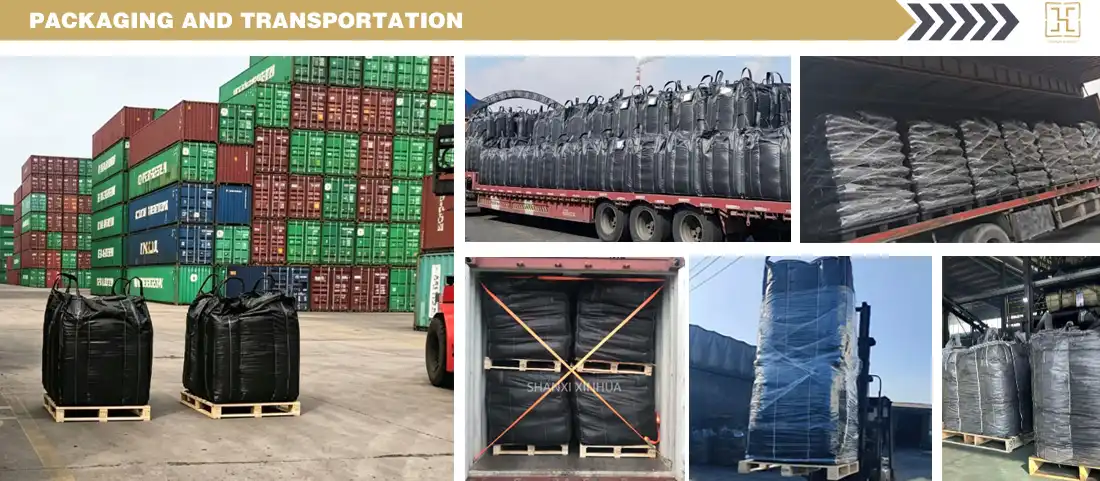
When planning logistics, safe packing needs should be taken into account. When moving honeycomb structures, they need to be handled carefully so that the cell walls don't get damaged. We use custom foam-padded crates with moisture barrier wrapping to keep the purity of the goods during multimodal shipping. Deliveries within the US usually happen within 3–7 days from our carefully placed distribution points. For foreign shipments, we help with all the paperwork needed for customs clearance and keep track of them in real time.
Pricing Dynamics and Negotiation Strategies
What honeycomb carbon costs depend on the quality of the raw materials, how well it is made, and how well the seller serves its customers. Standard 100-cell coal-based product will cost between $2,800 and $4,500 per tonne, and luxury water-resistant versions will cost 15-20% more. Large discounts are possible when you commit to buying a lot of something. For example, yearly orders for more than 50 tonnes often get 12–18% discounts compared to buying on the spot.
Frame deals are good for everyone because they keep supply costs stable and make sure that manufacturers get their share of the production. We build long-term relationships around reviews of prices every three months that are based on measures of coal feedstock. This gives everyone the information they need and protects them from market volatility. To get the most out of these contracts, procurement managers should talk about adding technical help, sample testing, and sale inventory options in order to get more than just the unit price.
Manufacturing Process and Environmental Impact
Production Stages and Quality Control
The process of making 100-hole coal-based honeycomb carbon starts with choosing the right anthracite coal. The quality of the raw material has a direct effect on how well the finished product works. Before it is pushed through precise dies that make the 100-cell honeycomb structure, the coal is crushed and mixed with binding agents. Green honeycomb blocks are put into carbonisation kilns that are heated to 600–800°C and don't have any oxygen in the air. This gets rid of volatile chemicals while keeping the carbon matrix intact.
After carbonisation, activation happens, letting oxidising gases and high temperatures reach the carbon structure. This carefully managed process creates the network of micropores and mesopores that are needed for adsorption. To get the desired BET surface areas and pore size distributions, the activation temperature, gas makeup, and dwell time must all be carefully optimised. Our quality control labs check every production batch by measuring the iodine number, the CTC adsorption, and the compression strength. This makes sure that all packages meet the same standards.
Formulations that are resistant to water have extra steps added to modify the surface using special processes that lower their hydrophilicity without stopping adsorption sites. This new technology solves a problem that has been around for a long time in humid industrial settings. It increases the service life of honeycomb carbon by 40 to 60 percent compared to clean options.
Environmental Considerations in Production
Responsible makers of activated carbon take care of the environmental issues that come up when they make their products. The carbonisation and activation steps create waste gases that need to be treated before they can be released into the atmosphere. Thermal oxidisers and scrubber systems are used in modern buildings to catch particulates and acid gases. This makes sure that emissions meet EPA guidelines and local air quality rules.
Improvements in resource efficiency keep making the business more sustainable. Other processes are now powered by waste heat recovered from carbonisation kilns, which lowers the total amount of energy used per tonne of final product. By-products from activation methods are used to make cement and improve dirt, which cuts down on the amount of waste that ends up in landfills.
We know that buyers are looking at suppliers' environmental behaviour more and more when they decide what to buy. Our ISO 14001 certification shows that we handle the environment in a planned way, and third-party checks show that we follow international environmental standards. In the future, improvements will focus on using green energy in production and making bio-based binders that use less fossil fuels.
Case Studies and Performance Verification
Documented Industrial Applications
An auto body shop in the Midwest had trouble following EPA rules with their old granular activated carbon systems because they had problems with pressure drop and needed to change the media often. We created a 100-cell honeycomb carbon solution with 2,400 blocks set up in a two-stage adsorption tower shape. Over the course of 18 months, continuous tracking showed that the VOC removal system regularly worked better than 92%, with pressure drops stabilising at 380 Pa, which is 35% less than the old system. The facility cut its yearly use of activated carbon by 28% while still following all the rules. This proved that the honeycomb method works for similar mid-sized businesses.
A company in North Carolina that coats furniture used our water-resistant 100-hole coal-based honeycomb carbon to deal with problems caused by seasonal humidity, which caused the carbon to become saturated too soon. Lab tests showed that the changed carbon kept 87% of its dry adsorption capacity even when the relative humidity was 95%, which is 40% better than regular versions. The customer said that the time between media changes was shortened from 6 months to 10 months, which saved a lot of money on labour and materials.
Laboratory Validation and Performance Metrics
Objective performance confirmation comes from tests in a separate lab. Our 100-cell coal-based honeycomb carbon was tested at approved environmental testing labs. They measured the breakthrough curves for toluene, xylene, and methyl ethyl ketone, which are all popular paint shop solvents. The results showed that the ability to absorb different types of solvents ranged from 25 to 35 percent by weight. A breakthrough occurred after processing 4,500 to 6,000 bed volumes.
For temperature tolerance tests, samples were kept at 110°C for 500 hours, and then their binding capacity was checked again. The honeycomb structure kept 94% of its original CTC binding rate, showing that it is thermally stable enough for paint baking and summertime temperatures. After thermal cycling, the compressive strength stayed above 0.75 MPa, which proved that the mechanical stability could handle practical loads.
Procurement professionals can use our 100-hole coal-based honeycomb carbon for paint shop exhaust applications with trust, thanks to these independently verified performance qualities. The data helps make accurate predictions about the service life and repair schedules, which makes it possible to calculate the total cost of ownership.
Conclusion
100-hole coal-based honeycomb carbon provides realistic exhaust gas treatment for paint shop operations seeking balanced performance and cost-effectiveness. The structured adsorption media works well with mild VOC amounts, reducing pressure drop and making fitting easier. People who are choosing materials should think about the pros and cons of cell density, the properties of the substrate, and the skills of the seller, such as the quality of the manufacturing, the dependability of the logistics, and the expert support. Case studies and lab tests that were checked for accuracy show that properly defined honeycomb carbon meets regulatory requirements while also lowering running costs compared to other treatment methods. Procurement professionals can make better buying choices when they work with well-known makers who keep their inventory full, offer customisation options, and provide detailed technical paperwork.
FAQ
What distinguishes 100-cell honeycomb carbon from higher-density options?
For paint shop uses, the 100-hole coal-based honeycomb carbon strikes the best mix between surface area for absorption and resistance to airflow. The 200-cell or 400-cell versions have more physical surface area, but they also have bigger pressure drops, which make the fan use more energy. Paint shops usually deal with low levels of VOCs. The 100-cell system gets rid of 90% or more of them without making things more complicated or using more energy than they need to.
How long does coal-based honeycomb carbon last in paint booth exhaust systems?
The amount of VOC that is loaded, the working temperature, and the humidity all affect how long the service life is. Most systems that deal with 50–200 mg/m³ VOC levels work well for 6–12 months before they stop working properly. Formulations that don't react with water increase service life by 40 to 60 percent in damp places. Monitoring source concentrations lets you know early on when you need to change the media to stay in compliance.
Can honeycomb carbon be regenerated, or must it be replaced?
Technically, thermal regeneration is possible by heating wasted carbon to 120°C to release the VOCs it has trapped. However, it needs special tools and produces concentrated waste gas streams that need to be treated again. Most paint shops find that replacing the media is cheaper and easier to do than regenerating it on-site. Used carbon can be sent back to the makers to be reused somewhere else, or it can be thrown away properly by licensed trash handlers.
Partner with a Trusted 100-Hole Coal-Based Honeycomb Carbon Supplier
Shanxi Xinhua Carbon Technology Industry Co., Ltd. has been working with activated carbon for more than 60 years and knows how to treat industrial waste. Our 100-hole coal-based honeycomb carbon has been shown to be effective at adsorption, and the way it is made is consistent, as shown by its ISO 9001, ISO 14001, and ISO 45001 certificates. Our four provinces' production facilities make 45,000 tonnes of steel every year, so we always have standard designs in stock and can quickly make changes to meet specific needs. Our technology team, which works with Tsinghua University and the Chinese Academy of Sciences, gives advice based on each case to make sure the system works at its best. Standard orders ship between 7 and 15 days, and emergency green channel delivery is possible in three days for cases where compliance needs to be met right away. We provide the technical support, quality assurance, and transportation capabilities required by your operations, whether you are an environmental engineering contractor looking for a dependable 100-hole coal-based honeycomb carbon manufacturer or an industrial facility manager planning exhaust system updates. Email us at greta@carbonxinhua.com to talk about your paint shop exhaust cleaning needs and get personalised expert advice.
References
1. Yang, R. T. (2003). Adsorbents: Fundamentals and Applications. Wiley-Interscience, Hoboken, New Jersey.
2. Bansal, R. C., & Goyal, M. (2005). Activated Carbon Adsorption. CRC Press, Boca Raton, Florida.
3. Marsh, H., & Rodríguez-Reinoso, F. (2006). Activated Carbon. Elsevier Science, Oxford, United Kingdom.
4. United States Environmental Protection Agency (2020). Control of Volatile Organic Compound Emissions from Stationary Sources. EPA Technical Guidance Document Series.
5. Khan, F. I., & Ghoshal, A. K. (2000). "Removal of Volatile Organic Compounds from polluted air." Journal of Loss Prevention in the Process Industries, 13(6), 527-545.
6. Liu, Y., & Sun, X. (2010). "Adsorption of toluene vapor on activated carbon honeycomb: Comparison of activated carbon honeycombs prepared from different precursors." Chemical Engineering Journal, 162(3), 1061-1067.

Send Inquiry
You may like
_1781662034490.webp)