_1778553121707.webp)
Choosing Wood-Based Powdered Activated Carbon for Industrial Decolorization
Sep 17, 2026
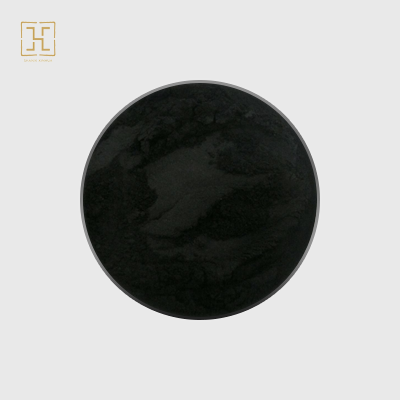
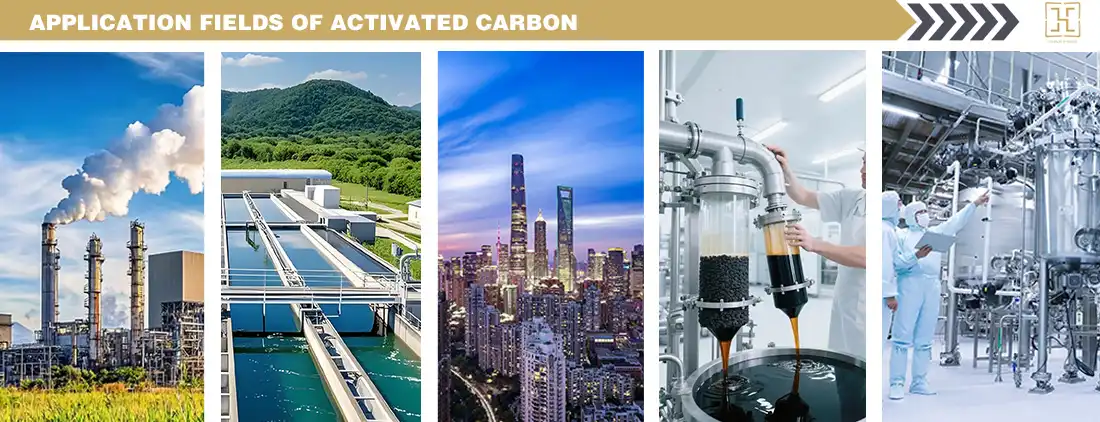
When industrial decolorization performance cannot be compromised, wood-based powdered activated carbon stands out as the material of choice. Produced from high-quality hardwood through controlled carbonization, high-temperature steam activation, and precision grinding, this fine black powder delivers a more developed microporous structure, faster adsorption kinetics, and higher purity than coal-based alternatives. Its remarkable capacity to capture pigments, colloids, and odor molecules makes it indispensable across beverage purification, pharmaceutical refinement, ultra-pure water production, and fine chemical solvent recovery—wherever product clarity and consistency define operational success.
Understanding Wood-Based Powdered Activated Carbon (WPAC)
Wood-based powdered activated carbon (WPAC) originates from hardwoods that can be grown again and again. This raw material benefit affects both its physical architecture and its environmental profile. During production, controlled carbonization and high-temperature steam activation create a hierarchical pore network dominated by mesopores and macropores, with pore sizes ranging from 2 nm to over 50 nm. This structure creates a specific surface area of 1,000 to 1,600 m²/g, allowing large organic molecules to adhere to the carbon quickly, whereas coal-based carbons often miss them.
How WPAC Compares to Coal-Based and Coconut Shell Carbon
Coal-based carbon tends to have smaller holes that are good for adsorbing small gas-phase molecules. On the other hand, carbon from coconut shells is better at adsorbing microporous molecules but has more minerals in it. WPAC is in a unique position because it has a wider range of pores, less ash (usually 3–5%), and an adjustable pH range (5.0–7.0). These properties make it the best choice for liquid-phase decolorization tasks where remaining impurities could affect the quality of the product. When procurement engineers compare the two types of material—powder and granule—they will find that the powdered form has more contact surface area per unit volume, which speeds up cycle times in batch treatment systems.
Core Benefits of Using Wood-Based Powdered Activated Carbon in Industrial Decolorization
Continuous decolorization industries need a material that gives the same results in every batch of production. Here are the main performance benefits that make WPAC a good choice for procurement:
- Superior decolorization power: Methylene blue has adsorption values of 180–220 mg/g, which shows that it can remove chromogenic compounds from liquids very well. This makes it perfect for clarifying drinks, refining edible oils, and cleaning sugar solutions.
- Rapid adsorption kinetics: The larger mesopore network speeds up the process so that contaminants can reach active sites more quickly. This cuts down on contact time and allows for higher output without lowering the effectiveness of removal.
- High purity with minimal residue: Keeping the ash content between 3 and 5 percent and the moisture level below 8 percent means that there is less inorganic interference in processes that are sensitive for food and medicine. The levels of heavy metals are in line with world norms, such as the USP ‹232› limits for elemental impurities.
- Batch-to-batch consistency: Keeping the decolorization efficiency deviation below 5% per batch gives quality control managers a reliable starting point for validating the process and keeping records for regulatory purposes.
The benefits listed above directly lead to lower dosage needs, fewer filtration cycles, and longer equipment service lives, all of which lower operating costs in a meaningful way. Different high-demand areas, like making ultra-pure water or improving pharmaceutical intermediates, constantly choose Wood-based powdered activated carbon over less pure options because of its superior performance.
How to Choose the Right WPAC for Your Industrial Needs
You have to match the technical factors to your specific contaminant profile and process conditions in order to choose the right grade of Wood-based powdered activated carbon. The iodine adsorption value, which is usually between 900 and 1,000 mg/g, shows the total number of micropores and the ability to take in small molecules. The methylene blue number shows how many mesopores there are and is a better measure for large-molecule decolorization. When you look at both numbers together, you get a better idea of how suitable the material is.
Mesh Size and Filtration Compatibility
The filter pressure drop and working speed are directly related to the particle size. A 200-mesh standard (75 μm) with a passing rate above 99.5% makes sure that the particles are spread out evenly and keeps them from getting clogged in plate-and-frame filters, precision filtration units, and diatomite-assisted systems. For uses that need an even smaller dispersion, like making parenteral medicines, the 325-mesh or 500-mesh choices may be needed. You can adjust either one to fit your needs.
Activation Method and Application Grade
When phosphoric acid is added, it makes carbon with larger mesopores and a slightly acidic surface that works well for food and drink applications. Activation with zinc chloride changes the pore structure in a way that works better with some chemical processes used in industry. By stating the activation route during purchase, you can be sure that the material's surface chemistry will work with the pH-sensitive flow of your product. When buying things for regulated markets, procurement managers should also ask for certificates of analysis that show the products meet the testing standards set by ASTM D3860 and GB/T 12496.
Procurement Guidelines for Wood-Based Powdered Activated Carbon
Strategic buying of Wood-based powdered activated carbon starts with checking out the supplier. Certified manufacturers who follow the ISO 9001 quality management, ISO 14001 environmental management, and ISO 45001 occupational safety systems make sure that all of their products are consistent and can be tracked. A sanitary license for drinking water safety products gives buyers in cities and food processing plants even more peace of mind.
Evaluating Supply Stability and Delivery Capability
Large industrial users that run nonstop output can't handle supply problems. A trustworthy provider should keep a large stock of finished goods at various production sites. This way, they can deliver normally within 7–15 days and quickly meet compliance deadlines within 3 days. Multi-base manufacturing location also lowers the risk of a single point of logistics and make it easier to ship goods around the world by sea, air, and train. When you set up bulk procurement agreements as annual framework contracts, you usually get better prices, more flexible scheduling for production, and access to technical collaboration resources. Before committing to a large order, ask for representative samples to be tested in the lab. Repeatability above 95% across test batches is what serious quality teams look for in a new carbon source.
Future Trends and Innovations in Wood-Based Activated Carbon for Industrial Decolorization
According to Grand View Research (2023), the global activated carbon market was worth about USD 5 billion in 2022 and is expected to grow at a rate of more than 6% per year until 2030. This is mostly because water quality rules are getting stricter and pharmaceutical manufacturing capacity is growing. That market is growing, and Wood-based powdered activated carbon is making up more of it as companies report using more renewable raw materials and less ash.
Activation technology is getting better at using precise steam activation methods that make the pores smaller. This makes it easier to target contaminants while lowering the amount of carbon that needs to be used. Manufacturing companies and academic institutions working together on research projects, like the ones between Tsinghua University and the Chinese Academy of Sciences, are speeding up the creation of surface-functionalized carbons that can remove color and capture heavy metals in a single pass. When procurement workers build ties with manufacturers that can do research and development, they can get these next-generation materials earlier in the creation process.
Conclusion
Industrial decolorization demands a material that can absorb a lot of color, work reliably, and be checked for clarity. The hierarchical pore structure, low ash content, and stringent quality documentation of Wood-based powdered activated carbon make it effective in all three areas. It is important to carefully consider the iodine value, methylene blue adsorption, mesh size, and activation chemistry when choosing the right grade for your application. This will protect both the quality of the product and the long-term cost of procurement. When you work with a certified, ready-to-ship manufacturer, a line item that you only use once becomes a strategic operational asset.
FAQ
What distinguishes WPAC from coal-based powdered activated carbon in liquid-phase applications?
There are more mesopores in carbon that comes from wood, which speeds up the movement of large organic molecules like dyes, colloids, and pigments to active adsorption sites. Coal-based carbon, which is mostly made up of micropores, works well for small molecules in the gas phase but takes longer to remove color from liquids. Wood-based powdered activated carbon also has less ash and fewer chemical impurities, which are important in the making of food, drinks, and medicines.
Which industries require pharmaceutical-grade or food-grade WPAC specifications?
When pharmaceutical companies clean APIs and intermediates, they usually make sure they follow USP ‹611› and USP ‹231›/‹232› compliance. Heavy metal levels must be below the legal limits set by the government (Lead ≤ 2 mg/kg, Arsenic ≤ 1 mg/kg) for food and drink manufacturers. The neutral to acidic pH range (5.0–7.0) is good for both sectors because it keeps sensitive product structures from reacting in ways that aren't wanted.
How do I verify product quality before committing to a large purchase?
You should ask for an analysis certificate that lists the iodine value, methylene blue adsorption, ash content, moisture, pH, and heavy metal concentrations. Check against the ASTM D3860 or GB/T 12496 standards. The most direct way to make sure something works before committing to a large volume is to do an in-house filtration trial with a representative sample and compare the pressure drop and decolorization rate to your process baseline.
Can WPAC be customized for specific mesh sizes or activation chemistry?
Brands you can trust give 200-mesh, 325-mesh, and 500-mesh choices, as well as activation routes using both phosphoric acid and zinc chloride. Pore structure, surface area, and pH can all be changed to fit the needs of a given application, from recovering fine chemical solvents to ultra-pure water systems.
Partner with Shanxi Xinhua Carbon Technology Industry Co., Ltd. for Your Next Decolorization Project
When they ship Wood-based powdered activated carbon, Shanxi Xinhua Carbon Technology Industry Co., Ltd. brings more than 60 years of research and development experience with them. Our multi-base inventory, ISO-certified production system, and 3-day emergency delivery help buying managers who can't afford to have their supplies cut off. As a trusted manufacturer, we provide full customization, certified documentation, and dedicated technical support. Contact us at greta@carbonxinhua.com or visit xhcarbontech.com to request samples and pricing.
References
1. Moreno-Castilla, C. (2004). Adsorption of organic molecules from aqueous solutions on carbon materials. Carbon, 42(1), 83–94.
2. Marsh, H., & Rodríguez-Reinoso, F. (2006). Activated Carbon. Elsevier Science.
3. Streat, M., Patrick, J. W., & Perez, M. J. C. (1995). Sorption of phenol and para-chlorophenol from water using conventional and novel activated carbons. Water Research, 29(2), 467–472.
4. Grand View Research. (2023). Activated Carbon Market Size, Share & Trends Analysis Report, 2023–2030.
5. Bansal, R. C., & Goyal, M. (2005). Activated Carbon Adsorption. CRC Press.
6. AWWA (American Water Works Association). (2011). Water Quality and Treatment: A Handbook on Drinking Water (6th ed.). McGraw-Hill.

Send Inquiry
You may like
_1781662034490.webp)