_1778553121707.webp)
Can Wood Powder Carbon Improve Pollutant Removal in Domestic Wastewater Treatment?
Sep 24, 2026
Yes — wood powder carbon can measurably improve pollutant removal in domestic wastewater treatment. As a fine-particle adsorbent derived from natural biomass, it offers rapid adsorption kinetics and a large external surface area that conventional granular media often cannot match. Wood powder carbon for domestic wastewater purification works by trapping organic compounds, heavy metals, and emerging contaminants within its porous matrix before they reach discharge points. Research confirms removal rates exceeding 85% for certain organic pollutants at optimized dosages, making it a technically sound and cost-competitive option for municipal and industrial wastewater operators.
Understanding Wood Powder Carbon and Its Role in Wastewater Treatment
What Is Wood Powder Carbon?
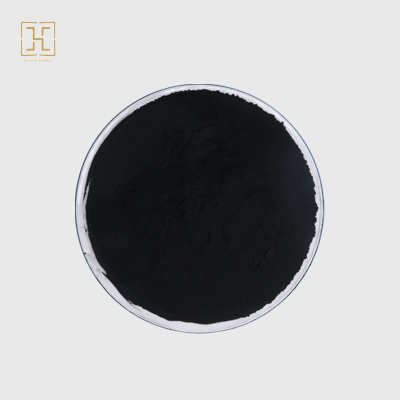
To make wood powder carbon, certain types of hardwood material are carbonized at controlled temperatures, and then the char is ground up into very small pieces, usually 200 mesh (≤0.074 mm) or smaller. This method makes a substance that has an easy-to-reach surface and a well-developed micro- to mesopore distribution. Unlike activated carbon made from coal, this one comes from green sources. This means that it has a smaller carbon footprint and makes less secondary sludge during cleaning.
How Its Porous Structure Drives Adsorption
The way wood powder carbon is built inside determines how well it works. Its network of holes, mostly mesopores measuring 2–50 nm, lets liquid organic molecules and inorganic ions move through it quickly. Polar pollutants are drawn to surfaces with functional groups, such as carboxyl and hydroxyl groups. In household wastewater, this means that phenols, chlorinated compounds, ammonia nitrogen, and trace heavy metals like lead and cadmium are taken up well.
Why It Matters for Regulatory Compliance
The U.S. Clean Water Act and EPA effluent rules are making it harder for people to dump garbage into the environment. This is a good fit for Wood Powder Carbon for Domestic Wastewater Purification because it lowers COD (Chemical Oxygen Demand), turbidity, and color all in one step. Its recyclable base material also helps meet the goals for sustainability reporting that many city water departments now ask their chemical providers to meet.
Comparing Wood Powder Carbon to Other Adsorbents in Domestic Wastewater Treatment
Wood Powder Carbon vs. Granular Activated Carbon
Granular activated carbon (GAC) is the standard in the business, but in liquid-phase systems, its bigger particle size slows down the rate of adsorption. On the other hand, wood powder carbon has a lot more surface area per unit volume and can contact dissolved pollutants almost instantly. It is important to have this kinetic advantage for projects that need to treat things quickly, like high-flow municipal systems.
Wood Powder Carbon vs. Biochar and Charcoal
Biochar, wood charcoal, and wood powder carbon are all made from biomass. However, biochar and wood charcoal tend to have lower iodine levels (often less than 500 mg/g) and less uniform pore structures because production controls are not as strict. Iodine levels of 800–1000 mg/g and methylene blue adsorption rates that biochar rarely matches are reached by industrial-grade wood powder carbon made in certified production settings. Consistent quality approval is what sets a reliable adsorbent apart from an uncertain one for B2B buyers who are looking to buy in bulk.
Wood Powder Carbon vs. Ceramic and Synthetic Filters
Although ceramic filters and synthetic polymer adsorbents are strong, they produce waste that doesn't break down when they're used up. The carbon in wood powder breaks down naturally, which lowers the cost of disposal and the environmental risk. When it comes to value for money, wood powder carbon from reputable suppliers is usually 20–40% cheaper than synthetic alternatives. However, in properly designed dosing systems, it still removes pollutants just as well.
These tests show that wood powder carbon is a good compromise between granular media and biochar, and biochar and synthetics. It works faster than granular media, is more uniform than biochar, and lasts longer than synthetics. This makes it a good choice for both new system designs and upgrades to current treatment infrastructure.
Practical Applications and Case Studies of Wood Powder Carbon in Domestic Wastewater
Organic Pollutant Removal Performance
Studies have shown that adding 0.5 to 1.5 grams of Wood Powder Carbon for Domestic Wastewater Purification to secondary-treated wastewater can cut down the amount of COD by 60 to 80% and remove new organic micropollutants, such as drugs and personal care products, by up to 90%. These measures are very important for project managers who need to obtain discharge permits quickly because they allow them to determine precise doses without extensive pilot testing.
Heavy Metal and Turbidity Reduction
Besides taking in organic matter, wood powder carbon can also take in heavy metals like copper, zinc, and lead from household wastewater. Through ion exchange and surface complexation, oxygen groups on the surface work with metal cations to form bonds. One study that was released found that 200-mesh wood carbon could remove more than 75% of aqueous lead at a pH level close to neutral. This is a performance range that is similar to what is found in most city waste. Reducing turbidity by 40 to 60% has also been seen in secondary sewage polishing uses.
Managing Adsorption Saturation in Operations
Adsorption overload is a real problem in the field. When the carbon loading is full, pollution quickly breaks through. Operators usually deal with this by adding new carbon in stages based on the amount of pollution coming in and checking the quality of the waste on a frequent basis. For big buyers, getting a supplier who can consistently restock on short notice is just as important as getting information on how well the material works at first.
Procurement Guide: Selecting and Purchasing Wood Powder Carbon for Wastewater Treatment
Key Quality Indicators to Request
When purchasing managers look at different companies, they should ask for the following technical data sheets:
- Iodine value (minimum 800 mg/g for wastewater-grade applications)
- Methylene blue adsorption (reflects mesopore availability for larger molecules)
- Ash content (below 5% for standard grade; acid-washed grades below 3%)
- Heavy metal content (Pb, As, Cd — must meet EPA and ISO safety thresholds)
- Particle size distribution (200-mesh grade: ≥95% passing 0.074 mm sieve)
Asking for proof of ISO 9001 and ISO 14001 certification shows that the company has quality and environmental management systems that have been checked. This is a standard requirement for buying things from businesses and cities.
Supplier Evaluation Criteria
A good supplier should be able to show that they can produce a lot of things, offer technical support, and deliver on time. Look for companies that keep core grades in stock, let you try a sample before you commit to buying a lot, and offer full technical paperwork for regulatory applications. Suppliers with active research and development programs, such as partnerships with well-known research schools, are better able to meet the unique needs of each application.
Cost-Value Assessment for Large-Scale Procurement
When used properly, Wood Powder Carbon for Domestic Wastewater Purification is less expensive per unit of pollution cleared than the majority of manufactured options. For framework supply contracts, negotiating tiered pricing based on yearly volume commitments can save you 10–15% compared to buying on the spot. When you add in the lower costs of handling sludge and getting rid of it, the overall cost benefit over GAC becomes stronger for amounts above 10 metric tons per month.
Future Trends and Innovations in Wood Powder Carbon Wastewater Treatment
Surface Functionalization and Modified Grades
Researchers at top universities are making wood powder carbons with amine or metal-oxide layers on the outside to target contaminants like phosphate, arsenic, and pharmaceutical leftovers that regular carbon grades don't absorb as well. These changed grades are moving from small-scale testing in the lab to pilot production. Within 3–5 years, procurement teams should be able to buy them in stores.
Regeneration and Circular Economy Applications
Reusability is becoming more important. Protocols for thermal and chemical regeneration of fine wood powder carbon are being improved to make the material last longer without losing much of its usefulness. As ESG reporting requirements become normal for municipal water authorities, suppliers who invest in regeneration support services will offer lower total lifecycle costs. This is a key factor in making decisions.
Regulatory Drivers Shaping Demand
More and more advanced treatment standards for micropollutants and the EPA's ongoing review of effluent limitation rules are driving up the need for high-performance carbon adsorbents. If procurement professionals make long-term supply deals now, before regulatory pressure rises, they will get better prices and supply priority from makers who are already at full capacity.
Conclusion
Wood Powder Carbon for Domestic Wastewater Purification can provide a practical adsorption option for improving the treatment of domestic wastewater when the material is properly selected and applied. Its renewable biomass origin, developed pore structure, and compatibility with established treatment processes can make Wood Powder Carbon for Domestic Wastewater Purification suitable for applications where organic contaminants, color compounds, and other impurities need to be reduced. For municipal and industrial wastewater managers, the effectiveness of Wood Powder Carbon for Domestic Wastewater Purification depends on more than adsorption capacity alone; consistent product quality, reliable supply, and responsive technical support are also important for maintaining stable treatment performance at scale. When evaluating Wood Powder Carbon for Domestic Wastewater Purification, procurement teams should verify supplier certifications, batch-testing procedures, production capacity, and technical experience. Selecting a qualified and experienced manufacturer can help ensure that Wood Powder Carbon for Domestic Wastewater Purification performs consistently under the specific operating conditions of the wastewater treatment system.
FAQ
What particle size of wood powder carbon works best for wastewater treatment?
The 200-mesh grade (≥95% passing 0.074 mm) is the most widely used in liquid-phase wastewater applications. This size balances rapid adsorption kinetics with manageable filtration requirements. Coarser grades may slow contact time; finer grades can cause pressure buildup in filtration systems.
How does wood powder carbon compare to powdered activated carbon (PAC)?
Both share similar application methods, but wood-derived carbon often carries a lower ash content and a more renewable production profile. PAC sourced from coal can contain higher residual heavy metals. For drinking water and sensitive discharge applications, wood-based grades typically meet purity specifications more easily.
Can wood powder carbon handle high-COD industrial wastewater?
Yes, though high-COD streams may require higher dosing rates or pre-treatment steps. Wood powder carbon works well as a polishing stage after biological treatment. For highly concentrated refractory organics, combining it with chemical coagulation improves overall COD removal efficiency.
What certifications should I require from a supplier?
At minimum, request ISO 9001 (quality management) and ISO 14001 (environmental management) certificates. For drinking water or food-contact adjacent applications, request compliance documentation against GB standards or Food Chemicals Codex (FCC) requirements.
How quickly can bulk orders be delivered?
This depends on the supplier's inventory system. Qualified manufacturers with standing stock can ship standard orders within 7–15 days and fulfill urgent orders through expedited channels within 3 days.
Partner with Shanxi Xinhua Carbon Technology Industry Co., Ltd. for Reliable Wood Powder Carbon Supply
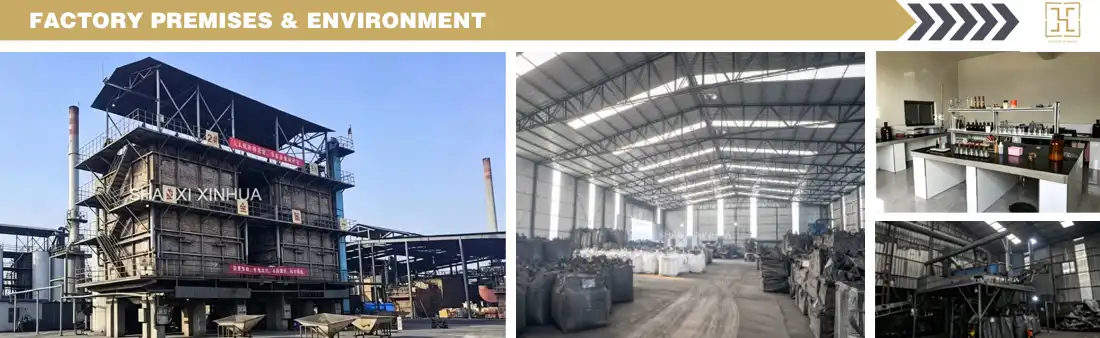
Through four production bases and an annual output of 45,000 tons, Shanxi Xinhua Carbon Technology Industry Co., Ltd. produces certified, high-performance Wood Powder Carbon for Domestic Wastewater Purification. There are ISO 9001, ISO 14001, and ISO 45001 marks on our goods, and our R&D team works with Tsinghua University and the Chinese Academy of Sciences. We are a reliable source of wood powder carbon for projects that treat wastewater, and we offer bulk purchases, emergency shipping within three days, and full technical paperwork support. You can get examples and scientific data sheets by going to xhcarbontech.com or emailing us at greta@carbonxinhua.com.
References
1. Crini, G., & Lichtfouse, E. (2019). Advantages and disadvantages of techniques used for wastewater treatment. Environmental Chemistry Letters.
2. Foo, K. Y., & Hameed, B. H. (2010). Detoxification of pesticide waste via activated carbon adsorption process. Journal of Hazardous Materials.
3. Mohan, D., & Pittman, C. U. (2007). Arsenic removal from water/wastewater using adsorbents — A critical review. Journal of Hazardous Materials.
4. Njoku, V. O., & Hameed, B. H. (2011). Preparation and characterization of activated carbon from corncob by chemical activation with H₃PO₄ for 2,4-dichlorophenoxyacetic acid adsorption. Chemical Engineering Journal.
5. Rivera-Utrilla, J., Sánchez-Polo, M., Ferro-García, M. Á., Prados-Joya, G., & Ocampo-Pérez, R. (2013). Pharmaceuticals as emerging contaminants and their removal from water. Chemosphere.
6. U.S. Environmental Protection Agency. (2020). Effluent Guidelines and Standards: Domestic Wastewater Treatment. EPA Office of Water.

Send Inquiry
You may like
_1781662034490.webp)