_1778553121707.webp)
Can Wood-Based Activated Carbon Improve Heat Source Removal in Manufacturing Systems?
Sep 21, 2026
Yes — and the evidence is compelling. Heat source removal from wood-based activated carbon is a specialized thermal treatment process that eliminates residual heat, volatile impurities, and unstable surface compounds formed during activation. When done correctly, this process directly improves the carbon's pore structure, adsorption stability, and operational lifespan inside manufacturing systems. For procurement professionals in environmental engineering, water treatment, or petrochemical industries, understanding this process means making smarter material choices that meet both performance targets and compliance requirements.
Understanding Heat Source Removal in Wood-Based Activated Carbon
What "Heat Source Removal" Actually Means
When wood-based activated carbon is made, high-temperature carbonization and activation leave behind thermal stress, volatile compounds that get trapped, and carbon structures that aren't stable. To stabilize the end product, heat source removal is the controlled process of getting rid of these parts by carefully controlling the temperature and gas flow. If you don't do this step, leftover heat can cause tiny cracks in the pore structure, which will make the absorption less effective over time.
How It Affects Pore Structure and Surface Chemistry
When thermally cleaned properly, the amount of mesopores (2–50 nm) rises. These are the best-sized holes for catching big organic molecules like VOCs and pyrogens. When this method is used on wood-based carbons, they usually get a Methylene Blue number above 180 mg/g and a specific surface area over 1,200 m²/g. These numbers show that the material has a great ability to remove color and impurities in both liquid and gaseous forms.
Low-Temperature vs. High-Temperature Removal Methods
Low-temperature heat source removal at approximately 300–500°C can target surface moisture and some light volatile compounds while helping preserve oxygen-containing functional groups that contribute to the adsorption of polar molecules. For activated carbon manufacturers, Heat source removal from wood-based activated carbon at this temperature range can therefore be considered when surface chemistry needs to be retained alongside contaminant reduction. Higher-temperature treatment at approximately 700–900°C can provide deeper thermal purification and may produce a more thermally stable carbon structure with increased iodine adsorption values, depending on the starting material and activation conditions. In applications requiring more intensive purification, Heat source removal from wood-based activated carbon can be incorporated into a controlled thermal-treatment process designed around the required purity and adsorption specifications. The appropriate approach depends on the intended application, such as pharmaceutical decolorization or industrial gas treatment. For this reason, Heat source removal from wood-based activated carbon should be evaluated according to the target contaminant profile, adsorption requirements, and acceptable surface chemistry. By selecting suitable treatment temperatures and verifying the finished material through analytical testing, manufacturers can optimize Heat source removal from wood-based activated carbon for the specific performance requirements of each application.
Comparative Analysis: Heat Source Removal vs. Other Activation Methods
Process Complexity and Energy Use
Using steam to activate carbon in the traditional way makes it mostly microporous, which is good for absorbing small molecules of gas but not so good for larger organic compounds. Using phosphoric acid or zinc chloride to activate the material chemically makes the pores spread out more, but it may leave behind chemical flaws. When used as a post-activation tuning step, heat source removal improves process accuracy without making energy costs go up by a lot. This makes it a useful addition to production lines that are already in use.
Performance Data: What the Numbers Show
Chemically activated wood-based carbon has been studied and found to have iodine values of 900 to 1,200 mg/g and Methylene Blue values of up to 250 mg/g when used with the right heat source management. If you compare this to steam-activated coal-based carbon, it usually has lower Methylene Blue values and more ash, often above 8%, which can make sensitive industrial processes less effective. In pharmaceutical and food-grade settings, wood-based carbon with an ash level of less than 3–5% works better and cleaner.
Choosing the Right Method for Your Manufacturing Context
Here are the most important selection criteria that you should look at:
- Steam activation alone — best for microporous applications like solvent recovery or gas-phase VOC adsorption, where pore uniformity matters most.
- Chemical activation + heat source removal — best for liquid-phase purification, where high mesopore volume and low ash content are required, such as in water treatment or pharmaceutical processing.
- High-temperature heat removal post-activation — best for industrial flue gas treatment, high-humidity environments, and applications requiring long regeneration cycles.
Each method is used for a different reason. Teams in charge of buying things should match the method to the working conditions, not just the cost up front.
Practical Applications of Heat Source Removed Wood-Based Activated Carbon in Manufacturing
Water Treatment and Liquid-Phase Purification
Wood-based activated carbon that has undergone controlled heat treatment and purification can be produced with low iron and controlled heavy-metal levels, depending on the raw material and processing conditions. Heat source removal from wood-based activated carbon can be an important part of this purification strategy when the finished carbon is intended for applications requiring tighter impurity control. For example, specifications such as iron below 0.01% or lead below 10 ppm should be verified through batch-specific analytical testing rather than assumed solely from the heat-treatment process. Effective Heat source removal from wood-based activated carbon can therefore help manufacturers establish more consistent purity specifications and support evaluation against applicable USP, EP, or ChP requirements. This type of activated carbon can be used for removing chlorine, organic compounds, color bodies, and certain trace contaminants from municipal and industrial wastewater, depending on the treatment design. With appropriate pore structure and filtration characteristics, Heat source removal from wood-based activated carbon can also contribute to stable adsorption performance and efficient downstream filtration. For procurement teams, evaluating Heat source removal from wood-based activated carbon together with mesopore volume, filtration rate, heavy-metal content, and batch testing can provide a more complete basis for assessing material quality and potential operating costs.
Air Purification and VOC Adsorption in Industrial Facilities
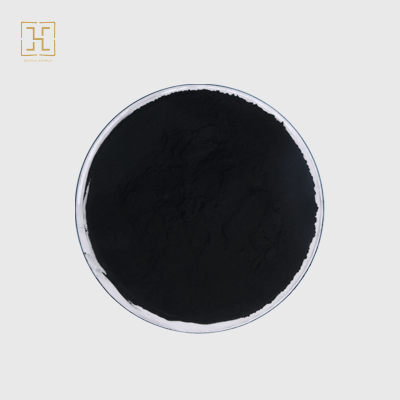
The EPA has strict rules about how much VOC coating plants, electronics factories, and chemical processing plants can release. Powdered activated carbon made from wood has a high Methylene Blue value and a low bulk density, which makes it more efficient in adsorption bed systems in terms of volume per weight. Because getting rid of the heat source makes the carbon structure thermally stable, these materials keep working the same way even when the temperature and humidity change, which is common in industrial air treatment systems.
Flue Gas Treatment and Catalytic Applications
Activated carbon is used in power plants and industrial plants to do more than just absorb mercury, sulfur compounds, and NOx from waste gas streams. It also acts as a catalyst. The chemical stability that comes from the right heat treatment stops carbon from breaking down too quickly in corrosive gas settings. This means that regeneration processes last longer and replacements happen less often. This directly leads to lower costs for upkeep and better compliance with regulations.
Procurement Guide for Wood-Based Activated Carbon with Heat Source Removal
Certifications and Quality Standards to Verify
Before choosing a provider, make sure that the company has ISO 9001 certification for quality management, ISO 14001 certification for environmental management, and ISO 45001 certification for health and safety at work. For water treatment uses, look for cleanliness licenses that have been issued by the appropriate health authorities. Suppliers who follow the testing standards set by ASTM D3860 and GB/T 12496 offer more consistent batches, which is important for large-scale continuous operations.
Evaluating Supplier Capability and Customization
More than just standard catalog items should be offered by a reputable Heat source removal from wood-based activated carbon manufacturer. Look for companies that have a history of research and development partnerships, their own labs where they can do tests, and are ready to give you technical data sheets with details about pore distribution, heavy metal analysis results, and pH ranges. Real production detail is shown by the ability to customize particle size, surface area, loaded components, and final form (powder, granular, columnar, or honeycomb).
Delivery, Inventory, and Emergency Supply Considerations
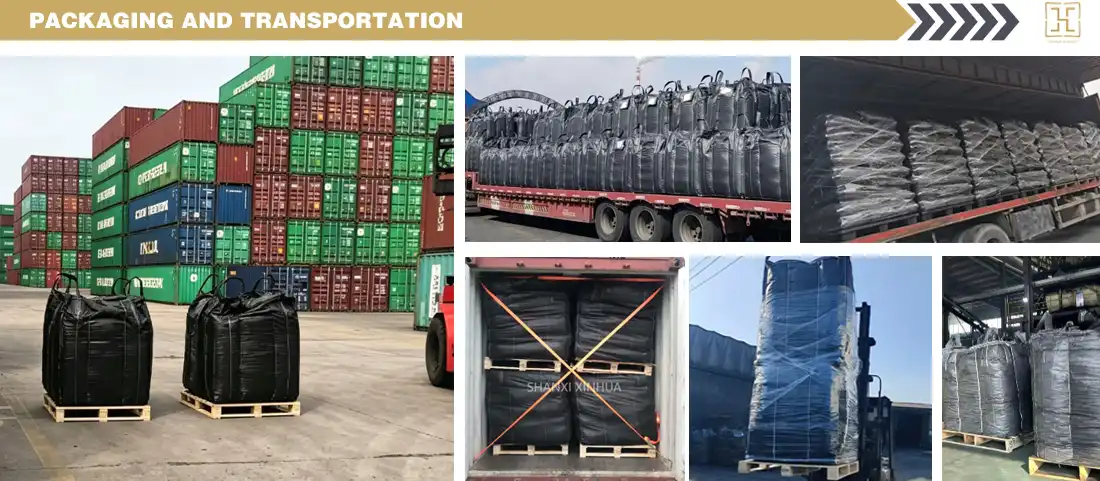
Large manufacturing companies can't have supply gaps, especially on projects that have to follow rules. Check to see if the seller keeps all of your essential goods in stock at all times, delivers normally within 7–15 days, and has a faster shipping option that can handle orders that need to be shipped right away (within three days). Suppliers with more than one production base lower the risk of supply in different areas and offer more stable lead times even when demand changes with the seasons.
Enhancing Manufacturing Systems with Advanced Heat Source Removal Technologies
Precision Process Control and Digital Integration
Modern methods for removing heat sources use real-time temperature tracking and automatic gas flow control, which makes it possible for makers to make carbon with very uniform pore structures from batch to batch. When buying teams connect to digital production management systems, they can see live batch records, quality certificates, and traceability data. This is becoming more and more important for controlled industries like medicines and local water treatment.
Addressing Scalability and Process Bottlenecks
To remove heat sources on a large scale for industrial outputs above 40,000 tons per year, rotary kiln systems with precise temperature control for each zone are needed. Bottlenecks usually happen when there isn't enough cooling capacity or when the feedstock's moisture content isn't stable. Suppliers with multi-base production facilities can spread out production loads so that these problems don't slow down supply times.
What to Expect from Next-Generation Carbon Materials
Research groups, such as those at the Chinese Academy of Sciences and Tsinghua University, are working hard to make carbon-based catalysts with better surface functional groups that make it easier for pollutants to stick to them. These materials claim to be more selective for heavy metals and toxic gases while using less carbon. This will help industry users use less material and pay less to get rid of it.
Conclusion
Wood-based activated carbon, when produced with properly controlled thermal purification, can offer improved thermal stability, pore structure, and adsorption performance compared with some standard activated carbon materials. Effective Heat source removal from wood-based activated carbon can help reduce unwanted volatile residues and other thermally removable contaminants while supporting the desired characteristics of the finished carbon. For manufacturing systems handling VOCs, heavy metals, wastewater contaminants, or flue gas, Heat source removal from wood-based activated carbon can be an important processing consideration because material purity and pore structure may affect adsorption performance, system reliability, and operating costs. Procurement professionals should evaluate suppliers based on verified certifications, documented technical data, batch-specific analytical results, customization capability, and demonstrated supply stability. When Heat source removal from wood-based activated carbon is part of the production specification, buyers should also confirm how the supplier controls thermal treatment and verifies the resulting material properties. By combining documented processing procedures with appropriate quality testing, Heat source removal from wood-based activated carbon can support more consistent material selection for large-scale applications and help procurement teams assess whether the activated carbon meets their specific performance and quality requirements.
FAQ
How does heat source removal improve adsorption efficiency in wood-based activated carbon?
Heat source removal makes the mesopore and macropore structure cleaner and more consistent by getting rid of any volatile compounds that are left over and stabilizing the internal pore network during production. This makes it easier for the carbon to absorb bigger organic molecules, which leads to higher Methylene Blue readings (often above 180 mg/g) and more consistent performance between batches.
What is the difference between low- and high-temperature heat removal methods?
Removal at low temperatures (300–500°C) keeps surface functional groups intact and works better for polar molecule adsorption in liquid-phase situations. High-temperature removal (700–900°C) makes the structure more thermally stable and graphitic. This makes it better for treating industrial gases and working in places with a lot of moisture, where stability is more important than surface polarity.
Can wood-based activated carbon be customized for specific manufacturing applications?
Yes. Good providers let you change the product form, pH range, particle sizes, surface area goals, and the spread of pores. For instance, pharmaceutical uses might need a neutral pH and a lead level of less than 10 ppm, while flue gas treatment uses would want high iodine values and heat resistance above 700°C. Talk to the supplier's technical team about your specific needs before you place an order.
Partner with Shanxi Xinhua Carbon Technology Industry Co., Ltd. for Your Next Project
With four production bases and an annual output of 45,000 tons, Shanxi Xinhua Carbon Technology Industry Co., Ltd. makes certified wood-based activated carbon with documented heat source removal processes. Our products are certified by ISO 9001, ISO 14001, and ISO 45001, and our expert team can fully customize them to fit your industrial system. To get samples and technical information, email us at greta@carbonxinhua.com or go to xhcarbontech.com.
References
1. Marsh, H., & Rodríguez-Reinoso, F. Activated Carbon. Elsevier Science, 2006.
2. Bansal, R. C., & Goyal, M. Activated Carbon Adsorption. CRC Press, 2005.
3. American Chemical Society. Environmental Science & Technology — "Wood-Based Activated Carbon for Emerging Contaminant Removal in Water Treatment Systems," 2019.
4. Toth, J. Adsorption: Theory, Modeling, and Analysis. Marcel Dekker, 2002.
5. ASTM International. ASTM D3860: Standard Practice for Determination of Adsorptive Capacity of Activated Carbon by Aqueous Phase Isotherm Technique, 2020.
6. International Journal of Environmental Research and Public Health — "Thermal Activation Methods and Pore Structure Development in Wood-Based Activated Carbon for Industrial Applications," 2021.

Send Inquiry
You may like
_1781662034490.webp)