_1778553121707.webp)
Can Refined Wood Powder Carbon Improve Clarity During Monosodium Glutamate Production?
Sep 23, 2026
Yes — monosodium glutamate refined wood powder carbon can measurably improve product clarity during MSG manufacturing. As a food-grade decolorization agent derived from high-purity carbonized wood biomass, it adsorbs pigment molecules, organic impurities, and residual color bodies from glutamate fermentation broth, producing a cleaner, more transparent final crystal. For procurement managers and process engineers sourcing filtration materials at scale, understanding how this material performs — and where to source it reliably — directly affects both product quality scores and regulatory compliance outcomes.
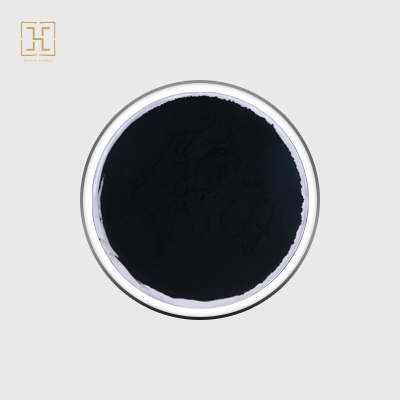
Understanding Refined Wood Powder Carbon in MSG Production
What Makes This Material "Refined"
Carbonized biomass is what standard Monosodium glutamate refined wood powder carbon is. More acid washing, high-temperature activation, and particle classification steps are added to the refined versions. The end product has less ash (usually less than 3%), less iron, a controlled pH, and smaller particles—often at 200-mesh, which means that at least 95% of it goes through a 0.074mm sieve. Trace contaminants can change the taste, safety, and regulatory approval of food-grade products, so these improvements are important.
Chemical Composition and Adsorption Properties
The material has a high Methylene Blue value (180–300 mg/g) and a specific surface area of 1,000–1,600 m²/g because it has both mesopores and macropores. Because of these features, it can effectively capture large molecular-weight color bodies produced during Monosodium glutamate refined wood powder carbon fermentation. Granular activated carbon, on the other hand, often misses these compounds because its pores are not the right size. The hierarchical pore structure lets impurity molecules in the thick glutamate liquor come into contact with the structure almost instantly.
Sustainability and Safety Compliance
Monosodium glutamate refined wood powder carbon is better for the earth than carbon made from coal. It helps with tracking and GFSI-aligned food safety systems when it comes from certified biomass. Rigid limits for heavy metals, especially lead and iron, must be met in order for food to be healthy. Reliable suppliers check for Pb levels below 0.05 ppm and limit polycyclic aromatic hydrocarbons (PAHs) to meet international standards for food additives. They also make sure that the filtration material doesn't add any extra contamination.
The Role of Refined Wood Powder Carbon in Enhancing Clarity During MSG Production
Why Clarity Matters in MSG Manufacturing
Monosodium glutamate refined wood powder carbon clarity is not just for looks. Buyers in the food industry use color value as a straightforward way to tell how good something is. The bar for commercial-grade MSG is a color value below 20 as measured by spectrophotometry. In the US, EU, and China, regulatory bodies set the levels of purity and the number of visible particles that can be present. If these conditions aren't met, the batch could be rejected, the sale could be delayed, or the producing facility's image could be hurt.
Adsorption Mechanism During Decolorization
The clarified fermentation broth still has small amounts of pigments, humic-like compounds, and amino acid byproducts left over after the glutamate processing. These are taken in by Monosodium glutamate refined wood powder carbon through physical surface interaction; pigment molecules bind to carbon surface sites across the mesopore network. With the right amount of food-grade Monosodium glutamate refined wood powder carbon, the decolorization rate can be over 95% in a single pass, so there is no need for multiple filtration processes.
Performance Validation From Industrial Use
Food preparation plants that use 200-mesh Monosodium glutamate refined wood powder carbon in decolorization stages report that the color value drops consistently, from above 60 before treatment to below 20 in a single contact stage. The rate of filtration stays high enough that normal filter presses or leaf filtration methods don't get too slow. It is a good choice for MSG producers who want to increase throughput without lowering quality because it is very good at decolorizing and doesn't affect the process.

Comparing Refined Wood Powder Carbon with Alternative Filtration Materials
Refined vs. Unrefined Wood Powder Carbon
Cheaper but less reliable is unrefined Monosodium glutamate refined wood powder carbon. The amount of ash can be more than 10%, and iron levels can cause browning reactions that aren't wanted in process streams that contain sugar, which is a known problem in food refining. More refined versions cost more per kilogram, but they lower the number of rejections and costs of rework further down the line. For big MSG plants that process hundreds of tons of material every month, the consistent quality of refined material usually means a lower total cost of ownership.
Wood-Based vs. Coal-Based Activated Carbon in MSG Applications
Coal-based activated carbon is better for gas-phase applications and small-molecule adsorption because it has a structure with lots of micropores. It doesn't work as well as Monosodium glutamate refined wood powder carbon for liquid-phase MSG decolorization because big pigment molecules can't get into micropores easily. The mesopore and macropore sizes of wood-based powdered activated carbon make it better for this purpose in terms of structure. Also, wood-based materials tend to have less ash and a more neutral pH, which are both important for uses that come into contact with food.
Here is a useful way to compare the key success indicators:
• Monosodium glutamate refined wood powder carbon: Methylene Blue value 180–300 mg/g; ash content <3%; iron content strictly controlled; single-pass decolorization >95%; food-grade approved.
• Standard granular activated carbon: has a higher iodine value but a lower Methylene Blue value. It also moves more slowly in liquids and isn't as good for filtering thick broths.
• Coal-based powder carbon: More ash in coal-based powder carbon makes it stronger for small molecules in the gas phase, but it's not as good for food contact because it contains tiny heavy metals and PAHs.
Because of these differences, choosing the right material is a buying decision that has real technical effects on both the end product and the legal risk.
Procurement Guide for Monosodium Glutamate Refined Wood Powder Carbon
Certifications and Quality Standards to Require
Require evidence for ISO 9001 (quality management), ISO 14001 (environmental management), and food safety compliance that is in line with GB standards or foreign equivalents when looking for a provider of Monosodium glutamate refined wood powder carbon. Before sending the goods, make sure the seller does standard quality control steps like spectrophotometric caramel decolorization tests, pH value tests, iron content analyzes, filtration rate measurements, and PAH/heavy metal screening.
Bulk Procurement Considerations
Large MSG producers usually buy on framework supply contracts to keep prices stable and make sure production doesn't stop. Lead times of 7–15 days are normal for well-known suppliers who have enough stock. Some sellers offer fast channels with 3-day delivery for emergency compliance scenarios. Check to see if the buyer has more than one production facility. Having a distributed manufacturing base lowers supply chain risk by a large amount during times of high demand or when there are problems with transportation.
Evaluating Supplier Reliability
Don't just look at price. A more reliable scientific partnership comes from a supplier that has been making activated carbon for decades, has an in-house testing lab, and has worked with research schools in the past. Before you place a large order, ask for batch test reports and a sample of the product. Sustainable sourcing policies and being able to track where raw materials come from are becoming more and more important for sellers in the food business who have to deal with their own checks later on.
Best Practices and Operational Tips for MSG Producers
Dosing and Integration Protocols
The best amount of Monosodium glutamate refined wood powder carbon to use varies with the temperature, touch time, and color of the fermentation broth at the start. Usually, 0.5 to 1.5% carbon by weight of the watery batch is a good place to start. Before adding the powder to the process vessel, mixing it into a slurry stops dust problems and makes the dispersion more even. Do not dry dose straight into open vessels; 200-mesh airborne fine particles need dust control systems according to safety standards for the workplace.
Safety and Environmental Compliance
Under certain situations, Monosodium glutamate refined wood powder carbon with tiny mesh grades can catch fire. Keep in a cool, dry place in the original, sealed packaging, away from things that could catch fire. This way, the food will last for two to three years. The used carbon from food-grade decolorization is usually not dangerous trash, but it should be thrown away according to the rules in your area. Powdered carbon that has been heated again is rarely a good deal, and it is usually thought of as a one-time use filter item.
Emerging Trends in MSG Filtration
Changing the surface chemistry during production, like changing the pH of the Monosodium glutamate refined wood powder carbon to find the best absorption range for certain types of impurities, is an area of active scientific development. As the chemistry of the MSG process changes, suppliers who have R&D cooperation agreements with universities and research institutes will be better able to offer formulations that are tailored to specific uses. When producers work with their carbon provider early on in the process design process, they can usually get better filter results at a lower total material cost.
Conclusion
Monosodium glutamate refined wood powder carbon is a good choice for making MSG production clearer from a scientific and business point of view. It can handle the difficulties of liquid-phase glutamate purification thanks to its mesopore-rich structure, low ash content, controlled iron levels, and high decolorization efficiency. It gives consistent results that help meet both regulatory requirements and product quality goals when bought from a supplier with verified food-grade certifications and stable large-scale production capacity. For people who work in procurement, picking the right source is just as important as picking the right material. They need to find one with clear quality processes, a lot of technical knowledge, and a history of on-time delivery.
FAQ
What is the main benefit of making MSG with refined wood powder carbon?
Its large mesopore volume effectively absorbs color bodies with a high molecular weight in liquid-phase environments. It is possible to get a single-pass decolorization efficiency of more than 95%, which means that the color value can drop below 20, which is the bar for industrial MSG quality. It cuts down on the number of times work needs to be redone and boosts production with Monosodium glutamate refined wood powder carbon.
How does it differ from coal-based activated carbon for this application?
Carbon made from coal has a structure with lots of tiny pores that works better for binding in the gas phase. Large color molecules can't get into the micropores in MSG soup with a high viscosity. The mesopore and macropore network in Monosodium glutamate refined wood powder carbon makes it better at decolorizing and absorbing things faster in liquids.
What certifications should I require from a supplier?
Need proof of ISO 9001, ISO 14001, and food safety for Monosodium glutamate refined wood powder carbon. Find out how fast the caramel changes color, what the pH level is, how much iron is in the mixture, how fast it filters, and how it checks for PAHs and heavy metals. These five quality control factors have a direct effect on both the safety of the product and the yield of the refinery.
Can this material be used again and again?
Technically, thermal revival is possible, but for powder grades, it is rarely cost-effective because a lot of material is lost during the process. In food-grade decolorization uses, Monosodium glutamate refined wood powder carbon is usually thought of as a one-time use item.
What particle size works best to improve the clarity of MSG?
The 200-mesh (≥95% passing 0.074mm sieve) Monosodium glutamate refined wood powder carbon combines the rate of filtration with the rate of adsorption. Finer grades have more surface area, but they may slow down the flow through the filter press. Coarser grades make filtration go faster, but they make decolorization contact less effective.
Partner With Shanxi Xinhua Carbon Technology Industry Co., Ltd. for Certified MSG Filtration Solutions
Shanxi Xinhua Carbon Technology Industry Co., Ltd. makes Monosodium glutamate refined wood powder carbon supplier-grade materials that are safe for food and have ISO 9001, ISO 14001, and ISO 45001 certifications to back them up. We have four production bases that produce 45,000 tons of material every year and work with Tsinghua University and the Chinese Academy of Sciences on research. We offer tested adsorption, strict heavy metal controls, and a reliable bulk supply — standard delivery takes 7–15 days, and emergency orders are filled in 3 days. To get a sample or a quote for buying, email our team at greta@carbonxinhua.com or visit xhcarbontech.com right now.
References
1. Yoshida, H., & Kataoka, T. (1987). "Intraparticle mass transfer in bidispersed porous ion exchanger — Part II: Aqueous phase adsorption." Chemical Engineering Science.
2. Ahmedna, M., Marshall, W. E., & Rao, R. M. (2000). "Production of granular activated carbons from select agricultural by-products and evaluation of their physical, chemical, and adsorption properties." Bioresource Technology.
3. Moreno-Castilla, C. (2004). "Adsorption of organic molecules from aqueous solutions on carbon materials." Carbon.
4. ASTM International. (2019). ASTM D3860: Standard Practice for Determination of Adsorptive Capacity of Activated Carbon by Aqueous Phase Isotherm Technique. ASTM International.
5. Bandosz, T. J. (Ed.). (2006). Activated Carbon Surfaces in Environmental Remediation. Elsevier Academic Press.
6. Liu, Z., & Wang, J. (2015). "Decolorization performance and mechanism of wood-based powdered activated carbon in food-grade glutamate purification." Journal of Food Engineering.

Send Inquiry
You may like
_1781662034490.webp)