_1778553121707.webp)
Can Physical Method Wood Activated Carbon Improve Industrial Filtration Efficiency?
Sep 20, 2026
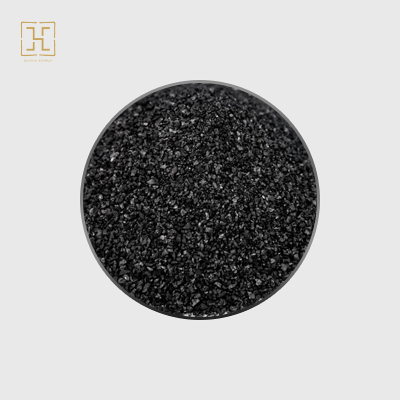
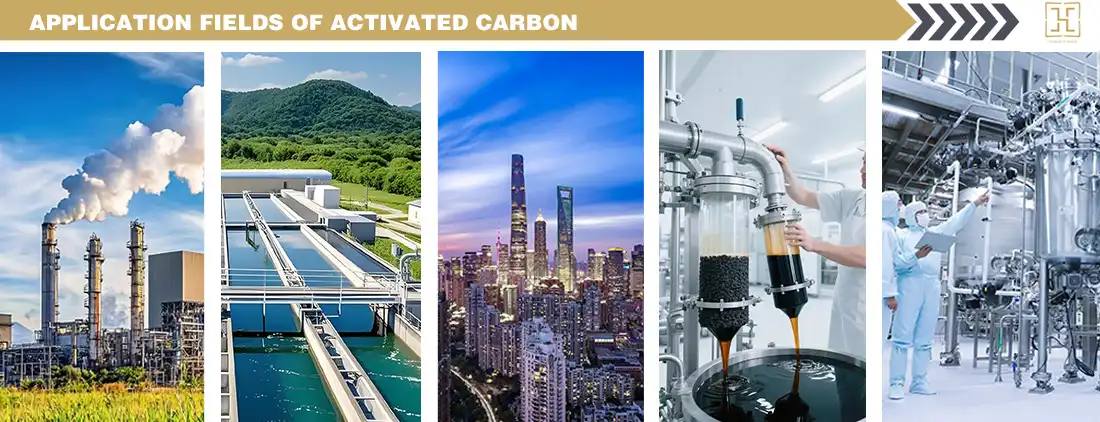
The physical method wood activated carbon can significantly improve industrial filtration efficiency. Produced through high-temperature steam activation—typically between 800°C and 1000°C—this material develops a dense internal pore network without introducing chemical residues. The result is an adsorbent with an iodine value ranging from 900 to 1100 mg/g and low ash content below 5%, making it well-suited for demanding applications in water treatment, air purification, and petrochemical processing. Its chemical-free production process also means it meets stringent food-grade and pharmaceutical-grade purity standards, giving industrial operators both performance and compliance in one material.
Understanding Physical Method Wood Activated Carbon
The Two-Stage Thermal Activation Process
Physical Method Wood Activated Carbon produced by direct activation goes through two separate steps. First, sawdust or raw wood chips are carbonized at room temperature to get rid of toxic chemicals and make a carbon-rich starter. Second, this precursor is put in contact with steam or CO₂ at 800–1000°C. This preferentially oxidizes the carbon structures inside and creates a large network of micropores and mesopores. Because phosphoric acid and zinc chloride are not used, the final product is chemically pure and stable.
Key Physical and Chemical Properties
The physical activation process creates carbon that has an iodine value of 900–1100 mg/g and a methylene blue binding value of 120–180 mg/g. This shows that it can strongly bind both small and medium-sized molecules. The pH stays neutral to slightly alkaline, and the ash content stays below 3–5%. When procurement engineers and system designers choose filter media, these qualities are closely linked to consistent filtration performance, less pressure drop in fixed-bed reactors, and predictable adsorption kinetics.
Sustainability Advantages Over Chemical Methods
Physical activation uses steam and heat instead of chemicals that break things down, so it makes a lot less trash, and there is almost no chance that chemicals will get into the finished product. Wood is a natural resource that also has a lower carbon footprint over its entire life cycle than coal or coconut shell. If a company has to follow EPA rules or ISO 14001 environmental management standards, buying physically activated wood carbon will help them stick to their sustainability goals without lowering the performance of the carbon's adsorption.
Comparing Physical and Chemical Activation Methods for Wood Activated Carbon
Process Differences and Their Impact on Carbon Quality
Chemical activation uses chemicals like zinc chloride or phosphoric acid to combine with the wood precursor at lower temperatures. This makes a structure with a lot of macropores all at once. Physical activation needs higher temperatures but makes a product that doesn't have any activating agents left over. In real life, physically activated carbon works better on heavy metal screens (Pb, Fe, Zn), passes ASTM and GB/T 12496 standards for use in food and medicine, and can go through thermal regeneration processes without breaking down.
Cost and Lifecycle Considerations
Chemical activation usually has lower energy costs up front because the processing takes less time, but procurement teams should look at the whole lifecycle. For chemical-method carbon, it's common to need acid-washing steps and extra wastewater cleaning, which raises the overall cost of doing business. Physical Method Wood Activated Carbon, on the other hand, has higher mechanical strength and resistance to wear and tear, which makes it last longer in both fixed-bed and moving-bed systems. The total cost of ownership often favors physical activation over chemical activation over a multi-year contract. This is especially true for high-volume industrial users handling large filter arrays.
Matching Activation Method to Application Requirements
The choice between physical and chemical activation depends on the needs of the application. Here is a useful comparison to help you make decisions about procurement:
- Physical activation: is good for cleaning pharmaceuticals, removing color from food, treating drinking water, and any other job where chemical residue is a problem. It is also the best choice for heat recovery because it has a high mechanical strength.
- Chemical activation is sometimes chosen when a very large macropore volume is needed for fast adsorption of large molecules, but this comes at the cost of less purity and less ability to regenerate.
R&D engineers and quality managers can choose the right grade from the start by understanding these trade-offs. This way, they don't have to make expensive material changes in the middle of a project.
Enhancing Industrial Filtration Efficiency with Physical Method Wood Activated Carbon
Common Filtration Problems and Root Causes
Many problems with industrial filtration can be traced back to adsorbent materials that aren't up to par. These problems include premature breakthrough, rising pressure drops, and short replacement cycles. When carbon has a lot of ash or particles of different sizes, channeling happens inside filter beds. This makes it take longer for contaminants to actually contact the adsorbent surface. Chemical triggering agents that stay in the system can also mess up processes that come after, like treating water or making food, which can lead to compliance problems that are hard to figure out after the system is installed.
Performance Gains from Physically Activated Wood Carbon
Physical Method Wood Activated Carbon immediately deals with these types of failure. Its pores are spread out evenly, so they can consistently remove chlorine, catch VOCs, and adsorb heavy metals across the whole filter bed. According to a study in the Journal of Hazardous Materials, physically activated carbons made from wood are better at removing phenol than those made from coal in water-based systems. The high mechanical strength of the material also lowers the amount of fines that are made during backwash cycles. This keeps the bed intact for longer periods of time and lowers the cost of replacement every year in water treatment plants.
Optimization Factors for Maximum System Efficiency
To get the most out of steam-activated wood carbon, you need to pay attention to three things: the surface area, the pores, and the particle size distribution. Here are the most important things engineers should think about when specifying this material for optimization:
- Particle size: Grains (8-30 mesh or 12-40 mesh) manage pressure drop and contact time in fixed-bed reactors, while powdered grades are better for batch adsorption in liquid-phase uses.
- Surface area and pore distribution: When the BET surface area is above 1000 m³/g and the mesopore fraction is developed, it is better at capturing larger organic molecules like caramel pigments or pharmaceutical impurities.
- Regeneration compatibility: The high mechanical strength allows for multiple heat regeneration processes at 800–900°C, which lowers the amount of material used over time.
If you correctly specify these factors during the purchase stage, you can avoid expensive filter redesigns and make sure that the system meets regulatory discharge limits from the start.
Procurement Guide: Buying Physical Method Wood Activated Carbon for Industrial Use
Supplier Qualification and Certification Standards
Make sure that the company you buy Physical Method Wood Activated Carbon from has ISO 9001 quality management, ISO 14001 environmental management, and ISO 45001 health and safety at work certifications. Check the iodine value, ash content, pH, moisture, and heavy metal levels against ASTM or GB/T 12496 standards by asking for test reports. A reliable supplier will give you batch-specific certificates of analysis and help you get samples before you buy them so that an independent lab can check them.
Bulk Order Logistics and Lead Times
If you're buying a lot of industrial supplies, make sure you know how much the seller can produce and how much stock they have in their warehouse before you sign the contract. Standard orders should be shipped within 7–15 days, but sellers who can speed up shipping within 72 hours are needed for jobs that need to be done quickly to meet compliance requirements. Support for global multimodal logistics, which includes freight by sea, air, and rail, is important for international buyers who have to keep projects on time. Ask providers about minimum order sizes, the best ways to package moisture-sensitive carbon, and the ability to track shipments in real time.
Long-Term Supply Partnership Considerations
After the first sale, a stable long-term supply is just as important as good performance at the start. Industrial buyers should look at a supplier's yearly production capacity, where their production bases are located, and how long they've been working with controlled sectors. When suppliers have helped make national standards, they bring more technical knowledge to the table when talking about new products. This is helpful when application needs change or when new emission rules need a different carbon specification.
Future Outlook and Sustainability of Physical Method Wood Activated Carbon
Renewable Raw Materials and Lower Carbon Footprint
Wood is still one of the easiest renewable carbon sources to get. Wood-based activated carbon has a much smaller carbon footprint than coal-based alternatives when it comes from approved forestry activities. As pressure mounts on industrial buyers in the US and around the world to report more Scope 3 emissions, the source of the raw materials used to make filtration consumables becomes a factor in the buying process that can have real financial and social effects.
Technological Advancements in Physical Activation
Improvements to the steam activation process are lowering the amount of energy needed per ton of finished carbon while also making it easier to control the distribution of pores of different sizes. With customized pore engineering, manufacturers can now target specific contaminant molecular weights. This has opened up new markets in the pharmaceutical industry and for improved water reuse systems. Because of these improvements to the process, Physical Method Wood Activated Carbon will continue to gain ground in areas where chemical-method carbon used to be the most popular choice because it was cheaper.
Alignment with Tightening Regulatory Requirements
The EPA is continuing to tighten its rules on VOC emissions, contaminants in drinking water, and industrial discharge. Physically activated wood carbon's pure nature and constant adsorption performance set industrial operators up for compliance over regulatory rounds that last more than one year. Companies that make deals with qualified makers now are less likely to have to scramble to find products that meet the new standards when they go into action.
Conclusion
Physical activation with steam or CO2 makes wood-based activated carbon that is very pure, has good mechanical integrity, and works well for treating water, cleaning the air, and processing industrial gases. Its creation without chemicals helps with both following the rules and being environmentally friendly. It is technically sound for procurement managers, engineers, and environmental project teams to choose Physical Method Wood Activated Carbon because it improves filtering and ensures long-term operating reliability. The next step that makes sense is to find a provider with valid certifications and a track record of producing on a large scale.
FAQ
What makes physical method wood activated carbon more suitable for industrial filtration than chemical activation?
During physical activation, steam or CO₂ is used instead of acids or salts. This means that there are no more chemical agents in the final Physical Method Wood Activated Carbon. In industries like food processing, drug production, and drinking water treatment, chemical contamination means that a material is not acceptable, even if it has high adsorption numbers. In addition to being purer, physically activated carbon is stronger and works better with thermal regeneration. This means it lasts longer in fixed-bed filtration systems than many chemical-method alternatives.
How do I evaluate if physically activated wood carbon meets my specific filtration requirements?
Ask for batch test results that include the iodine value, the amount of ash, the wetness, the pH, and the amount of heavy metals. For use in liquids, request details on the rate of caramel decolorization. Check the BET surface area and pore size variation for gas-phase uses. Reliable suppliers will send you samples to try on your own before you place a large order. This is the best way to be sure that the product will work in your unique process conditions.
What are typical lead times and minimum order quantities when procuring in bulk?
Standard industrial orders can usually be filled in 7–15 days by a supplier with a stock of goods. Orders that need to be sent out quickly, like those for emergencies or meetings, can be sent out in as little as three days through faster shipping routes. Different suppliers have different minimum order amounts, but most large-scale manufacturers that work with industry buyers take orders in tons. For long-distance shipments, especially sea freight, you should always double-check the packaging requirements and moisture protection needs.
Partner with Shanxi Xinhua Carbon Technology Industry Co., Ltd. for Your Next Project
Shanxi Xinhua Carbon Technology Industry Co., Ltd. sells Physical Method Wood Activated Carbon that is ISO-certified to businesses in the petroleum, environmental engineering, and water treatment industries. We can produce 45,000 tons of goods every year across four production bases, and we work with Tsinghua University and the Chinese Academy of Sciences on research and development. This means that we can offer proven performance on a large scale. Get in touch with us right away at greta@carbonxinhua.com or visit xhcarbontech.com to ask for a sample or talk about a bulk supply agreement.
References
1. Bansal, R. C., & Goyal, M. (2005). Activated Carbon Adsorption. CRC Press.
2. Dabrowski, A. (2001). Adsorption — from theory to practice. Advances in Colloid and Interface Science, 93(1–3), 135–224.
3. Marsh, H., & Rodríguez-Reinoso, F. (2006). Activated Carbon. Elsevier Science.
4. Moreno-Castilla, C. (2004). Adsorption of organic molecules from aqueous solutions on carbon materials. Carbon, 42(1), 83–94.
5. Rouquerol, F., Rouquerol, J., & Sing, K. S. W. (2014). Adsorption by Powders and Porous Solids: Principles, Methodology and Applications (2nd ed.). Academic Press.
6. Yang, R. T. (2003). Adsorbents: Fundamentals and Applications. John Wiley & Sons.

Send Inquiry
You may like
_1781662034490.webp)