_1778553121707.webp)
Can Alcohol-Decolorized Wood Charcoal Enhance Purification Efficiency in Alcohol Processing?
Sep 23, 2026
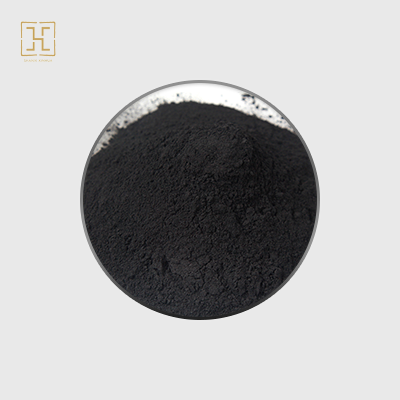
Alcohol-decolorized wood charcoal does genuinely improve purification efficiency in alcohol processing. This specialized carbon material, derived from high-quality wood feedstock and processed under controlled activation conditions, carries a highly developed porous structure that captures pigments, fusel oils, off-flavor compounds, and other impurities with exceptional speed and thoroughness. Independent performance data show transmittance rates above 95% after a single pass, making it a technically sound choice for distilleries, pharmaceutical ethanol producers, and industrial alcohol processors who need consistent, verifiable purity without sacrificing yield.
Understanding Alcohol-Decolorized Wood Charcoal
What It Is and How It Is Made
To make wood-based decolorization charcoal, certain hardwoods are carbonized, and then the carbon matrix is activated under controlled chemical or steam conditions. This makes a material with a lot of macropores and mesopores, which are the right sizes to catch big pigment molecules and organic color bodies that are dissolving in alcohol streams. This is not the same as fine-grained coal-based carbons because they have more micropores that work better for gas-phase adsorption than liquid-phase color capture.
Key Technical Properties
For alcohol processing, the most important things about a product are that it absorbs less than 11 milliliters of methylene blue per 0.1 grams, has an ash content of less than 3 percent, an iron content of less than 5 parts per million, and a pH that is neutral or slightly acidic. These rules make sure that iron-catalyzed coloring doesn't happen to alcohol formulas and that the carbon doesn't add minerals to sensitive food- or pharmaceutical-grade streams. It's possible for decolorization to work so well that transmittance goes above 95% in a single pass, which is a number that generic carbons rarely reach.
Environmental and Safety Profile
For Alcohol-decolorized wood charcoal, controlling trace contaminants is an important consideration when the material is used to treat potable or pharmaceutical alcohol. Wood-based activated carbons can be selected for low ash and controlled levels of inorganic impurities, while appropriate manufacturing and purification processes can help minimize unwanted substances such as heavy metals and polycyclic aromatic hydrocarbons (PAHs). For manufacturers evaluating Alcohol-decolorized wood charcoal, supplier testing data and batch-specific analytical documentation should be reviewed to confirm that the material meets the applicable requirements for the intended alcohol-processing application. Under relevant FDA and international requirements, contaminant levels in materials used for sensitive applications must be appropriately controlled, making raw-material selection and process validation important parts of quality management. Choosing Alcohol-decolorized wood charcoal with documented quality controls can therefore help buyers manage compliance risks while also supporting sustainability objectives. For procurement teams, Alcohol-decolorized wood charcoal can be assessed not only for decolorization performance but also for traceability, impurity control, regulatory documentation, and environmental considerations.
Purification Challenges in Alcohol Processing
The Impurity Problem
There are colorants, higher-order fusel alcohols, ester-bound off-flavors, and small phenolic chemicals that are left over in every batch of distilled or rectified alcohol. The look, taste, and smell of the finished product are all affected by these impurities. UV-absorbing impurities in pharmaceutical and cosmetic ethanol can completely destroy sensitive formulas, leading to expensive batch rejects that have an effect on the whole supply chain.
Where Generic Carbon Falls Short
Standard activated carbon does a good job of absorbing things, but it often fails at two things when it comes to working with liquid alcohol: it loses glutamic acid and iron. Generic carbons often remove target impurities along with beneficial nitrogen compounds, which changes the nature of the product. Clear spirits and pharmaceutical solutions turn a noticeable yellow color when the iron content is above 0.5 ppm. Industrial tests have shown that common coal-based carbons can keep less than 90% of amino acids, while a good wood-based decolorization product keeps more than 98% of glutamic acid.
Cost Consequences of Poor Filtration
When decolorization isn't done well, makers have to do more filter passes, which increases carbon costs and creates more waste carbon that needs to be thrown away. When fermentation bases with sugar are used, like in the making of rum or grain spirit, incomplete decolorization also raises ICUMSA color values. This has a direct effect on the market grade and price of the final alcohol. Choosing a better absorbent isn't just a matter of quality; it's also a matter of keeping costs down.
How Alcohol-Decolorized Wood Charcoal Enhances Purification Efficiency
Superior Adsorption Kinetics in Practice
Wood-based decolorization charcoal often has a well-developed macropore structure that can facilitate the transport of larger pigment molecules into the carbon particles. For Alcohol-decolorized wood charcoal, this pore structure can support efficient adsorption and potentially reduce the contact time required in filtration columns, allowing processors to increase throughput without necessarily adding more columns. When the appropriate grade of Alcohol-decolorized wood charcoal is matched with a suitable flow rate, alcohol concentration, and column configuration, high-flow testing can demonstrate effective removal of color compounds from beverages such as vodka and white spirits. In suitable applications, Alcohol-decolorized wood charcoal can achieve a high degree of decolorization in a single pass, although actual performance depends on the carbon grade, feed composition, operating conditions, and column design. For processors seeking efficient column treatment, Alcohol-decolorized wood charcoal can therefore provide a practical option for improving color removal while maintaining high processing throughput.
Three High-Demand Industrial Applications
Wood-based decolorization charcoal works well in a number of production settings. These are the three most difficult uses where it regularly gives measurable results:
- Vodka and white spirit rectification: Filtration columns packed with this charcoal remove trace fusel oils and residual color bodies that cause haze, achieving optical clarity and taste neutrality. Single-pass transmittance above 95% is routinely recorded.
- Aged spirit color correction: In rum and brandy finishing, excess wood tannins leached during barrel maturation can produce color densities that exceed market specifications. The wood charcoal selectively adsorbs these tannins without stripping desirable congeners, securing batch-to-batch color consistency.
- Pharmaceutical and cosmetic ethanol purification: Industrial ethanol destined for perfumes, tinctures, and medical preparations requires removal of residual odor-causing compounds and UV-absorbing impurities. Wood-based decolorization charcoal meets USP, EP, and CP purity standards at this stage, where coal-based carbons frequently introduce unacceptable iron and ash levels.
These three uses show how one well-defined absorbent can be used in a number of different production situations. This means that different types of carbon don't have to be kept on hand, and buying them is easier.
Comparison With Competing Carbon Types
Coconut shell carbon is great at adsorbing gas-phase micropores, but it doesn't have a lot of surface area that big liquid-phase molecules can reach. The decolorization of bamboo carbon is moderate, but the amount of ash varies from batch to batch. Powdered carbon made from coal has a higher chance of containing heavy metals when used in food-contact situations. Wood-based decolorization charcoal is clearly better at removing colors from liquids because it has an iron content below 0.5 ppm and an ash content below 3%. These are two important specifications that affect both the purity of the product and its ability to meet regulatory requirements.
Selecting the Right Alcohol-Decolorized Wood Charcoal for B2B Procurement
Quality Criteria That Decide Performance
It is recommended that purchasing managers ask suppliers for paperwork that includes five specific inspection criteria: the rate at which the caramel loses its color (spectrophotometric), the pH value, the iron content (Fe), the filtration rate in seconds per 100 mL, and heavy metal plus PAH testing against GFSI-recognized food safety certifications. These data points are required; they tell you right away if the carbon will work in your process or cause trouble further down the line.
Evaluating Certified Suppliers
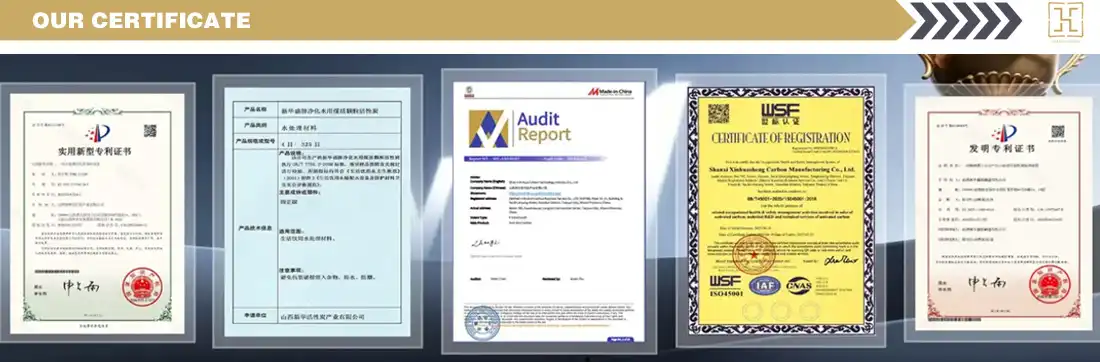
At a minimum, buyers evaluating Alcohol-decolorized wood charcoal should consider suppliers with established management systems such as ISO 9001 for quality management, ISO 14001 for environmental management, and ISO 45001 for occupational health and safety. These certifications can provide useful evidence of structured management practices, but buyers should also request batch-level test results, certificates of analysis, and relevant quality documentation before approving Alcohol-decolorized wood charcoal for production use. It is also important to determine whether the supplier can customize the carbon grade according to specific processing requirements, including particle size distribution, moisture content, and pore-volume characteristics. For industrial alcohol processors, Alcohol-decolorized wood charcoal may be purchased under long-term framework supply agreements, making stable quality and reliable production capacity particularly important. Suppliers that can provide OEM private labeling, flexible minimum order quantities, consistent batch-to-batch specifications, and responsive technical support may be better positioned to support long-term procurement programs involving Alcohol-decolorized wood charcoal. By assessing certification, testing, customization, supply capacity, and commercial flexibility together, buyers can make a more informed sourcing decision for Alcohol-decolorized wood charcoal.
Logistics and Supply Continuity
When buying a lot of something (usually measured in metric tons per order), making sure the supply arrives at the same time every time is just as important for operations as making sure the product meets the specifications. Check to see if the seller keeps core grades in stock, can commit to standard delivery times, and has a clear emergency supply route for meeting compliance-driven targets.
Future Outlook and Industry Trends
Tighter Purity Regulations Are Driving Specification Upgrades
Both the U.S. Pharmacopeia and the FDA are continuing to raise the quality standards for ethanol used in food and medicine. Because of this change in regulations, companies that handle alcohol are moving away from general carbons and toward materials that are better suited to the job and have been shown to have low levels of contamination.
Demand Growth in Pharmaceutical and Cosmetic Sectors
After 2020, the need for high-purity ethanol in the pharmaceutical industry grew a lot and has stayed high. This is also happening in the cosmetics industry, which is driven by hand sanitizer and scent creation. Both industries need decolorization materials that meet clear purity standards. This means that certified wood-based carbon suppliers can get steady volume opportunities.
Hybrid Filtration Technology Development
New systems use wood-based decolorization carbon along with membrane filtration or ion exchange resins to handle streams with multiple contaminants in a single unit. This mixed method works especially well for makers who need to get rid of colors and control mineral content at the same time.
Conclusion
Alcohol-decolorized wood charcoal is a better option than regular carbon for cleaning alcohol in factories. Its low iron content, large macropore structure, and high single-pass decolorization rate fill in the real performance gaps that regular carbons leave behind. Processors who make cosmetic alcohol, pharmaceutical ethanol, and spirits can see measurable quality improvements, such as higher transmittance, better amino acid retention, and cleaner compliance records, without having to pay more. One of the easiest ways for procurement teams in charge of large carbon supplies to improve quality and cut costs is to define the right wood-based decolorization grade.
FAQ
Is alcohol-decolorized wood charcoal food-grade safe?
Yes, when produced under documented quality control systems and tested against PAH, heavy metal, and iron content limits, wood-based decolorization charcoal meets food-grade and pharmaceutical-grade safety standards, including USP, EP, and CP requirements. Always request the supplier's batch test certificate before procurement.
How long does the charcoal last in a filtration column?
Service life depends on alcohol flow rate, initial impurity load, and operating temperature. Under typical industrial conditions, a single charge in a high-flow vodka rectification column processes several hundred column volumes before breakthrough. Suppliers should provide application-specific saturation estimates based on your feed stream composition.
Can it be regenerated and reused?
Powdered grades used in batch treatment are generally single-use. Granular grades in fixed-bed columns can sometimes be thermally regenerated, though regeneration economics depend on column size and the cost of replacement carbon. Discuss regeneration feasibility directly with your supplier when specifying column systems.
How do I verify supplier certifications before purchasing?
Request the ISO certificate number and verify it against the issuing body's registry. Ask for a recent third-party batch analysis report covering all five critical quality parameters. A reputable alcohol-decolorized wood charcoal supplier will supply this documentation as standard procedure, not upon special request.
Ready to Improve Your Alcohol Purification Process? Contact Shanxi Xinhua Carbon Technology Industry Co., Ltd.
Industrial users all over the world buy approved Alcohol-decolorized wood charcoal from Shanxi Xinhua Carbon Technology Industry Co., Ltd. The company has ISO 9001, ISO 14001, and ISO 45001 certifications and has been making activated carbon for over 60 years. Our wood-based decolorization carbon comes in particle sizes that can be adjusted to fit your unique process needs. It has an iron content of less than 0.5 ppm, an ash content of less than 3%, and a transmittance of more than 95%. We can help you buy in bulk, deliver things quickly through our 3-day green channel, and give you full technical documentation. You can email us at greta@carbonxinhua.com or go to xhcarbontech.com to ask for a sample or talk to a technical expert.
References
1. Activated Carbon: Fundamentals and New Applications — Chemical Engineering Progress, American Institute of Chemical Engineers, 2018.
2. Adsorption of Color Bodies from Alcoholic Beverages Using Activated Carbon — Journal of Food Engineering, Elsevier, 2015.
3. Activated Carbon in Food and Beverage Processing — Food Technology, Institute of Food Technologists, 2019.
4. Wood-Based Activated Carbon for Pharmaceutical Ethanol Purification — Industrial & Engineering Chemistry Research, American Chemical Society, 2020.
5. Characterization of Mesoporous and Macroporous Carbons for Liquid-Phase Adsorption — Carbon, Elsevier, 2017.
6. Food Safety Regulations for Processing Aids in Alcohol Production — U.S. Food and Drug Administration Code of Federal Regulations Title 21, FDA, 2022.

Send Inquiry
You may like
_1781662034490.webp)