_1778553121707.webp)
Bulk Alcohol-Decolorized Wood Charcoal for High-Purity Filtration in Industrial Production
Sep 28, 2026
When product purity is non-negotiable, the filtration material you choose makes all the difference. Alcohol-decolorized wood charcoal has earned a firm place in high-purity industrial production precisely because it delivers consistent decolorization performance, low contaminant transfer, and reliable adsorption across sensitive applications. Whether you manage procurement for a pharmaceutical plant, a beverage distillery, or a food-grade chemical facility, this guide walks you through what this material is, where it performs best, how it compares to alternatives, and how to source it at scale with confidence.
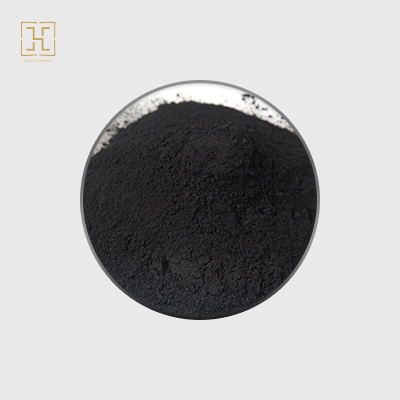
Understanding Alcohol-Decolorized Wood Charcoal
What Sets It Apart from Standard Wood Charcoal
Simple carbonization is used to make regular wood charcoal. Alcohol-decolorized wood charcoal goes even further. The material is carbonized and then put through a controlled alcohol-washing and activation process that gets rid of any remaining tars, soluble ash compounds, and molecules that give the charcoal its color. This makes the carbon matrix purer and the pores more evenly spread out, which directly makes it work better in contact filtration applications.
Key Physical and Chemical Properties
The methylene blue binding value of this material is usually above 11 mL/0.1g. It also has an ash content of less than 2%, an iron content of less than 0.5 ppm, and a decolorization transmittance of more than 95%. Its pH level is normal to slightly acidic, which stops it from reacting with sugars, amino acids, or medicinal compounds in a way that isn't wanted. The numbers listed above are not just claims made by the company; they are real parameters that should be asked for in every specification sheet by procurement teams.
Production and Quality Certification
Reputable manufacturers follow ISO 9001 quality management systems and food- and drug-grade standards such as USP, EP, and CP. Before being shipped, every batch of products made at Shanxi Xinhua Carbon Technology Industry Co., Ltd. goes through spectrophotometric decolorization testing, heavy metal screening, and polycyclic aromatic hydrocarbon (PAH) analysis. This makes sure that the materials meet GFSI-recognized safety standards.
Applications and Performance in High-Purity Filtration
Spirits and Beverage Processing
When vodka and white spirit are rectified, high-flow filtration columns filled with this carbon get rid of small amounts of fusel oils and off-flavor compounds. This makes the alcohol crystal clear without losing any of the good ethanol profiles. For mature rums and brandies, it fixes the extra wood tannin that was leached out during barrel maturation. This keeps the color density and flavor profiles similar across production batches, which is very helpful for companies that have to handle a lot of alcohol.
Pharmaceutical and Cosmetic Ethanol Purification
Industrial ethanol is used to make perfume bases, medicines, and liquid solutions. It needs to be cleaned of impurities that absorb UV light and cause smells. Wood-based decolorizing carbon can do this without contaminating the wood with heavy metals. Its macroporous and mesoporous structure quickly grabs large color molecules, cutting down on processing time and keeping sensitive mixtures from becoming unstable further down the line.
Food-Grade Sugar Decolorization
High-performance wood-based decolorization carbon can provide effective color removal in sugar-processing applications, while Alcohol-decolorized wood charcoal is specifically selected for alcohol decolorization and purification processes where controlled adsorption is required. When properly specified, Alcohol-decolorized wood charcoal can provide strong adsorption performance while minimizing unnecessary losses of desirable components. In comparable decolorization processes, well-controlled carbon grades may achieve high color-removal efficiency while retaining a high proportion of the target product, although actual results depend on the feed composition, carbon dosage, contact time, and operating conditions. For Alcohol-decolorized wood charcoal, low ash content is also an important quality parameter because excessive inorganic residue can affect downstream product quality and filtration performance. Suppliers should provide batch-level specifications for ash, moisture, adsorption capacity, and trace-metal content so that Alcohol-decolorized wood charcoal can be properly evaluated for the intended application. With appropriate material selection and process validation, Alcohol-decolorized wood charcoal can support efficient alcohol decolorization while helping processors maintain consistent product quality.
Comparing Alcohol-Decolorized Wood Charcoal with Other Charcoal Types
Wood-Based vs. Coal-Based Carbon
Activated carbon made from coal has much higher amounts of iron and heavy metals, which are real problems in applications where food and medicine come into contact with it. The raw material for wood-based decolorizing carbon is cleaner, and the alcohol purification step gets rid of more impurities that coal-based products can't. For uses where more than 0.5 parts per million of iron is not allowed, coal-based choices are not suitable.
Wood-Based vs. Coconut Shell Carbon
Carbon from coconut shells works really well for adsorbing gases and for microporous tasks like cleaning water or getting back solvents. Its smaller pores, on the other hand, make it less good at catching the big pigment molecules that are in sugar syrups, fermentation broths, or pharmaceutical liquids. It is clear that alcohol-decolorized wood carbon works better for liquid-phase decolorization tasks because it has a mesoporous structure.
Chemical Decolorization vs. Alcohol Decolorization
Acid or alkaline washing may be used on chemically decolorized alternatives, which can leave chemical traces behind. The alcohol decolorization method makes the surface chemistry cleaner, which is very important in situations where pharmaceutical or food safety rules apply. The production method is not just a technical detail for buying teams that have to balance performance risk with compliance risk.
Procurement Insights for Bulk Alcohol-Decolorized Wood Charcoal
Pricing, MOQs, and Supply Terms
High-quality decolorized wood carbon made in China usually costs between 12,000 and 15,000 RMB per ton, while imported equivalents cost more than 25,000 RMB per ton, which is a difference of about 45% in price. For commercial buyers, the smallest order size is usually one metric ton, and bulk pricing starts at five tons or more. Standard delivery takes between 7 and 15 days, but verified suppliers with large stock levels can get urgent orders filled in as little as three days through faster channels.
Verifying Supplier Credentials
Before placing a large order of Alcohol-decolorized wood charcoal, buyers should request copies of relevant ISO 9001 and ISO 14001 certificates, together with independent third-party test reports covering heavy metals, PAHs, and other applicable impurity parameters. Procurement teams should also obtain a representative sample lot of Alcohol-decolorized wood charcoal so their internal quality-assurance personnel can verify key specifications and assess application performance before approving the supplier. For ongoing purchases, suppliers of Alcohol-decolorized wood charcoal should ideally maintain traceable batch records, standardized laboratory testing procedures, certificates of analysis, and documented filtration-rate or adsorption-performance data where relevant. This documentation gives procurement and QA teams objective evidence for internal compliance reviews, supplier qualification, and customer-facing audit trails. By requiring appropriate documentation and conducting application-specific testing, buyers can more confidently evaluate Alcohol-decolorized wood charcoal for quality consistency, impurity control, and decolorization performance. Establishing these controls before entering a long-term supply agreement can also help ensure that each batch of Alcohol-decolorized wood charcoal meets the agreed technical specifications.
Before making a large order, every procurement manager should make sure of these main points of verification:
- Decolorization transmittance tested via spectrophotometry, with results above 95% documented per batch
- Iron content certified below 0.5 ppm to prevent color darkening in sugar and spirit applications
- Heavy metal and PAH screening completed to GFSI-recognized food safety standards, with written reports available on request
- Filtration rate measured in seconds per 100 mL to confirm compatibility with filter presses and leaf filter systems
These checkpoints keep your production line safe from yield loss caused by materials, compliance failures, and equipment blockages, all of which have real costs for running the business.
Sample Ordering and International Logistics
Before signing a delivery deal, most industrial buyers ask for a 500g to 2kg sample. Reliable providers offer global shipping by sea, plane, and rail freight, with customs paperwork and real-time tracking of the cargo. Shanxi Xinhua Carbon Technology Industry Co., Ltd. has factories in Shanxi, Ningxia, Fujian, and Xinjiang. They produce 45,000 tons of goods every year and keep all of their core product lines in stock to ensure consistent large-volume fulfillment.
Optimizing Industrial Filtration with Alcohol-Decolorized Wood Charcoal
Preparation and Integration
Rinse the carbon with deionized water to get rid of surface dust and slow down the first color release before putting it into a filter column or mixing tank. For powder types, the best contact efficiency is usually seen when the slurry content is between 1% and 5%. In column systems, the number of packs and the time of contact directly affect the depth of decolorization. This is why it's worth the setup cost to do some process runs with your specific substrate first.
Monitoring and Maintenance
During production runs using Alcohol-decolorized wood charcoal, operators should regularly monitor decolorization performance, transmittance, and filtration rate to confirm that the carbon continues to perform within the established process limits. When transmittance falls below the validated target level, it may indicate that Alcohol-decolorized wood charcoal has approached its adsorption capacity and may need to be replaced. The replacement interval for Alcohol-decolorized wood charcoal depends on the contaminant load, carbon dosage, feed composition, flow rate, and operating conditions, so facilities should establish replacement schedules through process-specific validation rather than relying on a fixed interval. Maintaining a written replacement log for Alcohol-decolorized wood charcoal can support batch traceability, regulatory audits, and consistent operating procedures. Although some industrial facilities may regenerate or recycle spent carbon under controlled conditions, fresh Alcohol-decolorized wood charcoal is generally preferred for sensitive food and pharmaceutical applications when cross-contamination or carryover risks must be minimized. Proper monitoring and documented replacement procedures can help ensure that Alcohol-decolorized wood charcoal delivers consistent decolorization performance throughout the production process.
Market Trends and Forward-Looking Demand
As rules for making medicines and keeping food safe get stricter, the need for high-purity filtration materials keeps growing around the world. The EU's food safety officials, the U.S. Food and Drug Administration, and Codex Alimentarius are all raising the accepted boundaries and paperwork needs for filtration aids. Suppliers who already have R&D relationships in place, like Shanxi Xinhua's agreements with Tsinghua University and the Chinese Academy of Sciences, can help customers as their needs change.
Conclusion
For high-purity industrial filtration to work, the materials must be of good quality and last in real production settings. Alcohol-decolorized wood charcoal works well in making spirits, refining sugar, and cleaning ethanol used in pharmaceuticals. It has tested technical specs that procurement teams can use to test, document, and defend in compliance audits. It is cheaper than foreign alternatives and comes in bulk from certified makers, which makes it a good choice for large-scale activities. A good material can become a reliable production asset if you choose the right supplier—one with clear quality systems, strong technical support, and a steady supply of materials.
FAQ
Is alcohol-decolorized wood charcoal the same as activated charcoal?
No. Activated charcoal undergoes high-temperature steam or chemical activation to develop micropores primarily for gas-phase or water-phase contaminant removal. Alcohol-decolorized wood charcoal uses an alcohol washing and purification process that produces a cleaner surface suited to liquid-phase decolorization. The two serve different functions and should not be substituted for each other in sensitive applications.
Is it safe to use in food and pharmaceutical production?
Yes, when sourced from a certified manufacturer. The material must pass heavy metal testing, PAH screening, and meet pH specifications that prevent substrate degradation. Always request a certificate of analysis confirming compliance with USP, EP, or relevant food safety standards before use.
How do I request a sample or bulk quotation?
Contact Shanxi Xinhua Carbon Technology Industry Co., Ltd. directly by email at greta@carbonxinhua.com or visit xhcarbontech.com. Specify your application, required particle size or powder grade, monthly volume, and target technical parameters. The team typically responds within 24 hours with a sample arrangement and pricing structure.
What is the standard lead time for bulk orders?
Standard orders ship within 7–15 days. Emergency procurement is available through an expedited channel with delivery as fast as three days for stocked product grades.
Partner with Shanxi Xinhua for Certified Bulk Supply
Your filter process needs a supplier that can meet your high standards for quality and has the technical knowledge to do so. The Alcohol-decolorized wood charcoal is made by Shanxi Xinhua Carbon Technology Industry Co., Ltd., a reliable company with ISO 9001, ISO 14001, and ISO 45001 certifications. The company produces 45,000 tons of charcoal every year across four production bases, making sure that buyers who buy in bulk always have a supply. You can ask for a sample, look through the full catalog of products, or talk to our technical team directly about your specific needs. You can start your question right away by emailing greta@carbonxinhua.com or going to xhcarbontech.com.
References
1. Ahmedna, M., Marshall, W. E., & Rao, R. M. (2000). Surface properties of granular activated carbons from agricultural by-products and their effects on raw sugar decolorization. Bioresource Technology, 71(2), 103–112.
2. Bansal, R. C., & Goyal, M. (2005). Activated Carbon Adsorption. CRC Press.
3. Dąbrowski, A., Podkościelny, P., Hubicki, Z., & Barczak, M. (2005). Adsorption of phenolic compounds by activated carbon — a critical review. Chemosphere, 58(8), 1049–1070.
4. Food Chemicals Codex. (2018). Specifications for Activated Carbon Used in Food Processing. United States Pharmacopeia (USP), 11th Edition.
5. Ioannidou, O., & Zabaniotou, A. (2007). Agricultural residues as precursors for activated carbon production — a review. Renewable and Sustainable Energy Reviews, 11(9), 1966–2005.
6. Stavropoulos, G. G., & Zabaniotou, A. A. (2009). Minimizing activated carbon production cost. Fuel Processing Technology, 90(7–8), 952–957.

Send Inquiry
You may like
_1781662034490.webp)