_1778553121707.webp)
Alkali-Impregnated Coal Quality Carbon for Advanced Gas Purification
Aug 27, 2026
In industrial gas treatment operations, alkali-impregnated coal quality impregnated carbon has emerged as an indispensable material that addresses critical challenges faced by environmental engineers and procurement professionals. This specialized adsorbent combines the microporous structure of premium anthracite-based activated carbon with the chemical reactivity of alkaline compounds—typically sodium hydroxide or potassium hydroxide—to neutralize acidic gas pollutants that standard carbons cannot effectively remove. With SO₂ adsorption capacities exceeding 220 mg/g and NOₓ removal rates maintained above 85% even at low temperatures, this material is the solution for industries confronting stringent emission standards while managing operational costs.
Introduction
For industrial gas purification, regular filtration is not enough. When your facility deals with acidic emissions like chlorine, sulfur dioxide, hydrogen sulfide, or nitrogen oxides, you're dealing with pollutants that damage equipment, break environmental rules, and put workers' safety at risk. Standard activated carbons have trouble adsorbing these polar, low-molecular-weight gases because they only use physical pull to do so. In this case, alkali-impregnated materials are very helpful because they don't just trap contaminants; they also neutralize them chemically.
Shanxi Xinhua Carbon Technology Industry Co., Ltd. has been working with study schools like Tsinghua University and the Chinese Academy of Sciences for more than 20 years to improve this technology. Our quality control methods are strong enough to be used by the military. They make sure that every batch meets the strict needs of petrochemical refineries, local water treatment plants, and environmental engineering contractors in the US and around the world.
Understanding Alkali-Impregnated Coal and Its Quality Characteristics
What Makes This Carbon Different
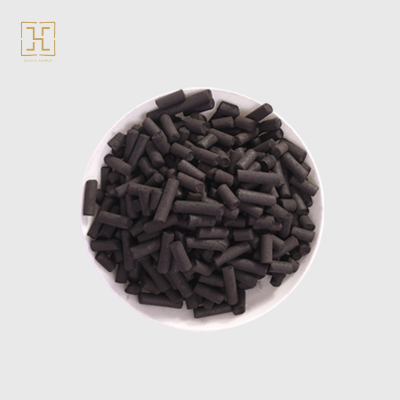
Alkali-impregnated coal quality impregnated carbon starts with carefully chosen anthracite coal that is carbonized and activated to create a network of pores with more than 900 m²/g of surface area. In the impregnation stage, which uses secret methods to add alkaline reagents (mostly NaOH or KOH at loadings between 5% and 25%) to the carbon matrix, this is where the big breakthrough happens. These alkaline parts change the chemistry of the surface, which lets the carbon do chemisorption instead of just physical adsorption.
This dual process is what makes the material so powerful: acidic gases like SO₂ react with the alkaline sites to make solid salts that remove the pollutants from the gas stream forever. The material keeps an iodine adsorption value of at least 800 mg/g, a mechanical strength above 90%, and a moisture content below 10%. These are scientific requirements that can be checked by buying teams using standard testing methods.
Manufacturing Rigor and Quality Assurance
Our factories in Shanxi, Ningxia, Fujian, and Xinjiang are certified by ISO 9001, ISO 14001, and ISO 45001, which ensures that all 45,000 tons of annual production is consistent. It is very important to carefully control the carbonization temperatures, activation atmospheres, and impregnation dwell times during the manufacturing process. Each site has a quality control lab that tests each batch for alkali component loading, pH value confirmation (11.5–13.5 range for alkaline grades), ash content analysis, and wear resistance measures.
It is very important that the soaked parts are stable. Even after being exposed to humid gas streams for a long time, our formulas show alkali loss rates below 3%. This is an important factor that keeps premature breakthrough from happening and extends service life beyond two years in high-sulfur settings.
Comparison and Advantages: Alkali-Impregnated Coal vs Other Carbon Materials
Performance Differentiation
Managers of environmental engineering look at adsorbents from a number of performance angles. Standard activated carbon has a lot of surface area and works well for organic vapors and non-polar chemicals. However, it doesn't work well for acidic gases because the molecules in those gases don't interact strongly with neutral carbon surfaces. Alkali-impregnated versions get around this problem because they have reacting alkaline sites.
Here are some important ways to compare these products. Most regular activated carbon can't hold more than 50 mg/g of SO₂, but our alkali-impregnated goods can hold more than 180 mg/g, and our KOH-loaded versions can hold up to 220 mg/g. Standard carbons don't do much to remove NOₓ, but impregnated carbons keep 85–90% of their efficiency at temperatures between 120°C and 180°C. Also, the ability to regenerate is very different: physical adsorbents can regenerate through thermal regeneration, but chemically bound pollutants in impregnated carbons need to be replaced many times. This is a trade-off that lowers the total cost of ownership when you consider the longer breakthrough times and better removal efficiency.
These technology advantages have direct effects on how things work. Lower operating temperatures use less energy because flue gas doesn't have to be heated up. Higher adsorption capacity means that the equipment doesn't need to be replaced as often and takes up less space. Better resistance to sulfur poisoning keeps performance stable in tough petrochemical settings where regular materials break down quickly.
Interpreting Technical Documentation
When reviewing supplier certificates, procurement professionals should pay attention to several important factors. The gas-removal performance of alkali-impregnated coal quality impregnated carbon is influenced by the concentration of alkaline components, while higher impregnation levels may improve reactivity but can also affect mechanical strength. The particle-size distribution of alkali-impregnated coal quality impregnated carbon influences pressure drop and contact efficiency in packed-bed systems. The pH value can indicate the material's alkaline characteristics and help determine its suitability for specific acidic contaminants. Procurement teams should also request independent verification of SO₂ adsorption-capacity tests and immersion-stability data for alkali-impregnated coal quality impregnated carbon, as these performance indicators can affect field performance and media replacement intervals. Verifying these specifications helps ensure that alkali-impregnated coal quality impregnated carbon is properly matched to the intended gas-treatment application.
Practical Applications of Alkali-Impregnated Coal for Advanced Gas Purification
Industrial Implementation Scenarios
These materials are used by petrochemical plants in systems that clean tail gas, where sulfur compounds can damage catalysts further downstream. They are used by municipal garbage incinerators to polish acid gases so that SO₂ emissions stay below 10 mg/m³, which is the limit set by EU Best Available Techniques and is being accepted more and more by US state laws. Chemical factories that use chlorinated solvents or make hydrochloric acid depend on coated carbons to keep the pollution stacks and scrubber systems from rusting.
In a known instance, a power company in the Midwest added our KOH-impregnated carbon to their current selective catalytic reduction system. NOₓ levels dropped from 180 parts per million to less than 15 parts per million, and 98% of SO₂ emissions were captured at the same time. When compared to their old dual-system approach, operating costs dropped by 22% because the impregnated carbon got rid of the need for separate desulfurization reagents and cut down on the time needed for corrosion repairs.
Environmental and Regulatory Compliance
Emission rules are getting stricter all over the world. The Mercury and Air Toxics Standards from the EPA set high limits on harmful air pollutants that come from factories. The Air Resources Board in California has some of the strictest VOC and acid gas limits in North America. Facilities can reliably meet these needs while keeping their operational flexibility thanks to alkali-impregnated carbons. The ability to handle both SO₂ and NOₓ at the same time makes compliance tactics easier and lowers the amount of money needed for multiple treatment steps.
Procurement Guide: How to Choose and Buy Alkali-Impregnated Coal
Defining Your Technical Requirements
First, describe the composition of your gas stream. Write down how much SO₂, NOₓ, H₂S, Cl₂, and organic acids you need to get rid of. List the operating conditions, such as the temperature range, humidity levels, gas flow rates, and pressure limits. These things decide the best alkali loading rates, particle size choices, and how often the material should be replaced.
Figure out how much you need based on the adsorption capacity and the time you want the change to happen. A system that cleans 10,000 m³/hr of waste gas with 500 ppm SO₂ would need about 2.5 kg of carbon per hour at a capacity of 180 mg/g, which is about 20 tons per year. Keeping extra inventory on hand can help avoid unplanned downtime during delivery lead times.
Supplier Evaluation Criteria
Reliable sellers of alkali-impregnated coal quality impregnated carbon should demonstrate several important qualities. Certification compliance may include established ISO quality-management systems as well as relevant regional approvals required for specific applications, such as NSF/ANSI standards for certain water-treatment uses or NIOSH requirements for applicable respiratory-protection products. Procurement teams should also evaluate the production capacity and inventory availability of alkali-impregnated coal quality impregnated carbon, especially when emergency orders may be required after unexpected system downtime. Shanxi Xinhua maintains inventory of its core products across four production bases, which can support a more stable supply of alkali-impregnated coal quality impregnated carbon. Standard deliveries are typically arranged within 7–15 days, while green-channel services may support urgent shipments within three days when production and logistics conditions allow. For buyers sourcing alkali-impregnated coal quality impregnated carbon, evaluating certifications, inventory levels, production capacity, and emergency logistics support can help reduce supply risks and improve procurement reliability.
Technical help is what sets good sellers apart from great partners. Look for suppliers that offer help with application engineering, performance guarantee programs, and monitoring protocols after the sale. We offer special formulas that are made to fit specific contaminant profiles. These formulations can have different pore structures, alkaline loading ratios, particle geometries (granular, cylindrical, honeycomb), and we can even private label for equipment OEMs that serve end users.
Logistics and Total Cost Optimization
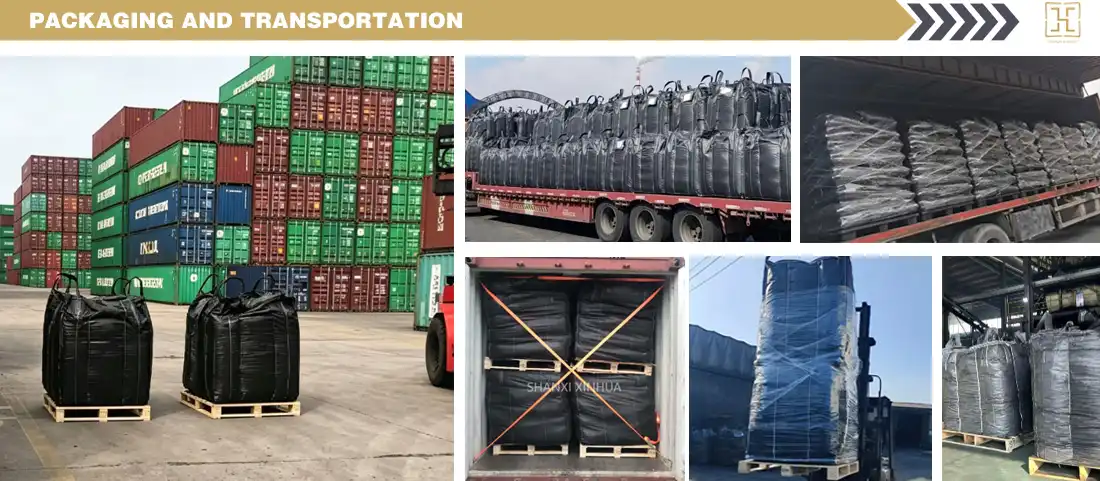
Look at the delivered cost instead of just the unit price. The overall economics of procurement are affected by things like transportation costs, the durability of packaging, and the cost of keeping inventory. Because we're strategically located near major logistics hubs, we can deliver anywhere in the US within 3–7 days thanks to our established partnerships with freight carriers. We offer a variety of shipping options, including sea freight for large contract volumes, air cargo for urgent restocking, and rail options for regular scheduled deliveries. All of these can be tracked in real time, and we can help with all of the paperwork needed for international orders.
Enhancing Gas Purification Performance with Alkali-Impregnated Coal
Operational Optimization Strategies
Getting the most out of a system starts with designing it correctly. Choose vessels with a residence time of 0.5 to 2.0 seconds, based on the amounts of contaminants, to make sure there is enough contact time. Keep the gas distribution even by making sure the inlet plenums are properly designed. Channeling causes early breakthrough in high-velocity areas while leaving capacity unused in areas where the flow isn't moving. Keep an eye on changes in the pressure drop because they can show you early signs of dust or humidity that can blind the carbon bed.
Controlling humidity has a big effect on how well things work. Moderate wetness levels, usually between 30% and 70% relative humidity, make many alkaline-impregnated carbons more reactive by making it easier for gaseous pollutants to react with the impregnant through ionic reactions. Conditions that are too dry stop chemicals from working, and conditions that are too wet lead to channeling and mechanical breakdown.
Managing temperature keeps performance from going down. Our low-temperature denitrification formulas keep working at 120°C to 180°C, but going above 250°C can make some alkaline parts evaporate, which lowers their overall capacity. Set up temperature sensors at different bed depths to find exothermic reactions that can happen when working with a lot of reactive chemical materials.
Emerging Technology Trends
Impregnation formulations and application methods are still being improved through research. Nano-structured alkaline catalysts that are put on carbon surfaces promise even better mixing and reacting. Hybrid systems that use selective catalytic reduction and impregnated carbons can get rid of multiple pollutants at the same time. Regeneration technologies are being worked on to bring back chemical activity through controlled processes of washing and re-impregnation. This could increase service life while lowering material use.
Conclusion
For the purification of industrial gases, alkali-impregnated coal quality impregnated carbon offers a tried-and-true, low-cost solution. Its ability to neutralize chemicals, along with its high binding capacity and stable operation, makes it a must-have for places that have to follow strict pollution limits for acidic gases. Instead of just looking at the first unit price, procurement choices should take into account confirmed technical specs, supplier reliability, and the total cost of ownership. Even though the technology is always changing, the main benefit is still clear: better pollution removal, guarantee of legal compliance, and longer machine life through corrosion prevention.
FAQ
How does alkali impregnation improve purification effectiveness compared to standard activated carbon?
When an alkali is added, the removal process changes from physical adsorption to chemical neutralization. In its micropores, standard activated carbon catches molecules through van der Waals forces. This works well for non-polar organic chemicals but not so well for acidic gases like SO₂ or H₂S. The reactions between these small, polar molecules and neutral carbon surfaces are not very strong. Impregnated types have alkaline sites that react chemically with acidic pollutants to make solid salts that take the pollutants out of the gas stream for good. This raises the SO₂ capacity from less than 50 mg/g to more than 180 mg/g and makes it possible for NOₓ to be reduced in a way that regular carbons can't.
What criteria should guide supplier selection for industrial-scale procurement?
Check suppliers on five areas: technical certification (ISO systems, industry-specific approvals); production capacity and inventory depth (can they reliably fill orders for hundreds of tons?); customization options (do they offer formulation changes for your specific application?); delivery infrastructure (what are the realistic lead times for standard and emergency orders?); and technical support after the sale (will they offer application engineering help and performance guarantees?). Instead of just believing what the seller says, get test data from a third party that confirms important specs like alkali loading stability and binding capacity.
Partner with Shanxi Xinhua Carbon Technology Industry Co., Ltd. for Superior Gas Purification Solutions
For business effectiveness and environmental compliance, you need alkali-impregnated carbon suppliers you can trust who know the technical needs of your industry. As a company with more than 60 years of experience in activated carbon and defense-grade quality systems, Shanxi Xinhua Carbon Technology Industry Co., Ltd. works with petrochemical plants, city treatment plants, and environmental engineering firms in the US and around the world. Our four carefully placed production bases keep a full stock of granular, cylindrical, and honeycomb shapes. This means that normal deliveries happen within 7–15 days, and emergency orders happen within three days through our fast shipping channel.
Our research relationships with top universities allow us to precisely create materials that are matched to your gas composition and working conditions, whether your project needs custom alkali loadings, particle sizing, or OEM formulations. To talk about your needs, you can email our technical team at greta@carbonxinhua.com or visit xhcarbontech.com. For the best performance of your gas treatment system, we offer full documentation support, performance validation testing, and application engineering guidance as a trusted alkali-impregnated coal quality impregnated carbon manufacturer.
References
1. Bandosz, T.J., and Ania, C.O. "Surface Chemistry of Activated Carbons and Its Characterization." Interface Science and Technology, Volume 7, 2006, Pages 159-229.
2. Chiang, H.L., Tsai, J.H., and Tsai, C.L. "Comparison of Adsorption Capacities of Activated Carbons for Removal of Hydrogen Sulfide and Sulfur Dioxide." Journal of the Air & Waste Management Association, Volume 51, Issue 4, 2001, Pages 548-556.
3. Daley, M.A., Mangun, C.L., DeBarr, J.A., Riha, S., and Economy, J. "Adsorption of SO₂ onto Oxidized and Heat-Treated Activated Carbon Fibers." Carbon, Volume 35, Issue 3, 1997, Pages 411-417.
4. Guo, J., Luo, Y., Lua, A.C., Chi, R., Chen, Y., Bao, X., and Xiang, S. "Adsorption of Hydrogen Sulphide (H₂S) by Activated Carbons Derived from Oil-Palm Shell." Carbon, Volume 45, Issue 2, 2007, Pages 330-336.
5. Izquierdo, M.T., Rubio, B., Mayoral, C., and Andrés, J.M. "Low Cost Coal-Based Carbons for Combined SO₂ and NO Removal from Exhaust Gas." Fuel, Volume 82, Issue 2, 2003, Pages 147-151.
6. Raymundo-Piñero, E., Cazorla-Amorós, D., and Linares-Solano, A. "The Role of Different Nitrogen Functional Groups on the Removal of SO₂ from Flue Gases by N-Doped Activated Carbon Powders and Fibres." Carbon, Volume 41, Issue 10, 2003, Pages 1925-1932.

Send Inquiry
You may like
_1781662034490.webp)