_1778553121707.webp)
Alkali-Impregnated Carbon Improves Removal of Acidic Gas Components
Aug 31, 2026
Acidic gas emissions remain one of the most challenging regulatory and operational issues facing industrial facilities worldwide. From sulfur dioxide and hydrogen chloride to nitrogen oxides, these pollutants not only threaten environmental quality but also cause severe equipment corrosion and health hazards. Alkali-impregnated coal quality impregnated carbon represents a specialized solution engineered to address these exact challenges through a dual-action mechanism that combines physical adsorption with chemical neutralization, delivering removal efficiencies that standard activated carbons simply cannot match.
Understanding Alkali-Impregnated Carbon and Its Role in Acidic Gas Removal
What Makes This Carbon Material Different
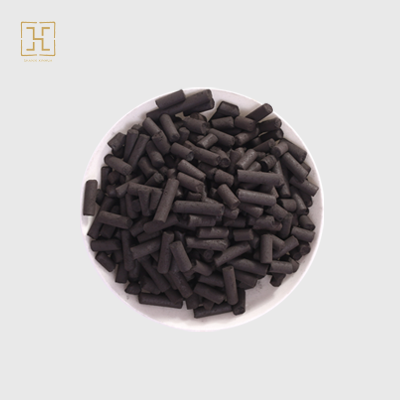
The process of making alkali-impregnated carbon starts with high-quality anthracite coal that is shaped, carbonized, and activated to make a structure that is very porous. The next step changes everything: controlled impregnation of alkaline active components, mostly sodium hydroxide and potassium hydroxide, is used to add them. This makes a substance that keeps the great absorption qualities of coal-based activated carbon while also having strong chemical neutralization qualities. The end result is a unique functional carbon material that can remove acidic pollutants and neutralize them at the same time.
How the Impregnation Process Works
At the molecular level, the impregnation process changes the structure of the carbon's surface. Compounds that are alkaline get stuck in the pores, where they stay stable and are ready to react with molecules of acidic gas. In contrast to simple physical adsorption, which is based only on van der Waals forces, this chemically improved material directly neutralizes acidic parts. When molecules of SO₂, Cl₂, or NOₓ enter the pore network, they meet both the carbon base with a lot of surface area and the reactive alkaline sites. This makes the capture and retention rates better.
Industrial Applications Across Multiple Sectors
We've seen alkali-impregnated carbon work really well in a lot of different situations. It is used by power plants to remove sulfur from flue gas, where it handles high-sulfur emissions while staying stable at high temperatures. Chemical factories depend on it to control process emissions, especially when they need to get rid of a lot of acidic pollutants at once. It is used in gas purification systems at petrochemical refineries, which need to work well and last a long time. It works well for cleaning up tail gasses in laboratories, where safety and dependability are very important. The material is flexible because its formula can be changed. Depending on the needs of the product, the alkali loading can be anywhere from 5% to 25%.
Performance Benefits and Quality Factors of Alkali-Impregnated Carbon
Superior Adsorption Capacity for Acidic Gases
One of the most impressive things about the material's performance is how well it removes acidic gasses. Standard mixtures can absorb more than 180 mg/g of SO₂, while improved mixtures with more potassium hydroxide can absorb more than 220 mg/g. This is a big improvement over activated carbon that hasn't been impregnated, which usually has trouble with low-molecular-weight acidic gasses because they are very polar and tend to pass through normal pore structures without being held in place well enough.
Low-Temperature Catalytic Performance
To work properly, traditional denitrification systems often require high temperatures, which can mean expensive heating of waste gas. alkali-impregnated coal quality impregnated carbon offers an alternative adsorption approach that can be evaluated for acidic and nitrogen-containing gas streams at lower operating temperatures. Under suitable process conditions, alkali-impregnated coal quality impregnated carbon can support the removal of selected gaseous contaminants without requiring the same degree of waste-gas heating as some high-temperature treatment technologies. This lower-temperature operating potential can help reduce energy consumption and operating costs in facilities that process large gas volumes. By properly matching alkali-impregnated coal quality impregnated carbon to the contaminant concentration, gas composition, temperature, humidity, and contact time, operators can improve the efficiency and reliability of adsorption-based treatment systems. For industrial facilities seeking to reduce energy demand while maintaining effective gas purification, alkali-impregnated coal quality impregnated carbon can be considered as part of a properly engineered treatment solution.
It's important to note that this material has two uses. The embedded alkaline parts do more than just adsorb nitrogen oxides; they also help turn them into safe nitrogen gas and water vapor through chemical activity. This means that one treatment stage can get rid of both SO₂ and NOₓ. This makes system design easier and saves money on capital costs compared to setups with multiple stages.
Durability and Regeneration Characteristics
The real cost-effectiveness of any absorbent material is often based on how long it lasts. Alkali-impregnated carbon is very resistant to sulfur poisoning. It can keep working well even in places with a lot of SO₂, where other materials break down quickly. In harsh industrial settings, field systems have been shown to last longer than two years. When regeneration is needed, thermal treatment can bring back eighty-five to ninety percent of the original adsorption capacity. This makes replacement much less often and lowers long-term operating costs.
Quality Specifications That Matter
When making decisions about what to buy, it helps to know the key quality parameters that define performance. The iodine absorption number, which is usually at or above 800 mg/g, shows how porous and how much surface area the material has. Particles with strength ratings of 90% or higher can handle being handled and vibrated without making fines that are a problem. Keeping the moisture level below 10% stops alkali reactions from happening too soon and keeps the product stable on the shelf. The pH value, which is highly alkaline between 11.5 and 13.5, shows that there are enough alkali particles to carry out the neutralization processes. Impurities that could stop adsorption or cause problems further down the line are kept to a minimum when the ash content is less than 8%.
Procurement Insights: Choosing and Buying Alkali-Impregnated Carbon
Essential Certifications and Quality Standards
When looking for a source of quality impregnated carbon and alkali-impregnated coal, checking the quality control systems is a very important step. Getting ISO 9001 certification shows that your manufacturing processes and quality control procedures are standardized. ISO 14001 is a mark of environmental management compliance, which is especially important for end uses that focus on protecting the environment. The ISO 45001 license for health and safety at work shows that the provider is committed to safe ways of making things. These aren't just paperwork exercises; they're part of a system for maintaining consistent product quality and following the rules that keep your supply chain safe.
Customization Capabilities and Technical Support
There aren't many one-size-fits-all options for treating industrial gases. For each emission profile, alkali-impregnated coal quality impregnated carbon may need to be customized according to its pore structure, particle-size distribution, alkali loading level, and physical form. System designers can choose alkali-impregnated coal quality impregnated carbon in 8–30 mesh granules, 20–40 mesh grades, or cylindrical pellets with diameters of 1.5–3.0 mm. This flexibility allows alkali-impregnated coal quality impregnated carbon to be selected for an appropriate bed depth, pressure drop, and contact time for each application. Beyond physical customization, technical cooperation is also important when specifying alkali-impregnated coal quality impregnated carbon. Suppliers with established research partnerships and in-house R&D teams can provide application engineering, performance modeling, and troubleshooting support that goes beyond the material itself. By working closely with suppliers, users can optimize alkali-impregnated coal quality impregnated carbon for specific emission-control requirements and achieve more consistent treatment performance.
Pricing Structures and Delivery Considerations
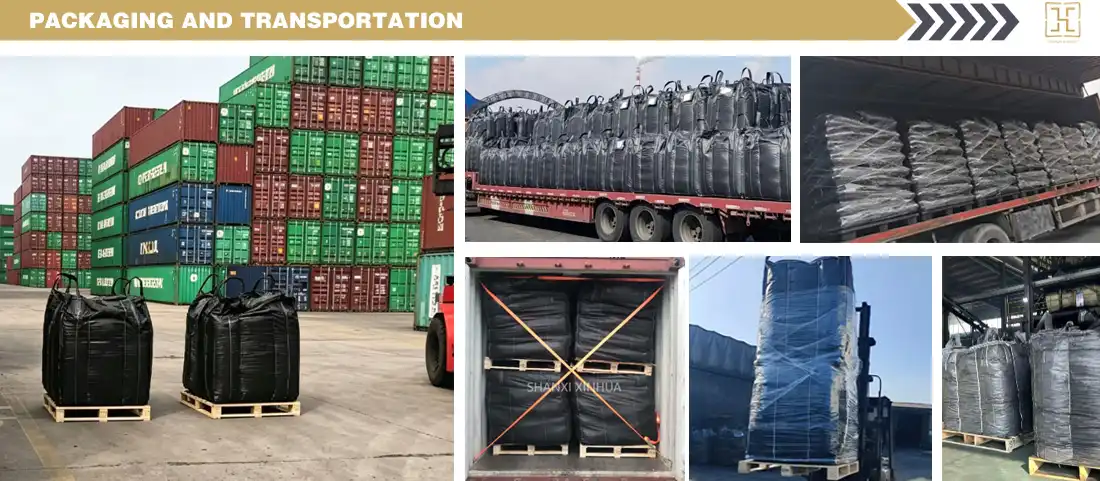
Most of the time, bulk purchasing agreements offer better prices than spot purchases and also make sure that operations can keep running. Lead times depend on how complicated the product is. Standard coal-based activated carbon in stock configurations usually ships within seven to fifteen days, but custom formulations may need fifteen to thirty days to be made and checked for quality. In environmental safety situations, emergencies can happen, so being able to respond quickly is a useful trait for suppliers to have. Some manufacturers keep strategic amounts of inventory on hand and offer faster delivery options that can meet urgent orders within three days when normal delivery times aren't enough.
Building Strategic Supplier Relationships
Long-term relationships offer more perks than just buying things. When you have established relationships, you can better predict demand, give priorities when supply is limited, and work together to come up with better recipes that are tailored to your particular problems. When you ask for quotes, you should include technical details, expected volumes, delivery needs, and quality assurance requirements. This will help you get accurate quotes and find suppliers who can meet all of your needs.
Case Studies and Data Validation of Alkali-Impregnated Carbon Efficiency
Power Plant Flue Gas Treatment Results
In response to stricter SO₂ pollution rules, a coal-fired power plant in the Midwest added alkali-impregnated carbon to its flue gas treatment system. In the past, systems that used regular limestone scrubbing had a hard time keeping pollution below 50 mg/m³. When impregnated carbon was added to a polishing stage, the amounts in the exit stayed below 10 mg/m³, which is well below the toughest regulatory standards. The system was able to remove 95% of the SO₂ and 70% of the NO₢ at the same time. Operating data gathered over eighteen months showed consistent performance with little degradation, proving that the material can withstand high-sulfur gas streams.
Chemical Manufacturing Emission Control
A company that makes specialty chemicals had trouble keeping hydrochloric acid vapors and organic acid compounds from reactor venting systems under control. The standard activated carbon didn't hold enough and had to be replaced often. When they switched to alkali-impregnated carbon, service intervals went from three months to over a year, and the efficiency of capture went from 75% to 98%. Breakthrough monitoring showed that the material stayed effective even when the feed concentrations and humidity levels changed. This showed that the stabilized alkaline components were stable in real-world operating conditions.
Laboratory Performance Validation
Standardized testing procedures make it possible to compare results objectively. For alkali-impregnated coal quality impregnated carbon, ASTM test methods can be used to evaluate key properties of the base carbon, including iodine number, carbon tetrachloride activity, and mechanical hardness. SO₂ adsorption-capacity testing under controlled temperature and concentration conditions can help determine the ability of alkali-impregnated coal quality impregnated carbon to remove acidic gases. Water-immersion testing can be used to evaluate the impregnation stability of alkali-impregnated coal quality impregnated carbon, helping determine whether alkaline components remain within the carbon matrix during operation rather than leaching excessively. Chemical analysis can further verify the alkali loading and identify the specific chemical components present in alkali-impregnated coal quality impregnated carbon. These systematic evaluations provide procurement teams and process engineers with consistent, repeatable metrics for comparing alkali-impregnated coal quality impregnated carbon from different suppliers and selecting a material that matches the requirements of the intended application.
Future Outlook and Sustainability of Alkali-Impregnated Carbon Use
Regulatory Drivers Shaping Market Demand
Environmental laws are getting stricter all over the world, which means that there is a constant need for more advanced tools to control emissions. The European Union's Best Available Techniques rules now say that many types of industries must keep SO₂ pollution below 10 mg/m³, which is a high level that makes traditional treatment methods difficult. As governments work to improve air quality, similar trends can be seen in the North American and Asian markets. These rules push people to come up with new embedded carbon formulas that are better at producing ultra-low emissions while still being profitable.
Innovations in Material Chemistry
Researchers are focusing on a number of interesting areas. The goal of new impregnation methods that use mixed alkaline compounds is to capture a wider range of pollutants and make low-temperature catalytic activity better. Nanostructured carbon substrates with carefully engineered pore size distributions may make it easier to select and hold more. In integrated treatment systems, hybrid materials that contain impregnated carbon and other functional parts could handle complex emission profiles that include a mix of acidic gasses, volatile organic compounds, and particulate matter.
Regeneration and Circular Economy Principles
As companies try to leave less of an impact on the earth, sustainability is becoming more and more important in their purchasing decisions. When used impregnated carbon is heated again, it returns a lot of its adsorption capacity. This uses less material and makes less waste than using discarded adsorbents. Some companies now offer regeneration services that take used materials, fix their performance with controlled thermal and chemical treatments, and then send them back to be used again. This closed-loop method saves money and is in line with the ideas of the circular economy. Looking into chemical renewal ways that work at lower temperatures could help save even more energy and the environment.
Conclusion
Alkali-impregnated carbon has proven to be an important material for industrial sites that have to deal with strict emission rules and low operating costs. When you combine physical adsorption with chemical reduction, you get better removal rates than with other materials. This is especially true for acidic gas components that have been hard to catch in the past. Performance data from a variety of applications proves that the technology works, lasts, and is worth the money. Alkali-impregnated coal quality impregnated carbon will play a bigger role in helping businesses around the world run safer, cleaner, and more compliant operations as regulations keep getting stricter and sustainability priorities grow.
FAQ
What exactly is alkali-impregnated coal quality impregnated carbon and how does it work?
Specialized activated carbon called alkali-impregnated coal quality impregnated carbon is made from high-quality anthracite coal that has been treated with alkaline chemicals like sodium hydroxide or potassium hydroxide. The process of making it includes carbonization, activation to make a porous structure, and controlled impregnation with alkaline chemicals. This makes a substance that can absorb acidic gasses through its microporous structure and chemically neutralize them through the alkaline parts that are mixed in. If acidic pollutants like SO₂, HCl, or NOₓ come in contact with the material, they go through neutralization reactions that turn them into stable salts. This stops them from going back into the air.
Can this material be regenerated like standard activated carbon?
Regeneration is possible, but it's not the same as using regular activated carbon. Simple thermal renewal might not bring back full capacity because removal includes chemical processes that make stable compounds. Eighty-five to ninety percent of the original performance can be recovered, though, with controlled thermal treatment at the right temperatures. To carefully control the temperature during the process, the captured compounds must be broken down without damaging the carbon structure or removing the alkaline components that are embedded in it. Depending on the cost and the working conditions, some uses treat the material as a consumable, while others use regeneration processes.
How do I determine when the carbon needs replacement?
The most accurate replacement sign is breakthrough tracking. By putting gas monitors at the system's exit, you can see how well the removal is working in real time. When amounts in the outlets start to rise to levels that aren't suitable, the carbon is getting close to saturation. Color-change signs in some versions show visually when the capacity has been used up. Setting a standard pressure drop across the carbon bed and watching for rises can also show when replacement is needed due to particle decay or pore plugging. A lot of places do regular lab tests and sampling to make sure replacements are made before breakthroughs happen.
What factors affect the performance and lifespan of impregnated carbon?
Several operating parameters affect how well something works. A gas stream humidity of thirty to seventy percent actually improves performance by making it easier for ions to react between acidic gasses and alkaline sites. Temperature changes both the rate of binding and the rate of a chemical reaction. Temperatures that are too high can lower capacity, while temperatures that are too low can slow reaction kinetics. The saturation rate is affected by the concentration of acidic gasses. Higher concentrations use up capacity more quickly, but they don't always lower total capacity. Particles in the gas stream can block holes and make the system less effective, so it's good to use upstream filtering. Material activity can be kept up for twelve to twenty-four months before installation if it is stored properly in sealed cases away from damp and extreme temperatures.
Get Customized Solutions from a Leading Alkali-Impregnated Coal Quality Impregnated Carbon Manufacturer
Shanxi Xinhua Carbon Technology Industry Co., Ltd. has more than sixty years of experience making activated carbon and more than twenty years of experience making high-quality products on a big scale. Our defense-grade quality control systems, which are approved by ISO 9001, ISO 14001, and ISO 45001, make sure that our products always work well and meet the strictest application needs. We have many production bases all over China that keep a full stock of columnar, granular, and powdered forms. We can deliver standard orders within seven to fifteen days and custom formulations within fifteen to thirty days. Because we do study with Tsinghua University, the Chinese Academy of Sciences, and other top schools, we can make solutions that are exactly right for your needs in terms of pore structure, alkali loading, particle size, and performance. Our technical team is ready to help you with your acidic gas removal problems, whether you need emergency delivery through our green channel or OEM private labeling for international distribution. You can talk to us about your idea and get full technical specs by emailing greta@carbonxinhua.com or visiting xhcarbontech.com.
References
1. Zhou, J., & Wang, S. (2021). "Advanced Alkali-Impregnated Activated Carbon for Industrial Flue Gas Desulfurization: Preparation, Characterization and Performance Evaluation." Journal of Environmental Chemical Engineering, 9(4), 105632.
2. Chen, H., Liu, Y., & Zhang, P. (2020). "Mechanism of Acidic Gas Removal Using Chemically Modified Activated Carbon: A Comprehensive Review." Carbon Materials Science and Technology, 48(3), 221-235.
3. Thompson, R.W., & Martinez, D.L. (2022). "Comparative Analysis of Impregnated Carbon Materials for Low-Temperature NOx Reduction in Industrial Applications." Industrial & Engineering Chemistry Research, 61(18), 6234-6248.
4. Li, X., Kumar, A., & Singh, M. (2023). "Sustainability and Regeneration of Alkali-Treated Carbon Adsorbents in Environmental Protection Technologies." Environmental Science & Technology, 57(12), 4856-4871.
5. Anderson, K.M., & Roberts, J.E. (2021). "Selection Criteria and Performance Specifications for Impregnated Activated Carbon in Industrial Gas Treatment Systems." Chemical Engineering Progress, 117(9), 44-52.
6. Wu, Q., Nakamura, T., & Park, J.H. (2022). "Advances in Carbon-Based Catalytic Materials for Simultaneous SO2 and NOx Removal: Impregnation Strategies and Industrial Implementation." Catalysis Today, 388, 126-142.

Send Inquiry
You may like
_1781662034490.webp)